
Buckbrush
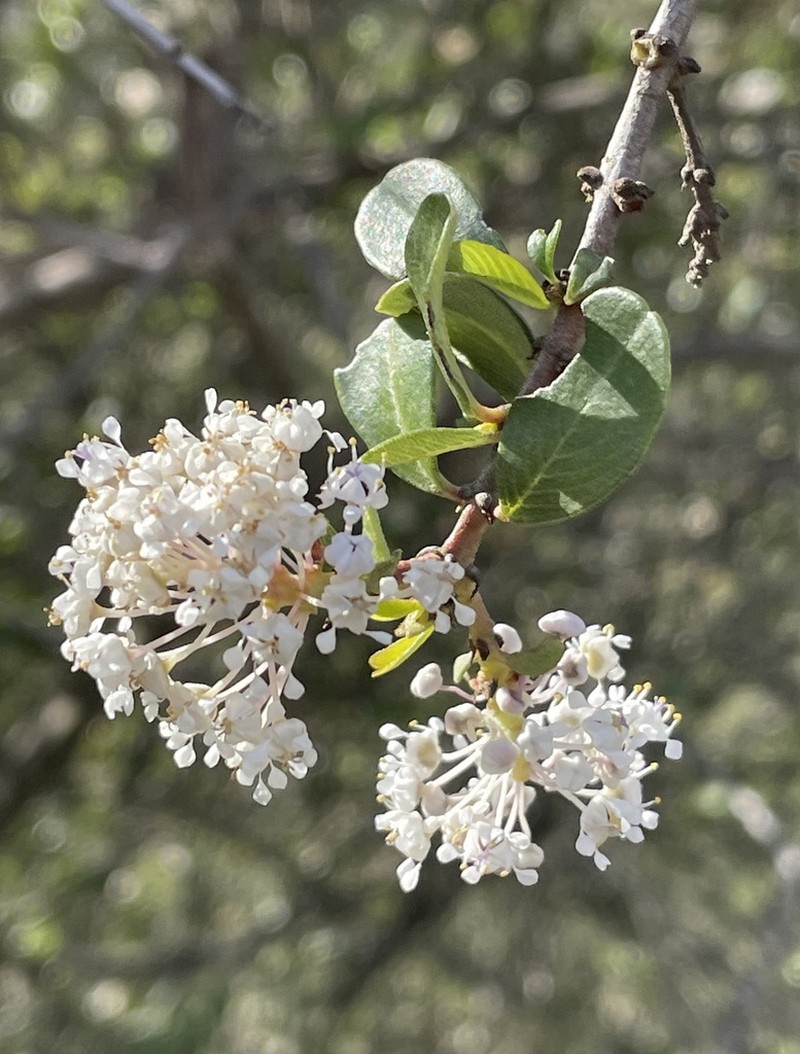
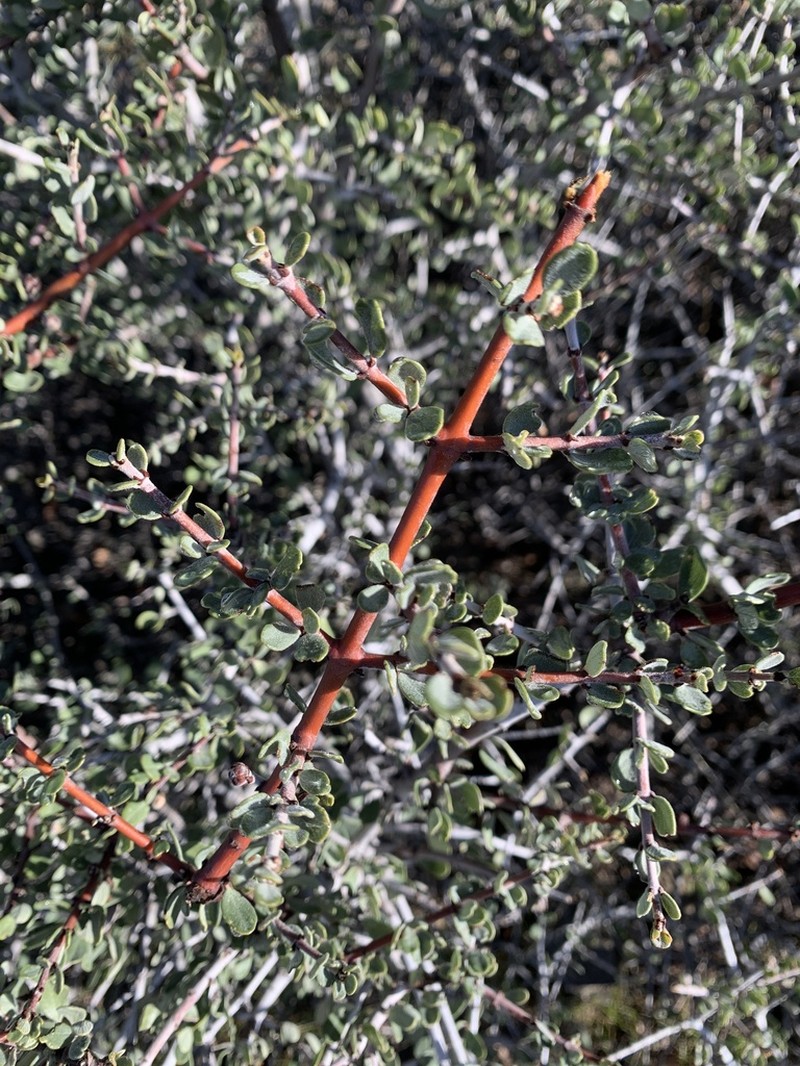
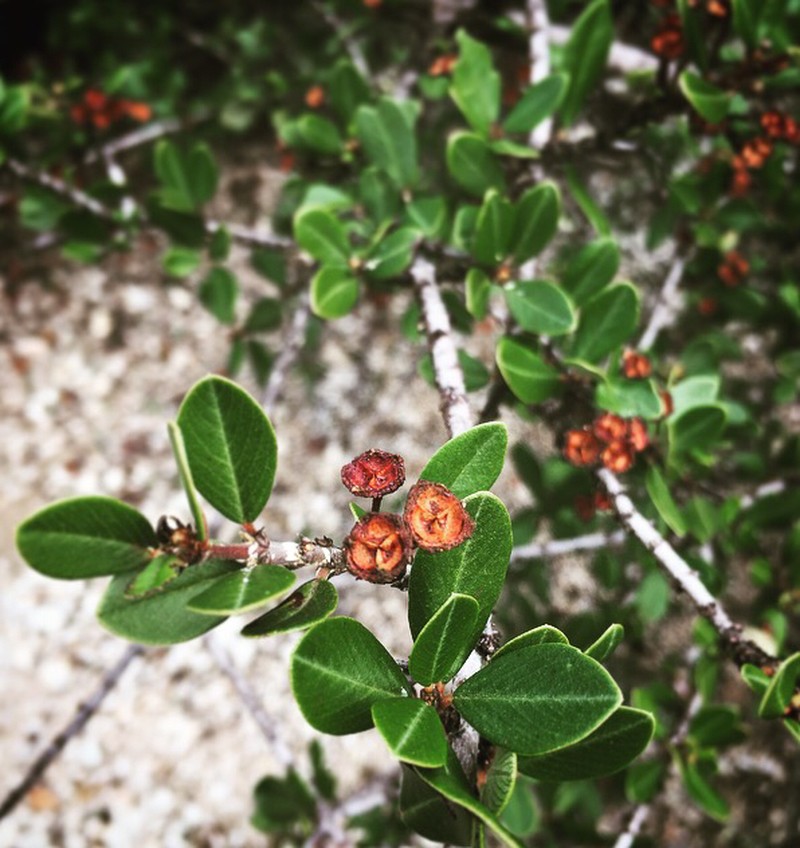
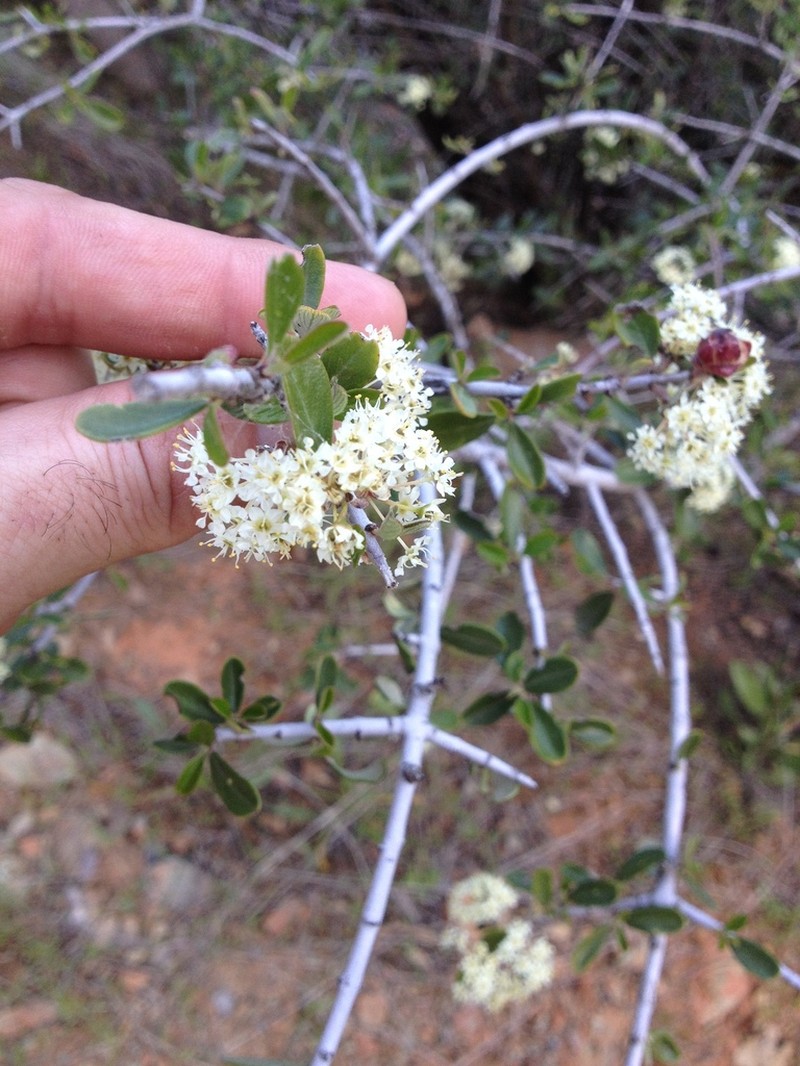
Ceanothus cuneatus
- Native to:
- Mexican Pacific Is., Mexico, United States
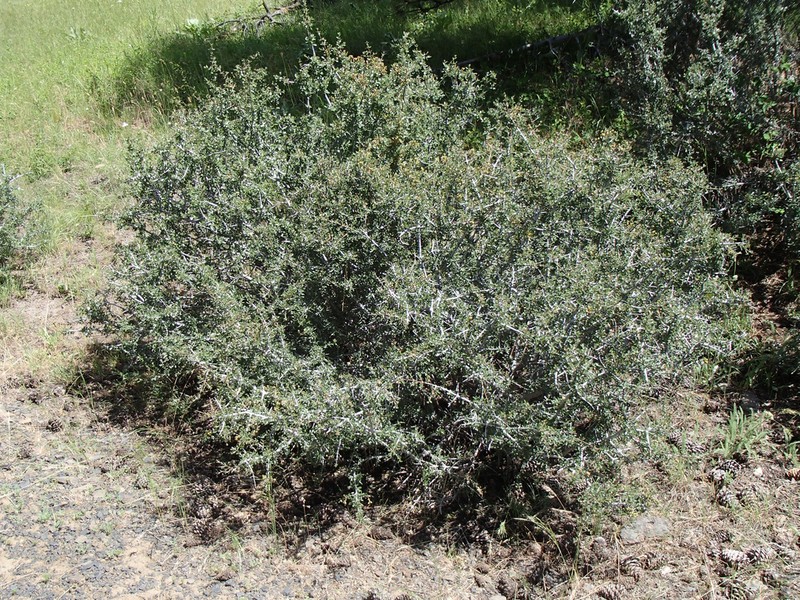
iNaturalist: © twainwright (iNaturalist #124800204)
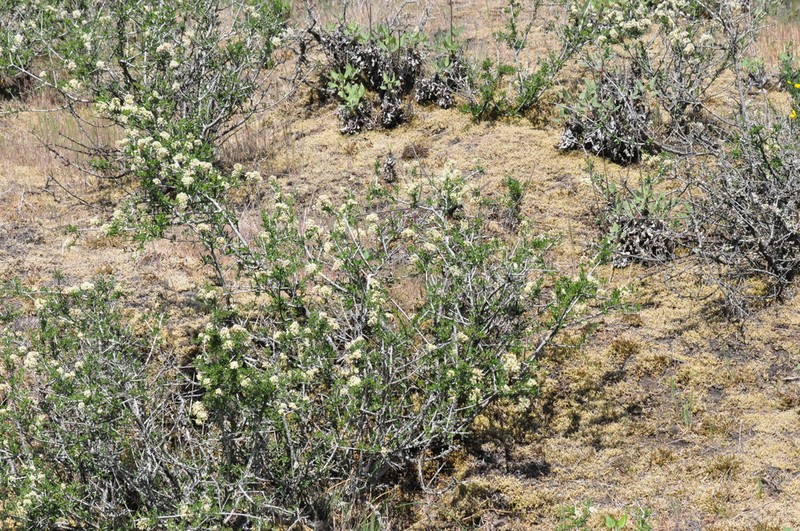
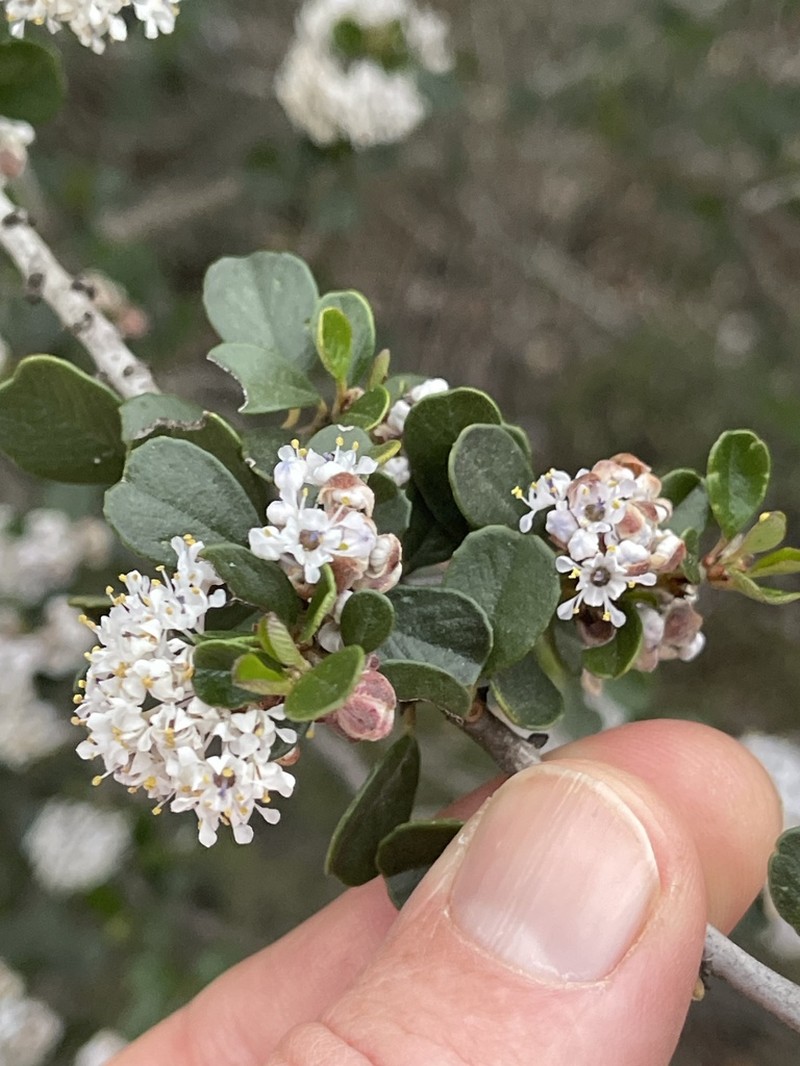
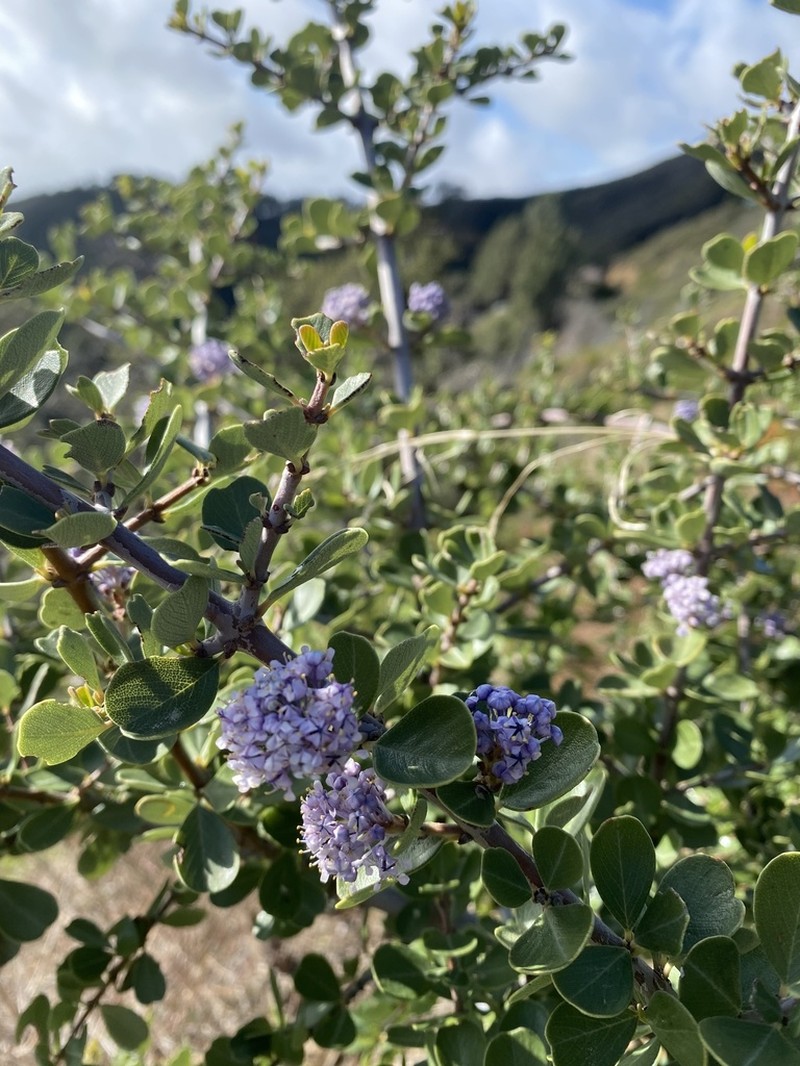
Taxonomy
- Division:
- Magnoliophyta | - Flowering plants
- Family:
- Rhamnaceae
- Genus:
- Ceanothus
- Species:
- Ceanothus cuneatus
- USDA Symbol:
- CECU
Growth Characteristics
- Life Cycle:
- Perennial
- Growth Habit:
- Shrub
- Height:
- 300 cm
- Light Requirements:
- Full Sun
- Drought Tolerance:
- High
- Bloom Months:
- feb,mar,apr
- Bloom Colors:
- white, pale blue
- Evergreen Shrub:
- Yes
- Landscaping Shrub:
- Yes
Wildlife Benefits
- Bees:
- ★☆☆☆☆ Documented bee visitation (GBIF)
- Butterflies & Moths:
- ★★★★☆ Documented Lepidoptera association (GBIF)
- Caterpillars:
- ★★☆☆☆ Recorded caterpillar host plant (HOSTS Database)
Keystone Species Ranking
- Caterpillar Keystone:
- ★★★★☆ Butterfly & moth species supported by this genus (NWF)
Host Plant for Caterpillars
Garden & Ecology Notes
- Wildlife Value:
- birds, butterflies, bees
- Fragrant:
- Yes
- Fire Ecology:
- Fire adapted — tolerates or benefits from fire
- Fire Notes:
- Resprouts from root crown after fire; seeds also germinate in response to fire cues.
Soil Requirements
- Soil Type:
- sandy, well-drained, nutrient-poor soil
- pH:
- 5.5 - 7.5 (slightly acidic to neutral)
- Drainage:
- excellent drainage required
- Moisture:
- dry to moderate
- Notes:
- Thrives in chaparral and coastal scrub habitats
Propagation & Germination
- Stratification:
- Cold/moist stratification required — 30–90 days
- Scarification:
- Seed coat scarification required before sowing
- Germination Time:
- 30–60 days
- Notes:
- Seeds require scarification (hot water or mechanical) followed by cold stratification for 30-90 days.
Pre-treatment: Seeds are placed in fine mesh bags, soaked for 10 seconds in boiling water and then immediately transferred in cold water. Seeds are then placed into a 1% hydrogen peroxide (3:1 water/3% hydrogen peroxide) soak for 24 hours, rinsed, and placed in water for an additional 4 hours. Seeds are sown into trays filled with stabilized medium plugs (Q-plugs). Trays are sealed inside plastic bags and placed into refrigeration at 1 to 3 °C for 90 days. Trays are checked weekly and kept moist throughout the stratification period. If mold is evident, trays should be treated with 1% hydrogen peroxide.
Establishment: Ceanothus cordulatus, also known as whitethorn ceanothus or white ceanothus, is generally found in Oregon, California, Nevada and within mattoral vegetation association of California. There is a variation in the pre-planting propagule treatments across the protocols, with one suggesting that seeds germinate at greenhouse temperatures without any specific treatment.
Source: npn.rngr.net