
Lemmon's Ceanothus
Ceanothus lemmonii
- Native to:
- United States
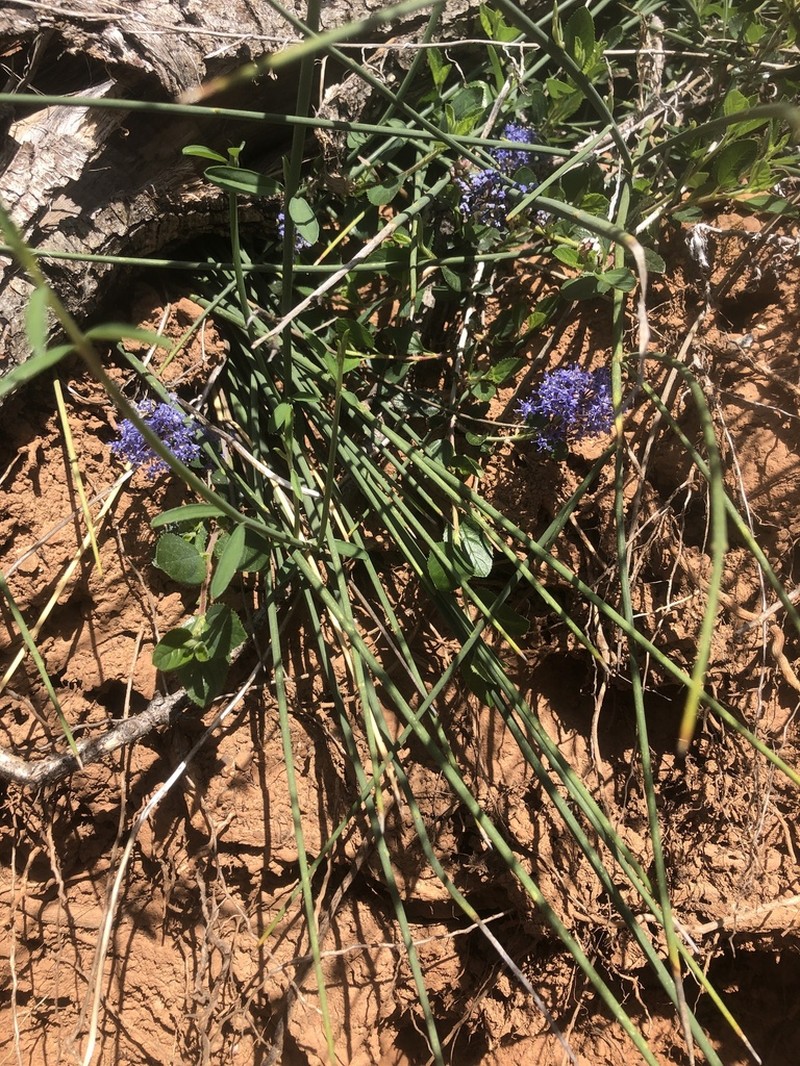
iNaturalist: © kashdown (iNaturalist #109561680)
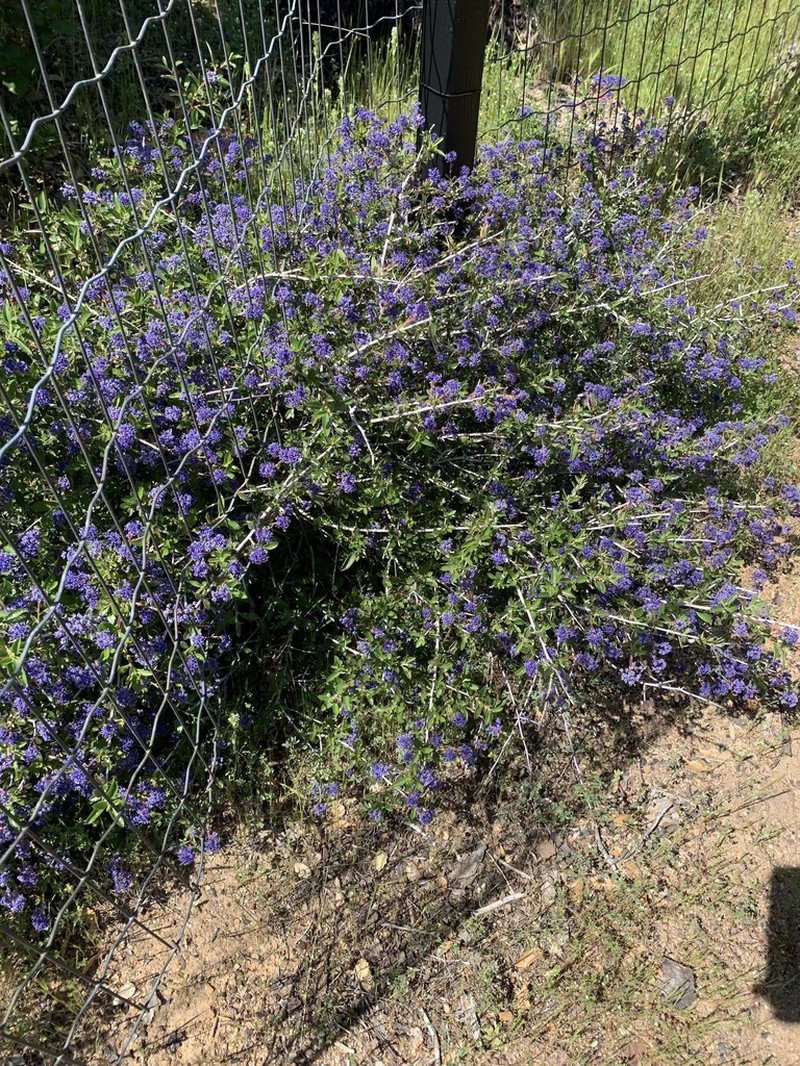
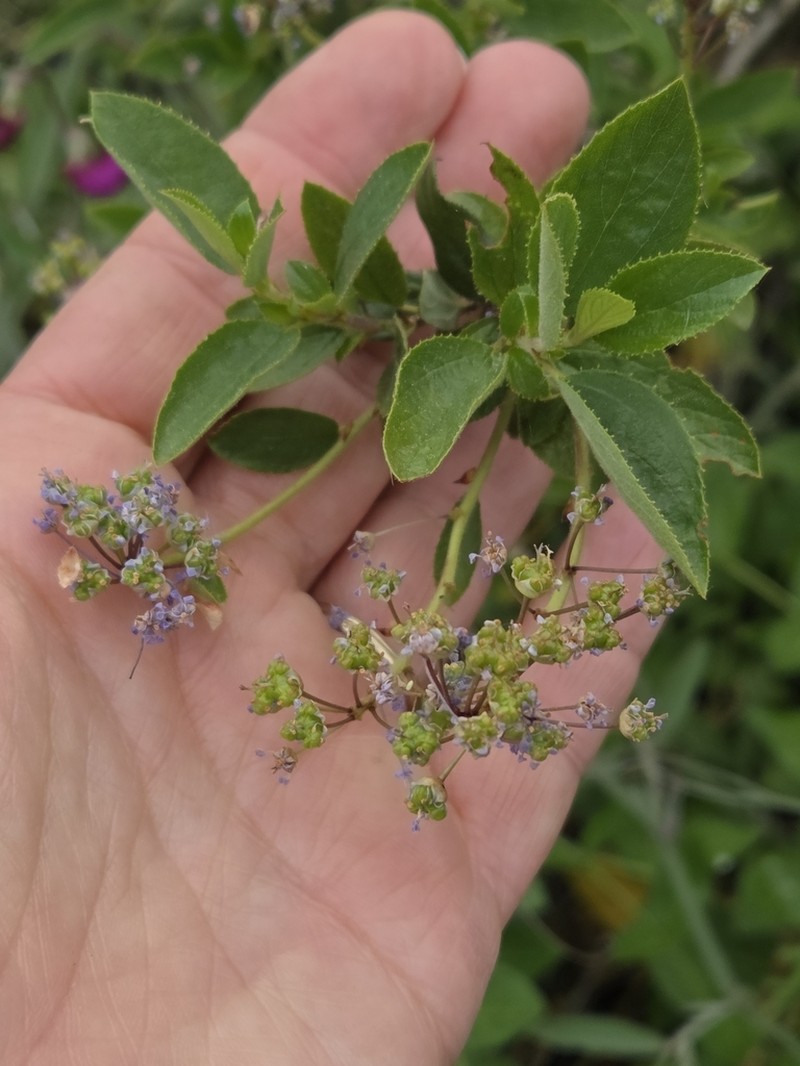
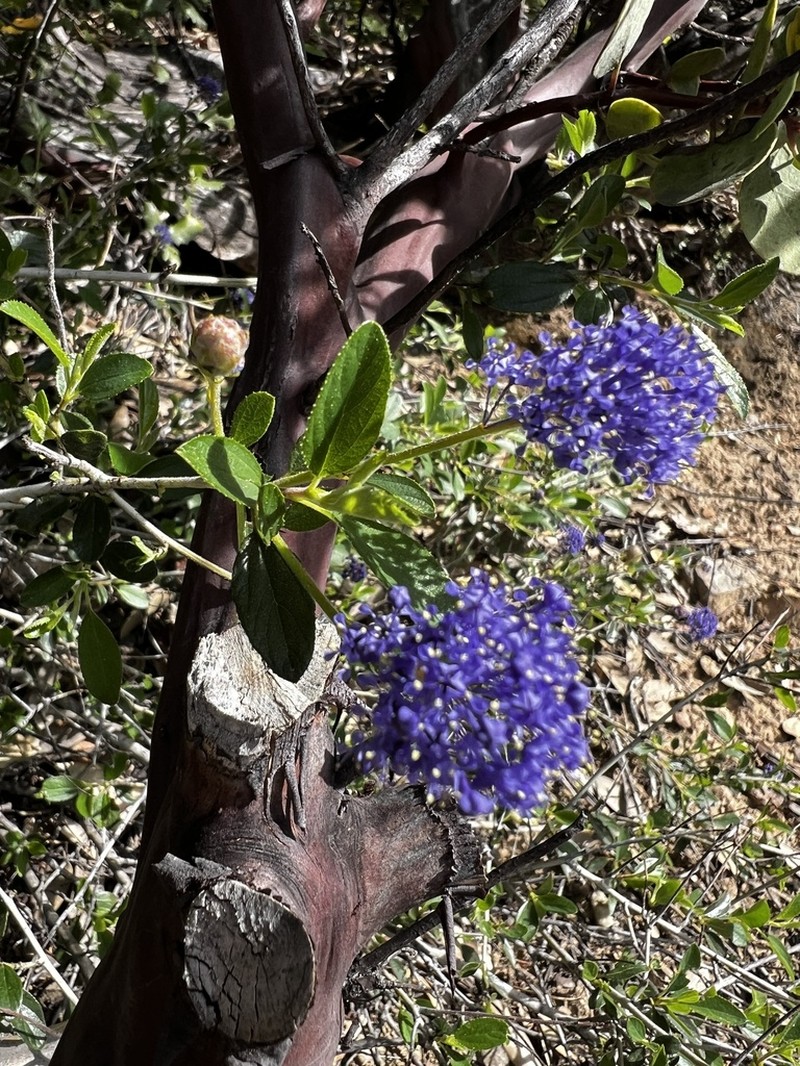
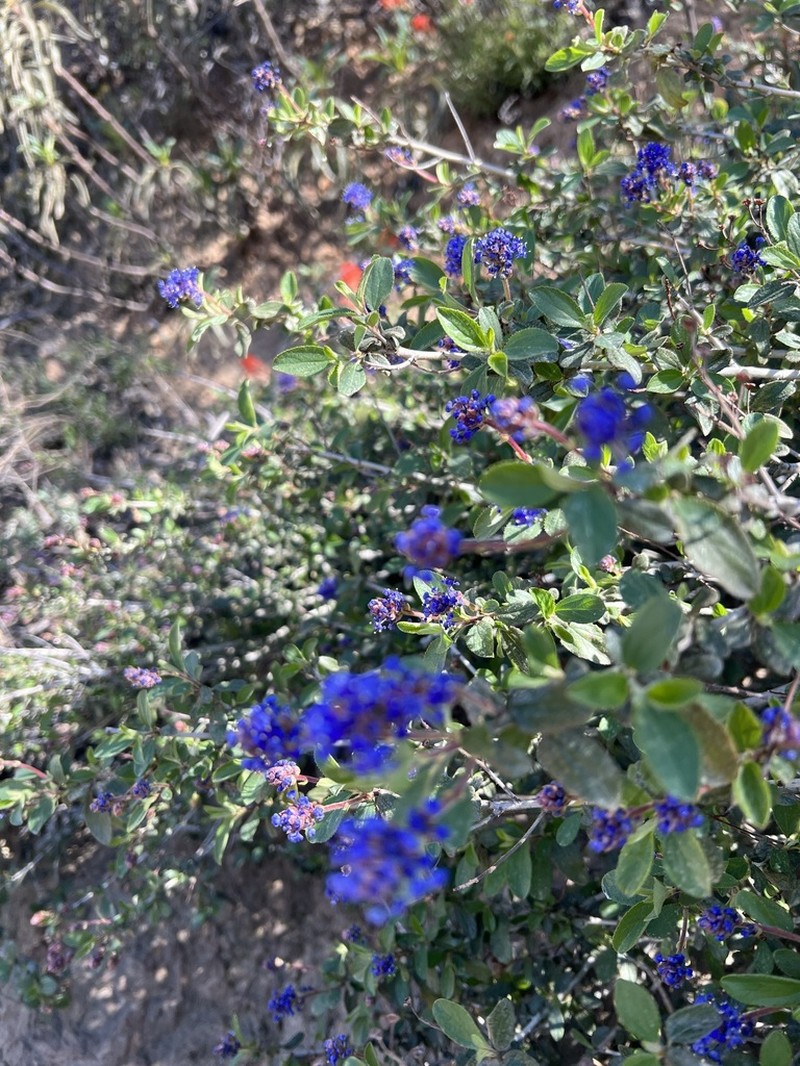
Taxonomy
- Division:
- Magnoliophyta | - Flowering plants
- Family:
- Rhamnaceae
- Genus:
- Ceanothus
- Species:
- Ceanothus lemmonii
- USDA Symbol:
- CELE
Growth Characteristics
- Life Cycle:
- Perennial
- Growth Habit:
- Shrub
- Height:
- 200 cm
- Light Requirements:
- Full Sun
- Drought Tolerance:
- High
- Bloom Months:
- apr,may,jun
- Bloom Colors:
- blue
- Landscaping Shrub:
- Yes
Wildlife Benefits
- Bees:
- ★☆☆☆☆ Documented bee visitation (GBIF)
- Butterflies & Moths:
- ★☆☆☆☆ Documented Lepidoptera association (GBIF)
- Caterpillars:
- ★☆☆☆☆ Recorded caterpillar host plant (HOSTS Database)
Keystone Species Ranking
- Caterpillar Keystone:
- ★★★★☆ Butterfly & moth species supported by this genus (NWF)
Host Plant for Caterpillars
Periploca ceanothiella
Garden & Ecology Notes
- Wildlife Value:
- bees, butterflies, birds
- Deer Resistant:
- Yes
- Fragrant:
- Yes
- Fire Ecology:
- Fire adapted — tolerates or benefits from fire
- Fire Notes:
- Seeds germinate readily after fire; mature plants may resprout from root crown.
Soil Requirements
- Soil Type:
- rocky, well-drained, nutrient-poor soil
- pH:
- 6.0 - 7.5 (slightly acidic to neutral)
- Drainage:
- excellent drainage required
- Moisture:
- dry to moderate
- Notes:
- native to chaparral regions; drought-tolerant
Propagation & Germination
- Stratification:
- Cold/moist stratification required — 30–60 days
- Scarification:
- Seed coat scarification required before sowing
- Germination Time:
- 30–90 days
- Notes:
- Seeds require scarification (hot water or mechanical) followed by cold stratification for 30-60 days.
Pre-treatment: Cold-moist stratification for 30 days at 1–5°C (34–41°F).
Notes: Seeds may require light for germination.
Source: Claude AI