
Prostrate Ceanothus
Ceanothus prostratus
- Native to:
- United States
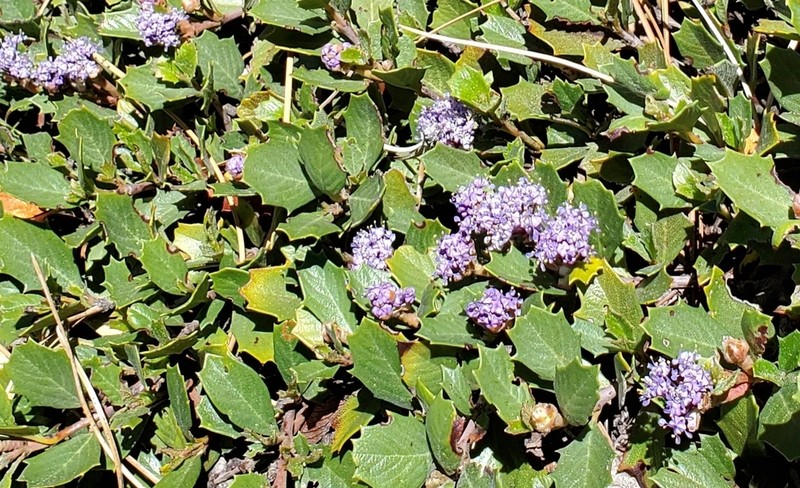
iNaturalist: © mmhamil (iNaturalist #81401246)
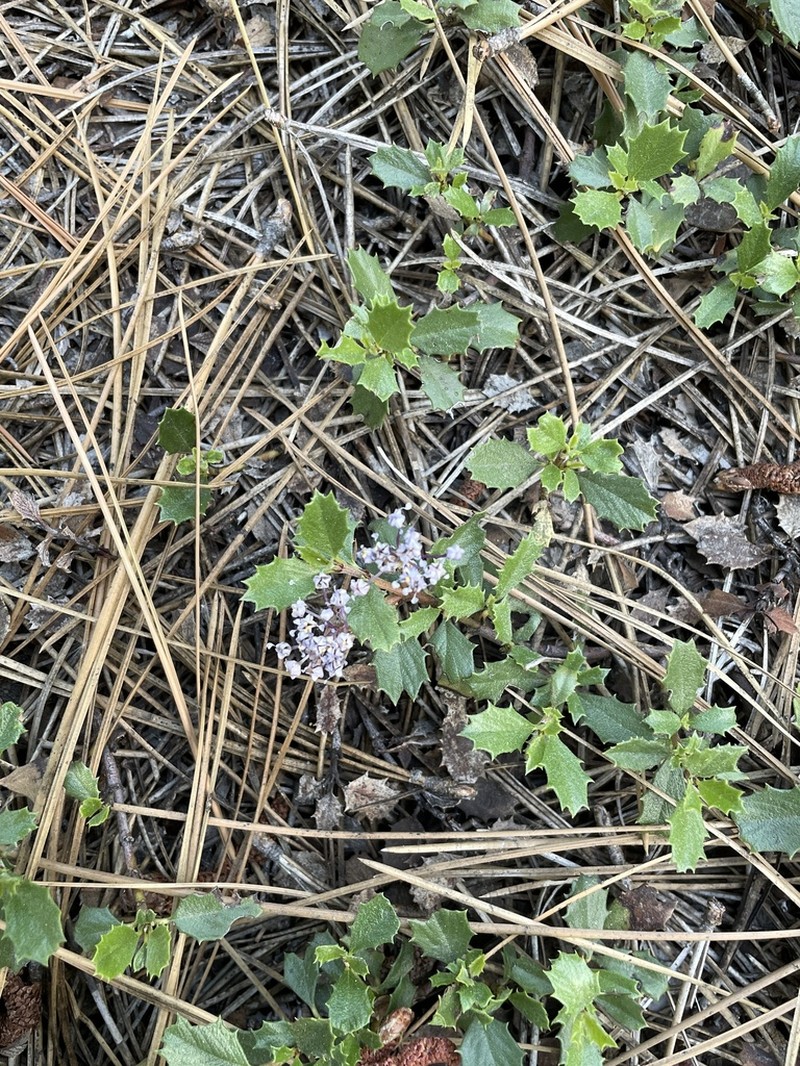
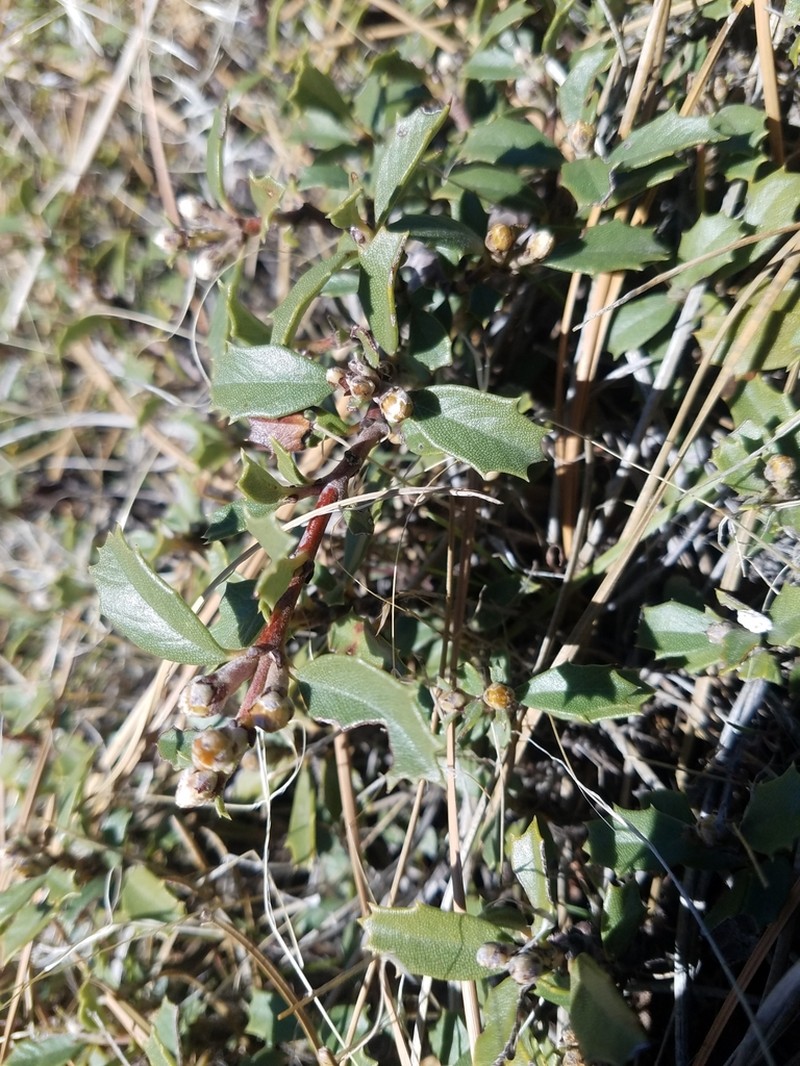
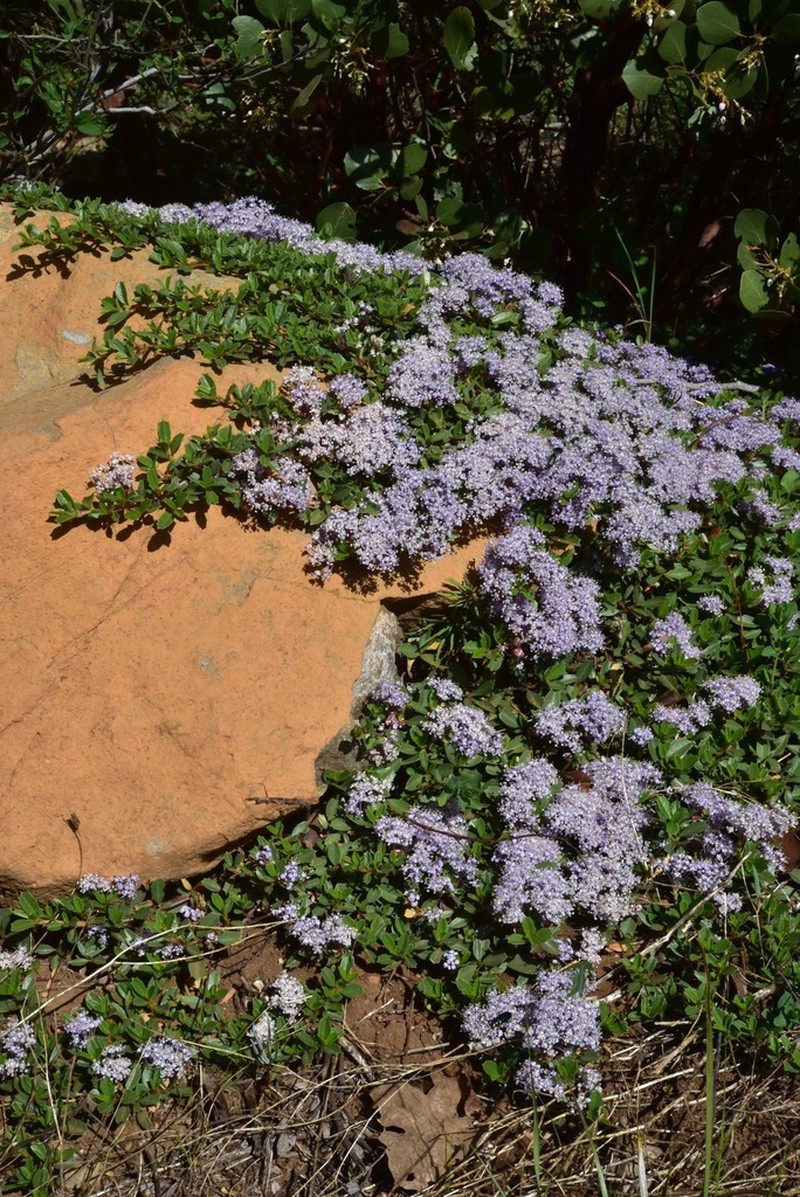
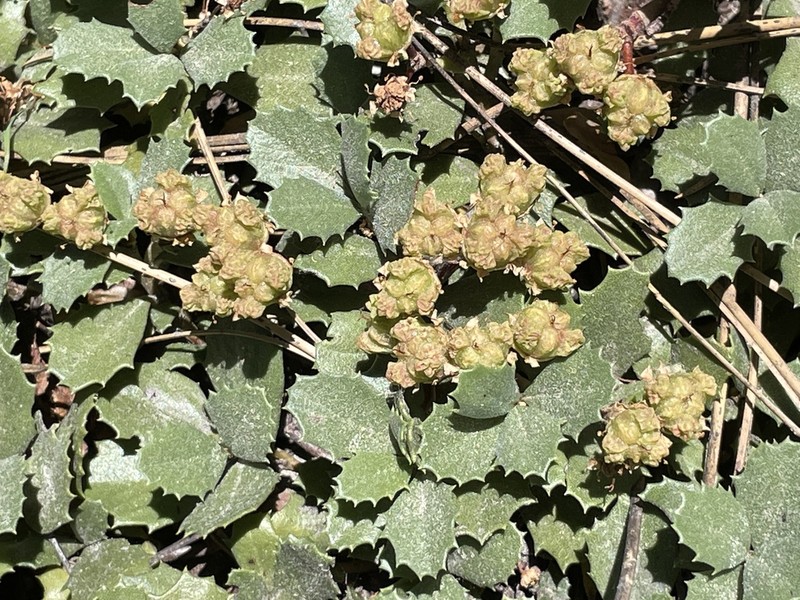
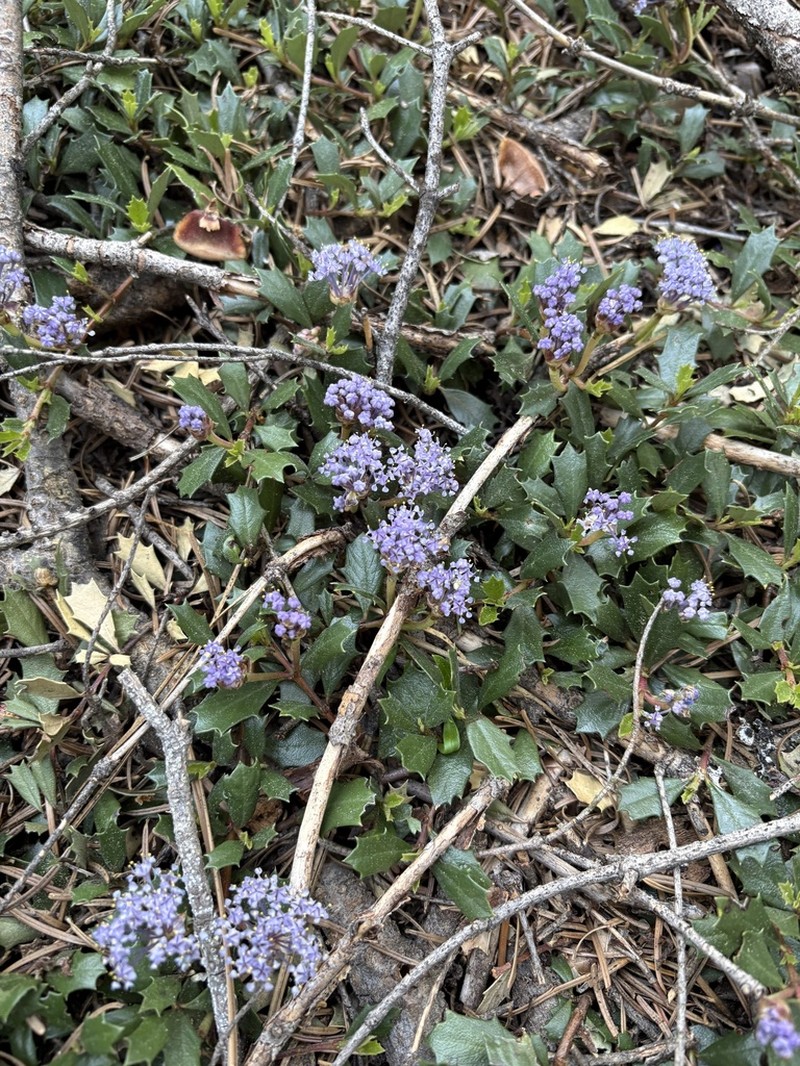
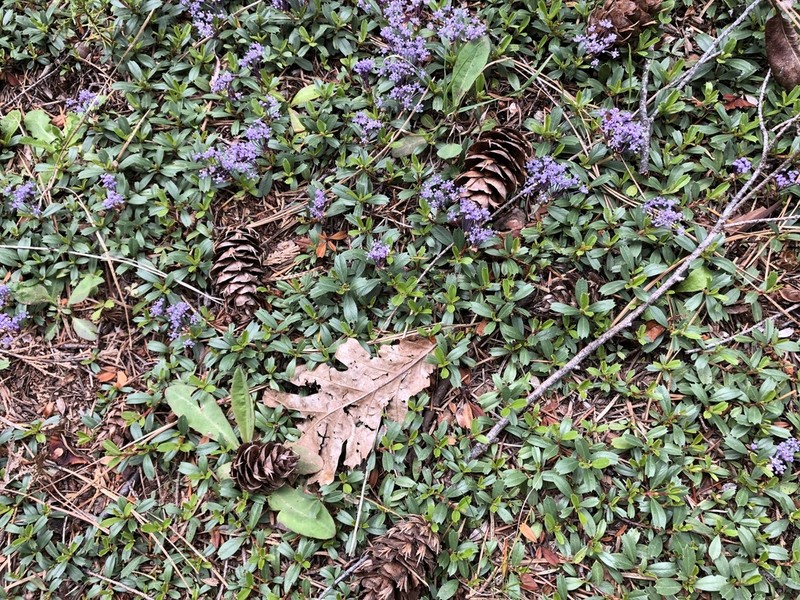
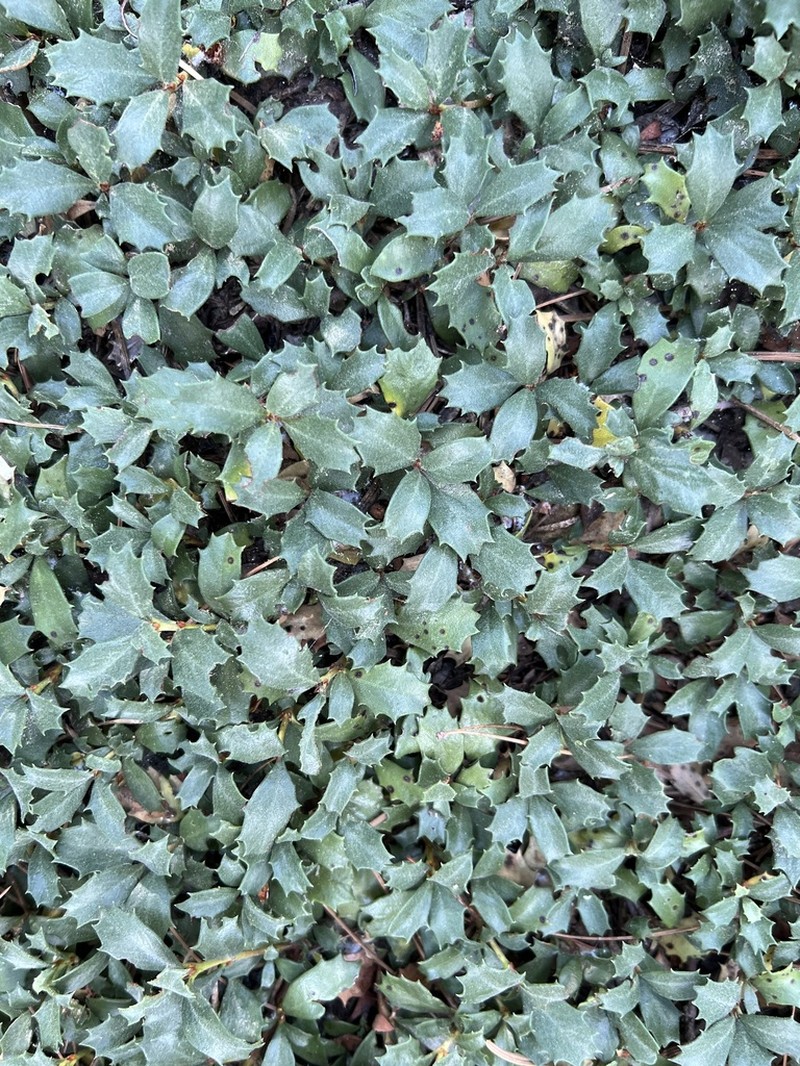
Taxonomy
- Division:
- Magnoliophyta | - Flowering plants
- Family:
- Rhamnaceae
- Genus:
- Ceanothus
- Species:
- Ceanothus prostratus
- USDA Symbol:
- CEPR
Growth Characteristics
- Life Cycle:
- Perennial
- Growth Habit:
- Shrub , Subshrub
- Height:
- 30 cm
- Light Requirements:
- Full Sun
- Drought Tolerance:
- High
- Bloom Months:
- apr,may,jun
- Bloom Colors:
- blue, lavender
- Ground Cover:
- Yes
- Lawn Substitute:
- Yes
- Evergreen Shrub:
- Yes
- Landscaping Shrub:
- Yes
Wildlife Benefits
- Bees:
- ★☆☆☆☆ Documented bee visitation (GBIF)
- Butterflies & Moths:
- ★☆☆☆☆ Documented Lepidoptera association (GBIF)
- Caterpillars:
- ★☆☆☆☆ Recorded caterpillar host plant (HOSTS Database)
Keystone Species Ranking
- Caterpillar Keystone:
- ★★★★☆ Butterfly & moth species supported by this genus (NWF)
Host Plant for Caterpillars
Pale Swallowtail (Papilio eurymedon)
Reported Fauna Sightings
Bees: Yellow-faced bumble bee (Bombus vosnesenskii)
Garden & Ecology Notes
- Wildlife Value:
- birds, butterflies, small mammals
- Deer Resistant:
- Yes
- Fragrant:
- Yes
- Fire Ecology:
- Fire adapted — tolerates or benefits from fire
- Fire Notes:
- Resprouts from root crown after fire; seeds also germinate in response to fire cues.
Soil Requirements
- Soil Type:
- rocky, well-drained, nutrient-poor soil
- pH:
- 5.5 - 7.0 (slightly acidic to neutral)
- Drainage:
- excellent drainage required
- Moisture:
- dry to moderate
- Notes:
- native to open, dry woodlands and rocky slopes
Propagation & Germination
- Stratification:
- Cold/moist stratification required — 60–90 days
- Scarification:
- Seed coat scarification required before sowing
- Germination Time:
- 30–60 days
- Notes:
- Seeds require scarification (hot water or mechanical) followed by cold stratification for 60-90 days to break dormancy.
Pre-treatment: The base of the stem is re-cut and immediately dipped in 500 ppm IBA. The cutting is then inserted into a pre-dibbled hole in well-drained rooting medium. Rooting medium used is 30:20:30:20 peat:composted fir bark:perlite:pumice with no fertilizer added.
Establishment: Collection should be done in mid-spring. Collect newest (previous year’s) material just as new white rootlets are beginning to form. Green cuttings can also be collected in late spring/early summer when new growth has just begun to suberize.
Source: npn.rngr.net
Where to Buy
Nationwide Seller
- Butterfield Seeds (seeds)