
Redstem Ceanothus
Ceanothus sanguineus
- Native to:
- Canada, United States
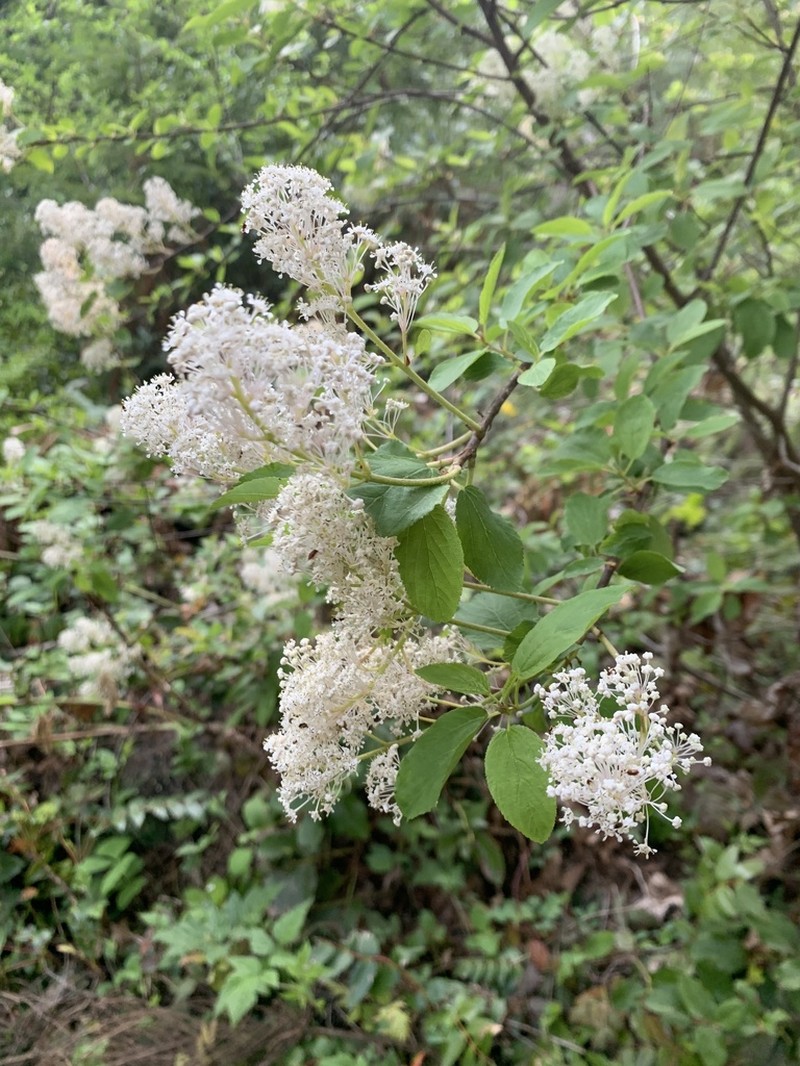
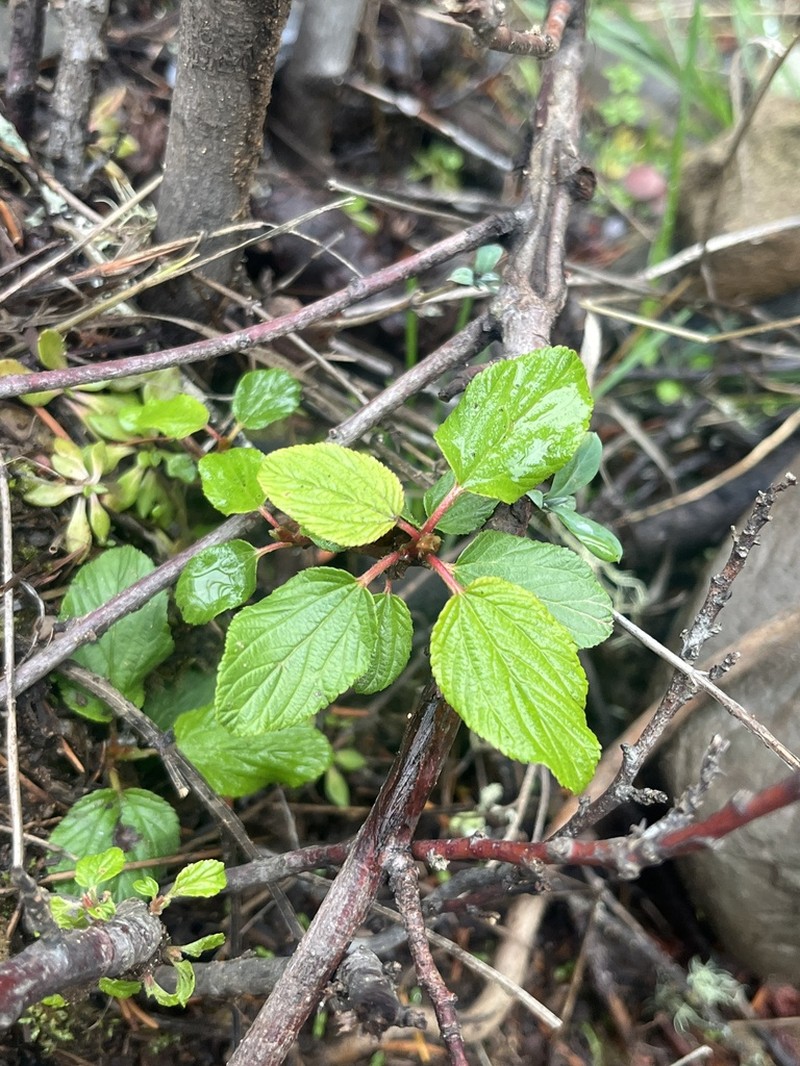
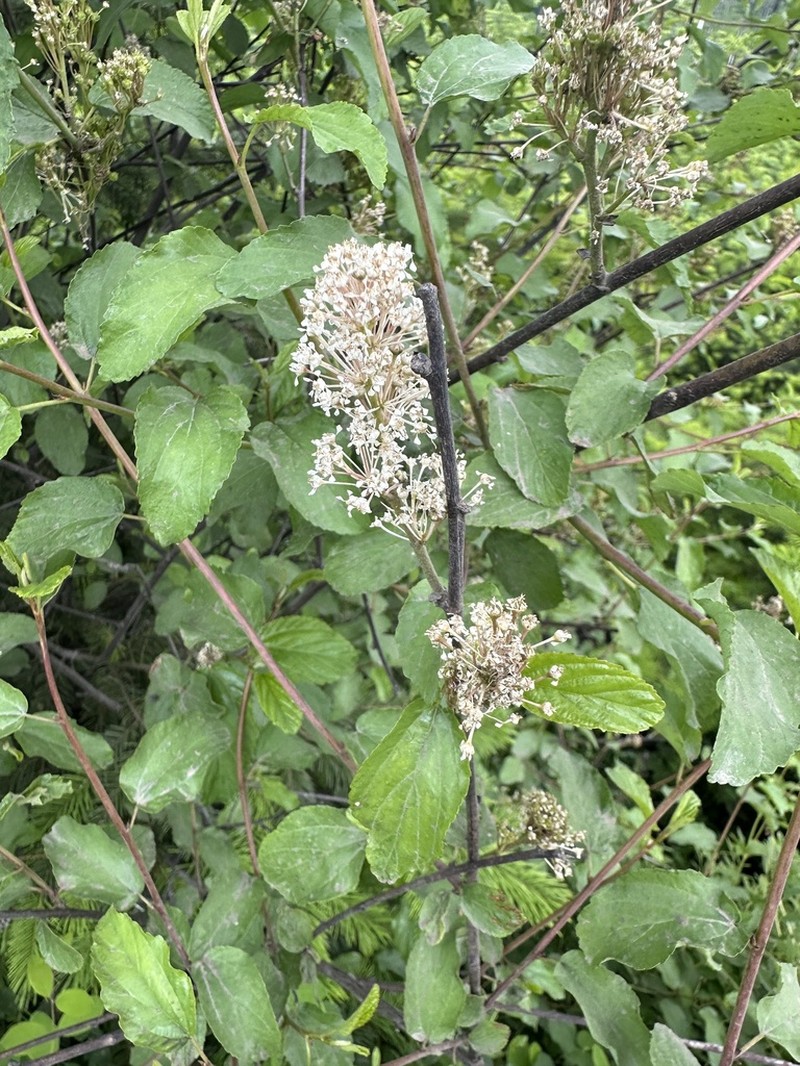
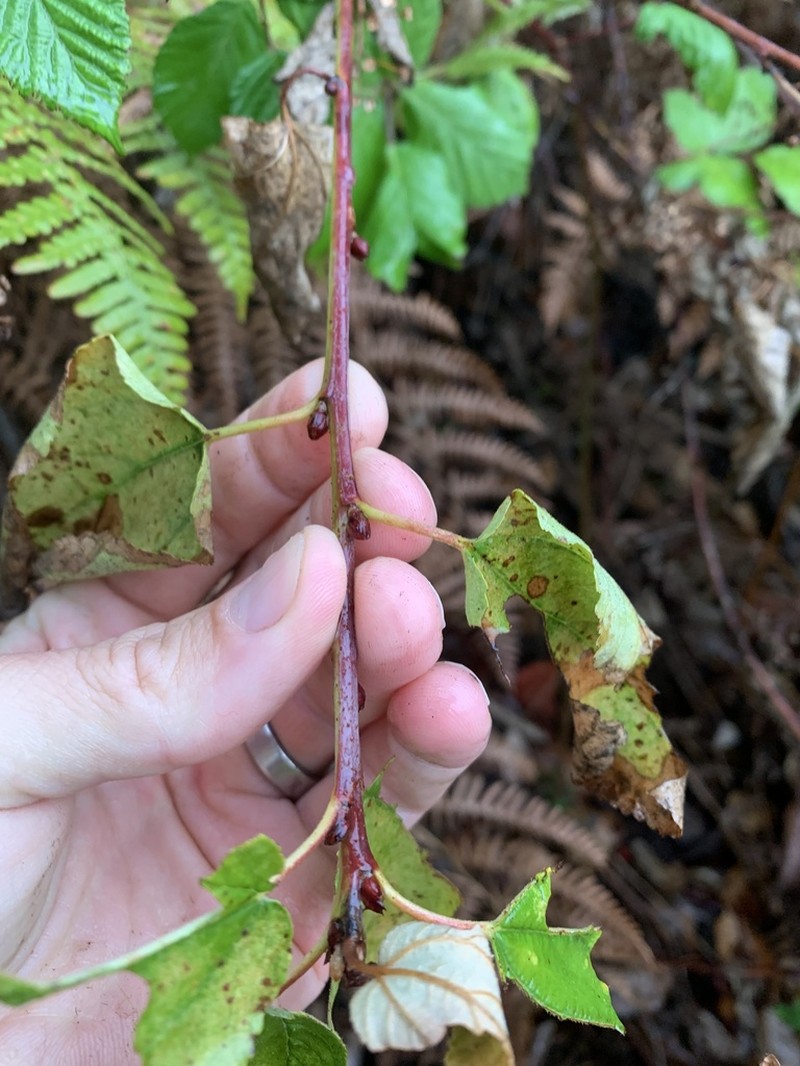
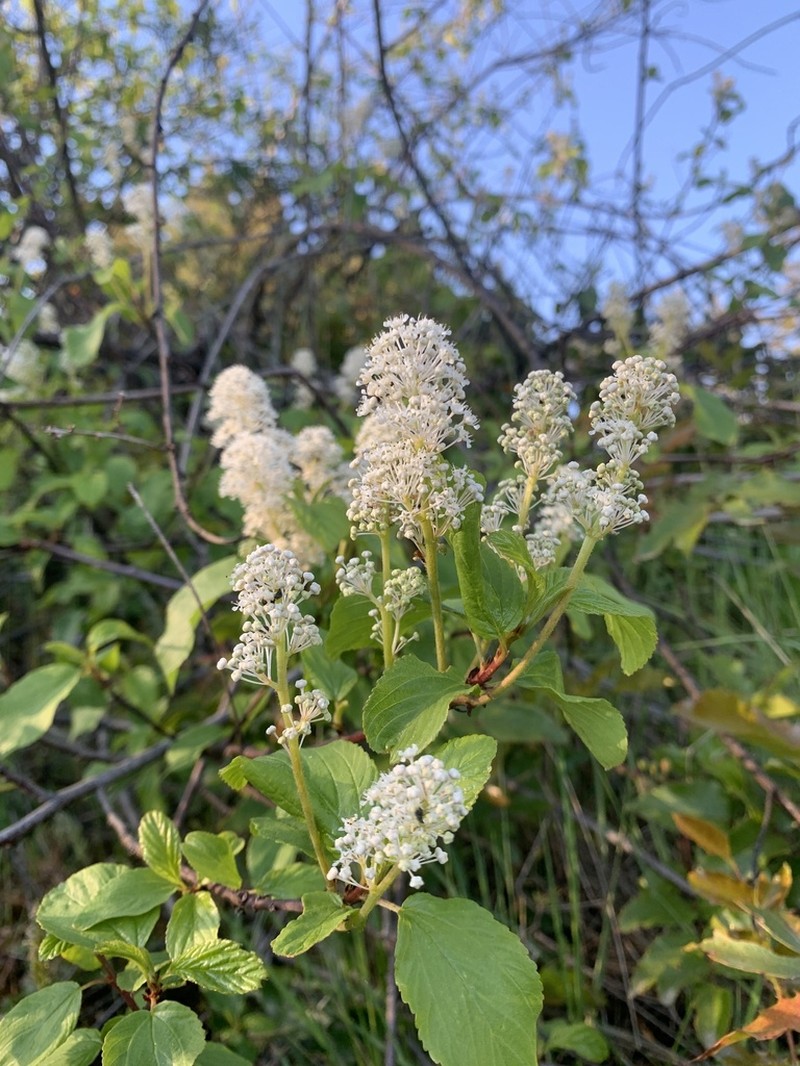
iNaturalist: © katie1571 (iNaturalist #162252844)
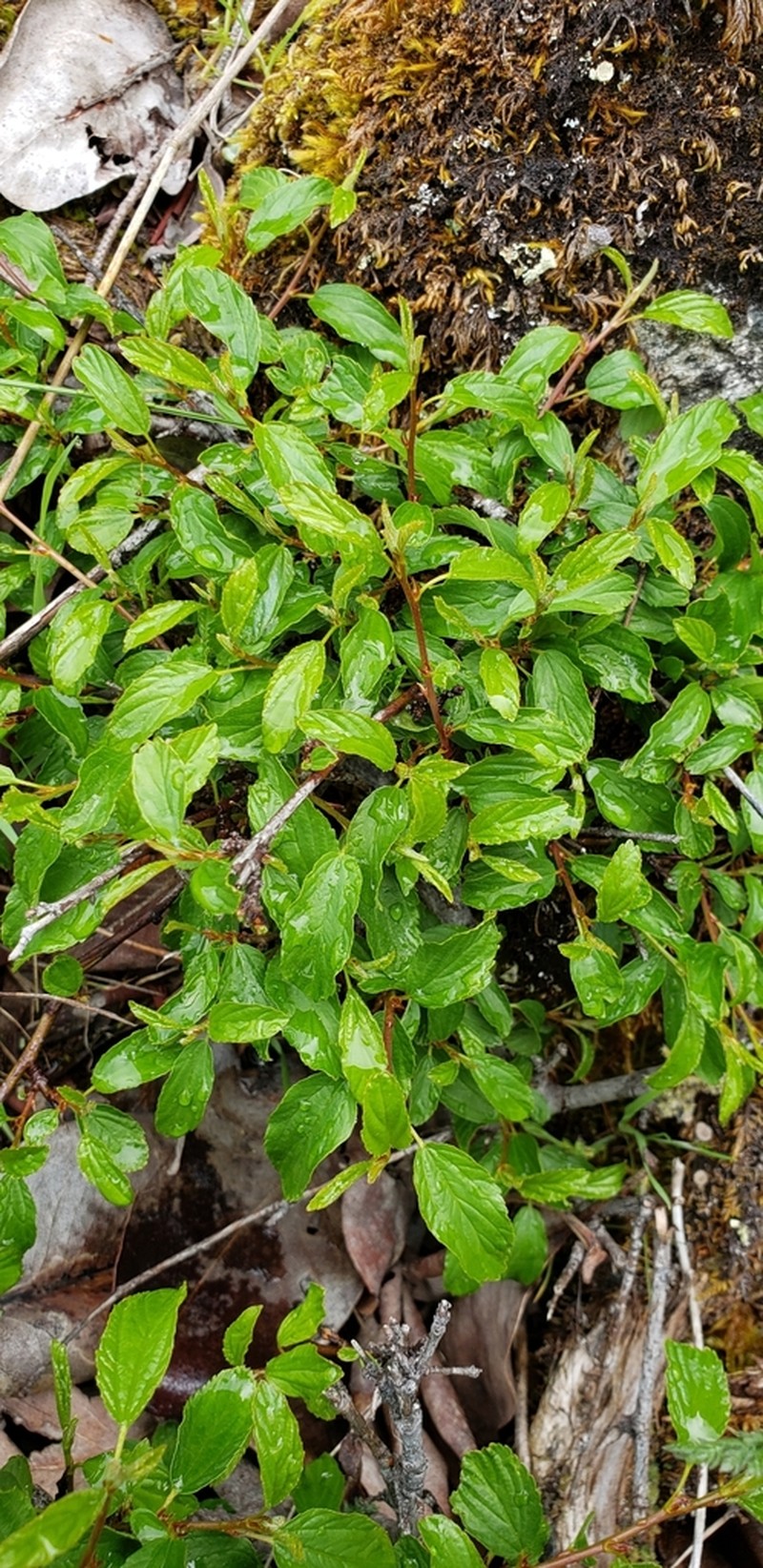
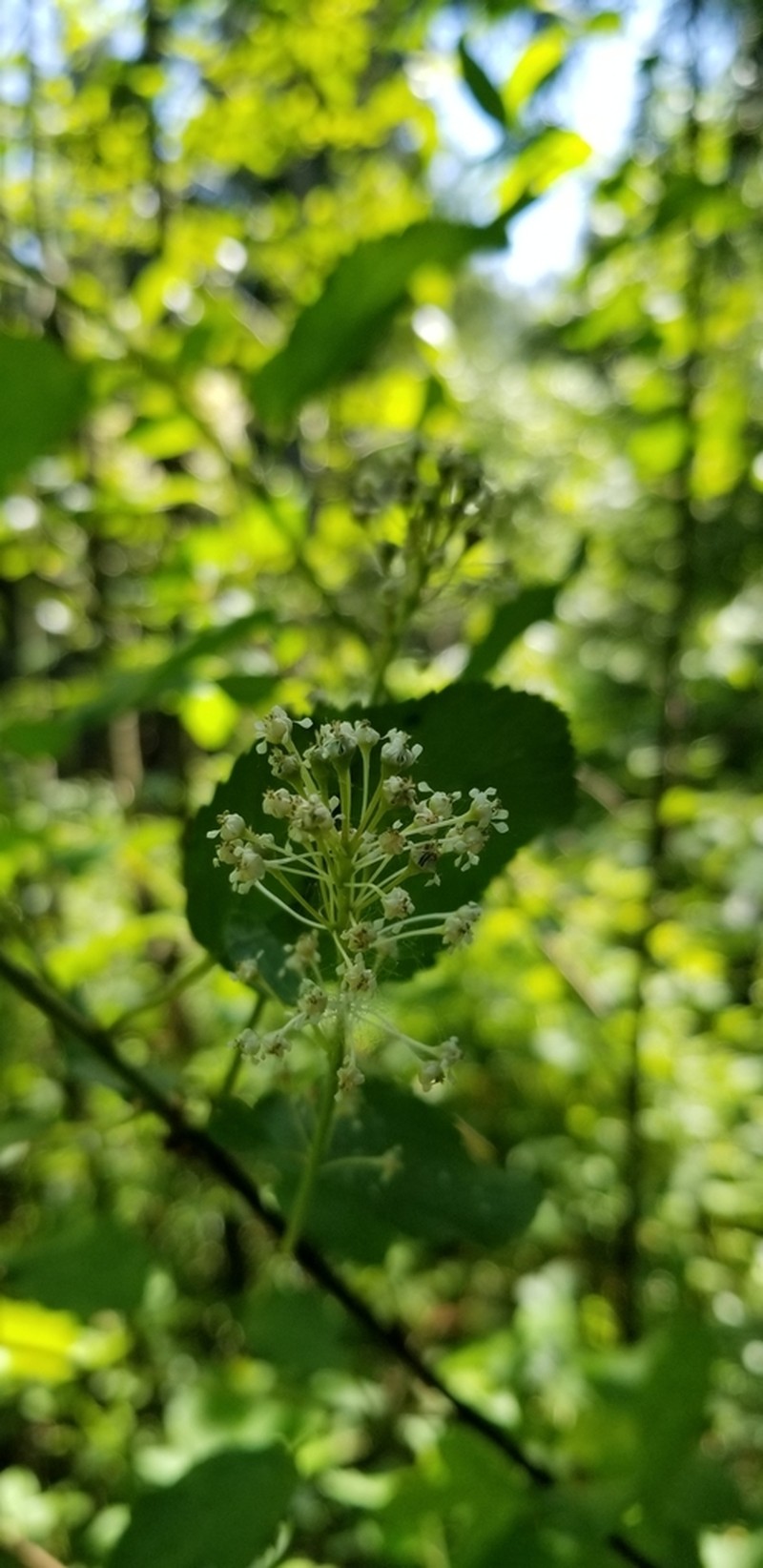
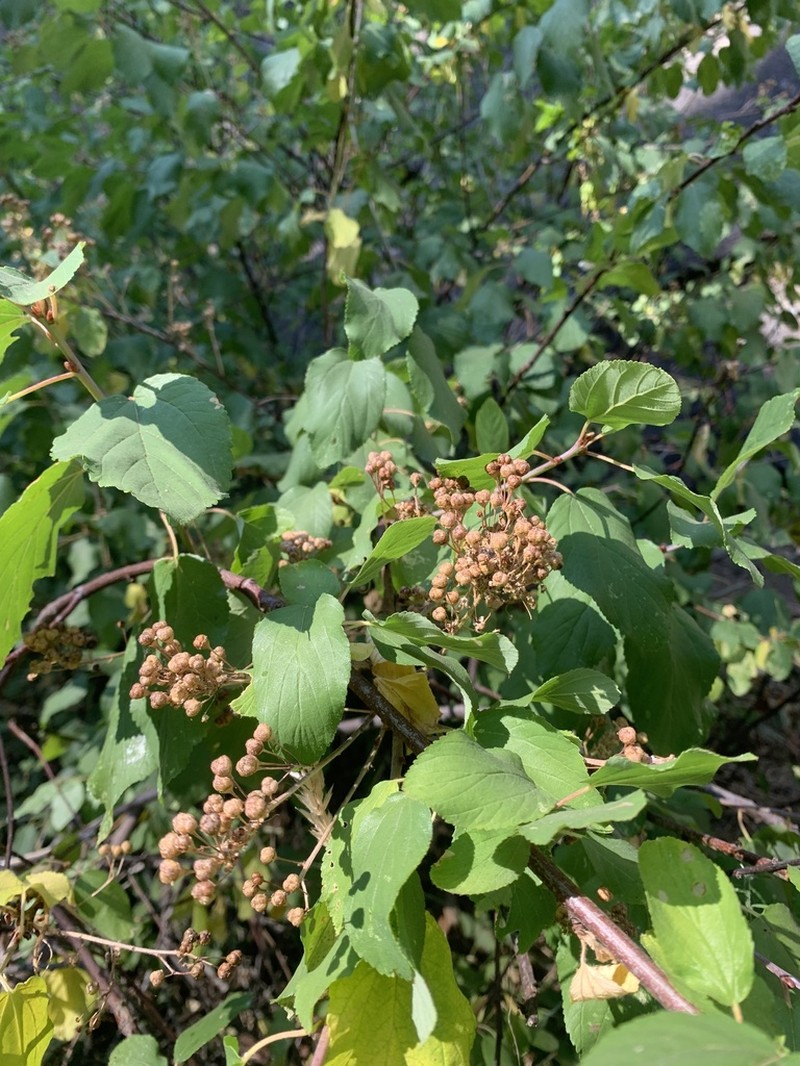
Taxonomy
- Division:
- Magnoliophyta | - Flowering plants
- Family:
- Rhamnaceae
- Genus:
- Ceanothus
- Species:
- Ceanothus sanguineus
- USDA Symbol:
- CESA
Growth Characteristics
- Life Cycle:
- Perennial
- Growth Habit:
- Shrub
- Height:
- 300 cm
- Light Requirements:
- Full Sun,Part Shade,Shade
- Drought Tolerance:
- High
- Bloom Months:
- apr,may,jun
- Bloom Colors:
- white
- Landscaping Shrub:
- Yes
Wildlife Benefits
- Bees:
- ★☆☆☆☆ Documented bee visitation (GBIF)
- Butterflies & Moths:
- ★☆☆☆☆ Documented Lepidoptera association (GBIF)
- Caterpillars:
- ★★☆☆☆ Recorded caterpillar host plant (HOSTS Database)
Keystone Species Ranking
- Caterpillar Keystone:
- ★★★★☆ Butterfly & moth species supported by this genus (NWF)
Host Plant for Caterpillars
Garden & Ecology Notes
- Wildlife Value:
- birds, butterflies, small mammals
- Fragrant:
- Yes
- Fall Color:
- red, orange
- Fire Ecology:
- Fire adapted — tolerates or benefits from fire
- Fire Notes:
- Resprouts from root crown after fire; seeds germinate readily in post-fire conditions.
Soil Requirements
- Soil Type:
- well-drained, rocky or sandy soil
- pH:
- 5.5 - 7.5 (slightly acidic to neutral)
- Drainage:
- excellent drainage required
- Moisture:
- dry to moderate
- Notes:
- prefers open, sunny locations in its native range
Propagation & Germination
- Stratification:
- Cold/moist stratification required — 60–90 days
- Scarification:
- Seed coat scarification required before sowing
- Germination Time:
- 30–60 days
- Notes:
- Seeds require scarification (hot water or mechanical) followed by cold stratification.
Pre-treatment: Cuttings: Cut into 20-30 cm lengths, 1 cm in caliper, treat with 2000 ppm liquid IBA, and struck in mist bed with bottom heat. Seeds: Scarify by hot water at temperatures of 176-194°F for 5-10 seconds, transfer to cold water, imbibe water for 1 day, then cold stratify for 90 days.
Establishment: Cuttings taken in early May had the highest rooting percentages. Roots are susceptible to excessive moisture; cuttings should be uppotted into a well drained media and carefully stored overwinter. Seedlings need excellent drainage, good air flow, and sunlight. Damping off disease and foliar diseases can be a problem with this species. Careful attention to irrigation frequency is needed during the establishment phase and should be done in the early morning so foliage can dry during the day.
Source: npn.rngr.net
Where to Buy
Nationwide Seller
- Native Seed Group (seeds)
- Sheffield's Seed (seeds)