
Blueblossom
Ceanothus thyrsiflorus
- Native to:
- Mexico, United States
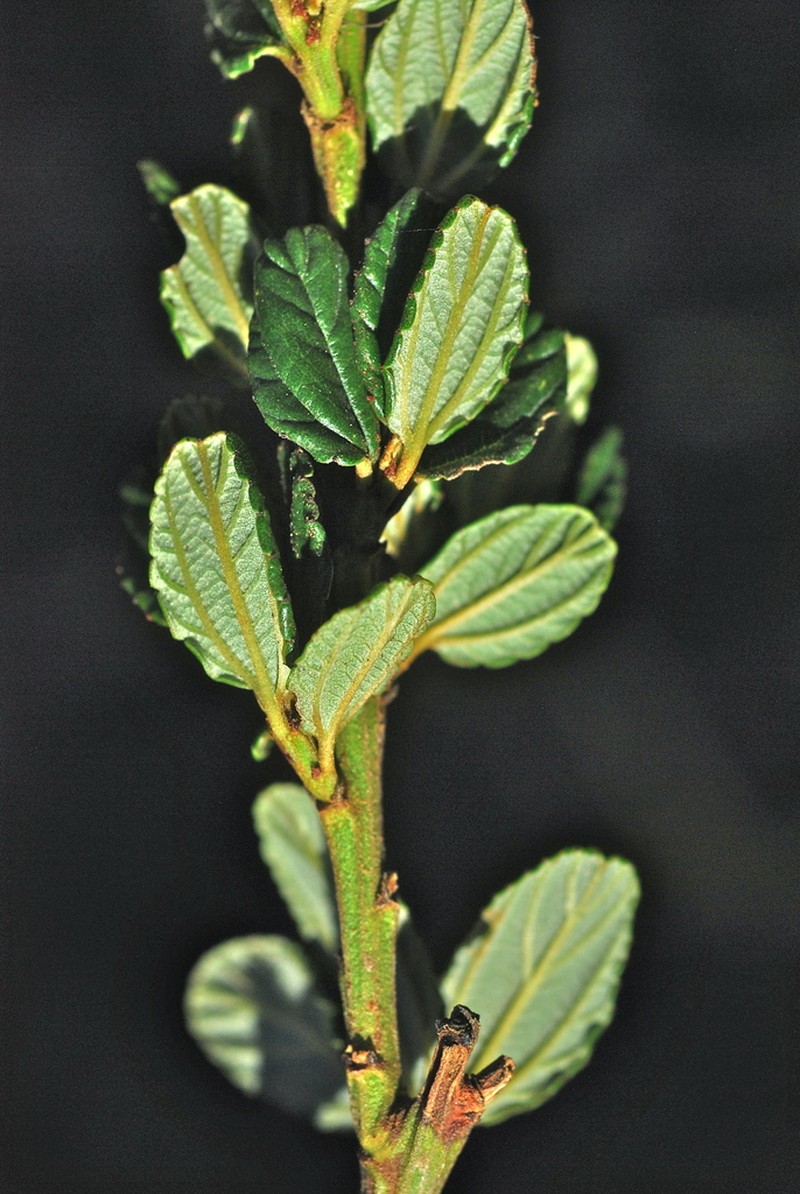
iNaturalist: © jeffbisbee (iNaturalist #69435931)
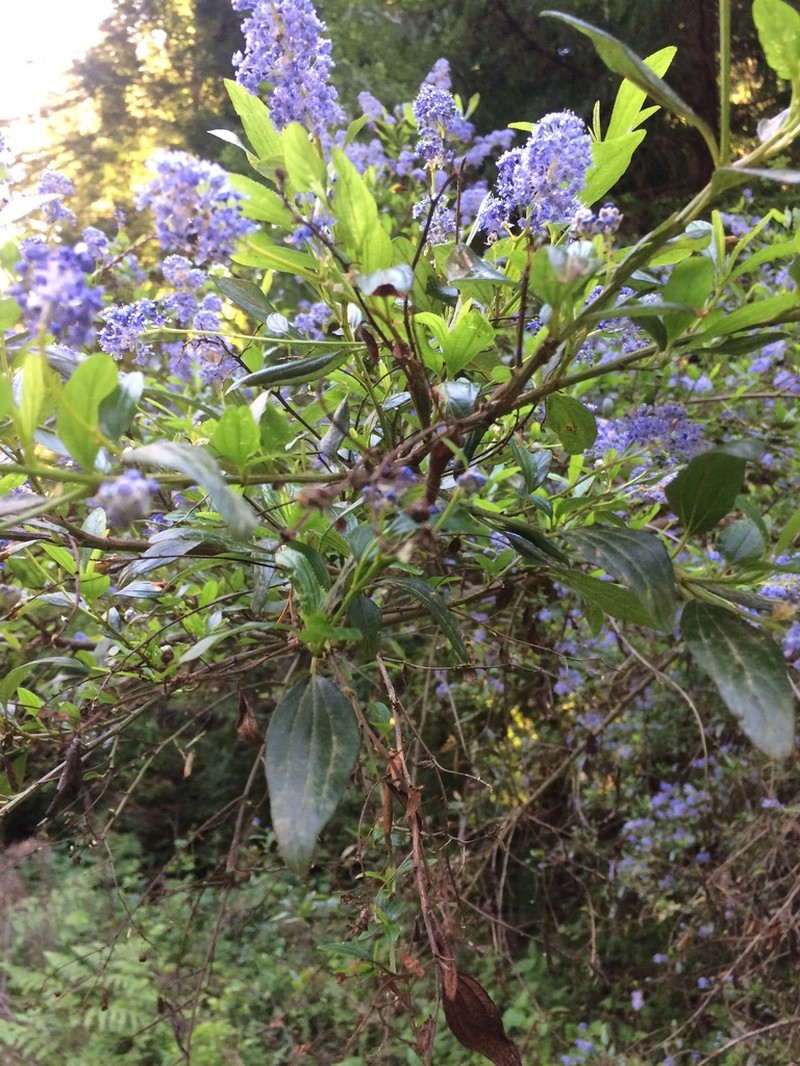
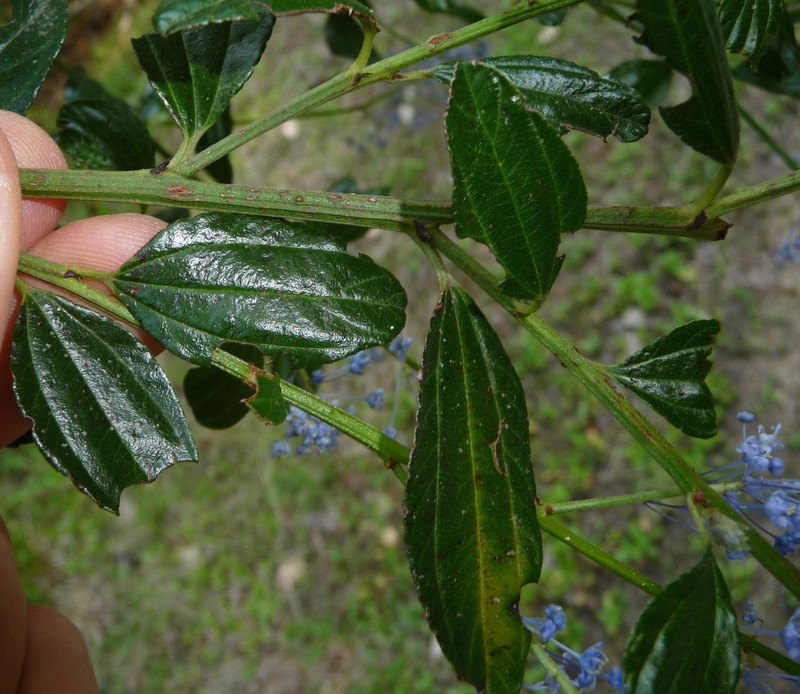
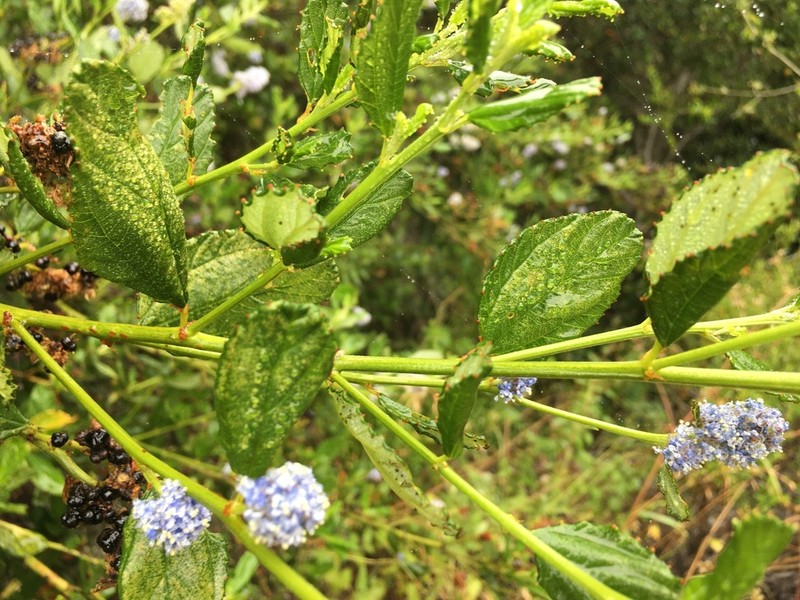
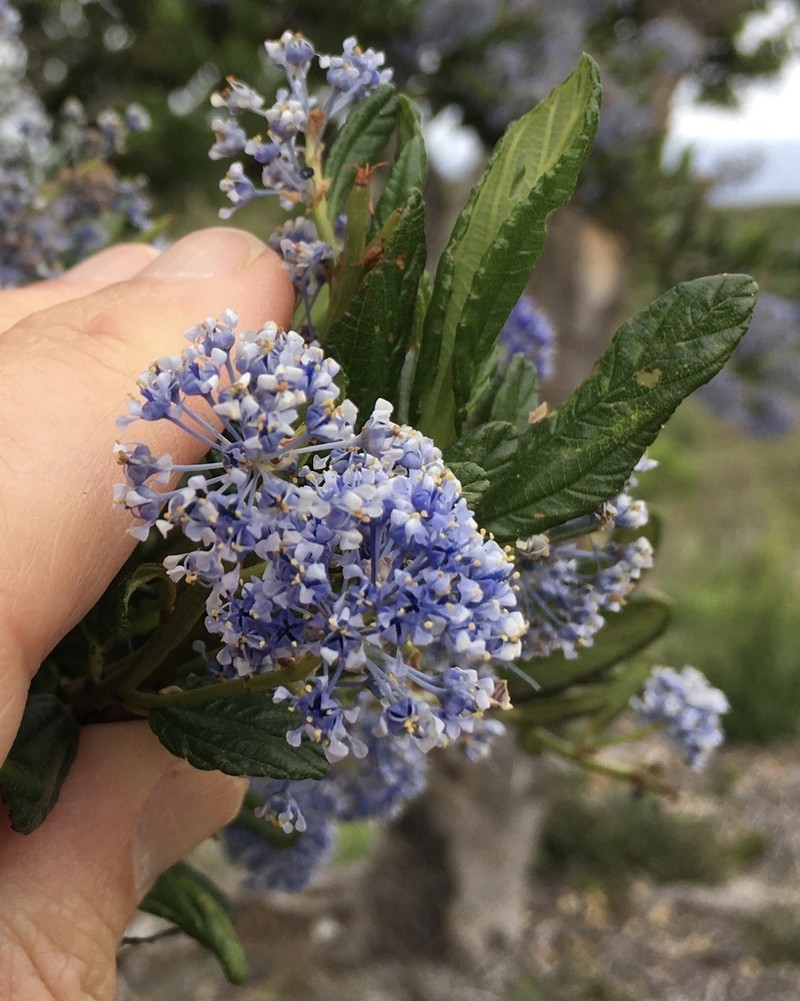
Taxonomy
- Division:
- Magnoliophyta | - Flowering plants
- Family:
- Rhamnaceae
- Genus:
- Ceanothus
- Species:
- Ceanothus thyrsiflorus
- USDA Symbol:
- CETH
Growth Characteristics
- Life Cycle:
- Perennial
- Growth Habit:
- Shrub , Tree
- Height:
- 600 cm
- Light Requirements:
- Part Shade
- Drought Tolerance:
- High
- Bloom Months:
- mar,apr,may,jun
- Bloom Colors:
- blue
- Evergreen Shrub:
- Yes
- Landscaping Shrub:
- Yes
Wildlife Benefits
- Bees:
- ★☆☆☆☆ Documented bee visitation (GBIF)
- Butterflies & Moths:
- ★★★★☆ Documented Lepidoptera association (GBIF)
- Caterpillars:
- ★★★☆☆ Recorded caterpillar host plant (HOSTS Database)
Keystone Species Ranking
- Caterpillar Keystone:
- ★★★★☆ Butterfly & moth species supported by this genus (NWF)
Host Plant for Caterpillars
Acanthopteroctetes unifascia, Acleris hastiana, Ancylis simuloides, Bank's emerald moth (Chlorosea banksaria), Bucculatrix ceanothiella, ceanothus leafminer moth (Tischeria ceanothi), Ceanothus Silkmoth (Hyalophora euryalus), Chionodes ceanothiella, Chionodes occidentella, Drepanulatrix baueraria, Drepanulatrix monicaria, Elegant Sheep Moth (Hemileuca eglanterina), Filatima sp., Holcocera sp. A, orange tortrix moth (Argyrotaenia franciscana), Periploca ceanothiella, Recurvaria ceanothiella, Recurvaria francisca, Saphenista saxicolana, Stigmella ceanothi, Synanthedon mellinipennis, Western tent caterpillar (Malacosoma californica), California tortoiseshell (Nymphalis californica)
Reported Fauna Sightings
Bees: Yellow-faced bumble bee (Bombus vosnesenskii) Moths:Elegant Sheep Moth (Hemileuca eglanterina)
Garden & Ecology Notes
- Wildlife Value:
- birds, butterflies, bees
- Deer Resistant:
- Yes
- Fragrant:
- Yes
- Fire Ecology:
- Fire adapted — tolerates or benefits from fire
- Fire Notes:
- Resprouts from root crown after fire; seeds also germinate in response to heat and smoke.
Soil Requirements
- Soil Type:
- sandy, well-drained, nutrient-poor soil
- pH:
- 5.5 - 7.0 (slightly acidic to neutral)
- Drainage:
- excellent drainage required
- Moisture:
- dry to moderate
- Notes:
- Thrives in coastal and chaparral regions
Propagation & Germination
- Stratification:
- Cold/moist stratification required — 30–60 days
- Scarification:
- Seed coat scarification required before sowing
- Germination Time:
- 30–90 days
- Notes:
- Seeds benefit from scarification (hot water or mechanical) followed by cold stratification.
Pre-treatment: Seeds are either placed in fine mesh bags and allowed to cool overnight at 27 °C (80 °F) before soaking in a 1% hydrogen peroxide solution for 24 hours, or scarified in a hot water bath for 20 minutes and then soaked for 48 hours. Seeds are then placed in cold stratification for 84-90 days.
Establishment: Seeds are collected between June 3rd and June 20th. Seed is very dark brown, almost black at maturity. Transplant survival averages 50%. The plant is found in the coastal range, from Santa Barbara County, California, to southern Oregon.
Source: npn.rngr.net