
Red Mangrove
Rhizophora mangle
- Native to:
- Angola, Aruba, Bahamas, Belize, Benin, Bermuda, Brazil, Cameroon, Cayman Is., Colombia, Costa Rica, Cuba, Dominican Republic, Ecuador, El Salvador, French Guiana, Gabon, Galápagos, Gambia, Guam, Guatemala, Guinea, Guinea-Bissau, Gulf of Guinea Is., Guyana, Haiti, Honduras, Jamaica, Leeward Is., Liberia, Mauritania, Mexico, Netherlands Antilles, Nicaragua, Nigeria, Panamá, Peru, Puerto Rico, Senegal, Sierra Leone, Southwest Caribbean, Suriname, Trinidad-Tobago, Turks-Caicos Is., United States, Venezuela, Venezuelan Antilles, Virgin Islands, Windward Is.
Roger Culos
Taxonomy
- Division:
- Magnoliophyta | - Flowering plants
- Family:
- Rhizophoraceae
- Genus:
- Rhizophora
- Species:
- Rhizophora mangle
- USDA Symbol:
- RHMA2
Growth Characteristics
- Life Cycle:
- Perennial
- Growth Habit:
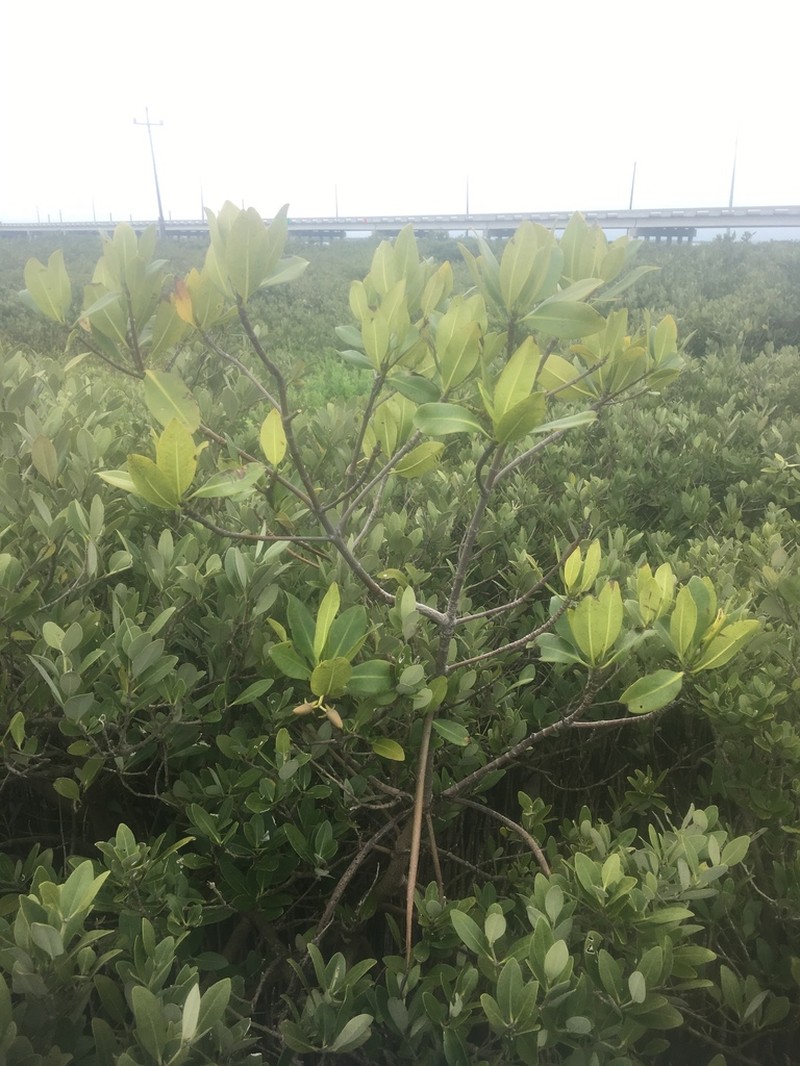
- Shrub , Tree
- Height:
- 1200 cm
- Light Requirements:
- Part Shade
- Drought Tolerance:
- Low
- Bloom Months:
- mar,apr,may,jun,jul
- Bloom Colors:
- yellow
Wildlife Benefits
- Bees:
- ★☆☆☆☆ Documented bee visitation (GBIF)
- Butterflies & Moths:
- ★★☆☆☆ Documented Lepidoptera association (GBIF)
- Caterpillars:
- ★★☆☆☆ Recorded caterpillar host plant (HOSTS Database)
Host Plant for Caterpillars
Abbot's Bagworm Moth (Oiketicus abbotii), Ecdytolopha desotanum, Ecdytolopha punctidiscanum, Io moth (Automeris io), Lintner's gluphisia moth (Gluphisia lintneri), locust twig borer (Ecdytolopha insiticiana), Slosson's roadside skipper (Alarodia slossoniae), Spiny Oak Slug (Euclea delphinii), Mangrove Skipper (Phocides pigmalion)
Reported Fauna Sightings
Moths:Io moth (Automeris io) Butterflies:Phocides batabano
Garden & Ecology Notes
- Wildlife Value:
- birds, fish, crustaceans
- Salt Tolerant:
- Yes
Soil Requirements
- Soil Type:
- muddy, saline, nutrient-rich soil
- pH:
- 5.5 - 7.5 (slightly acidic to neutral)
- Drainage:
- tolerates poor drainage
- Moisture:
- consistently moist
- Notes:
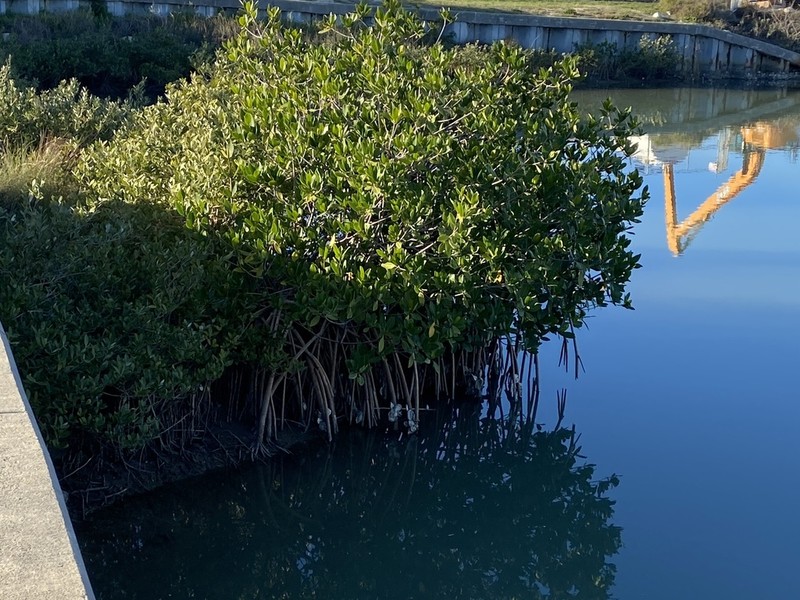
- commonly found in coastal mangrove ecosystems
Propagation & Germination
- Notes:
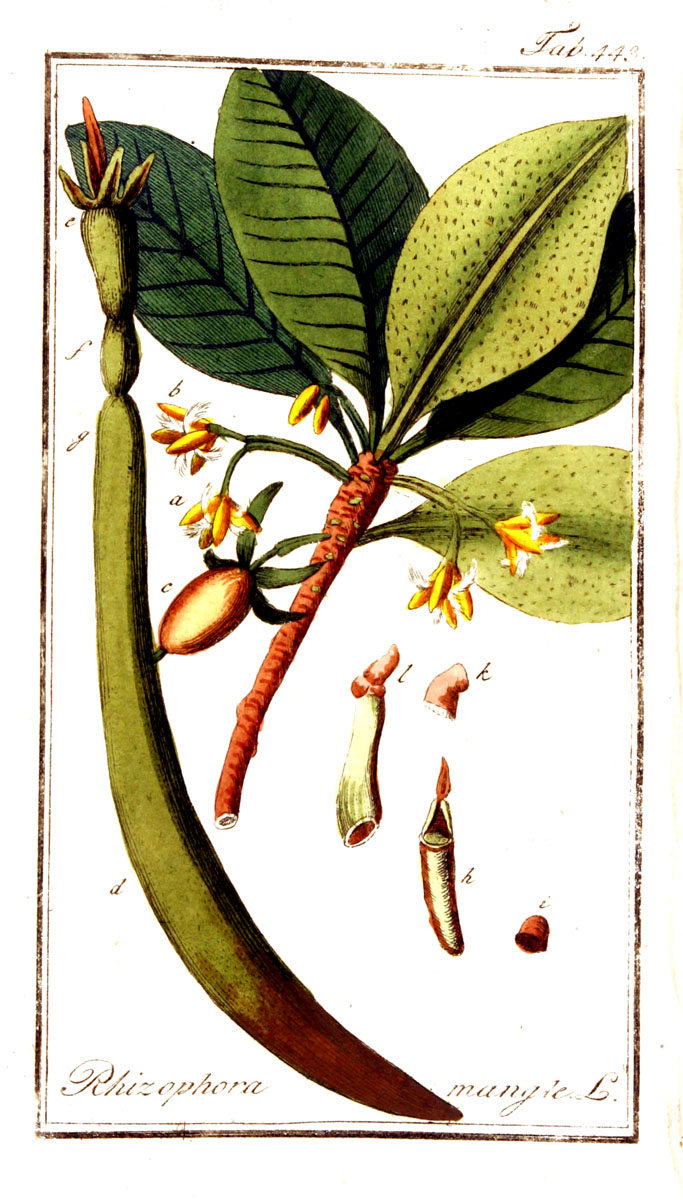
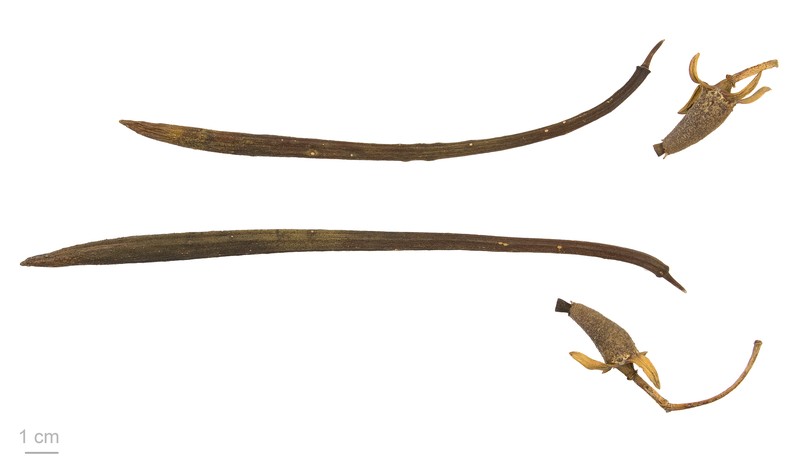
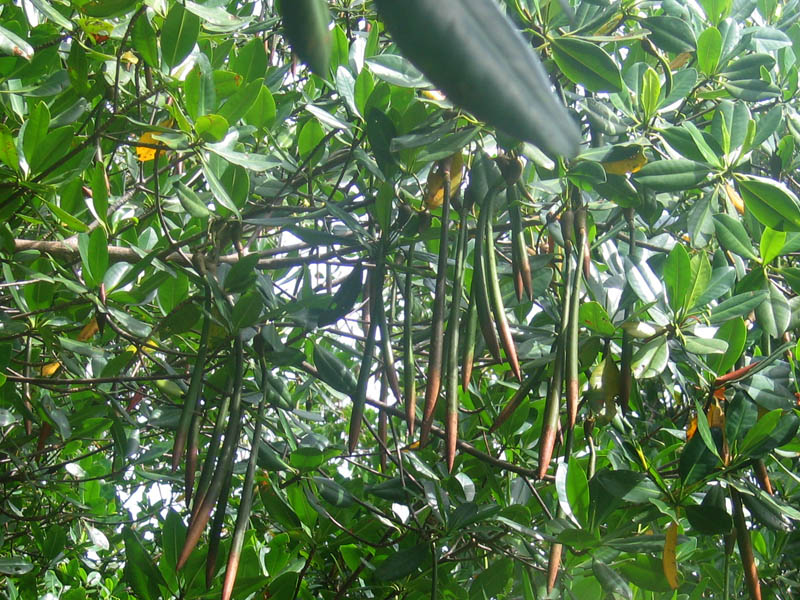
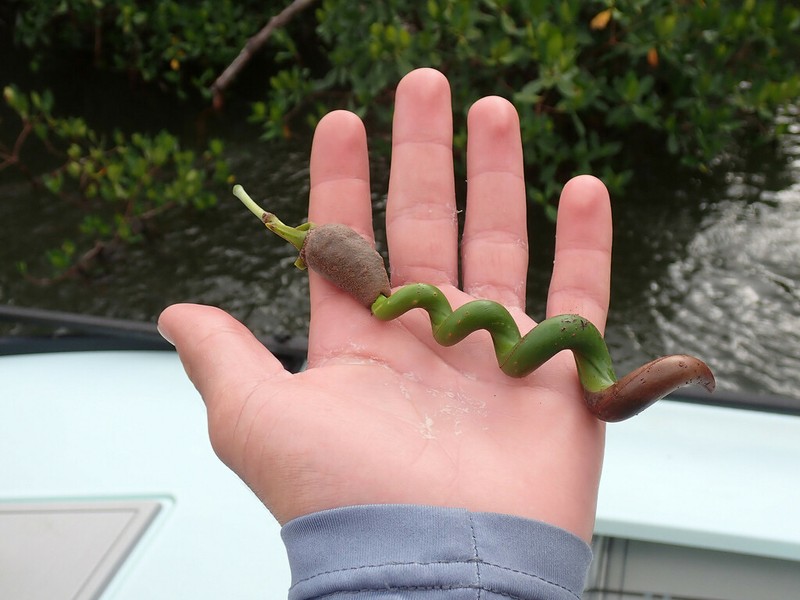
- Viviparous; seeds germinate on the parent tree, producing a propagule that drops and roots in mud.
Pre-treatment: No pretreatment is necessary, although soaking propagules for 2 weeks until root buds develop is a practice for some nurseries.
Establishment: There is debate whether the Pacific Island species is distinct from populations native to both coasts of the Americas from central Florida through the West Indies and from Mexico to northern Peru, and also the coast of West Africa. Within its native range, it is a key species for coastal ecosystems.
Source: npn.rngr.net