
Saskatoon serviceberry
Amelanchier alnifolia
Also known as: Saskatoon serviceberry
- Native to:
- Canada, United States
Lazarus000
Taxonomy
- Division:
- Magnoliophyta | - Flowering plants
- Family:
- Rosaceae
- Genus:
- Amelanchier
- Species:
- Amelanchier alnifolia
- USDA Symbol:
- AMAL2
Growth Characteristics
- Life Cycle:
- Perennial
- Growth Habit:
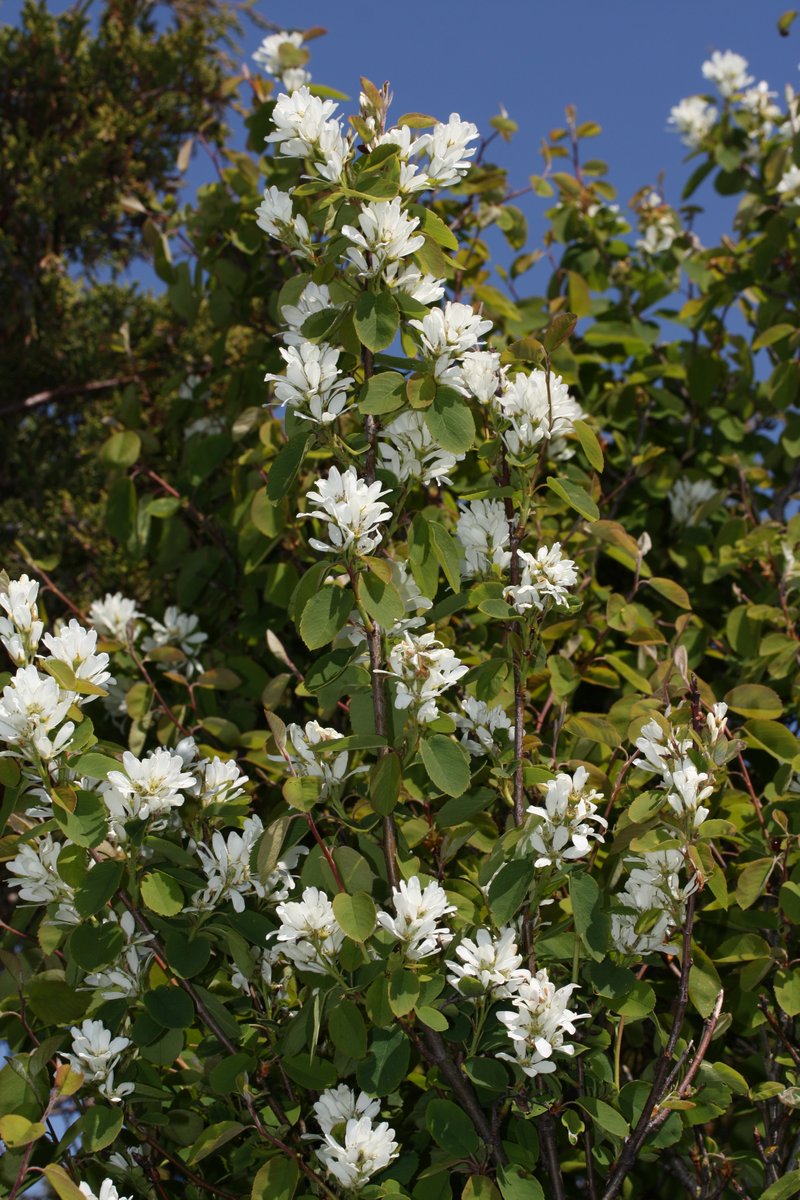
- Shrub , Tree
- Height:
- 600 cm
- Light Requirements:
- Full Sun,Part Shade,Shade
- Drought Tolerance:
- Medium
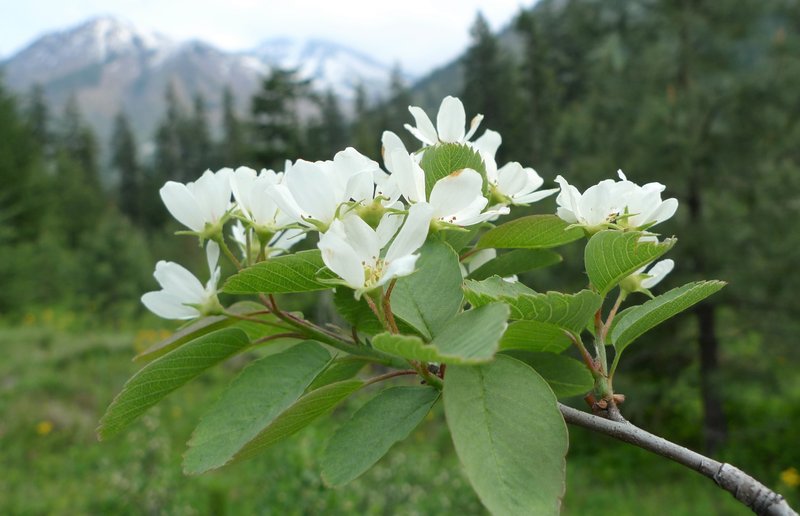
- Bloom Months:
- apr,may
- Bloom Colors:
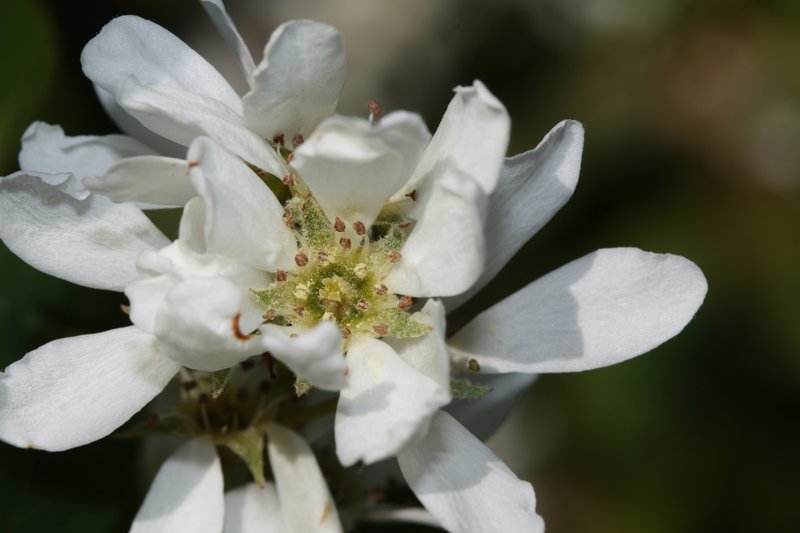
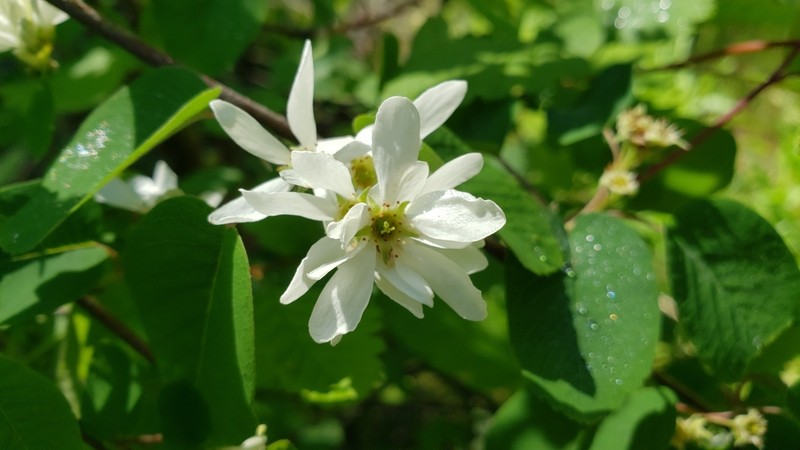
- white
- Food Forest:
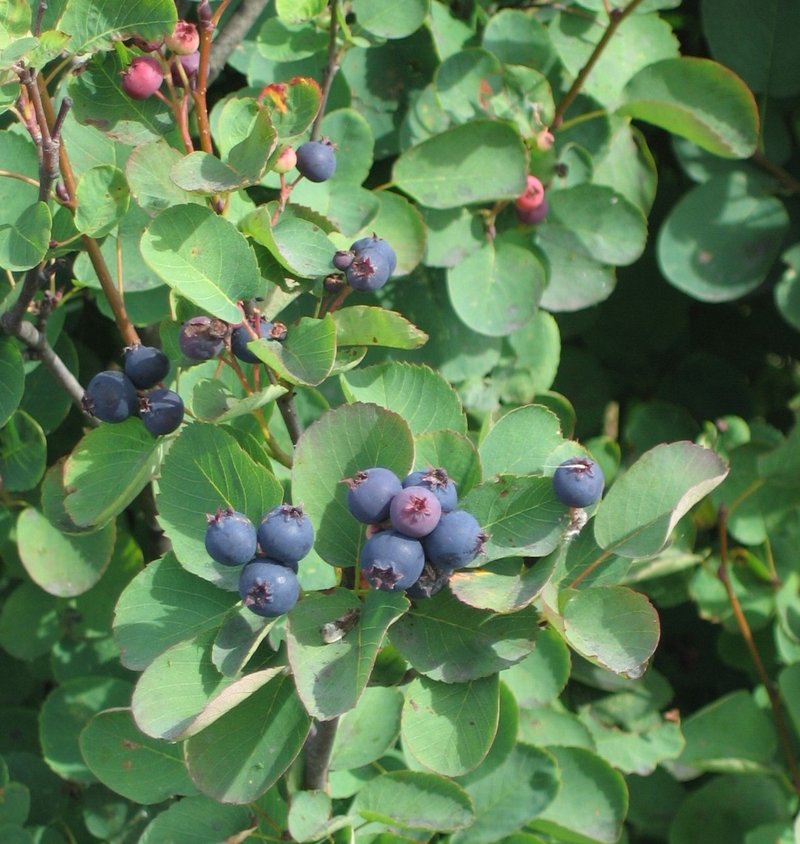
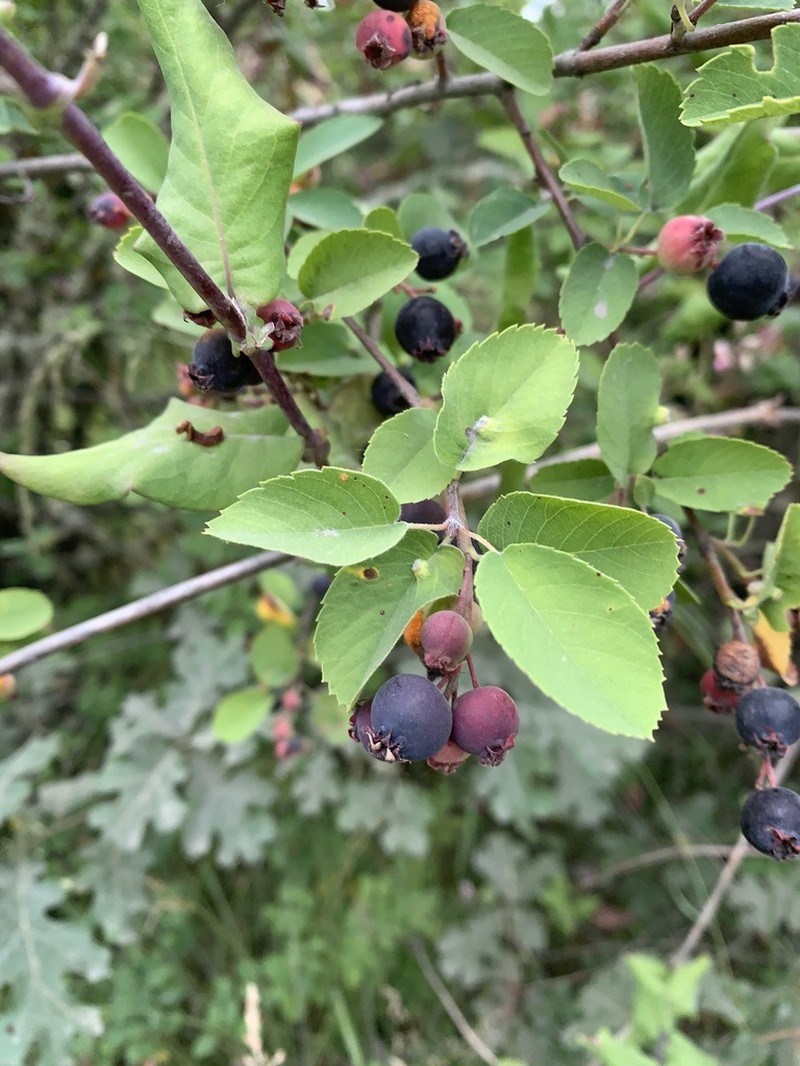
- Contains edible parts
- Landscaping Shrub:
- Yes
Wildlife Benefits
- Bees:
- ★☆☆☆☆ Documented bee visitation (GBIF)
- Butterflies & Moths:
- ★★☆☆☆ Documented Lepidoptera association (GBIF)
- Caterpillars:
- ★★★★☆ Recorded caterpillar host plant (HOSTS Database)
Keystone Species Ranking
- Caterpillar Keystone:
- ★★★★☆ Butterfly & moth species supported by this genus (NWF)
Host Plant for Caterpillars
Garden & Ecology Notes
- Wildlife Value:
- birds, butterflies, small mammals
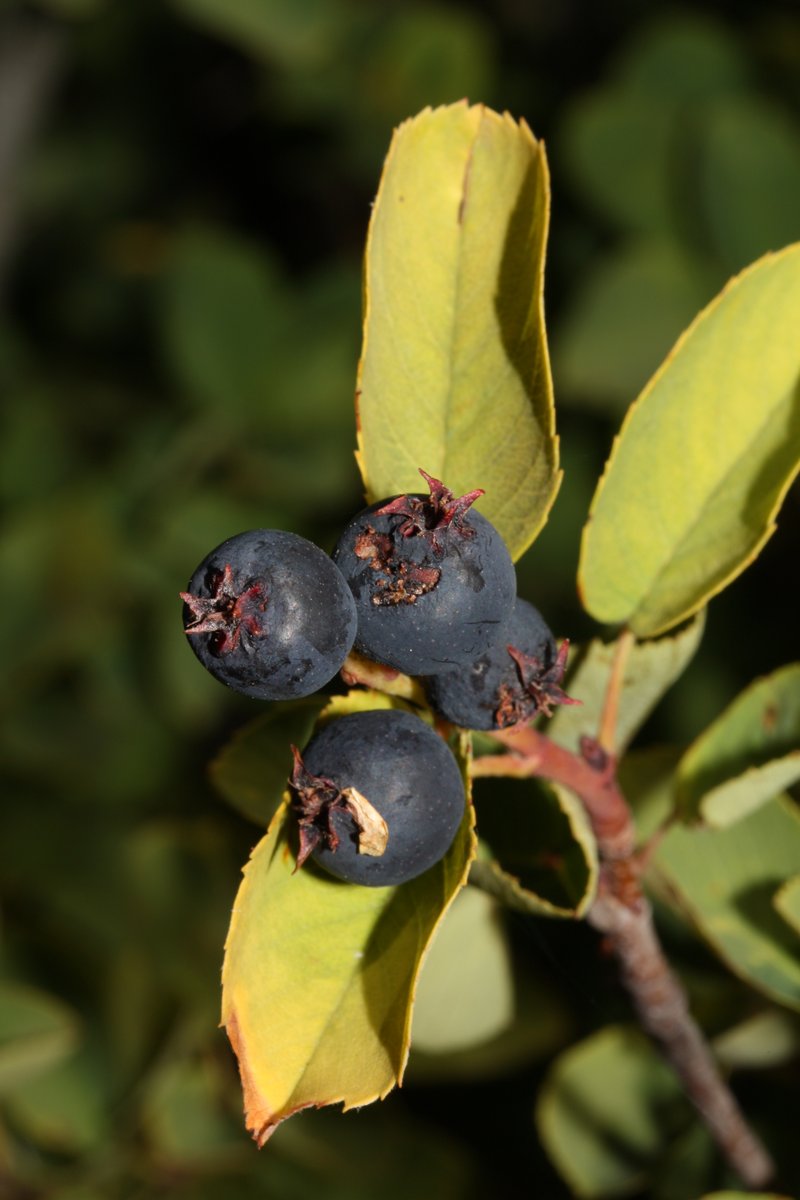
- Fall Color:
- yellow, orange, red
- Fire Ecology:
- Fire adapted — tolerates or benefits from fire
- Fire Notes:
- Amelanchier alnifolia resprouts from root crowns after fire; fire can stimulate seed germination.
Soil Requirements
- Soil Type:
- rich, well-drained loamy soil
- pH:
- 5.5 - 7.5 (slightly acidic to neutral)
- Drainage:
- excellent drainage required
- Moisture:
- dry to moderate
- Notes:
- Prefers soils with good organic content
Propagation & Germination
- Stratification:
- Cold/moist stratification required — 90–120 days
- Germination Time:
- 30–60 days
- Notes:
- Seeds require cold stratification for 90-120 days to break dormancy; germination occurs in spring.
Pre-treatment: Seeds are soaked in a 3:1 water/3% hydrogen peroxide solution for 10 minutes, followed by a 48-hour running water rinse. Seeds are then placed in cold, moist stratification for 120 days at 1 to 3C in fine mesh bags buried in milled sphagnum peat moss in a ventilated container. Stratified seeds are washed weekly to remove mucilaginous material.
Establishment: There are variations in the pre-treatment protocol, with some suggesting a hydrogen peroxide rinse and others a simple water soak. The germination rate varies widely, from as low as 22% to as high as 90%. Some protocols suggest using semi-hardwood stem cuttings, but these have a lower germination rate.
Source: npn.rngr.net
Where to Buy
Nationwide Seller
- Sheffield's Seed (seeds)