
Common Serviceberry
Amelanchier arborea
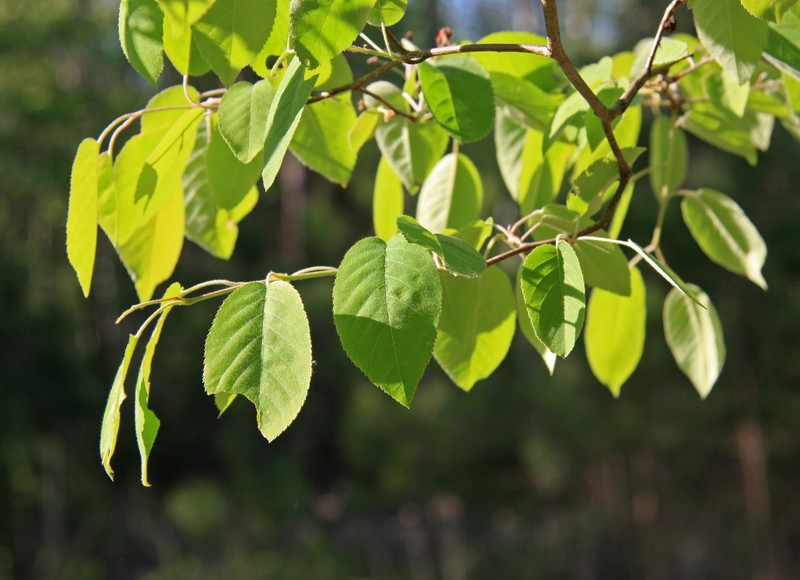
Taxonomy
- Division:
- Magnoliophyta | - Flowering plants
- Family:
- Rosaceae
- Genus:
- Amelanchier
- Species:
- Amelanchier arborea
Growth Characteristics
- Life Cycle:
- Perennial
- Growth Habit:
- Shrub , Tree
- Height:
- 20-40 ft
- Light Requirements:
- Full Sun
- Drought Tolerance:
- High
- Bloom Months:
- mar, apr, may, sep, oct, nov
- Bloom Colors:
- orange, red, white, yellow
- Food Forest:
- Plant contains edible parts
Keystone Species Ranking
- Caterpillar Keystone:
- ★★☆☆☆ Based on number of butterfly and moth species using this genus as host plant (Source: National Wildlife Federation)
Host Plant for Caterpillars
Bethune's Pinion (Lithophane bethunei), Peach tree borer (Synanthedon exitiosa), Three-spotted sallow (Eupsilia tristigmata), Tischeria amelanchieris, wheatear sallow (Lithophane fagina), White-dotted Prominent (Nadata gibbosa)
Soil Requirements
- Soil Type:
- rich, well-drained loamy soil
- pH:
- 5.5 - 7.5 (slightly acidic to neutral)
- Drainage:
- excellent drainage required
- Moisture:
- consistently moist
- Notes:
- prefers forest edges and open woodlands
Germination Information
Pre-treatment: Seed embryo dormancy is overcome by cold, moist stratification. Seed is sown in outdoor beds in the fall after cleaning to allow for natural stratification.
Establishment: Seeds are collected soon after ripening (between May 22 and June 27 in Cumberland Gap.) Collectors must compete with wildlife which will devour fruits as soon as they ripen. The plant is generally distributed in dry rocky upland woods, Maine and New Brunswick and s. Quebec to sw. Ontario and Minnesota, s. to Georgia, nw. Florida, Louisiana and e. Oklahoma.
Source: npn.rngr.net