
Canadian Serviceberry
Amelanchier canadensis
- Native to:
- Canada, Prince Edward I., United States, Virgin Islands
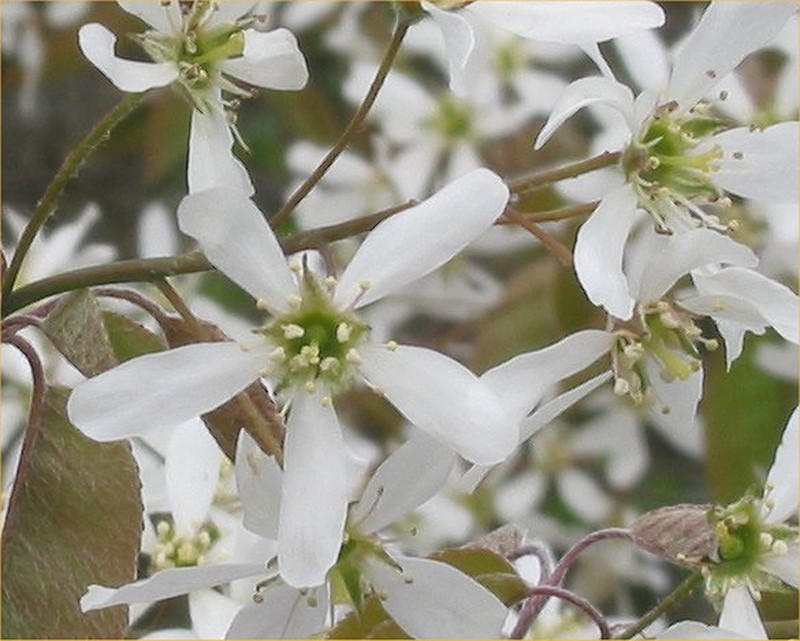
Rasbak
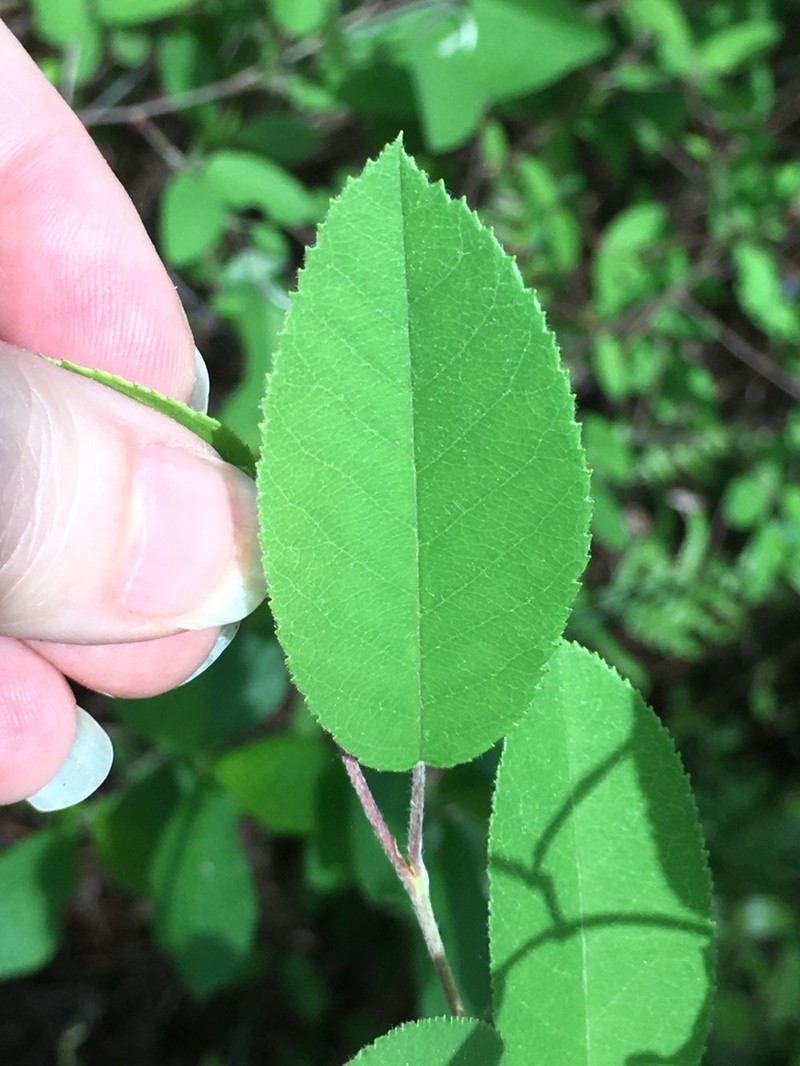
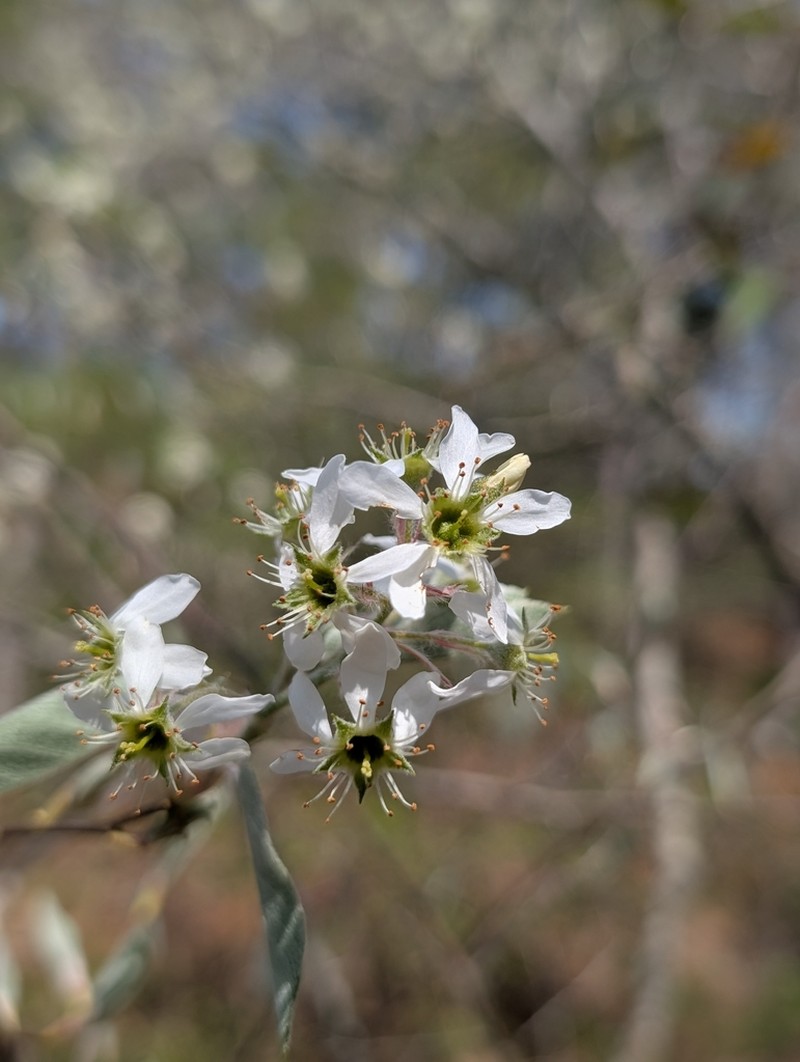
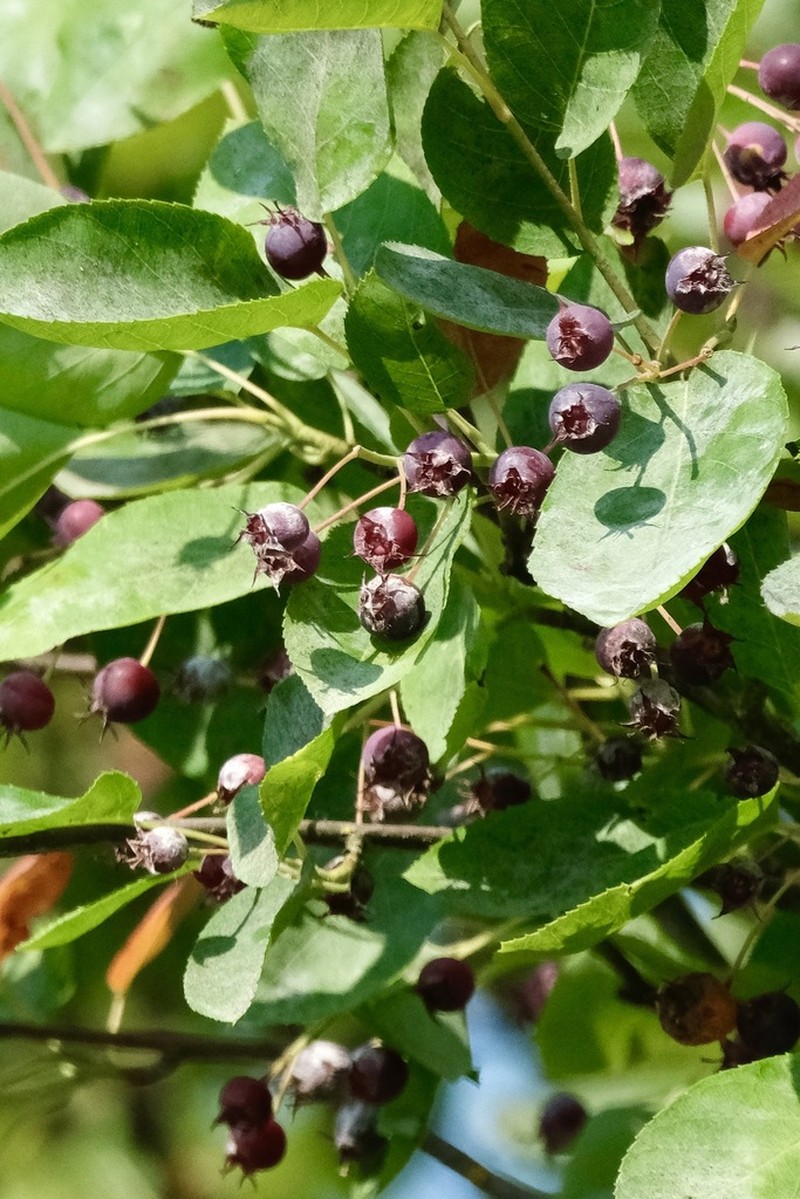
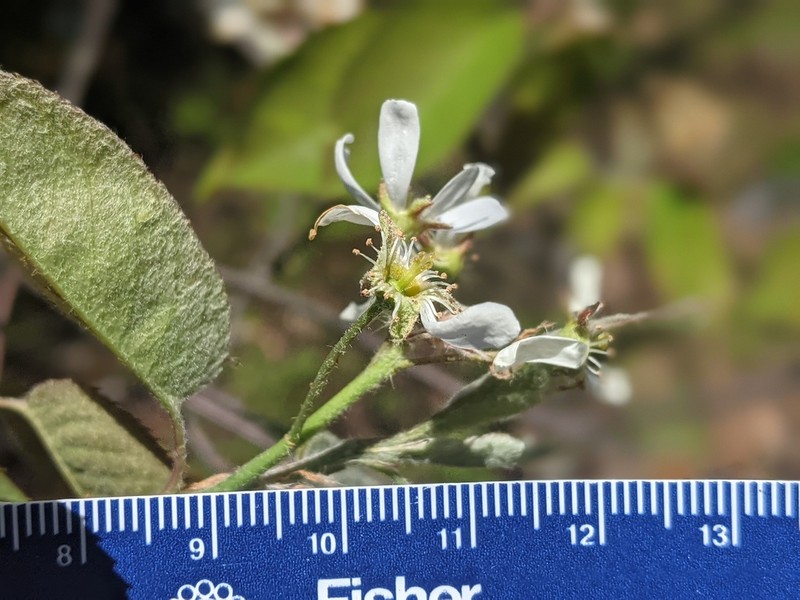
Taxonomy
- Division:
- Magnoliophyta | - Flowering plants
- Family:
- Rosaceae
- Genus:
- Amelanchier
- Species:
- Amelanchier canadensis
- USDA Symbol:
- AMCA4
Growth Characteristics
- Life Cycle:
- Perennial
- Growth Habit:
- Shrub , Tree
- Height:
- 900 cm
- Light Requirements:
- Full Sun,Part Shade,Shade
- Drought Tolerance:
- Low
- Bloom Months:
- mar,apr,may
- Bloom Colors:
- white
- Landscaping Shrub:
- Yes
Wildlife Benefits
- Butterflies & Moths:
- ★☆☆☆☆ Documented Lepidoptera association (GBIF)
- Caterpillars:
- ★★★☆☆ Recorded caterpillar host plant (HOSTS Database)
- Hummingbirds:
- ★☆☆☆☆ Documented hummingbird visits (GBIF)
Keystone Species Ranking
- Caterpillar Keystone:
- ★★★★☆ Butterfly & moth species supported by this genus (NWF)
Host Plant for Caterpillars
Acronicta superans, American Dagger Moth (Acronicta americana), Apamea alia, Banded Tussock Moth (Halysidota tessellaris), Barnes' dart moth (Abagrotis barnesi), Cecropia moth (Hyalophora cecropia), common eupithecia (Eupithecia miserulata), crispate flannel moth (Megalopyge crispata), Eastern Tent Caterpillar (Malacosoma americana), elm spanworm moth (Ennomos subsignaria), Fall webworm (Hyphantria cunea), hag moth (Phobetron pithecium), lesser peachtree borer (Synanthedon pictipes), Malana balsa moth (Balsa malana), mottled gray carpet moth (Cladara limitaria), Parornix quadripunctella, pear clearwing moth (Synanthedon pyri), Phyllonorycter crataegella, Polyphemus moth (Antheraea polyphemus), Pseudotelphusa amelanchierella, Stigmella amelanchierella, Stigmella chalybeia, White-marked Tussock Moth (Orgyia leucostigma), Eastern Tiger Swallowtail (Papilio glaucus), Striped Hairstreak (Satyrium liparops)
Reported Fauna Sightings
Hummingbirds: Ruby-throated Hummingbird (Archilochus colubris)
Garden & Ecology Notes
- Wildlife Value:
- birds, butterflies, small mammals
- Fall Color:
- yellow, orange, red
Soil Requirements
- Soil Type:
- rich, well-drained loamy soil
- pH:
- 5.0 - 7.0 (slightly acidic to neutral)
- Drainage:
- excellent drainage required
- Moisture:
- consistently moist
- Notes:
- prefers moist, fertile soils in its native range
Propagation & Germination
- Stratification:
- Cold/moist stratification required — 90–120 days
- Germination Time:
- 30–60 days
- Notes:
- Seeds require cold stratification for 90-120 days to break dormancy.
Pre-treatment: Seeds are cold stratified for 90 to 120 days
Source: npn.rngr.net
ORGHPS Germination Guide: 20°x 4 weeks, then L
Where to Buy
Nationwide Seller
- Native Plants Nursery (nursery)
- Prairie Moon Nursery (nursery and seeds)
- Sheffield's Seed (seeds)