
Pale Serviceberry
Amelanchier pallida
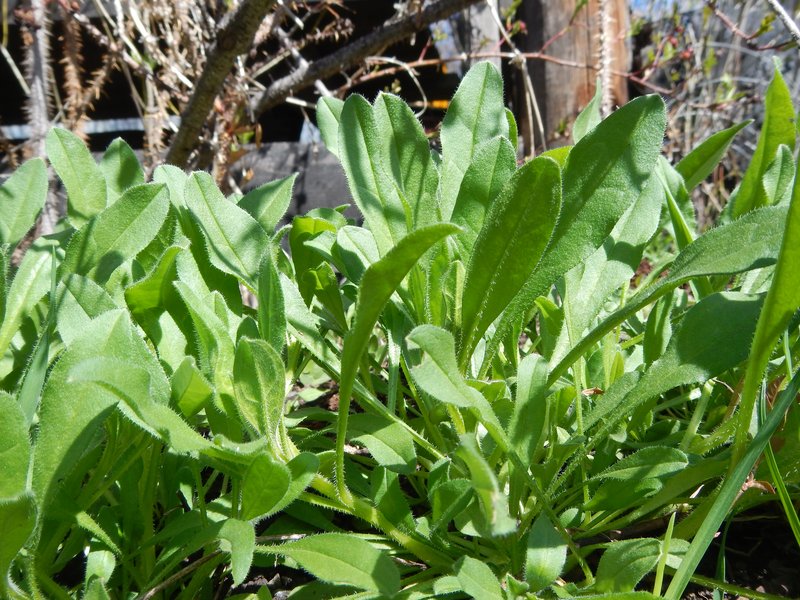
Matt Lavin
Taxonomy
- Division:
- Magnoliophyta | - Flowering plants
- Family:
- Rosaceae
- Genus:
- Amelanchier
- Species:
- Amelanchier pallida
Growth Characteristics
- Life Cycle:
- Perennial
- Growth Habit:
- Shrub , Tree
- Height:
- 20-40 ft
- Light Requirements:
- Full Sun
- Drought Tolerance:
- High
- Bloom Months:
- apr, may, jun
- Bloom Colors:
- White
- Food Forest:
- Plant contains edible parts
- Landscaping Shrub:
- Yes
Native Range
United States: California, Idaho, Nevada, Oregon, Washington
Keystone Species Ranking
- Caterpillar Keystone:
- ★★☆☆☆ Based on number of butterfly and moth species using this genus as host plant (Source: National Wildlife Federation)
Host Plant for Caterpillars
Acerra normalis, Acronicta perdita, Agrochola pulchella, American Swordgrass Moth (Xylena nupera), Ancylis apicana, Ancylis fuscociliana, Aristotelia amelanchierella, Banded Tussock Moth (Halysidota tessellaris), Blinded Sphinx (Paonias excaecata), Ceanothus Silkmoth (Hyalophora euryalus), Ceranemota fasciata, cymatophoroides false owlet moth (Pseudothyatira cymatophoroides), Dark-spotted Palthis (Palthis angulalis), Dimorphic Euchlaena Moth (Euchlaena mollisaria), dimorphic pinion (Lithophane patefacta), Egira hiemalis, Elegant Sheep Moth (Hemileuca eglanterina), false pinion (Litholomia napaea), Filatima frugalis, Forest Tent Caterpillar (Malacosoma disstria), Forked Euchlaena Moth (Euchlaena tigrinaria), four-banded leafroller (Argyrotaenia quadrifasciana), fragile dagger moth (Acronicta fragilis), friendly probole (Probole amicaria), gray swordgrass (Xylena cineritia), Gypsy moth (Lymantria dispar), hibiscus Quaker (Orthosia hibisci), Hyppa xylinoides, large looper moth (Autographa ampla), Lesser Peachtree Borer (Grapholita prunivora), Linden looper (Erannis tiliaria), Lycia rachelae, Mesothea incertata, Morning-glory prominent moth (Schizura ipomoeae), mottled gray carpet moth (Cladara limitaria), Pale beauty (Campaea perlata), Pale Oligocentria (Oligocentria pallida), Parornix alta, Peppered Moth (Biston betularia), Polia detracta, Pseudorthodes irrorata, Purple Arches (Agrochola purpurea), Radcliffe's dagger moth (Acronicta radcliffei), Red-washed Prominent (Oligocentria semirufescens), Rusty Tussock Moth (Orgyia antiqua), Setagrotis pallidicollis, Spilosoma pteridis, Spotted Tussock Moth (Lophocampa maculata), Stigmella taeniola, Syngrapha epigaea, Three-spotted sallow (Eupsilia tristigmata), Unicorn caterpillar moth (Schizura unicornis), Variegated cutworm (Peridroma saucia), Western tent caterpillar (Malacosoma californica), western winter moth (Operophtera occidentalis), white triangle tortrix (Clepsis persicana), White-dotted Prominent (Nadata gibbosa), California hairstreak (Satyrium californicum), Pale Swallowtail (Papilio eurymedon), Weidemeyer's Admiral (Basilarchia weidemeyerii)
Soil Requirements
- Soil Type:
- well-drained sandy or loamy soil
- pH:
- 6.0 - 7.5 (slightly acidic to neutral)
- Drainage:
- excellent drainage required
- Moisture:
- dry to moderate
- Notes:
- prefers open, sunny locations
Germination Information
Pre-treatment: Cold-moist stratification for 30 days at 1–5°C (34–41°F).; then Cold-moist stratification for 60 days.
Notes: Seeds may require light for optimal germination.
Source: OpenAI GPT-4o