
Curl-Leaf Mountain Mahogany
Cercocarpus ledifolius
- Native to:
- Mexico, United States
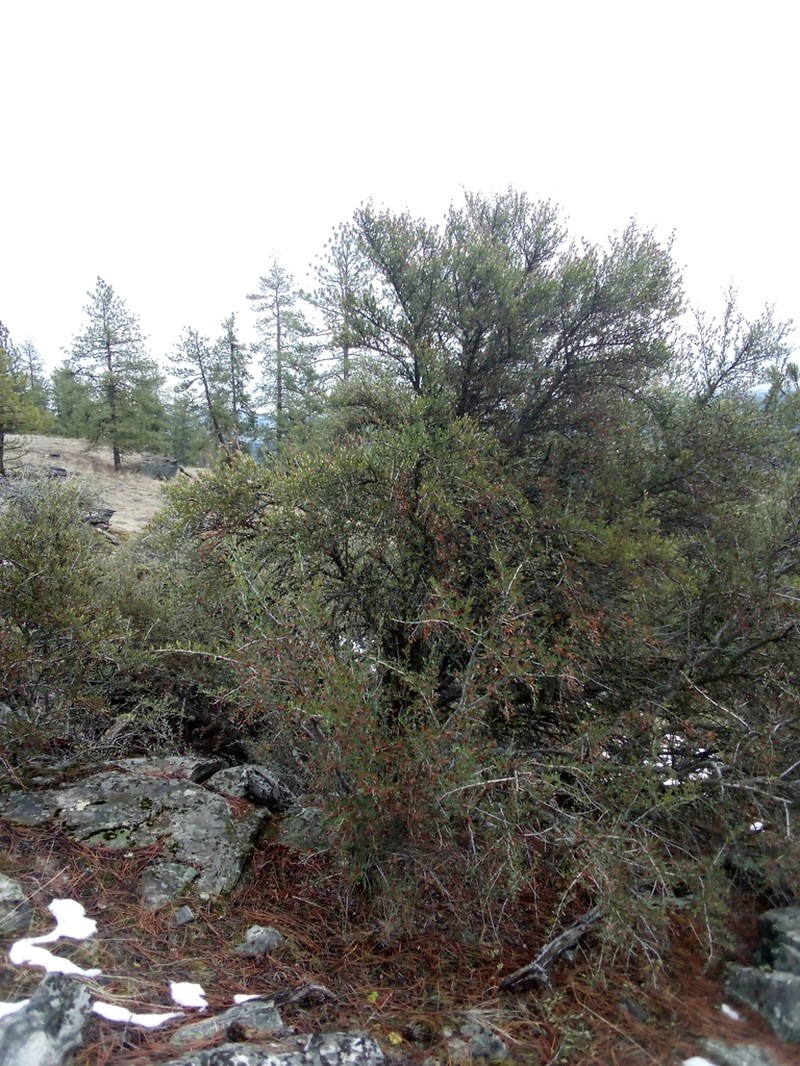
iNaturalist: © kylechamberlain (iNaturalist #256925583)
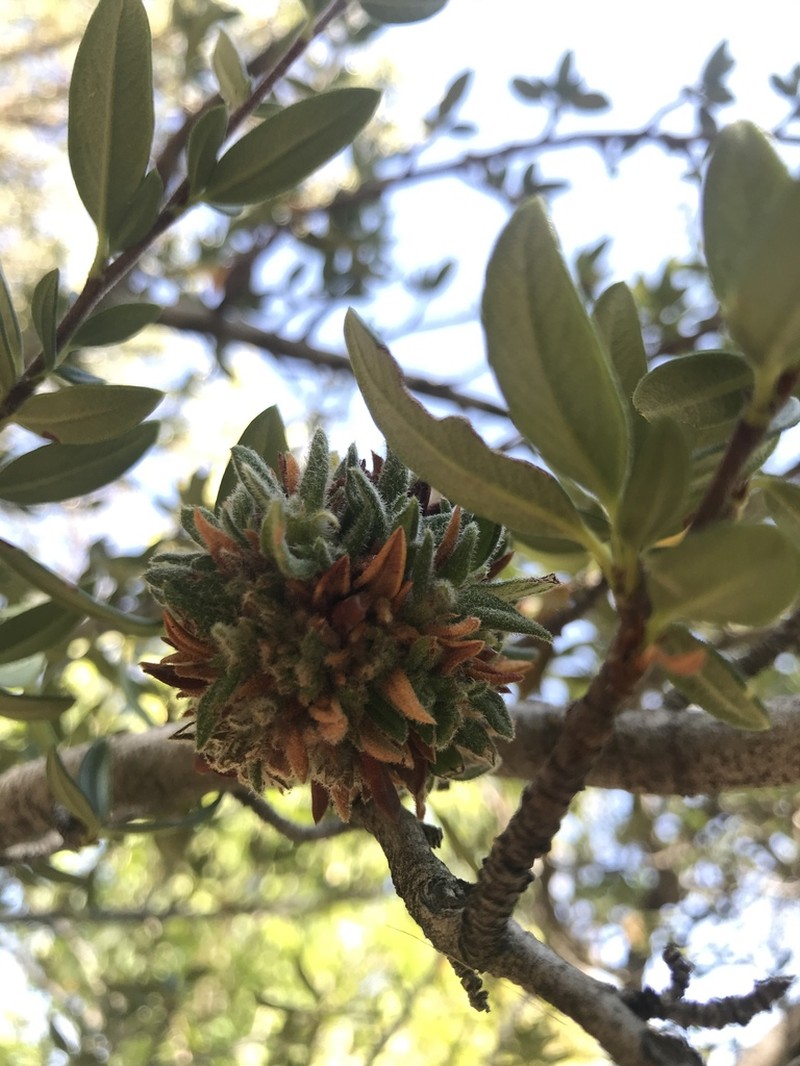
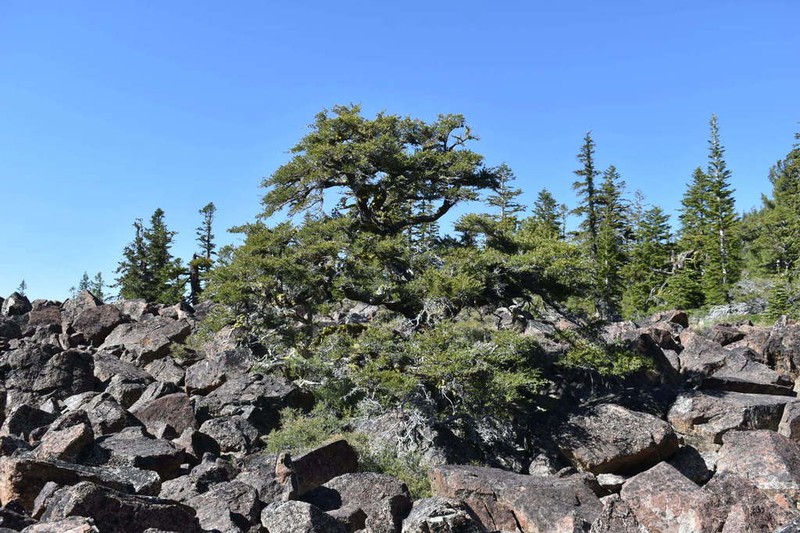
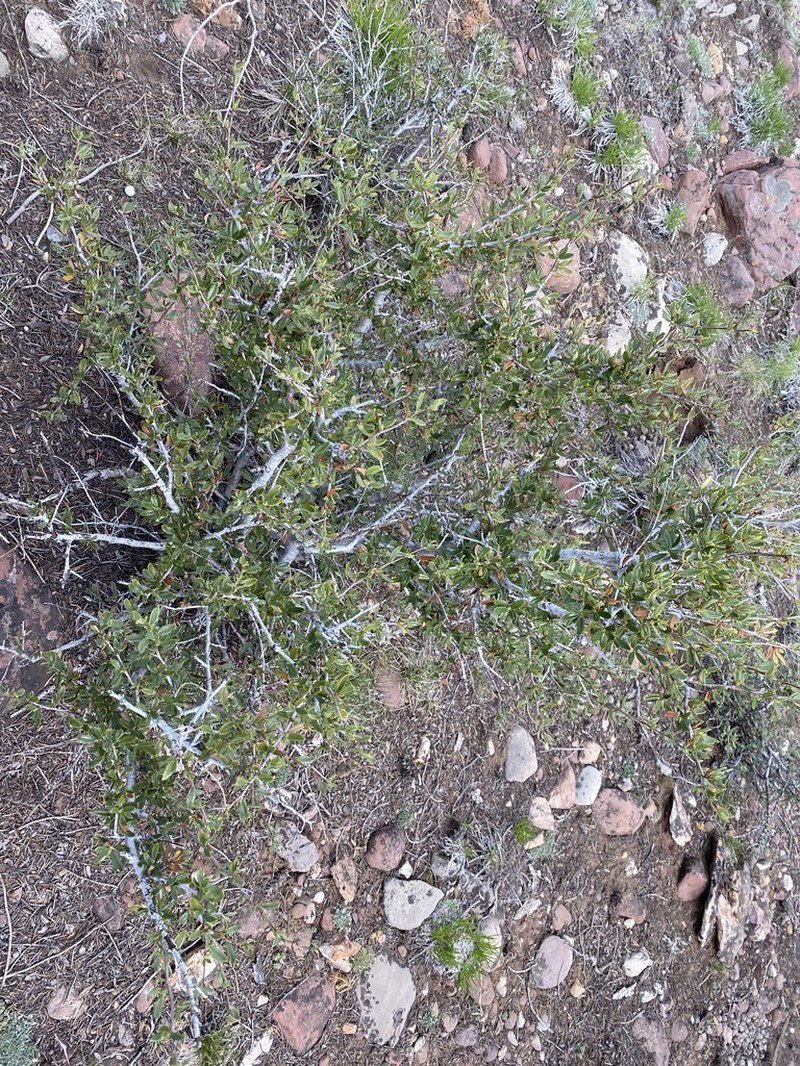
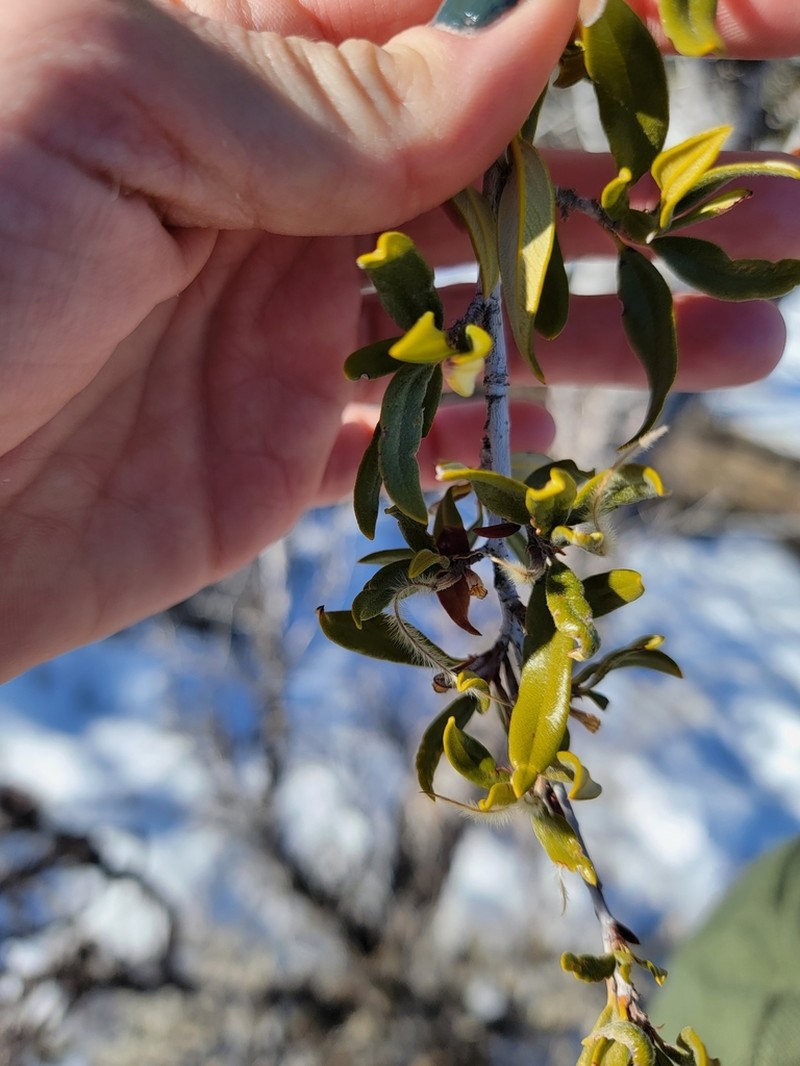
Taxonomy
- Division:
- Magnoliophyta | - Flowering plants
- Family:
- Rosaceae
- Genus:
- Cercocarpus
- Species:
- Cercocarpus ledifolius
- USDA Symbol:
- CELE3
Growth Characteristics
- Life Cycle:
- Perennial
- Growth Habit:
- Shrub , Tree
- Height:
- 914 cm
- Light Requirements:
- Part Shade
- Drought Tolerance:
- High
- Bloom Months:
- apr,may
- Bloom Colors:
- yellowish-green
- Evergreen Shrub:
- Yes
- Landscaping Shrub:
- Yes
Wildlife Benefits
- Bees:
- ★☆☆☆☆ Documented bee visitation (GBIF)
- Butterflies & Moths:
- ★★★★★ Documented Lepidoptera association (GBIF)
- Caterpillars:
- ★★☆☆☆ Recorded caterpillar host plant (HOSTS Database)
Host Plant for Caterpillars
Acleris foliana, curl-leaf mountain mahogany leafminer (Coptodisca cercocarpella), Ethmia discostrigella, Evippe abdita, short-lined angle (Anacamptodes clivinaria), Western tent caterpillar (Malacosoma californica)
Reported Fauna Sightings
Moths:Ethmia discostrigella
Garden & Ecology Notes
- Wildlife Value:
- birds, small mammals
- Deer Resistant:
- Yes
- Fire Ecology:
- Fire adapted — tolerates or benefits from fire
- Fire Notes:
- Resprouts from root crown after fire; seeds also germinate well on burned sites.
Soil Requirements
- Soil Type:
- rocky, well-drained, nutrient-poor soil
- pH:
- 6.0 - 8.0 (neutral to slightly alkaline)
- Drainage:
- excellent drainage required
- Moisture:
- dry to moderate
- Notes:
- commonly found in arid, mountainous regions
Propagation & Germination
- Stratification:
- Cold/moist stratification required — 60–90 days
- Scarification:
- Seed coat scarification required before sowing
- Germination Time:
- 30–60 days
- Notes:
- Seeds require scarification (nicking or hot water) followed by cold stratification for 60-90 days to break dormancy.
Pre-treatment: Seeds are either soaked in water for 48 hours then placed in cold stratification for 75 days, or stratified naturally by planting them in the fall in a thin layer of sand on mulched field beds. Some protocols also include a 3% hydrogen peroxide soak for 1 hour for disinfecting purposes.
Establishment: Seeds are either wild collected or obtained from a commercial nursery. There are regional variations in the distribution of this species. There are slight variations in the protocols, particularly in the pre-treatment and sowing times.
Source: npn.rngr.net
Where to Buy
Nationwide Seller
- Native Seed Group (seeds)