
Blackbrush
Coleogyne ramosissima
- Native to:
- United States
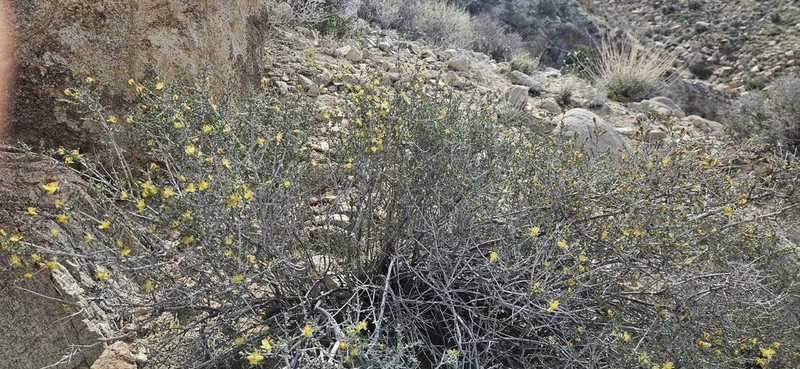
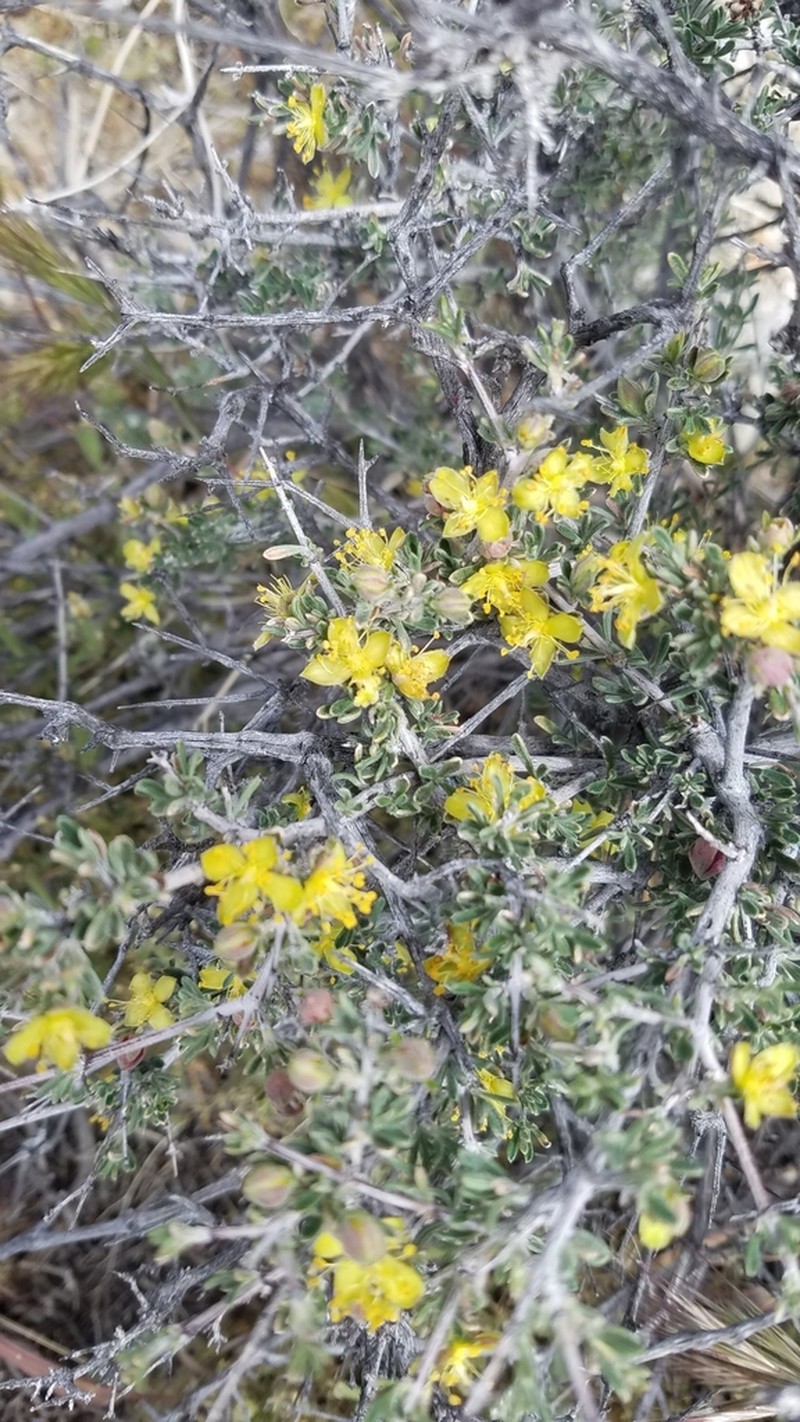
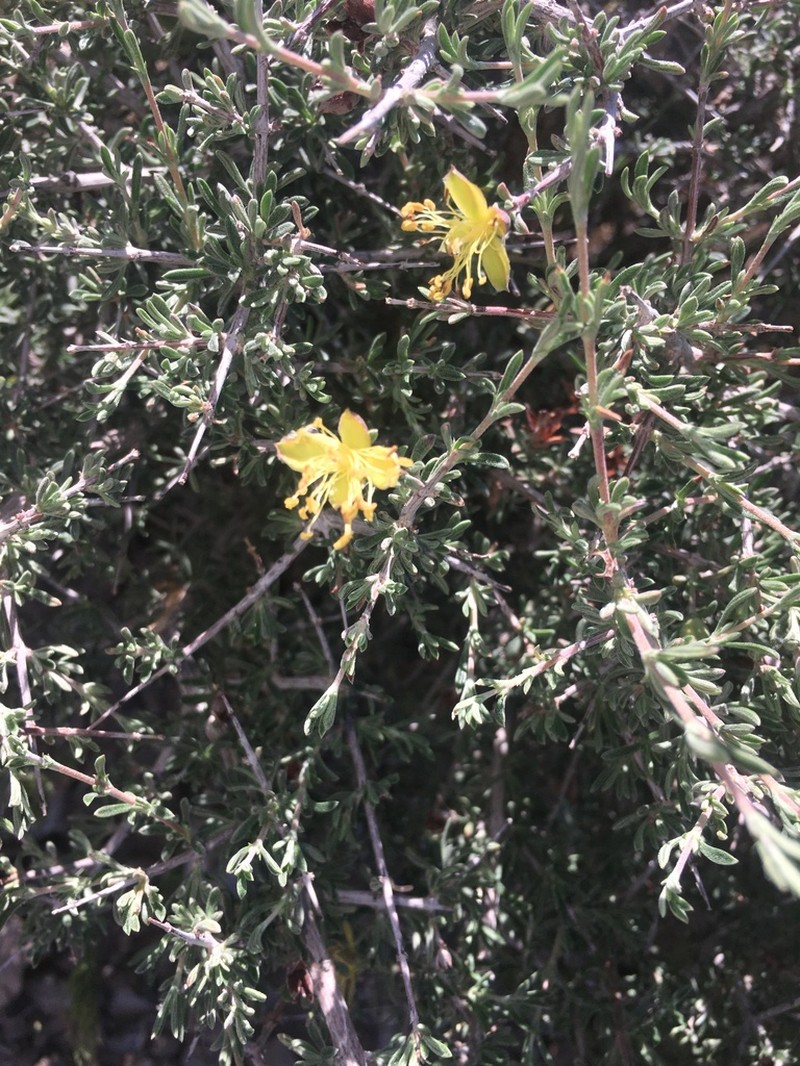
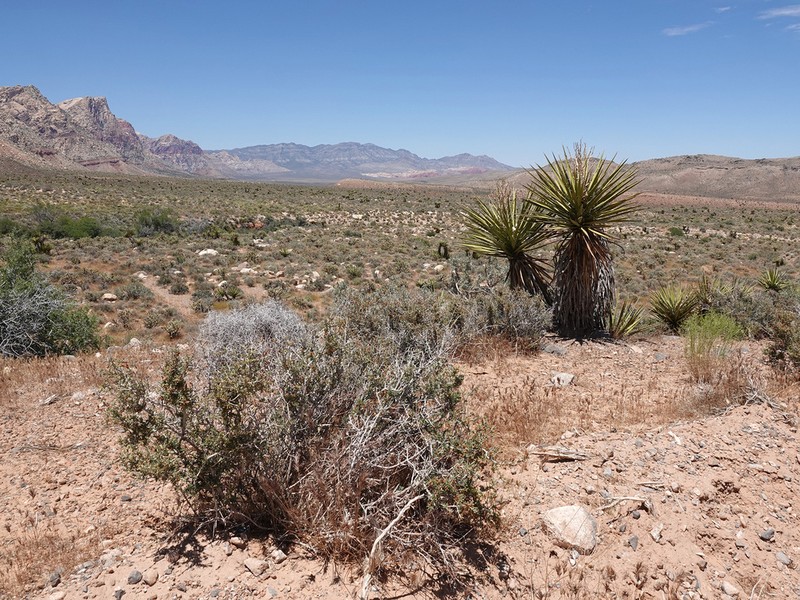
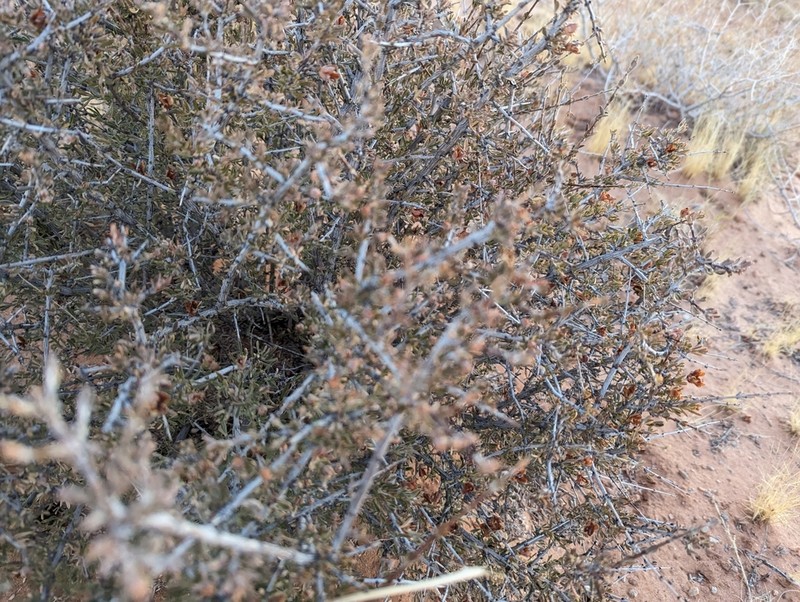
iNaturalist: © tomclr (iNaturalist #341328116)
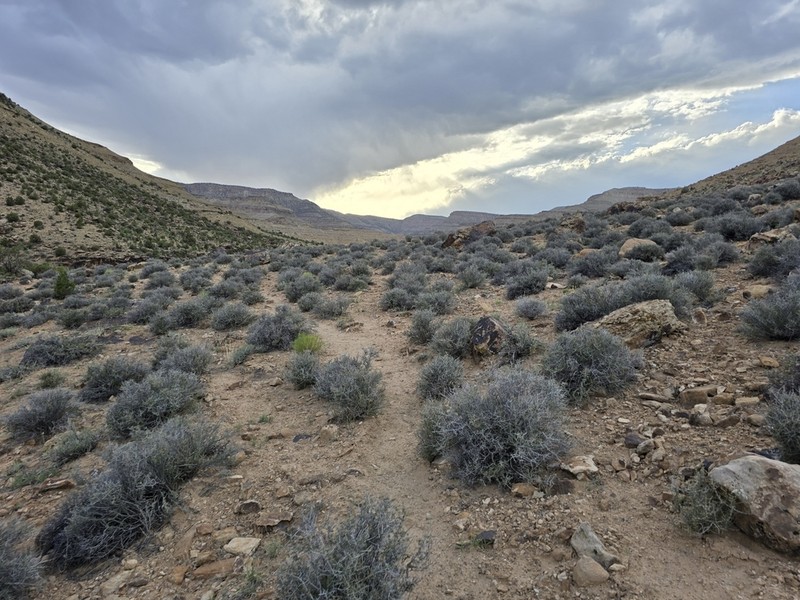
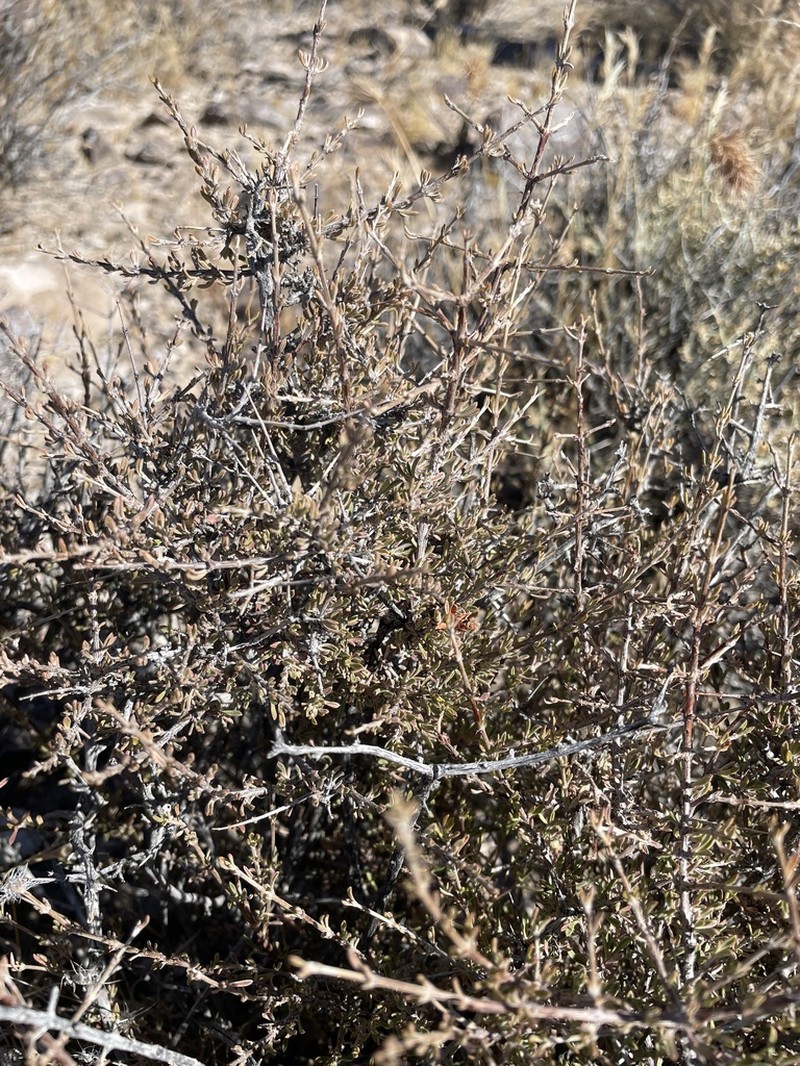
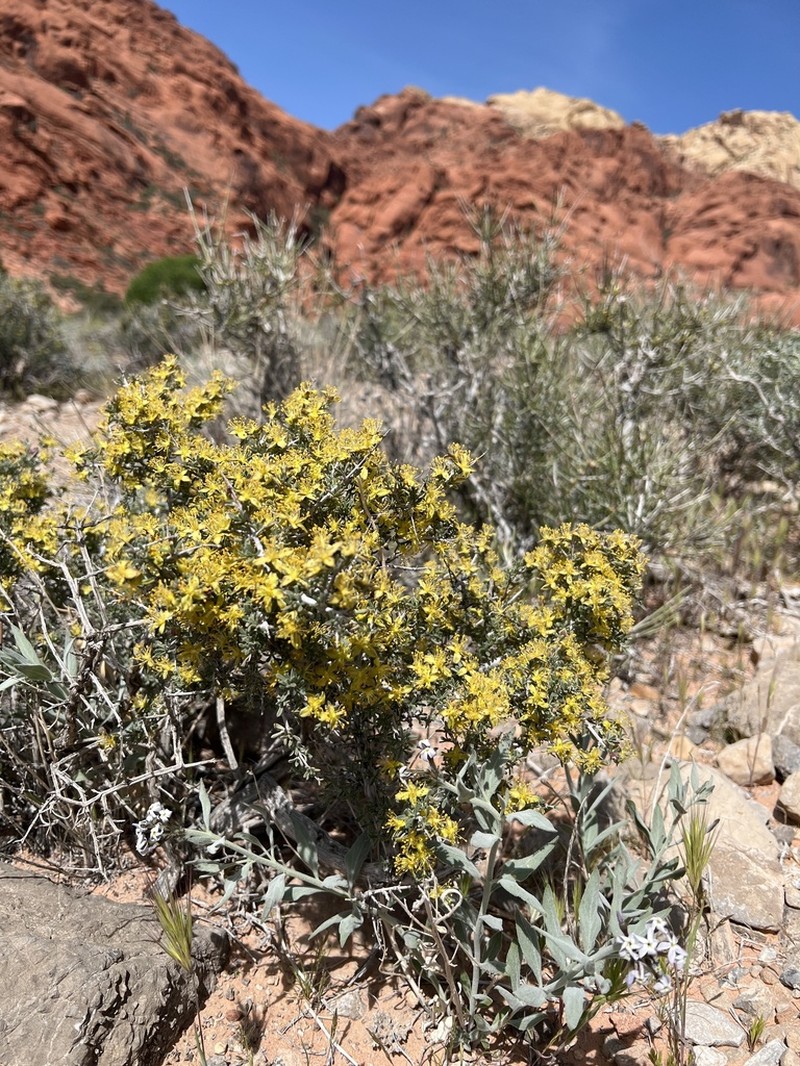
Taxonomy
- Division:
- Magnoliophyta | - Flowering plants
- Family:
- Rosaceae
- Genus:
- Coleogyne
- Species:
- Coleogyne ramosissima
- USDA Symbol:
- CORA
Growth Characteristics
- Life Cycle:
- Perennial
- Growth Habit:
- Shrub
- Height:
- 200 cm
- Light Requirements:
- Full Sun
- Drought Tolerance:
- High
- Bloom Months:
- mar,apr,may
- Bloom Colors:
- yellow
Wildlife Benefits
- Bees:
- ★☆☆☆☆ Documented bee visitation (GBIF)
- Caterpillars:
- ★☆☆☆☆ Recorded caterpillar host plant (HOSTS Database)
Host Plant for Caterpillars
Dasyfidonia avuncularia, ⚠️Griffin's Sheep Moth (Hemileuca griffini), Spaelotis unicava
Garden & Ecology Notes
- Wildlife Value:
- birds, small mammals
- Deer Resistant:
- Yes
- Fire Ecology:
- Fire adapted — tolerates or benefits from fire
- Fire Notes:
- Resprouts from root crown after fire; fire can stimulate seed germination.
Soil Requirements
- Soil Type:
- poor, sandy, well-drained soil
- pH:
- 7.0 - 8.5 (neutral to slightly alkaline)
- Drainage:
- excellent drainage required
- Moisture:
- dry to moderate
- Notes:
- adapted to arid desert conditions
Propagation & Germination
- Stratification:
- Cold/moist stratification required — 30–60 days
- Scarification:
- Seed coat scarification required before sowing
- Germination Time:
- 14–30 days
- Notes:
- Seeds require scarification (e.g., nicking or hot water) followed by cold stratification for 30-60 days.
Pre-treatment: Seeds are imbibed with water overnight and stratified at 7 C (44.6 F) for 4 to 8 weeks or until the radicle emerges from the seed coat. Germinants are sown into flats or directly into containers.
Source: npn.rngr.net
Where to Buy
Nationwide Seller
- Native Seed Group (seeds)