
Cotoneaster obscurus
Cotoneaster obscurus
- Native to:
- China
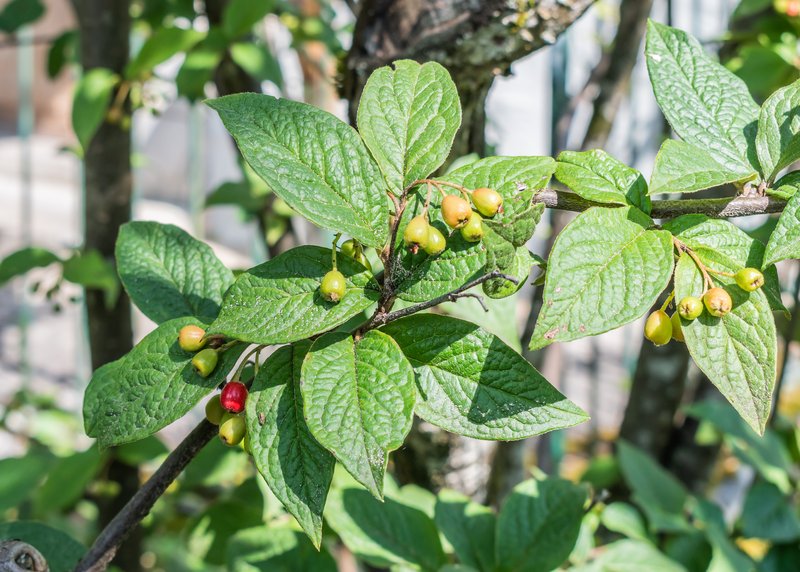
Krzysztof Golik (www.wikidata.org),Krzysztof Golik (www.wikidata.org),Krzysztof Golik (www.wikidata.org),Krzysztof Golik (www.wikidata.org),Krzysztof Golik (www.wikidata.org),United States. Bureau of Entomology and Plant Quarantine United States. Plant Pest Control Branch United States. Plant Pest Control Division United States. Animal and Plant Health Inspection Service. Plant Protection and Quarantine Programs,United States. Bureau of Entomology and Plant Quarantine United States. Plant Pest Control Branch United States. Plant Pest Control Division United States. Animal and Plant Health Inspection Service. Plant Protection and Quarantine Programs,United States. Bureau of Entomology United States. Bureau of Entomology and Plant Quarantine,Edwards, Sydenham, Ridgway, James,United States. Bureau of Entomology and Plant Quarantine United States. Plant Pest Control Branch United States. Plant Pest Control Division United States. Animal and Plant Health Inspection Service. Plant Protection and Quarantine Programs

Taxonomy
- Division:
- Magnoliophyta | - Flowering plants
- Family:
- Rosaceae
- Genus:
- Cotoneaster
- Species:
- Cotoneaster obscurus
- USDA Symbol:
- COOB10
Growth Characteristics
- Height:
- 400 cm
- Light Requirements:
- Full Sun
- Drought Tolerance:
- Medium
- Bloom Months:
- may,jun
- Bloom Colors:
- white, pink
- Landscaping Shrub:
- Yes
Garden & Ecology Notes
- Wildlife Value:
- birds, small mammals
- Fall Color:
- red, orange
Soil Requirements
- Soil Type:
- well-drained, rocky or sandy soil
- pH:
- 5.5 - 7.5 (slightly acidic to neutral)
- Drainage:
- excellent drainage required
- Moisture:
- dry to moderate
- Notes:
- native to rocky slopes and open areas
Propagation & Germination
- Stratification:
- Cold/moist stratification required — 60–90 days
- Germination Time:
- 30–90 days
- Notes:
- Seeds benefit from cold stratification for 2-3 months to break dormancy.