
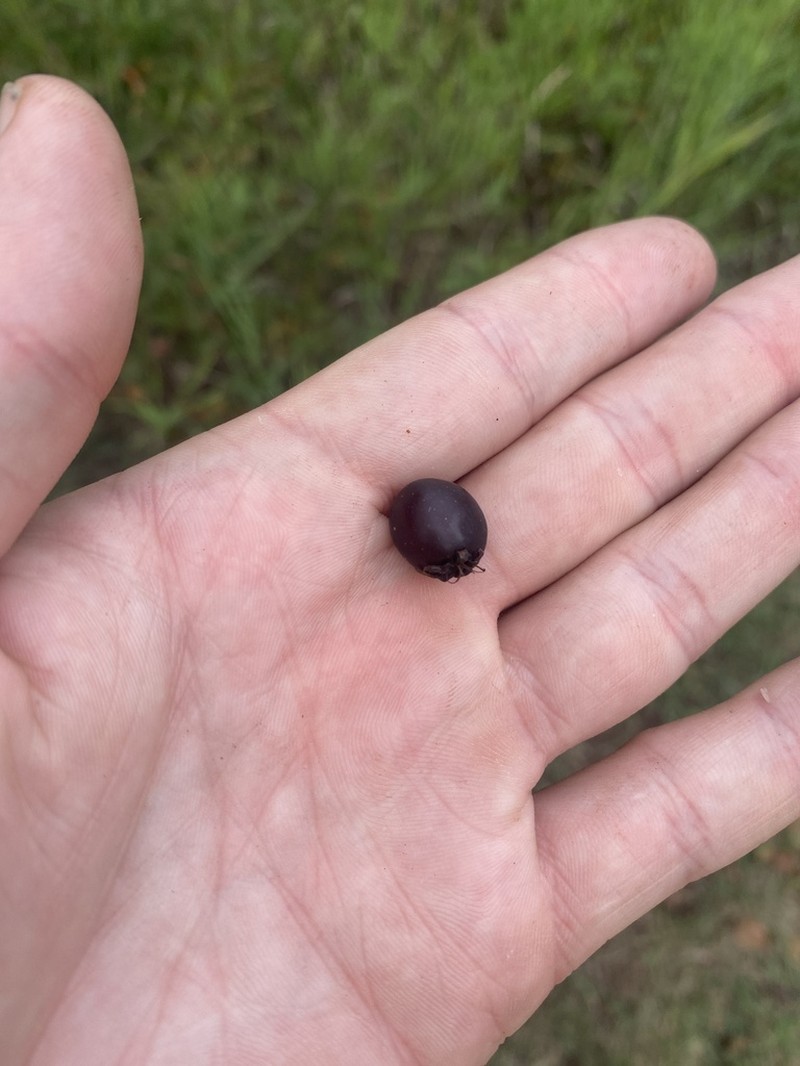
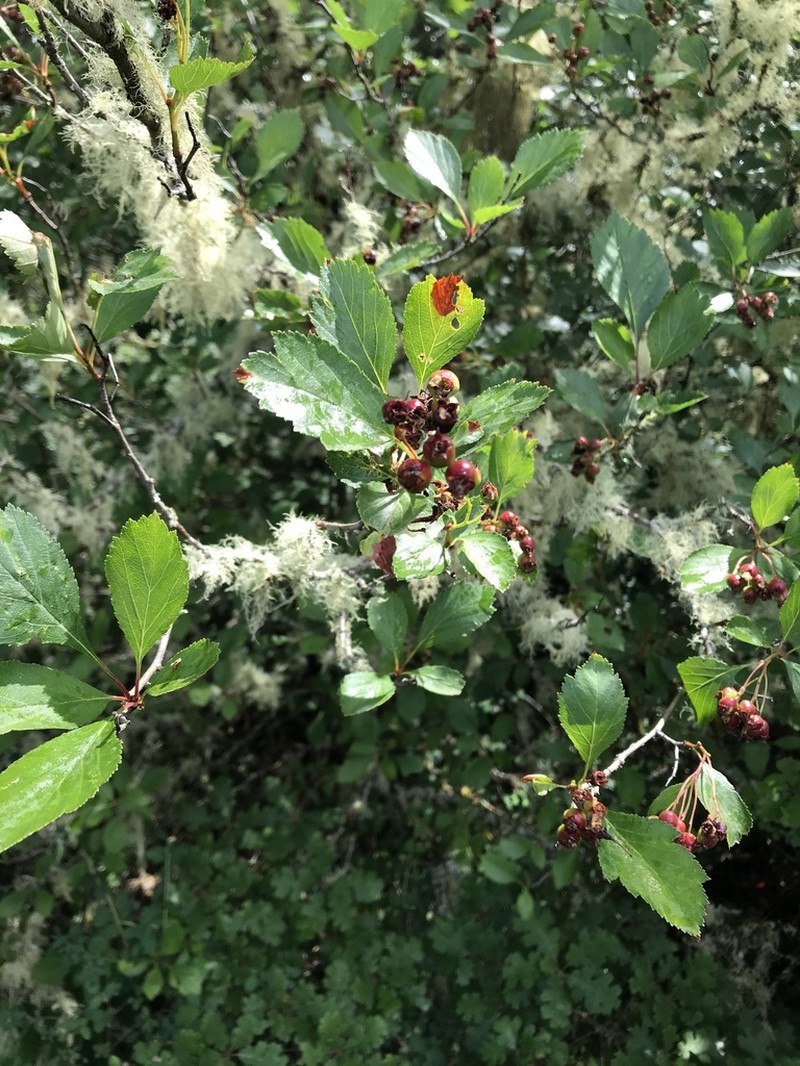
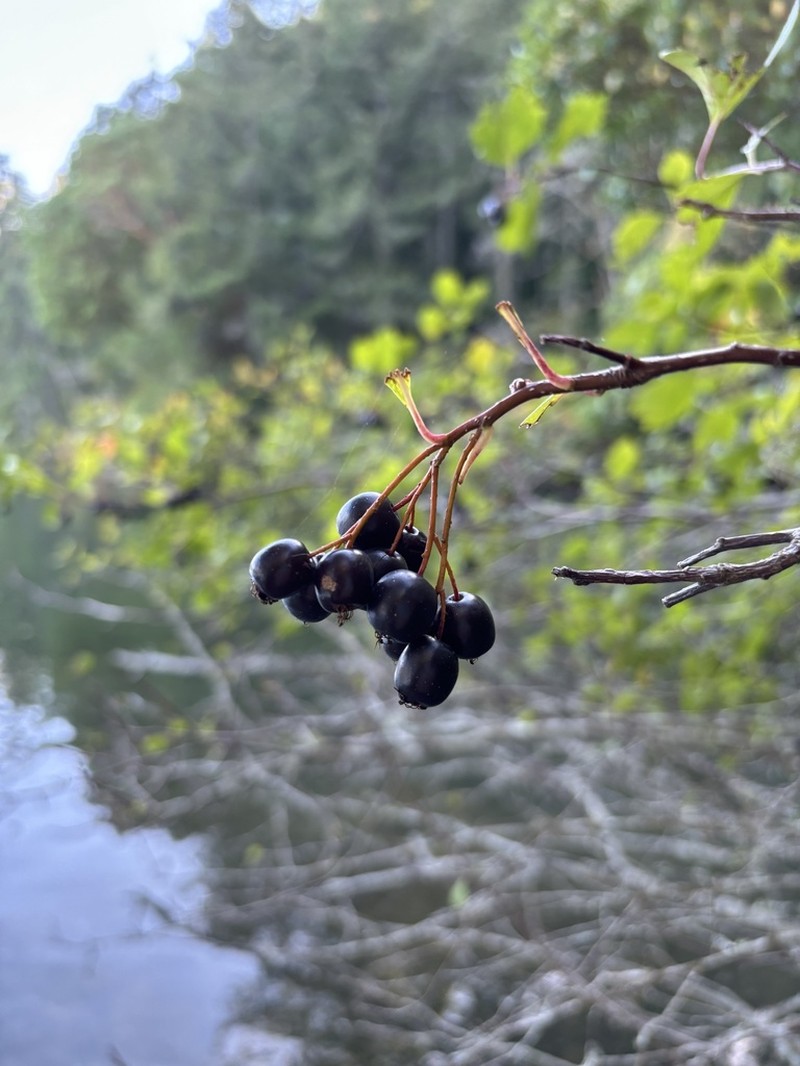
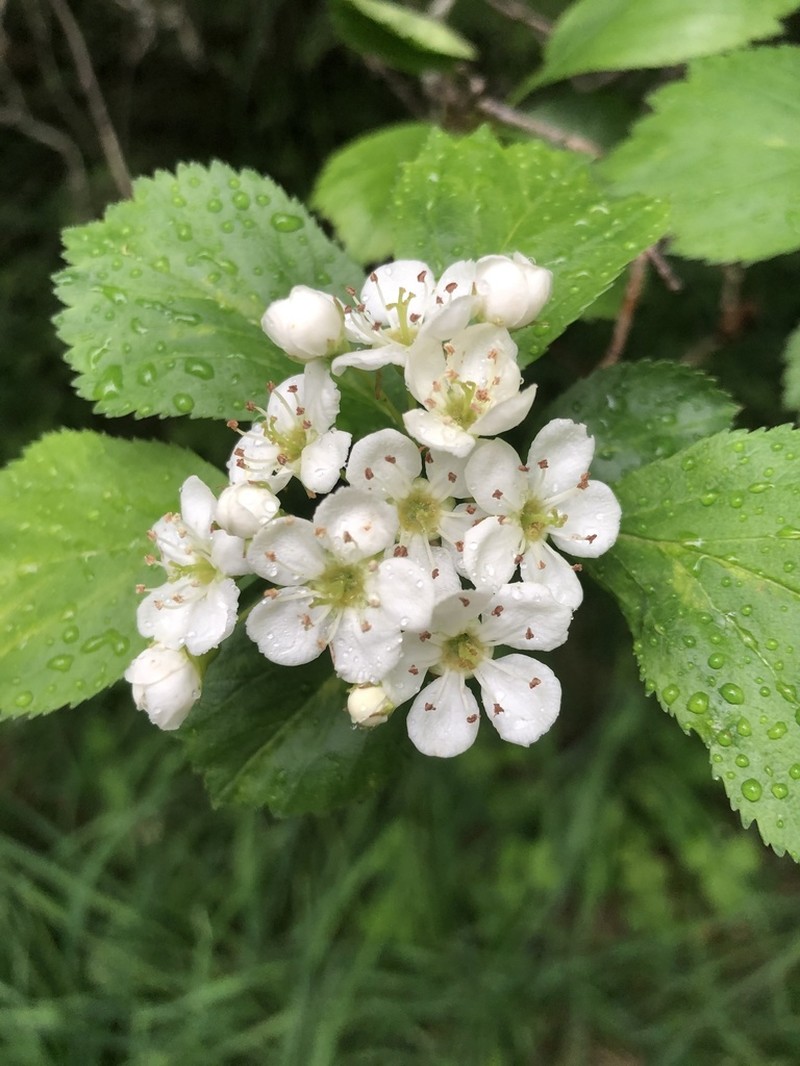
Black Hawthorn
Crataegus douglasii
- Native to:
- Canada, United States
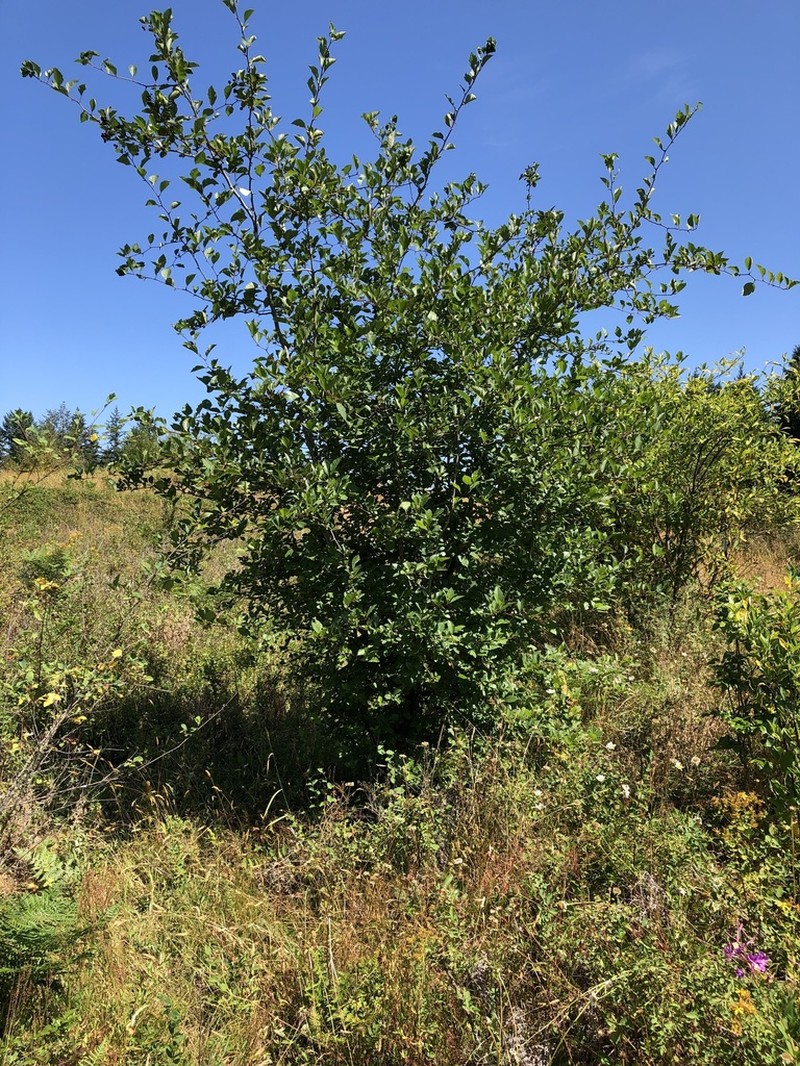
iNaturalist: © rknature (iNaturalist #88855990)
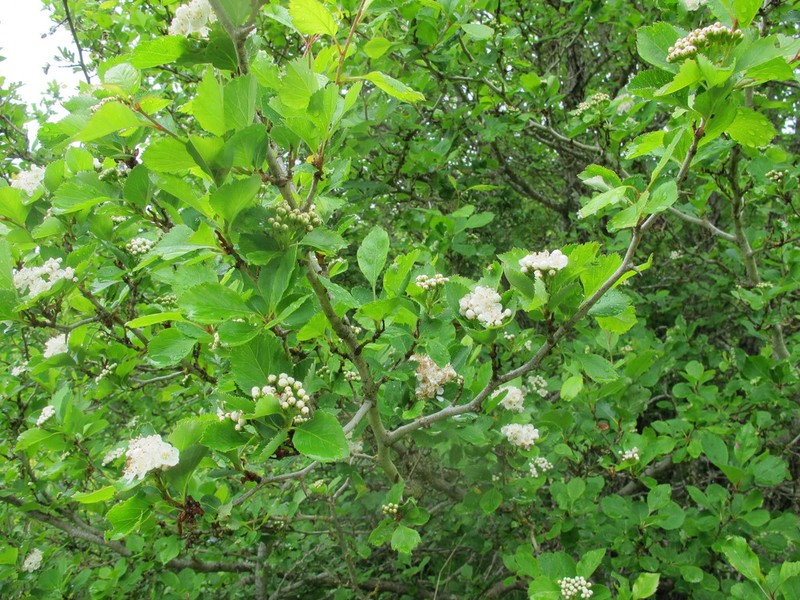
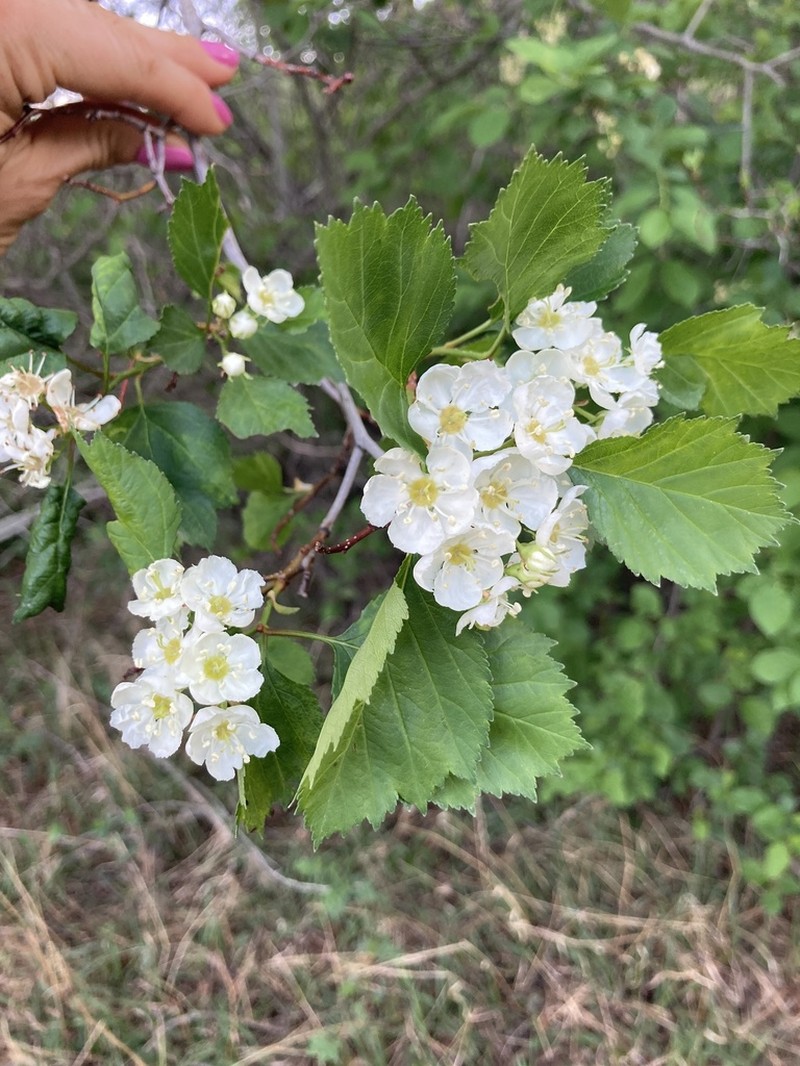
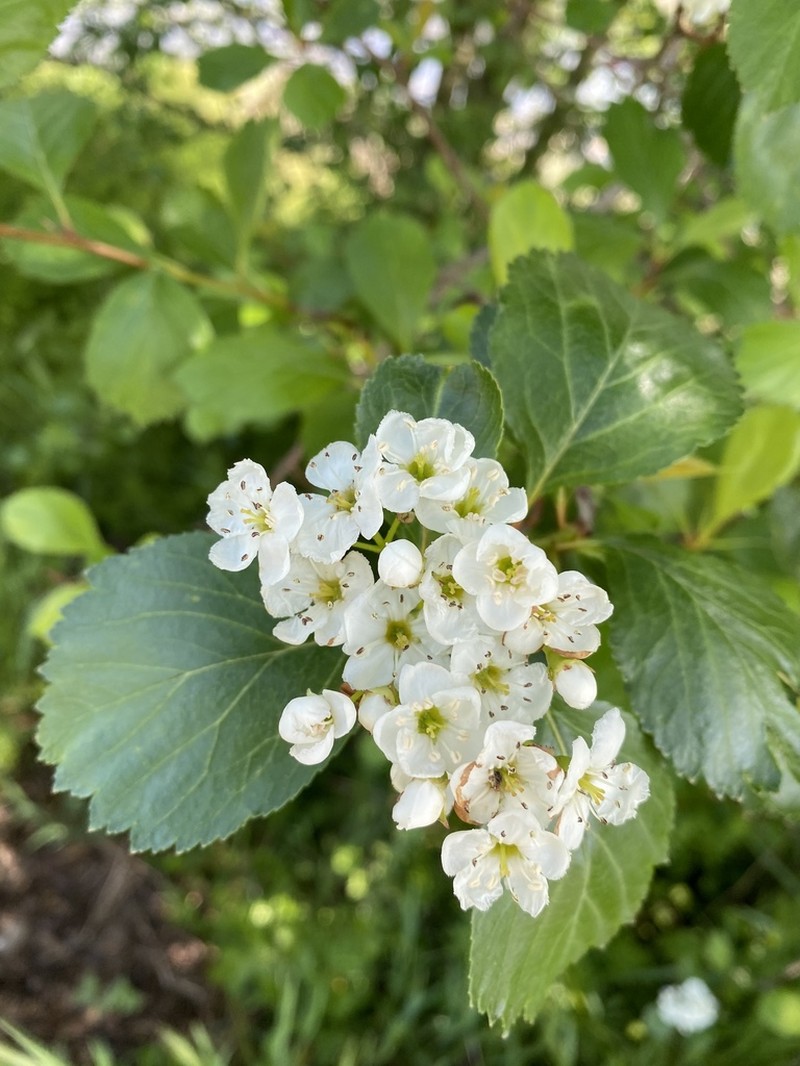
Taxonomy
- Division:
- Magnoliophyta | - Flowering plants
- Family:
- Rosaceae
- Genus:
- Crataegus
- Species:
- Crataegus douglasii
- USDA Symbol:
- CRDO2
Growth Characteristics
- Life Cycle:
- Perennial
- Growth Habit:
- Shrub , Tree
- Height:
- 900 cm
- Light Requirements:
- Full Sun,Part Shade,Shade
- Drought Tolerance:
- Medium
- Bloom Months:
- may,jun
- Bloom Colors:
- white
Wildlife Benefits
- Bees:
- ★☆☆☆☆ Documented bee visitation (GBIF)
- Butterflies & Moths:
- ★☆☆☆☆ Documented Lepidoptera association (GBIF)
- Caterpillars:
- ★★☆☆☆ Recorded caterpillar host plant (HOSTS Database)
Keystone Species Ranking
- Caterpillar Keystone:
- ★★★★★ Butterfly & moth species supported by this genus (NWF)
Host Plant for Caterpillars
Reported Fauna Sightings
Garden & Ecology Notes
- Wildlife Value:
- birds, small mammals, butterflies
- Fall Color:
- red, orange
Soil Requirements
- Soil Type:
- rich, well-drained loamy soil
- pH:
- 5.5 - 7.5 (slightly acidic to neutral)
- Drainage:
- tolerates poor drainage
- Moisture:
- consistently moist
- Notes:
- prefers riparian zones and wetland edges
Propagation & Germination
- Stratification:
- Cold/moist stratification required — 60–90 days
- Germination Time:
- 30–90 days
- Notes:
- Seeds benefit from cold stratification for 60-90 days to break dormancy.
Pre-treatment: Seeds are washed 3:1 Water/Hydrogen Peroxide for 20 minutes followed by a 48 to 72 hour running water soak. Seeds are then placed into a 90 to 120 day cold, moist stratification in milled sphagnum peat moss in a ventilated container under refrigeration set at 1 to 3C. Alternatively, seeds can be stratified naturally by planting them in the fall in a thin layer of sand on mulched field beds.
Establishment: Seeds are collected in late summer and early fall when fruit turns dark purple. Seeds are tan at maturity. Fruits are collected in plastic bags and kept under refrigeration prior to cleaning. Seeds can also be wild collected during fall months and are kept separated according to site, elevation and source. Small lot collection is also possible.
Source: npn.rngr.net
Where to Buy
Nationwide Seller
- Sheffield's Seed (seeds)