
Smooth Hawthorn
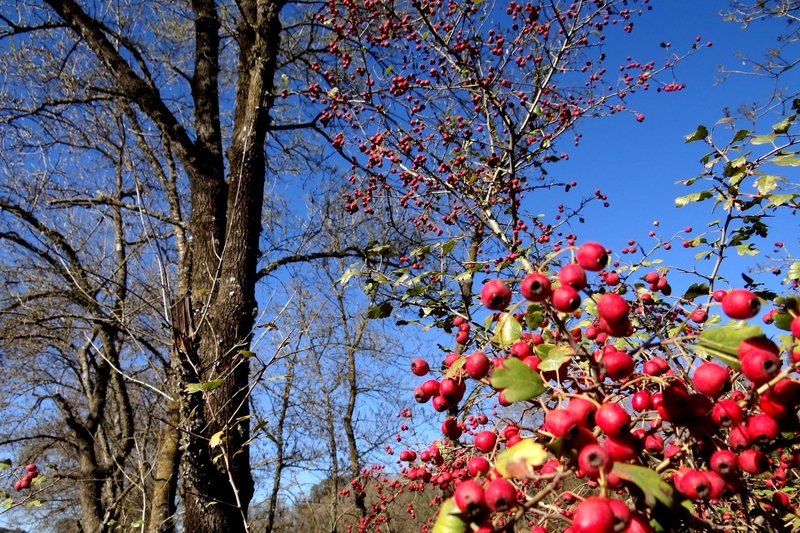
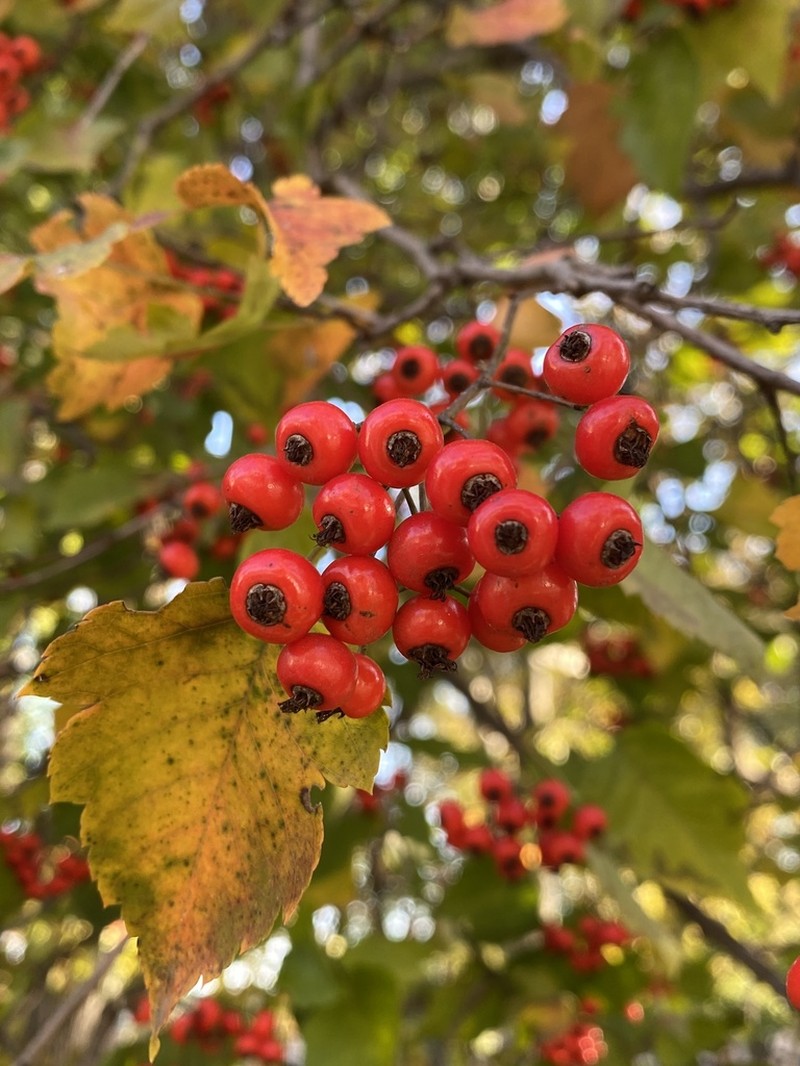
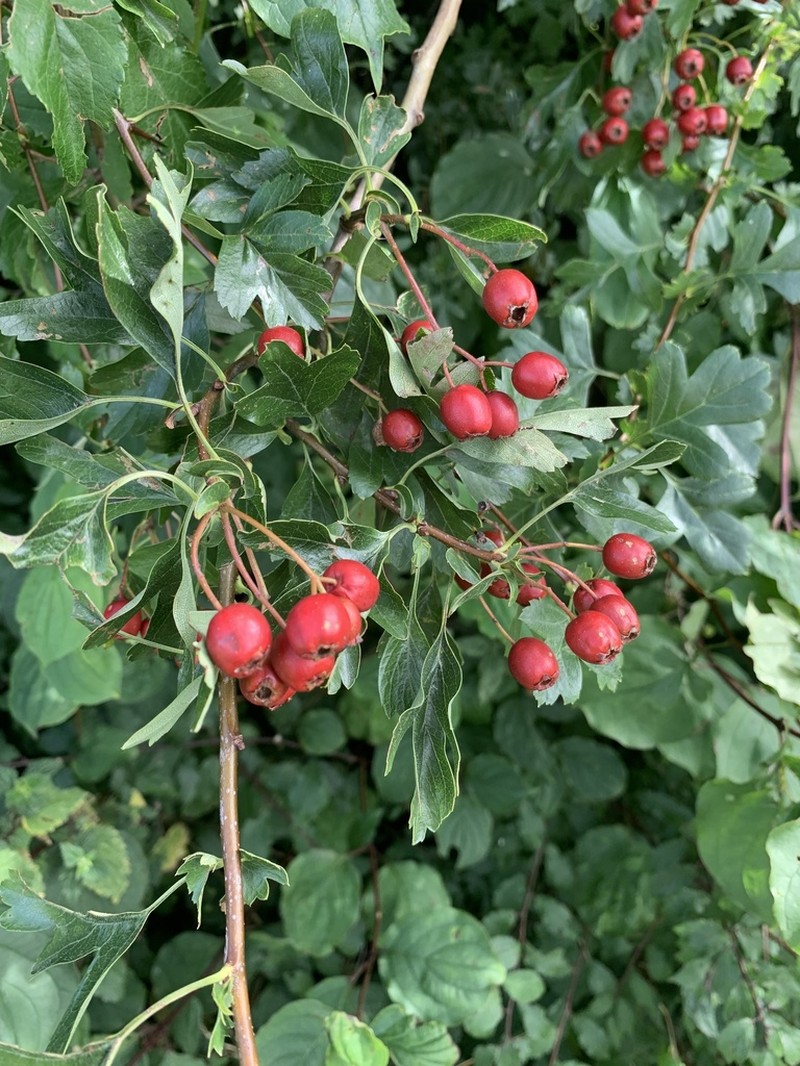
Crataegus laevigata
- Native to:
- Austria, Baltic States, Belarus, Belgium, Corse, Czechia-Slovakia, Denmark, France, Germany, Great Britain, Hungary, Italy, Netherlands, Norway, NW. Balkan Pen., Poland, Romania, Russia, Sicilia, Spain, Sweden, Switzerland, Ukraine
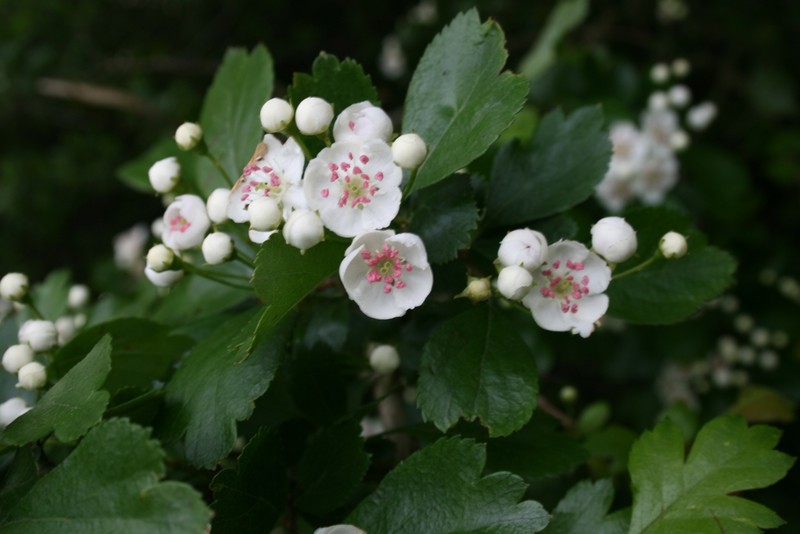
Sten Porse
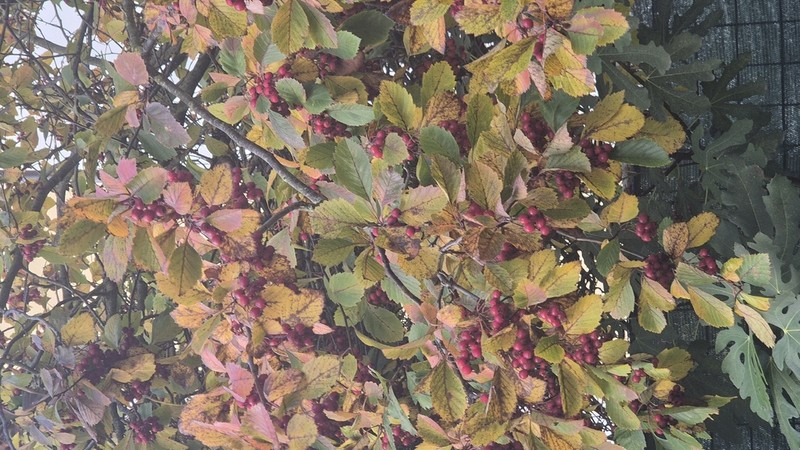
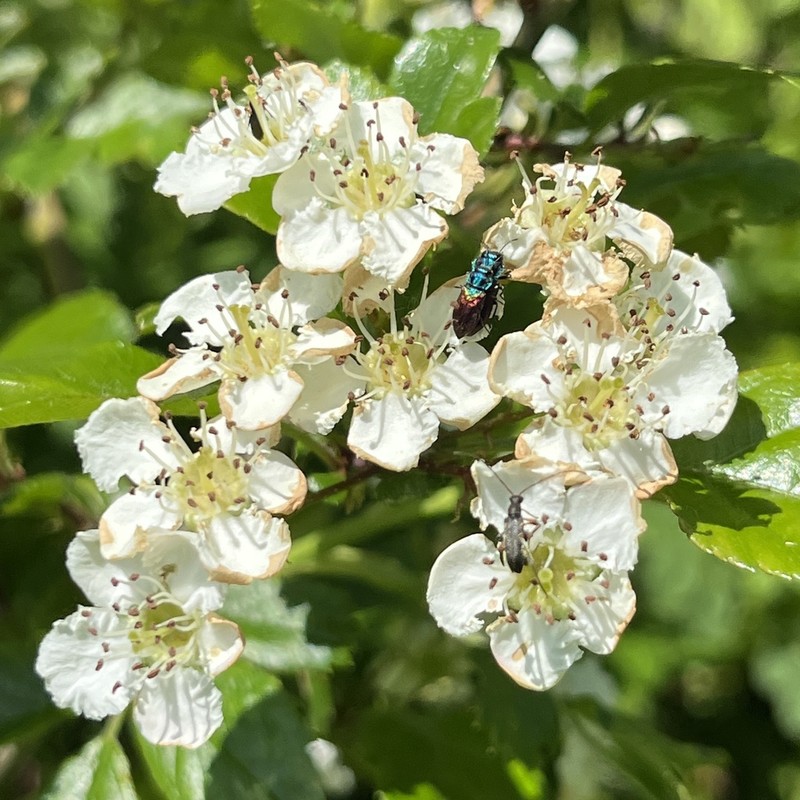
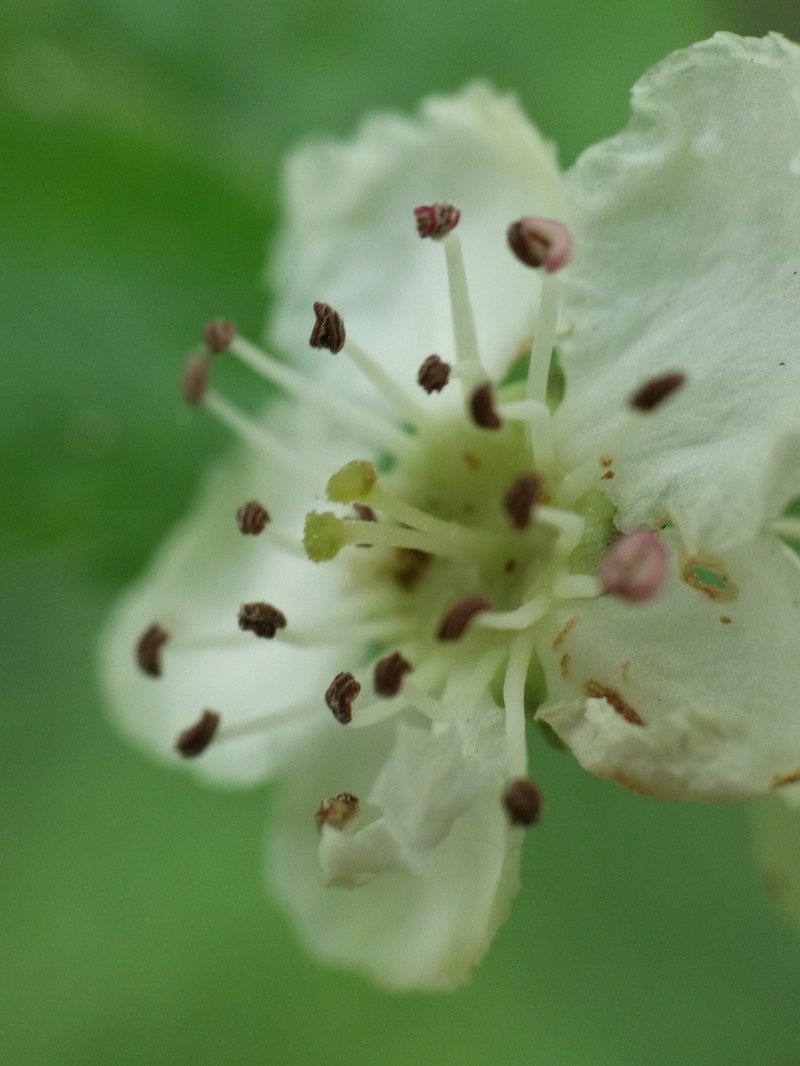
Taxonomy
- Division:
- Magnoliophyta | - Flowering plants
- Family:
- Rosaceae
- Genus:
- Crataegus
- Species:
- Crataegus laevigata
- USDA Symbol:
- CRLA80
Growth Characteristics
- Life Cycle:
- Perennial
- Growth Habit:
- Shrub , Tree
- Height:
- 800 cm
- Light Requirements:
- Full Sun
- Drought Tolerance:
- Medium
- Bloom Months:
- apr,may
- Bloom Colors:
- white, pink
Wildlife Benefits
- Bees:
- ★★★☆☆ Documented bee visitation (GBIF)
- Butterflies & Moths:
- ★★☆☆☆ Documented Lepidoptera association (GBIF)
- Caterpillars:
- ★★☆☆☆ Recorded caterpillar host plant (HOSTS Database)
Keystone Species Ranking
- Caterpillar Keystone:
- ★★★★★ Butterfly & moth species supported by this genus (NWF)
Host Plant for Caterpillars
Autumnal moth (Epirrita autumnata), Cecropia moth (Hyalophora cecropia), cymatophoroides false owlet moth (Pseudothyatira cymatophoroides), fall cankerworm (Alsophila pometaria), Itame coortaria, Linden looper (Erannis tiliaria), Red-humped caterpillar moth (Schizura concinna), Red-washed Prominent (Oligocentria semirufescens), Trachycera suavella, Unicorn caterpillar moth (Schizura unicornis)
Garden & Ecology Notes
- Wildlife Value:
- birds, butterflies, small mammals
- Fall Color:
- red, orange
Soil Requirements
- Soil Type:
- rich, well-drained loamy soil
- pH:
- 6.0 - 7.5 (slightly acidic to neutral)
- Drainage:
- tolerates poor drainage
- Moisture:
- consistently moist
- Notes:
- Prefers fertile soils in its native habitat
Propagation & Germination
- Stratification:
- Cold/moist stratification required — 90–120 days
- Germination Time:
- 30–180 days
- Notes:
- Seeds require cold stratification for 3-4 months; germination can be slow and erratic.
Where to Buy
Nationwide Seller
- Sheffield's Seed (seeds)