
Downy Hawthorn
Crataegus mollis
- Native to:
- Canada, United States
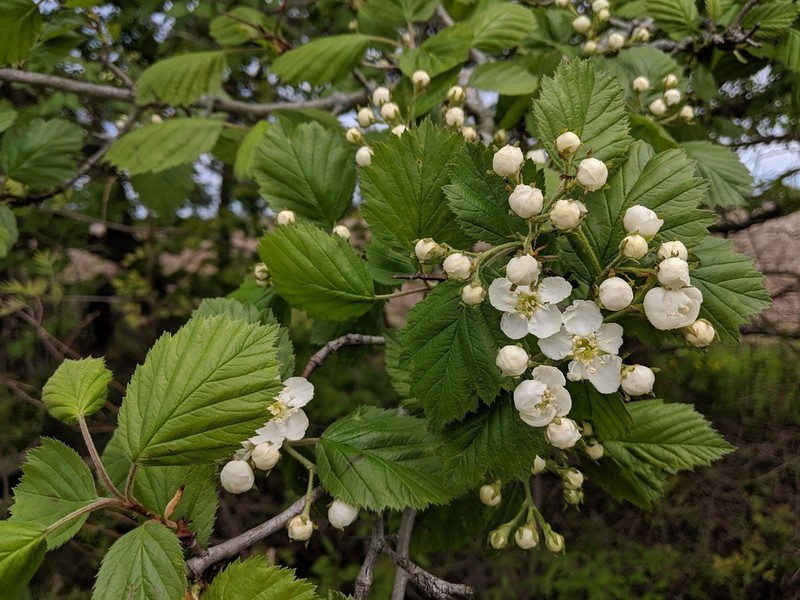
iNaturalist: © pwdeacon (iNaturalist #25802005)
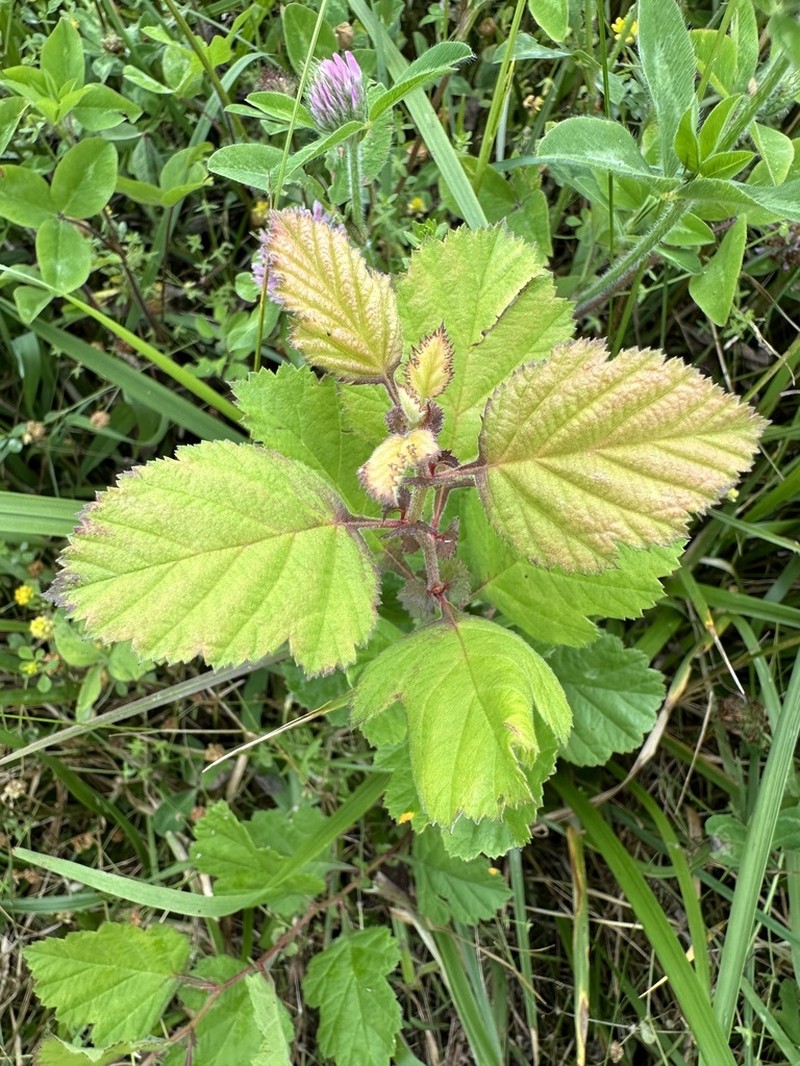
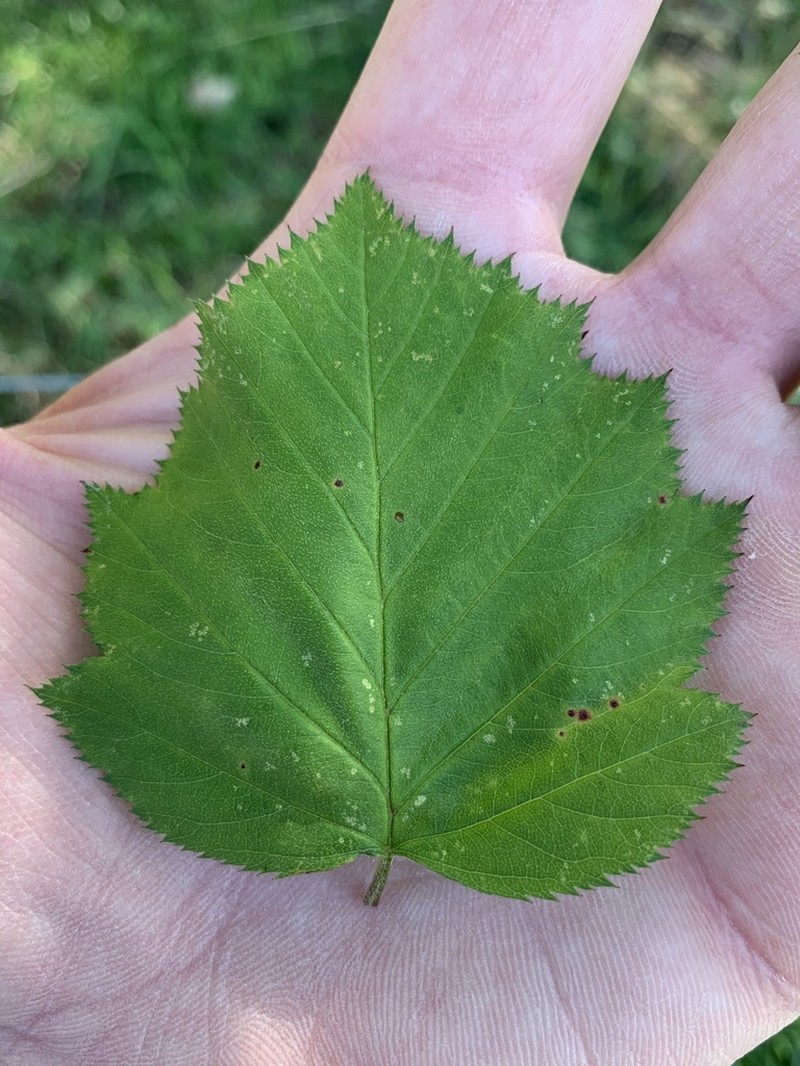
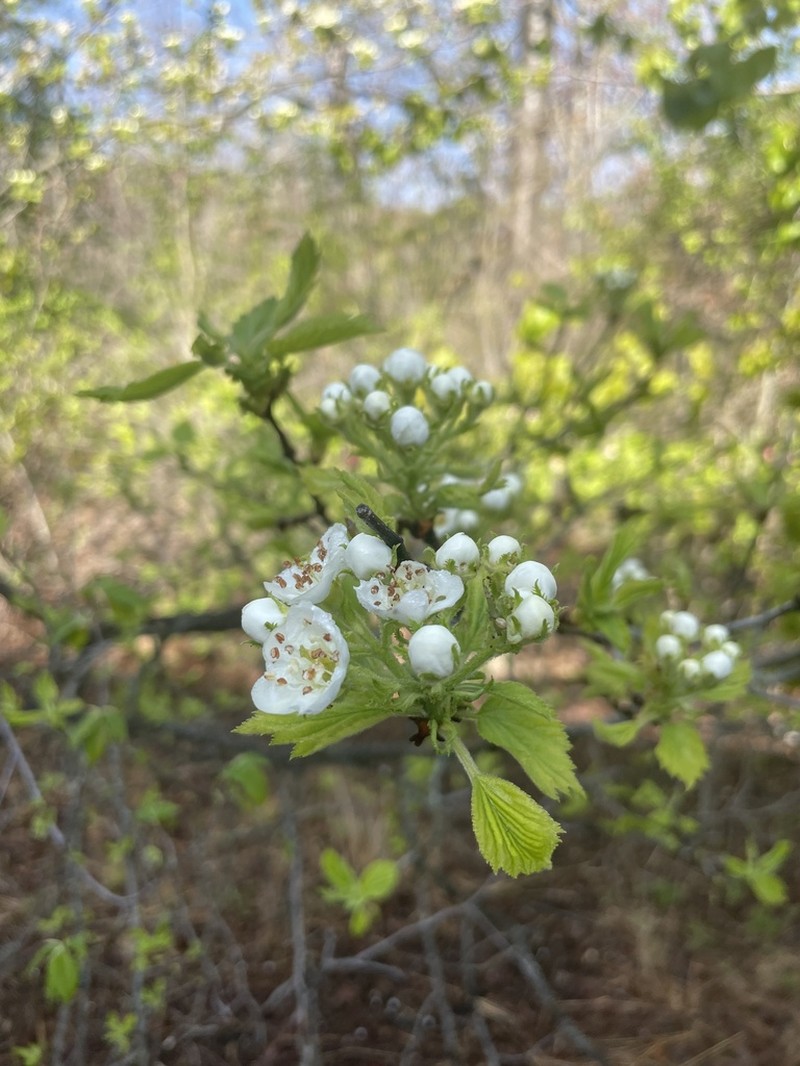
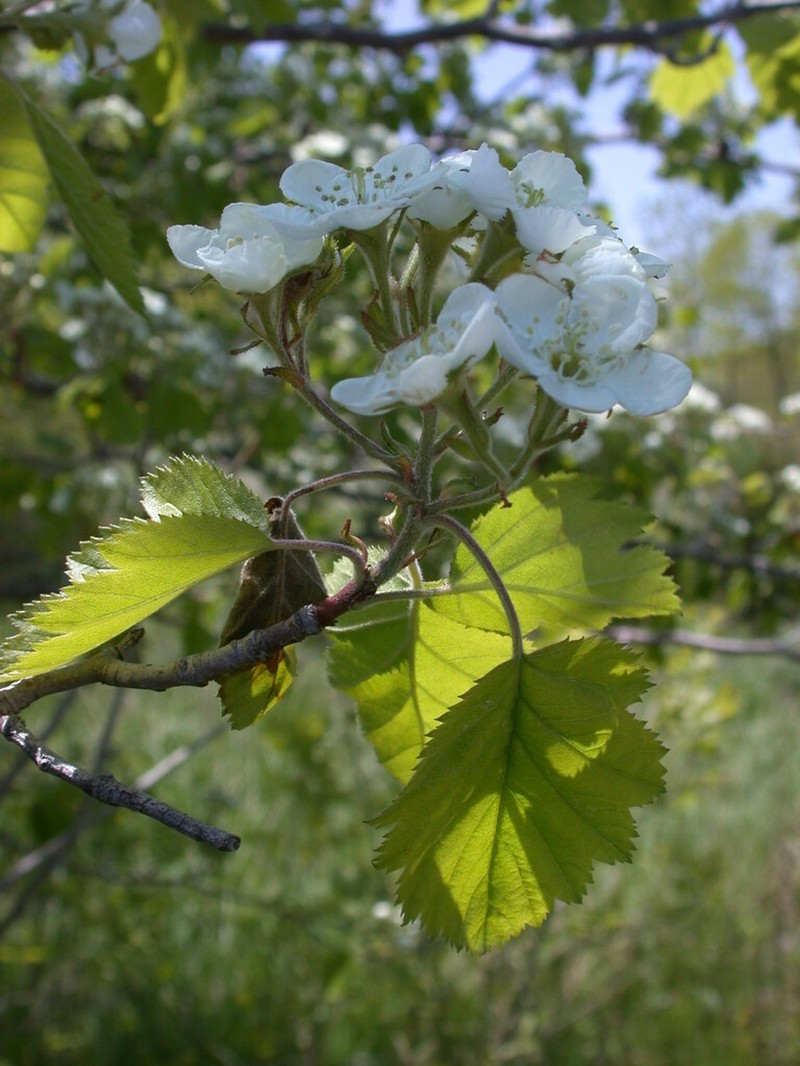
Taxonomy
- Division:
- Magnoliophyta | - Flowering plants
- Family:
- Rosaceae
- Genus:
- Crataegus
- Species:
- Crataegus mollis
- USDA Symbol:
- CRMO2
Growth Characteristics
- Life Cycle:
- Perennial
- Growth Habit:
- Shrub , Tree
- Height:
- 1200 cm
- Light Requirements:
- Full Sun,Part Shade,Shade
- Drought Tolerance:
- Medium
- Bloom Months:
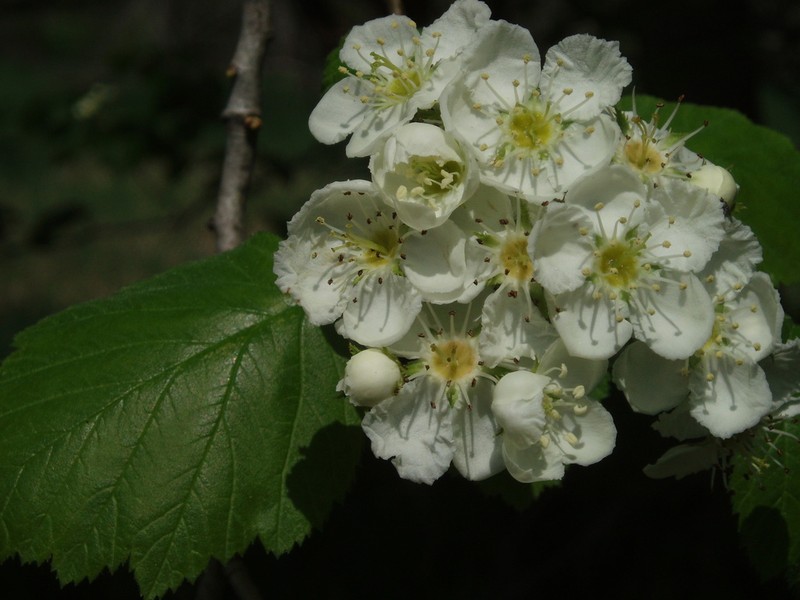
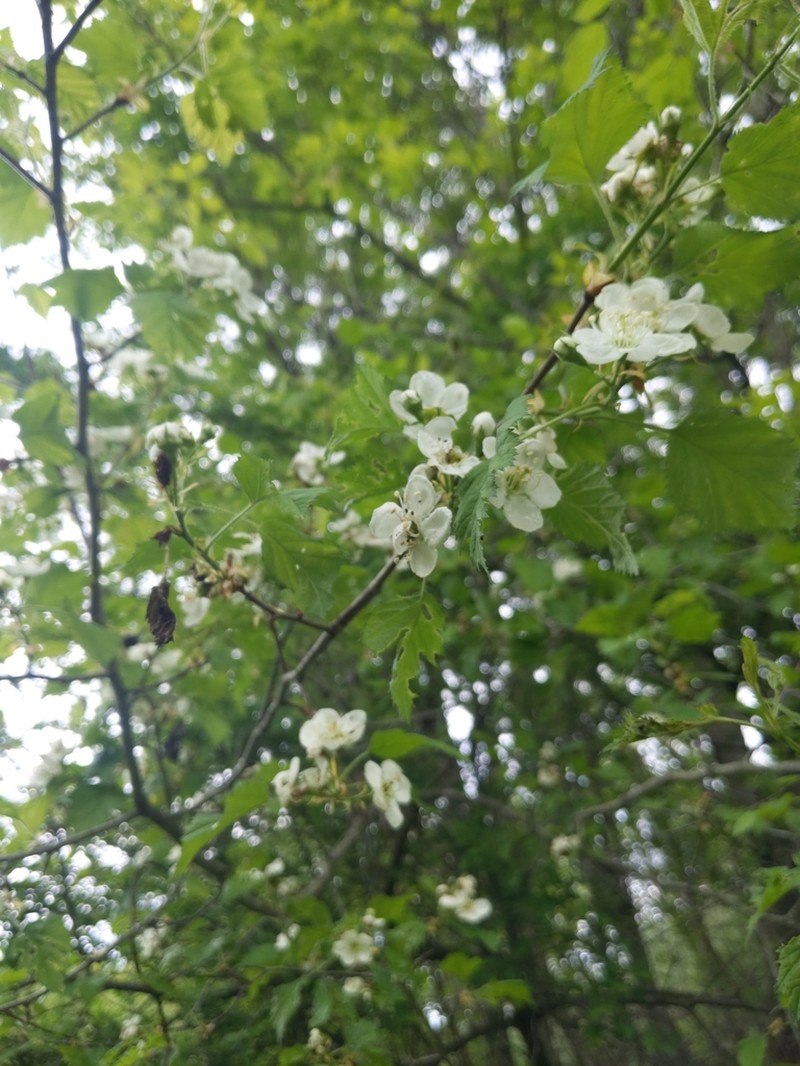
- apr,may
- Bloom Colors:
- white
- Food Forest:
- Contains edible parts
Wildlife Benefits
- Butterflies & Moths:
- ★★☆☆☆ Documented Lepidoptera association (GBIF)
- Caterpillars:
- ★☆☆☆☆ Recorded caterpillar host plant (HOSTS Database)
Keystone Species Ranking
- Caterpillar Keystone:
- ★★★★★ Butterfly & moth species supported by this genus (NWF)
Host Plant for Caterpillars
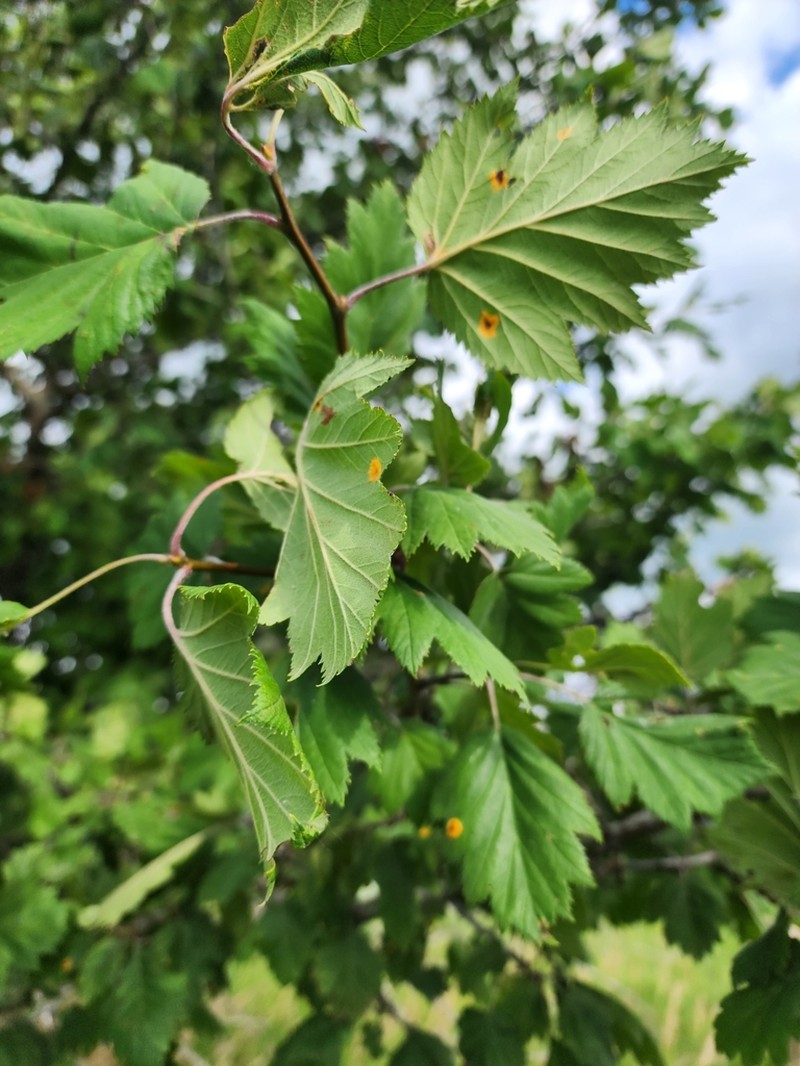
Cecropia moth (Hyalophora cecropia), Parornix inusitatumella, Phyllonorycter crataegella, Stigmella scintillans, Tischeria crataegifoliae
Garden & Ecology Notes
- Wildlife Value:
- birds, butterflies, small mammals
- Fall Color:
- yellow, orange, red
Soil Requirements
- Soil Type:
- rich, well-drained loamy soil
- pH:
- 5.5 - 7.5 (slightly acidic to neutral)
- Drainage:
- good drainage preferred
- Moisture:
- moist to moderately dry
- Notes:
- prefers fertile soils in open woodlands
Propagation & Germination
- Stratification:
- Cold/moist stratification required — 60–90 days
- Scarification:
- Seed coat scarification required before sowing
- Germination Time:
- 30–180 days
- Notes:
- Seeds require scarification (acid or mechanical) followed by cold stratification for 60-90 days; germination can be slow and erratic.
Pre-treatment: Cold-moist stratification for 30 days at 1–5°C (34–41°F).; then Cold-moist stratification for 60 days.
Source: Claude AI
Where to Buy
Nationwide Seller
- Sheffield's Seed (seeds)