
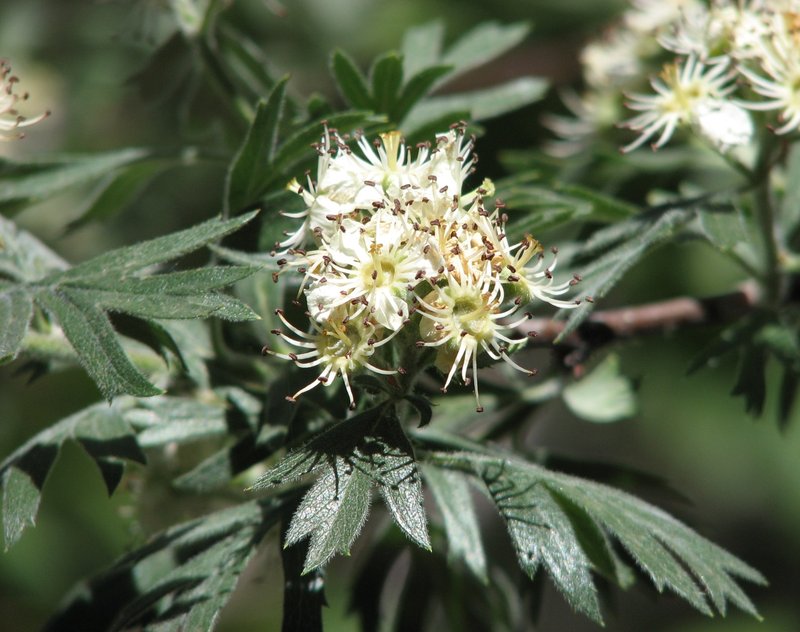
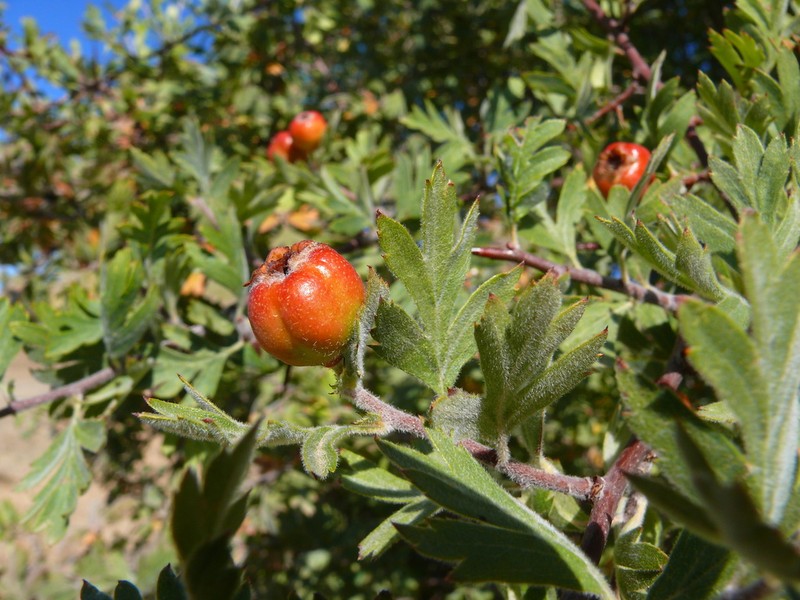
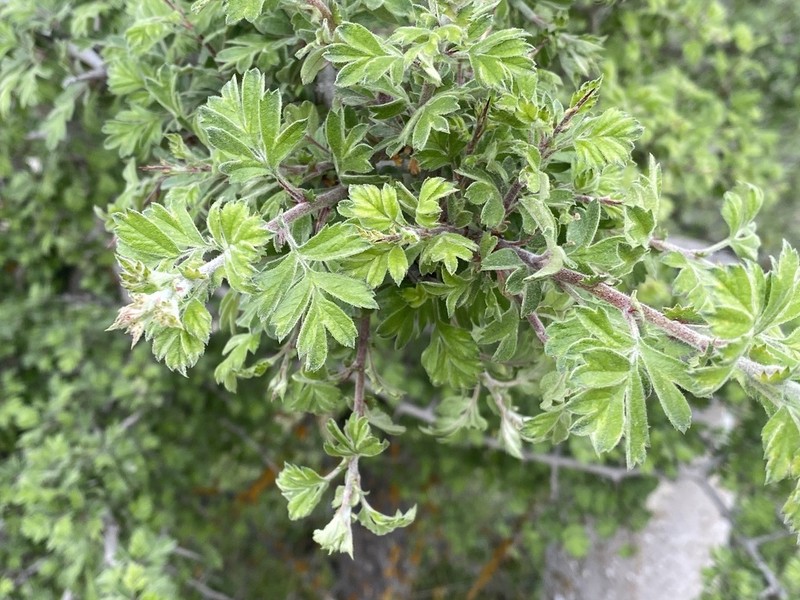
Crataegus orientalis
Crataegus orientalis
- Native to:
- Albania, Bulgaria, Greece, Iran, Krym, NW. Balkan Pen., Sicilia, Transcaucasus, Türkiye, Türkiye-in-Europe, Ukraine
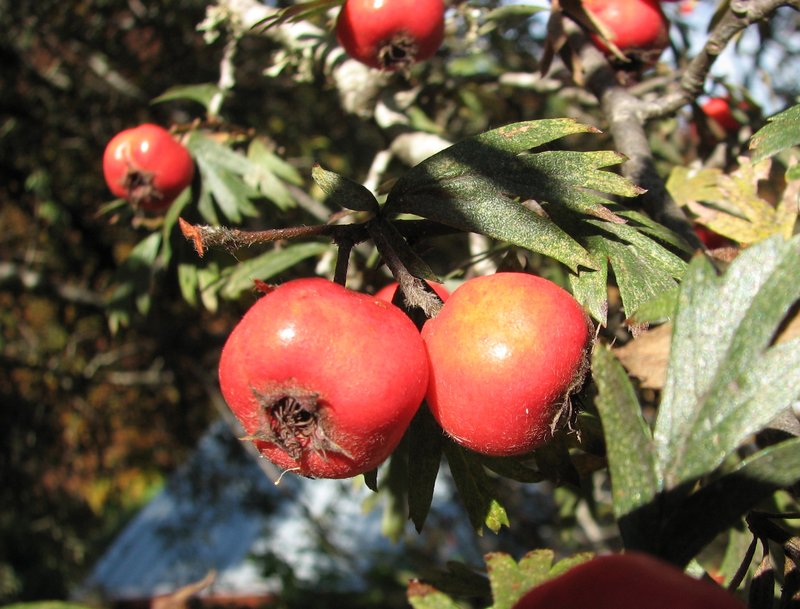
Melburnian
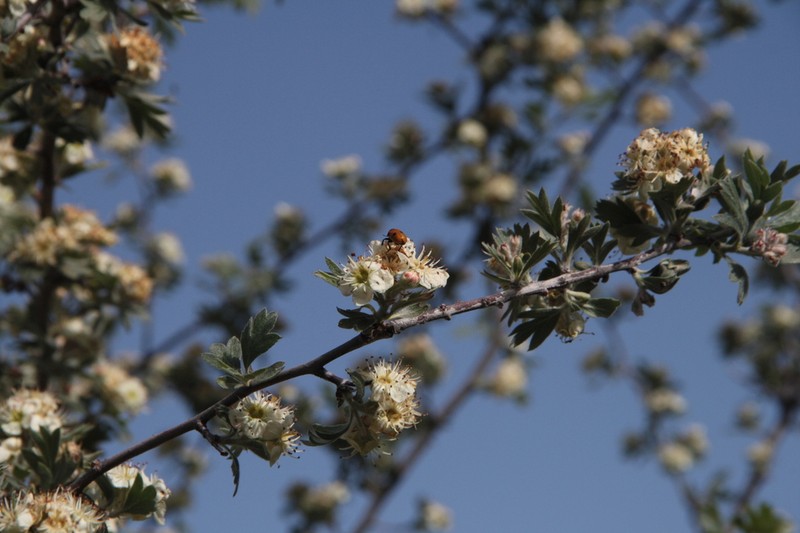
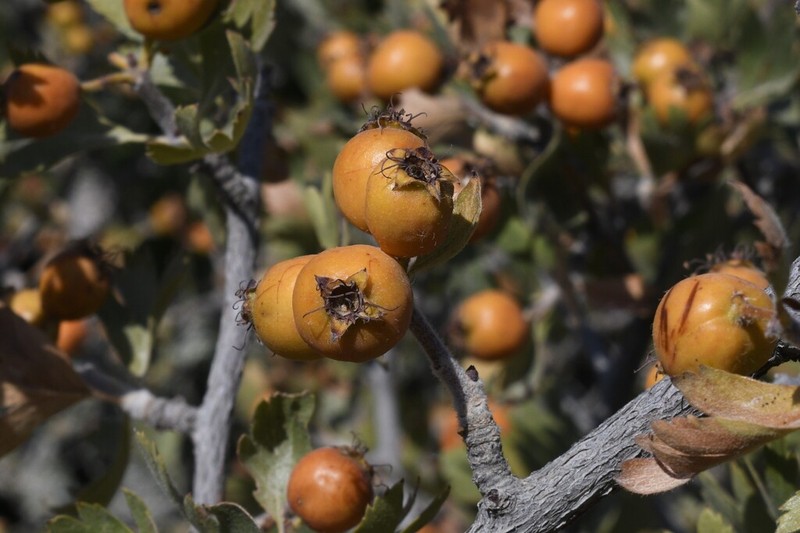
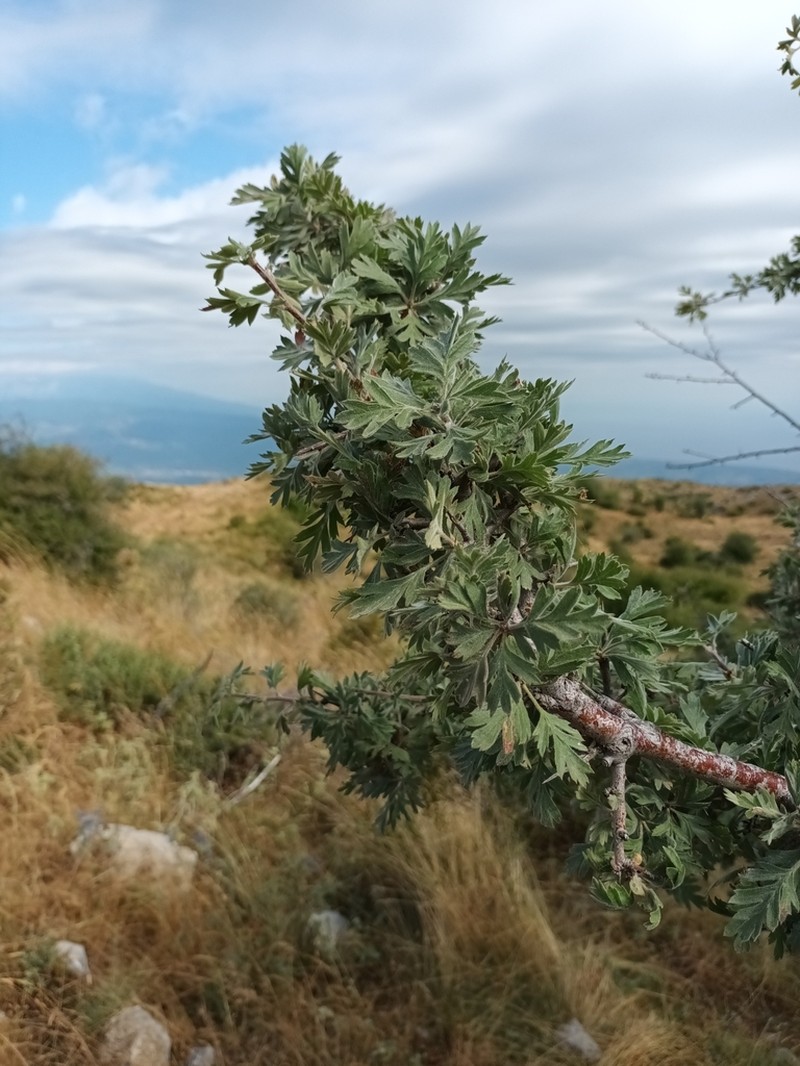
Taxonomy
- Division:
- Magnoliophyta | - Flowering plants
- Family:
- Rosaceae
- Genus:
- Crataegus
- Species:
- Crataegus orientalis
- USDA Symbol:
- CROR2
Growth Characteristics
- Height:
- 800 cm
- Light Requirements:
- Full Sun,Part Shade
- Drought Tolerance:
- High
- Bloom Months:
- may,jun
- Bloom Colors:
- white
Keystone Species Ranking
- Caterpillar Keystone:
- ★★★★★ Butterfly & moth species supported by this genus (NWF)
Garden & Ecology Notes
- Wildlife Value:
- birds, butterflies
- Fall Color:
- red, orange
Soil Requirements
- Soil Type:
- well-drained, rocky or sandy soil
- pH:
- 6.0 - 8.0 (slightly acidic to neutral)
- Drainage:
- excellent drainage required
- Moisture:
- dry to moderate
- Notes:
- native to rocky hillsides and open woodlands
Propagation & Germination
- Stratification:
- Cold/moist stratification required — 90–120 days
- Germination Time:
- 30–90 days
- Notes:
- Seeds require cold stratification for 3-4 months to break dormancy.