
Willow Hawthorn
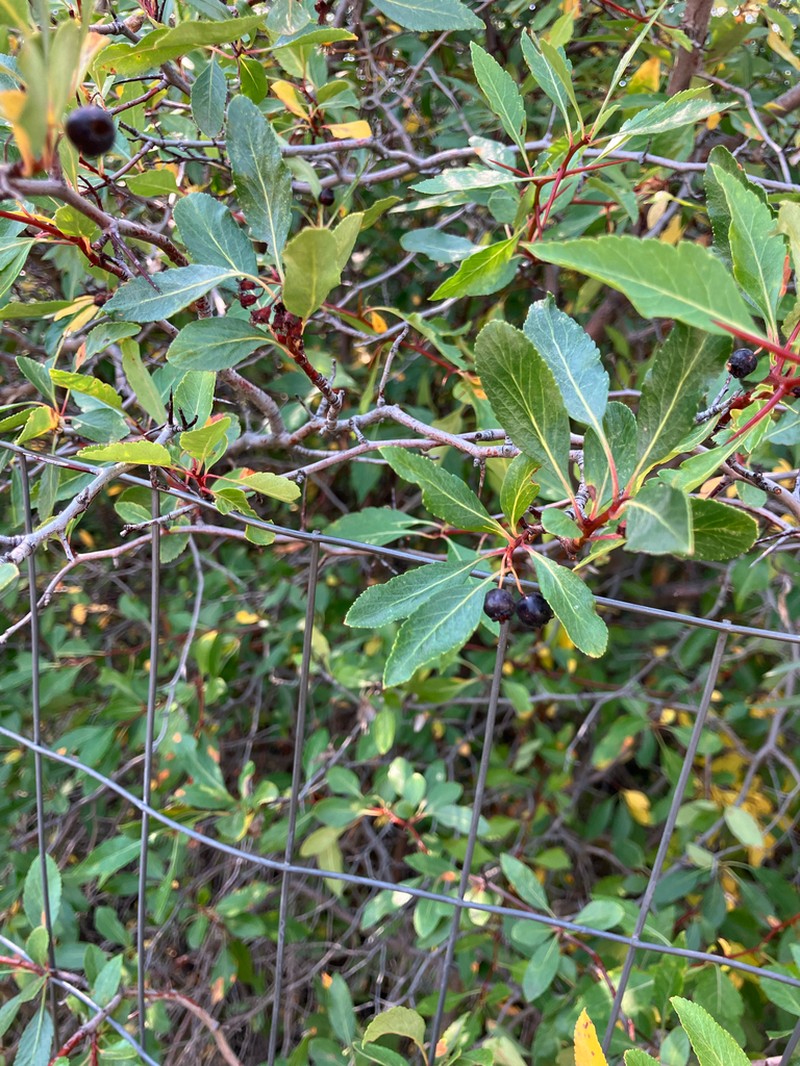
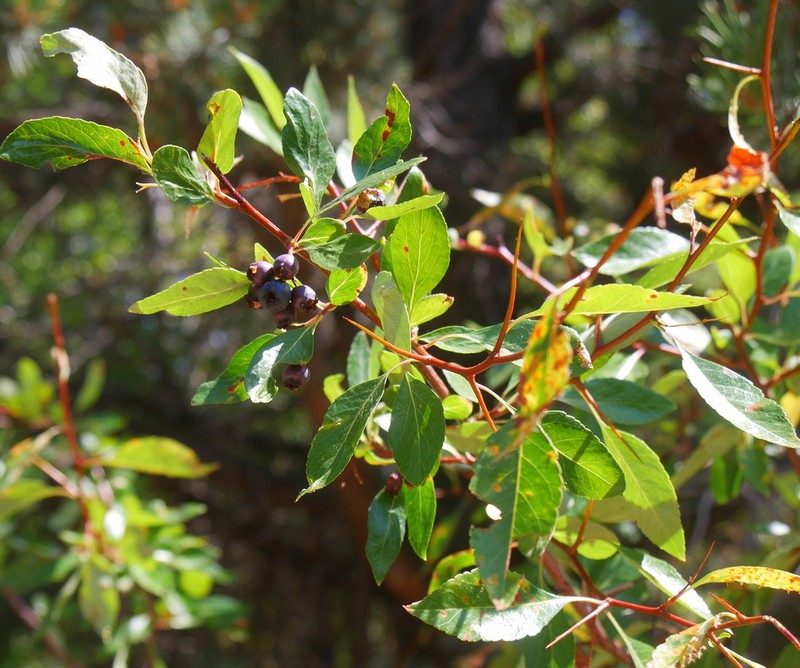
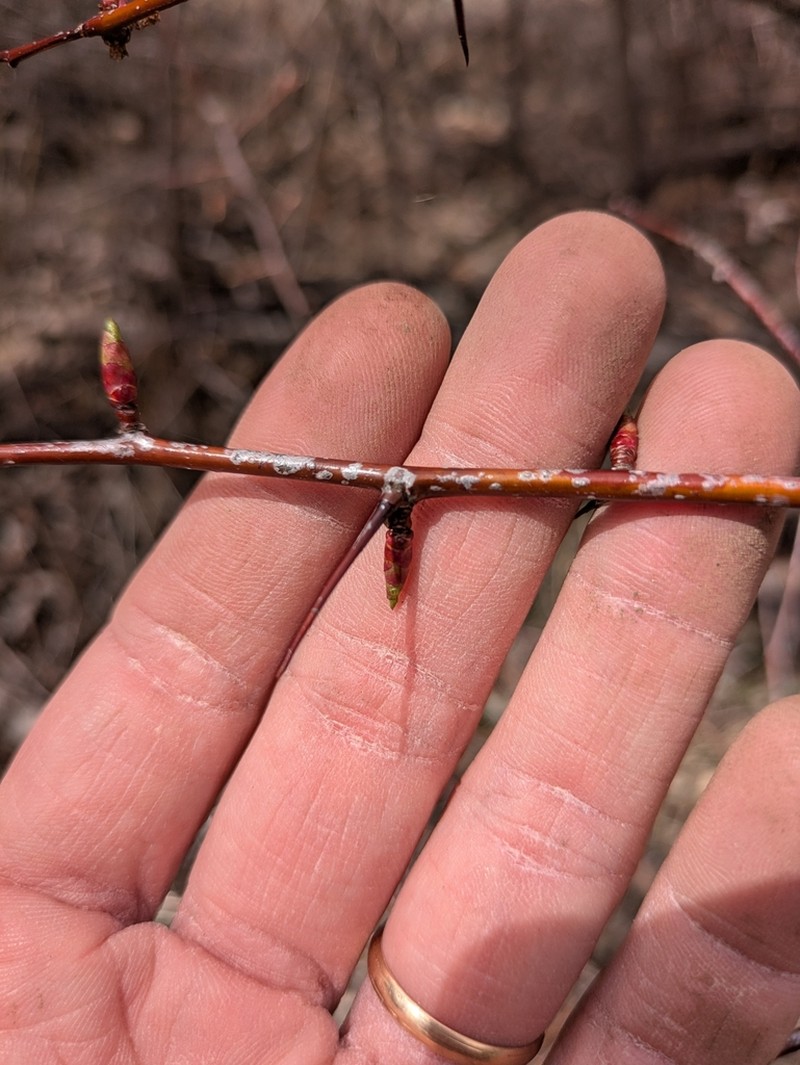
Crataegus saligna
- Native to:
- United States
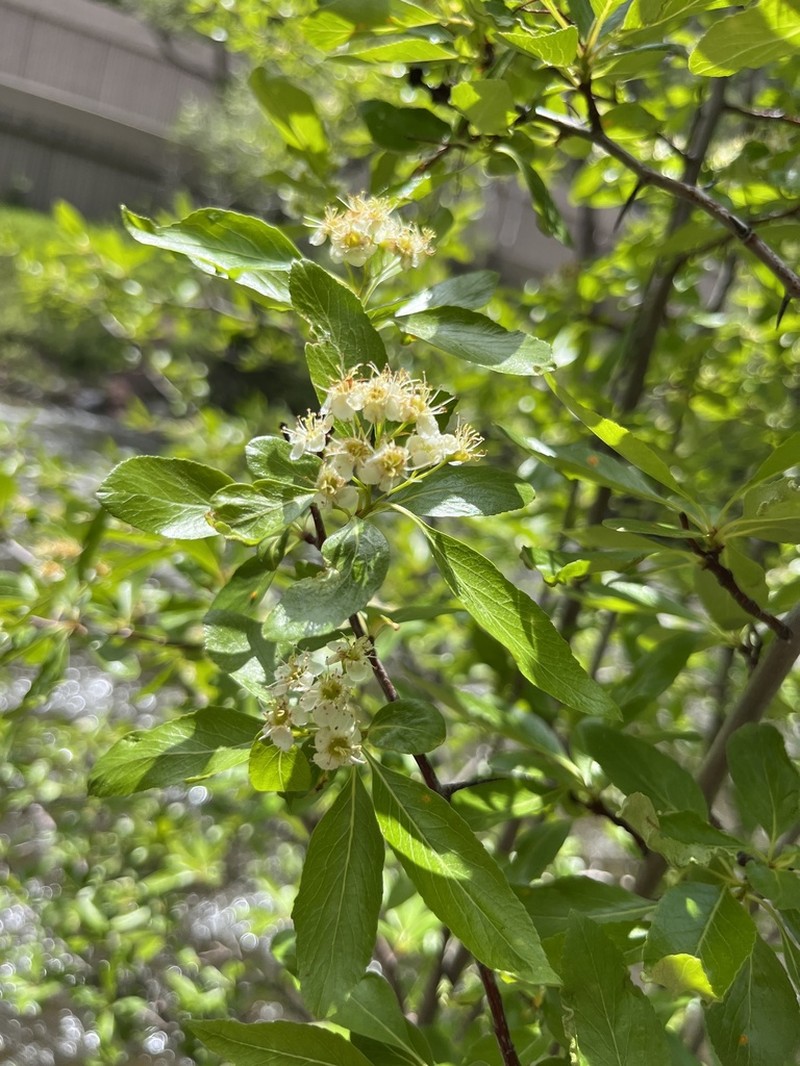
iNaturalist: © rea_orthner (iNaturalist #167449889)
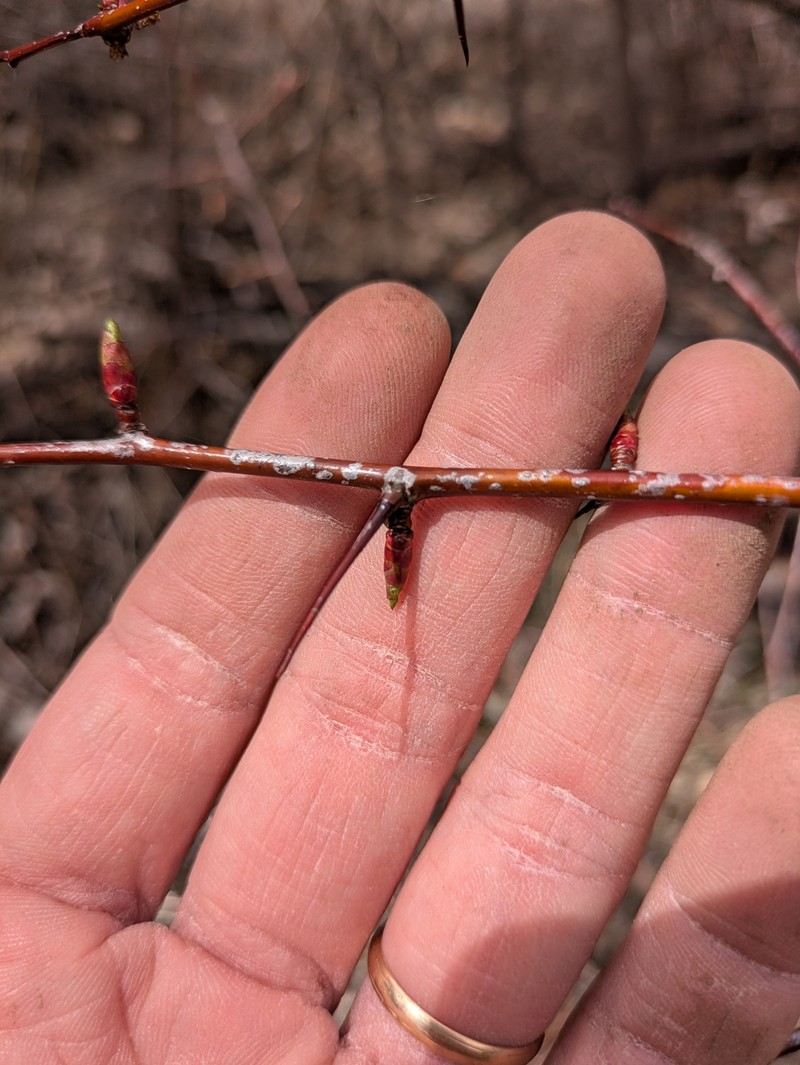
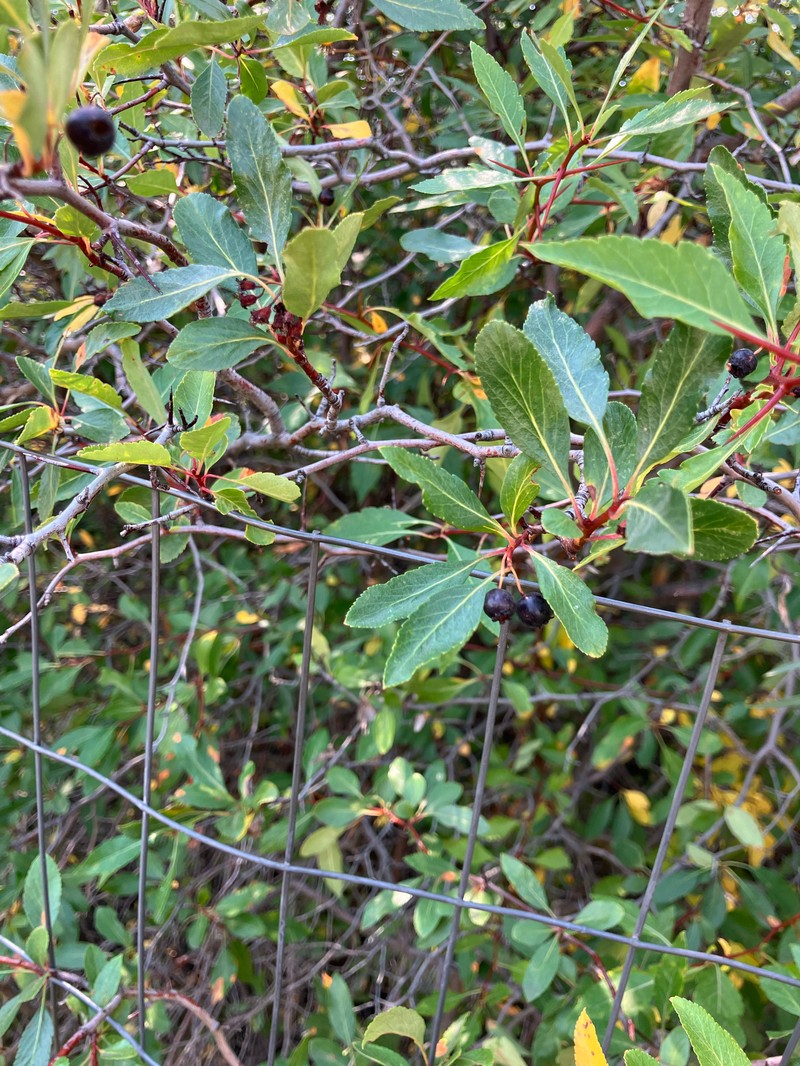
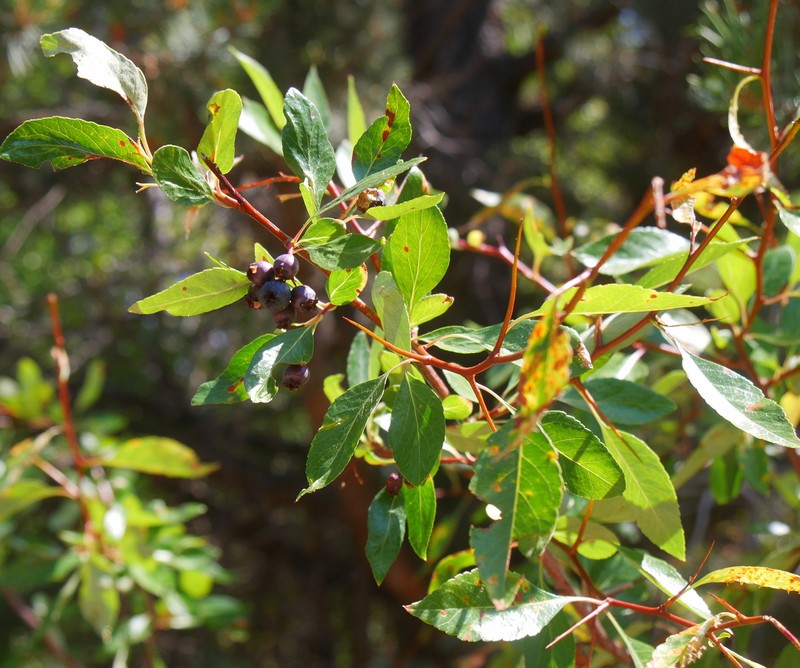
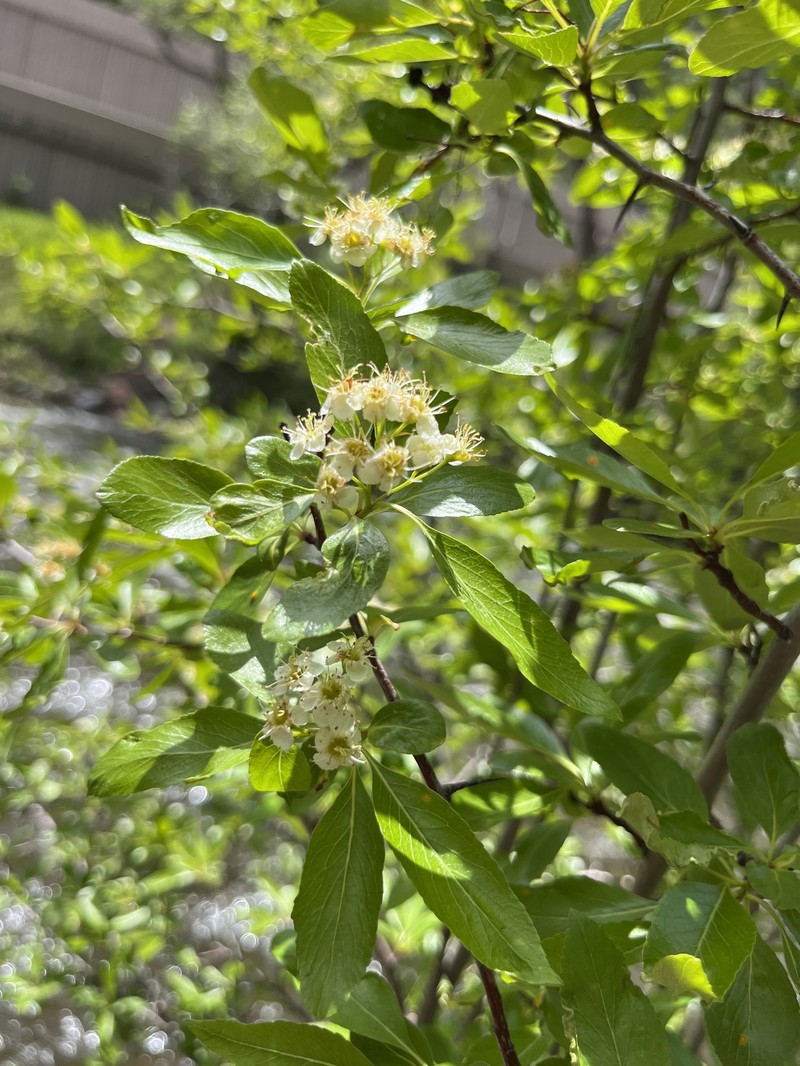
Taxonomy
- Division:
- Magnoliophyta | - Flowering plants
- Family:
- Rosaceae
- Genus:
- Crataegus
- Species:
- Crataegus saligna
- USDA Symbol:
- CRSA2
Growth Characteristics
- Life Cycle:
- Perennial
- Growth Habit:
- Shrub , Tree
- Height:
- 800 cm
- Light Requirements:
- Full Sun
- Drought Tolerance:
- Medium
- Bloom Months:
- may,jun
- Bloom Colors:
- white
Wildlife Benefits
- Butterflies & Moths:
- ★★★★★ Documented Lepidoptera association (GBIF)
Keystone Species Ranking
- Caterpillar Keystone:
- ★★★★★ Butterfly & moth species supported by this genus (NWF)
Host Plant for Caterpillars
Autumnal moth (Epirrita autumnata), Blinded Sphinx (Paonias excaecata), brown-tipped selenia (Selenia alciphearia), Dimorphic Euchlaena Moth (Euchlaena mollisaria), Fall webworm (Hyphantria cunea), fragile dagger moth (Acronicta fragilis), funeral dagger moth (Acronicta funeralis), George's pinion (Lithophane georgii), Morning-glory prominent moth (Schizura ipomoeae), Radcliffe's dagger moth (Acronicta radcliffei), Rusty Tussock Moth (Orgyia antiqua), Synaxis jubararia, Waved Sphinx (Ceratomia undulosa), Western tent caterpillar (Malacosoma californica), Pale Swallowtail (Papilio eurymedon)
Garden & Ecology Notes
- Wildlife Value:
- birds, butterflies, small mammals
- Fall Color:
- red, orange
Soil Requirements
- Soil Type:
- sandy, well-drained, nutrient-poor soil
- pH:
- 6.0 - 8.0 (neutral to slightly alkaline)
- Drainage:
- excellent drainage required
- Moisture:
- dry to moderate
- Notes:
- native to riparian zones, prefers sunny areas
Propagation & Germination
- Stratification:
- Cold/moist stratification required — 60–90 days
- Germination Time:
- 30–180 days
- Notes:
- Seeds benefit from cold stratification for 60-90 days to break dormancy.
Pre-treatment: Cold-moist stratification for 30 days at 1–5°C (34–41°F).; then Cold-moist stratification for 60 days.
Source: Claude AI
Where to Buy
Nationwide Seller
- Sheffield's Seed (seeds)