
Sticky Cinquefoil
Drymocallis glandulosa
- Native to:
- Canada, Mexico, United States
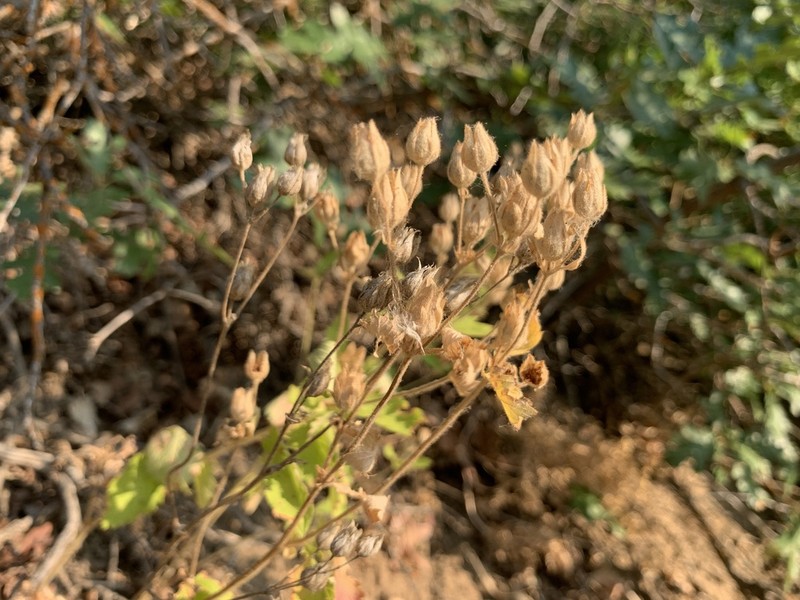
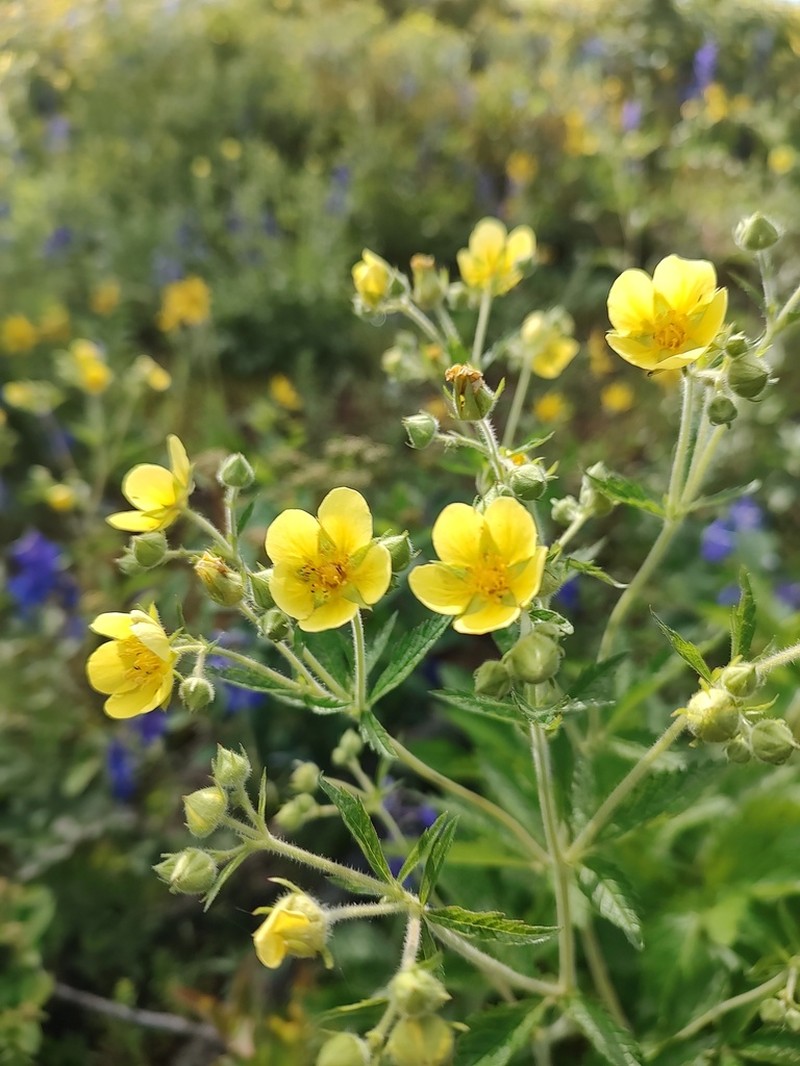
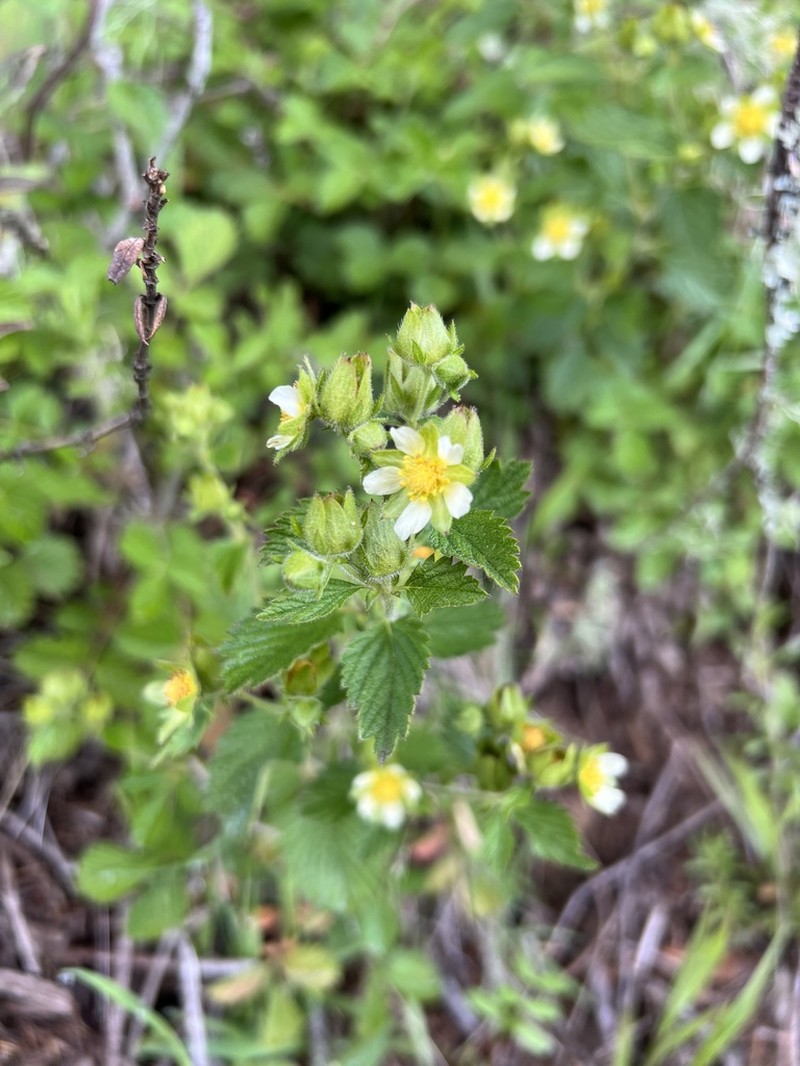
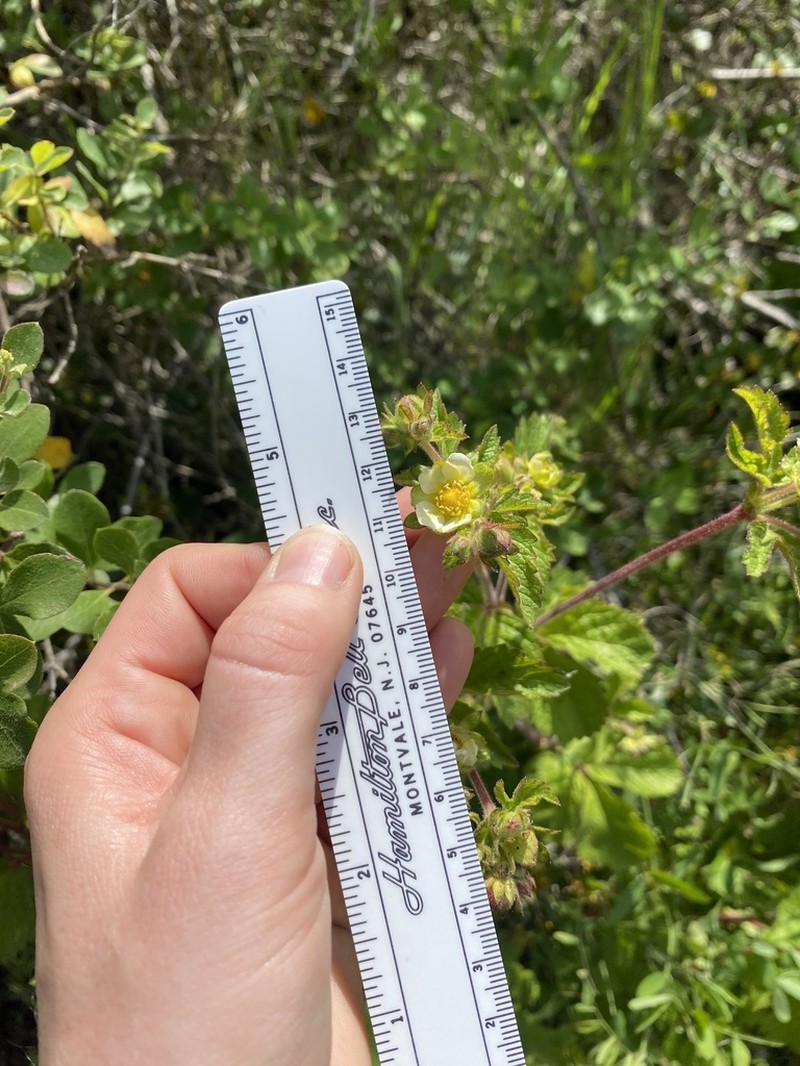
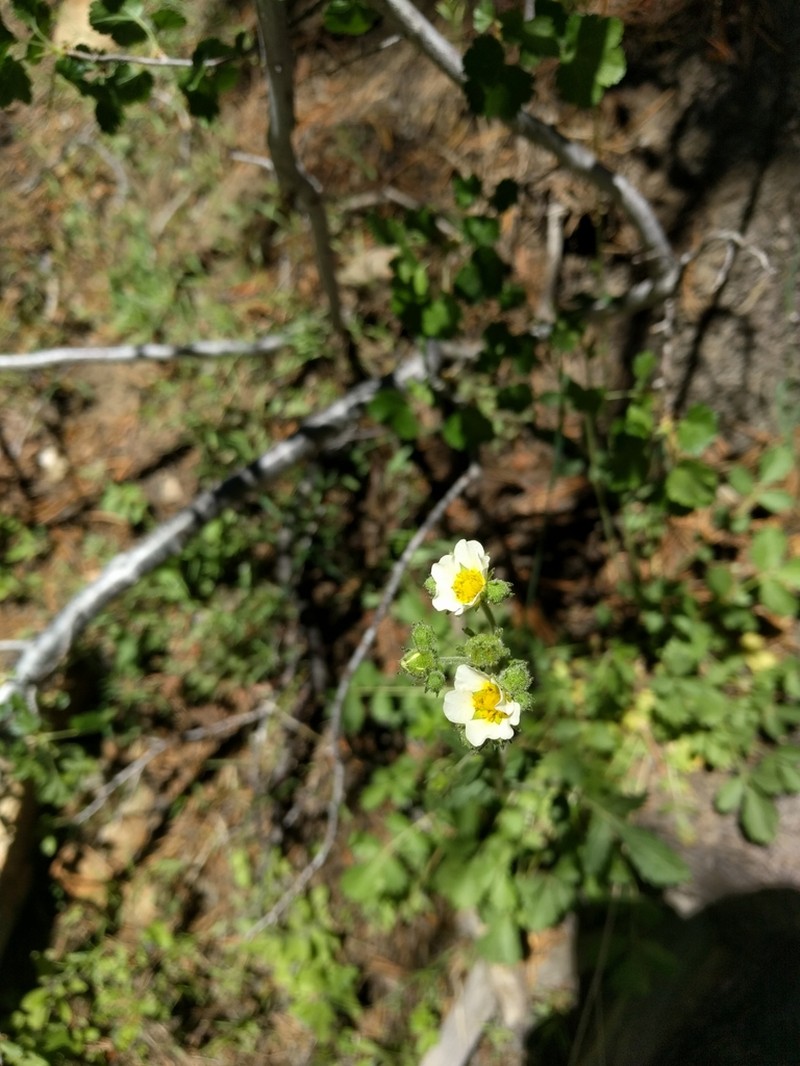
iNaturalist: © zacharyearl08 (iNaturalist #233216091)
Taxonomy
- Division:
- Magnoliophyta | - Flowering plants
- Family:
- Rosaceae
- Genus:
- Drymocallis
- Species:
- Drymocallis glandulosa
- USDA Symbol:
- POGL9
Growth Characteristics
- Life Cycle:
- Perennial
- Growth Habit:
- Forb/herb , Subshrub
- Height:
- 80 cm
- Light Requirements:
- Full Sun
- Drought Tolerance:
- Medium
- Bloom Months:
- may,jun,jul
- Bloom Colors:
- yellow
Wildlife Benefits
- Bees:
- ★☆☆☆☆ Documented bee visitation (GBIF)
- Butterflies & Moths:
- ★★☆☆☆ Documented Lepidoptera association (GBIF)
Reported Fauna Sightings
Bees: Two-form bumble bee (Bombus bifarius)
Garden & Ecology Notes
- Wildlife Value:
- bees, butterflies
Soil Requirements
- Soil Type:
- rocky, well-drained sandy loam
- pH:
- 5.5 - 7.5 (slightly acidic to neutral)
- Drainage:
- excellent drainage required
- Moisture:
- dry to moderate
- Notes:
- often found in open woodlands and rocky slopes
Propagation & Germination
- Stratification:
- Cold/moist stratification required — 30–60 days
- Germination Time:
- 14–30 days
- Notes:
- Seeds benefit from cold stratification for 4-8 weeks to break dormancy.
Pre-treatment: Seeds can be imbibed in water and placed into moist paper towels that are inserted into an opened plastic bag. Seeds are stratified at 1 to 3 C in the refrigerator for 60-90 days. However, some protocols suggest no pre-treatment is required.
Establishment: There is some variation in the pre-treatment protocol, with some suggesting a cold, moist stratification period of 60-90 days and others suggesting no pre-treatment is necessary. The plant is generally found from southern B.C. to northern Baja California, east to southwest Alberta, Montana, Wyoming, Colorado, Utah, Arizona, and the Rocky Mountain States.
Source: npn.rngr.net