
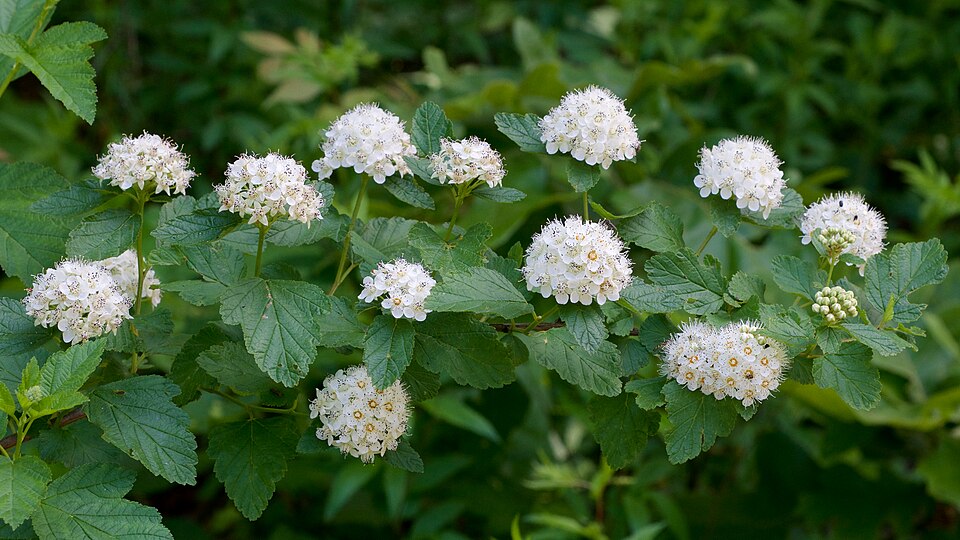
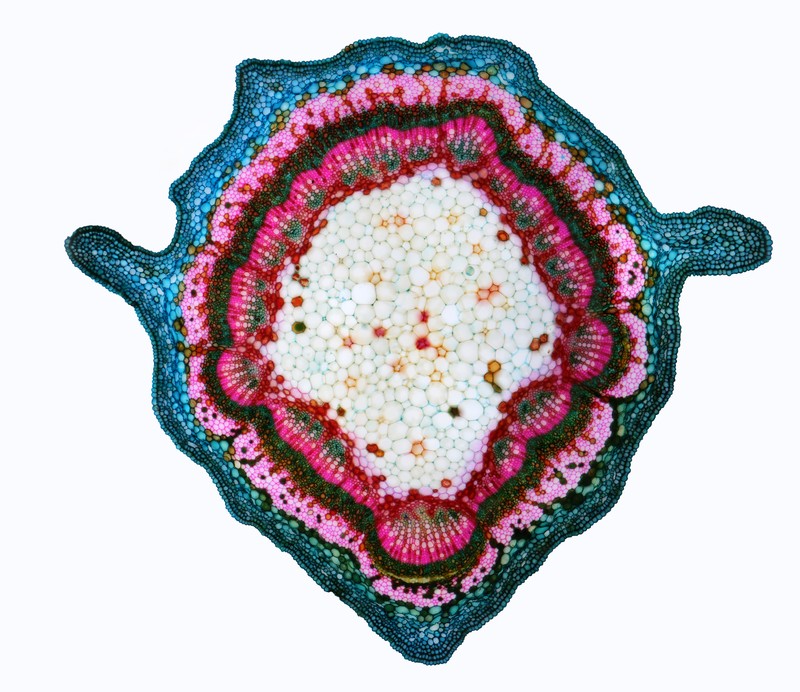
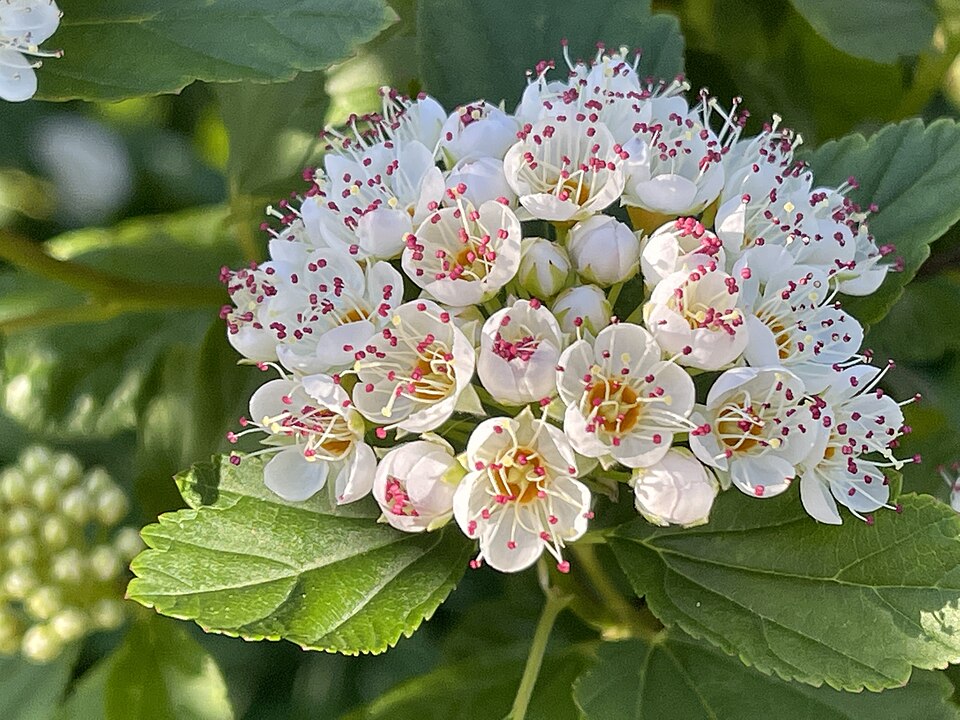
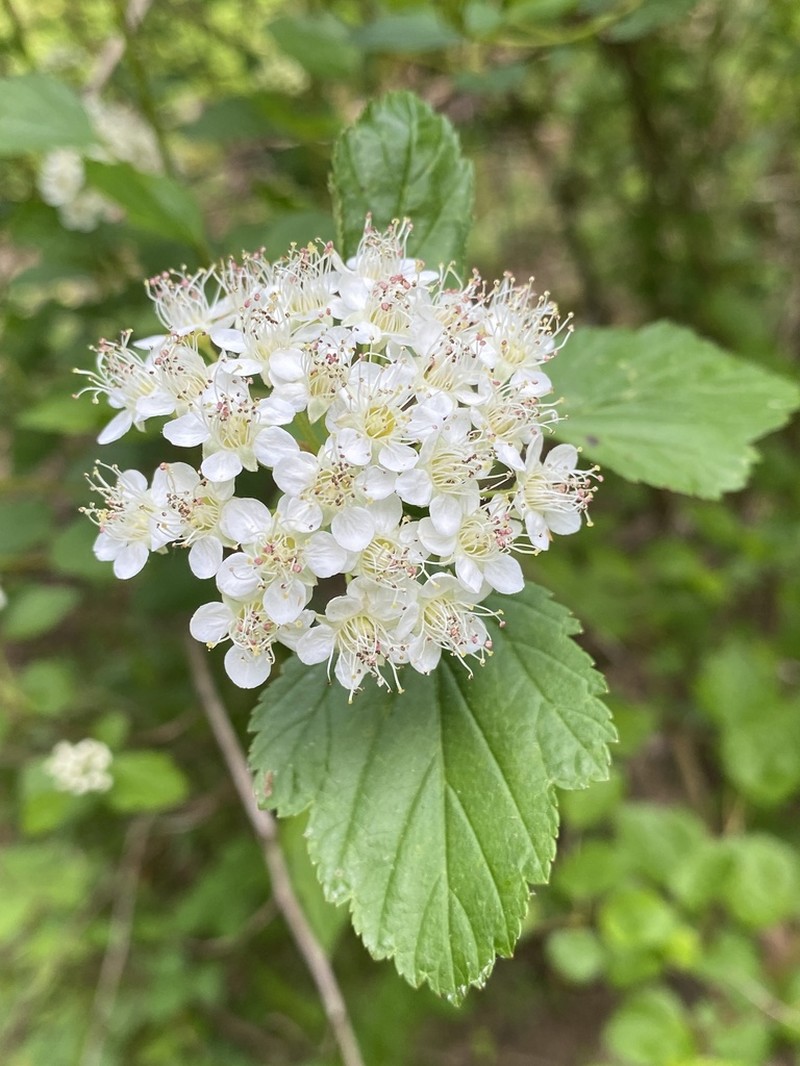
Common Ninebark
Physocarpus opulifolius
Also known as: Physocarpus bracteatus
- Native to:
- Canada, United States, Virgin Islands
Anatoly Mikhaltsov
Taxonomy
- Division:
- Magnoliophyta | - Flowering plants
- Family:
- Rosaceae
- Genus:
- Physocarpus
- Species:
- Physocarpus opulifolius
- USDA Symbol:
- PHOP
Growth Characteristics
- Life Cycle:
- Perennial
- Growth Habit:
- Shrub
- Height:
- 300 cm
- Light Requirements:
- Full Sun,Part Shade,Shade
- Drought Tolerance:
- Medium
- Bloom Months:
- may,jun,jul
- Bloom Colors:
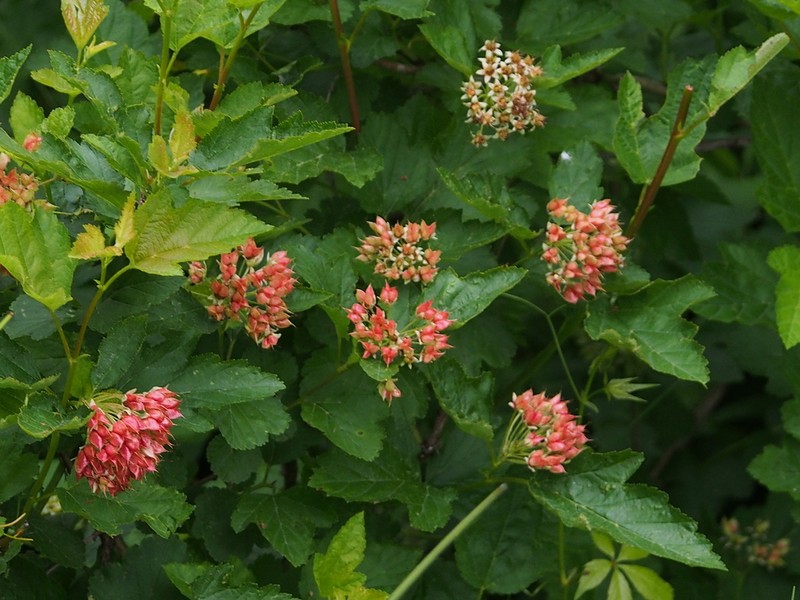
- white, pink
- Landscaping Shrub:
- Yes
Wildlife Benefits
- Bees:
- ★☆☆☆☆ Documented bee visitation (GBIF)
- Butterflies & Moths:
- ★★★★★ Documented Lepidoptera association (GBIF)
Keystone Species Ranking
- Caterpillar Keystone:
- ★★★☆☆ Butterfly & moth species supported by this genus (NWF)
Host Plant for Caterpillars
Garden & Ecology Notes
- Wildlife Value:
- birds, butterflies, bees
- Fall Color:
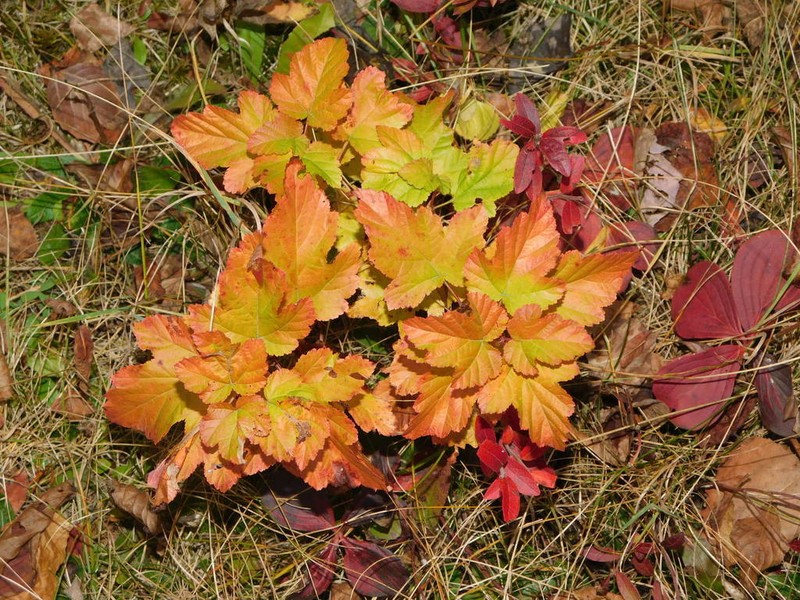
- yellow, red
Soil Requirements
- Soil Type:
- rich, well-drained loamy soil
- pH:
- 5.5 - 7.5 (slightly acidic to neutral)
- Drainage:
- tolerates poor drainage
- Moisture:
- consistently moist
- Notes:
- prefers fertile soils in riparian zones
Propagation & Germination
- Stratification:
- Cold/moist stratification required — 30–60 days
- Germination Time:
- 14–30 days
- Notes:
- Seeds benefit from cold stratification for 30-60 days to break dormancy.
Pre-treatment: Mix an equal amount of seeds with either perlite or vermiculite in a Ziploc-style bag or a small Rubbermaid-style container. Add a small amount of water (no visible water should be in the bag or container). Place in a refrigerator or cold garage (33-42 degrees F) for 3-5 months. Cold store until planted (up to 3 years). Alternatively, seeds can be sown in fall (October) mixed 1:1 (v:v) with sifted oak sawdust.
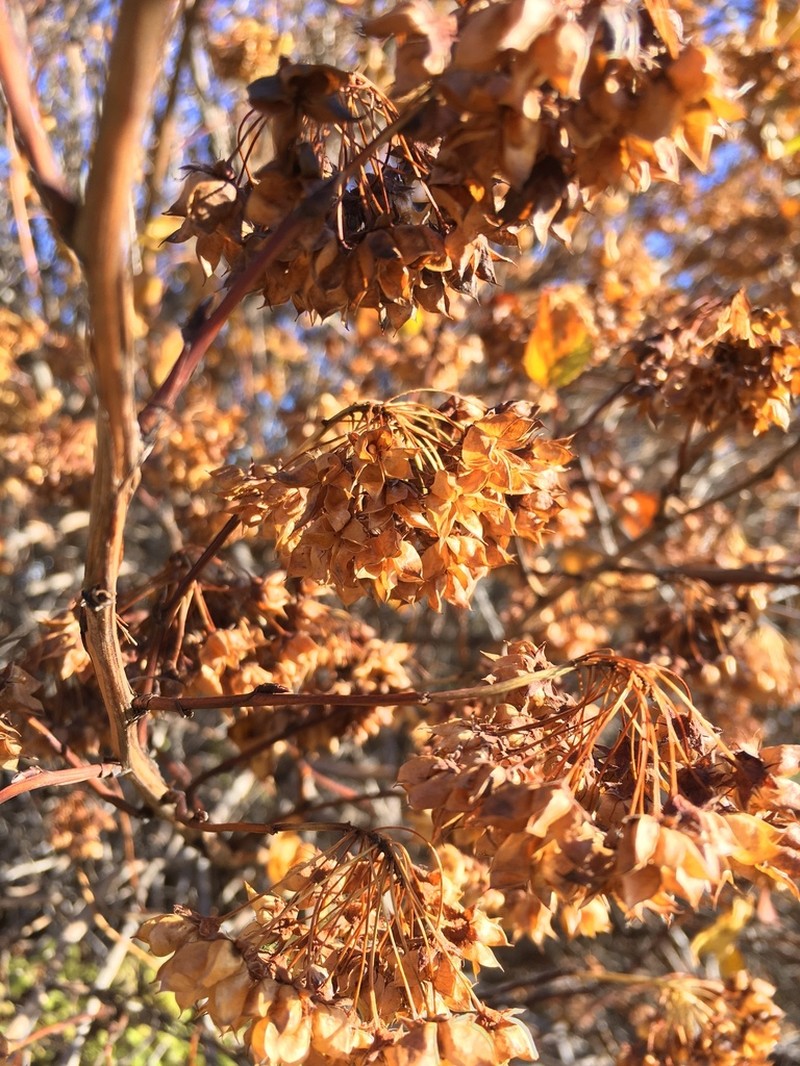
Establishment: Seeds are collected by hand from locally native plants within the eastern central Upper Peninsula. Flowers in the spring. Seed is a bright red fruit and is harvested from July to August. In Missouri, fruits ripen from August to early October and are small, dry pods hanging in drooping, papery clusters that resemble bellows. Each pod contains 2 to 5 yellowish, shiny seeds. Seeds are collected in late September. To allow them to further ripen and dry, they are placed in elevated wooden boxes with standard house screen on the bottom.
Source: npn.rngr.net
ORGHPS Germination Guide: Expose to fluctuating outdoor winter temps incl. freezing for 3 months. Increase light/temp in spring.
Where to Buy
Nationwide Seller
- Native Plants Nursery (nursery)
- Prairie Moon Nursery (nursery and seeds)
- Sheffield's Seed (seeds)