
American Plum
Prunus americana
- Native to:
- Canada, United States, Virgin Islands
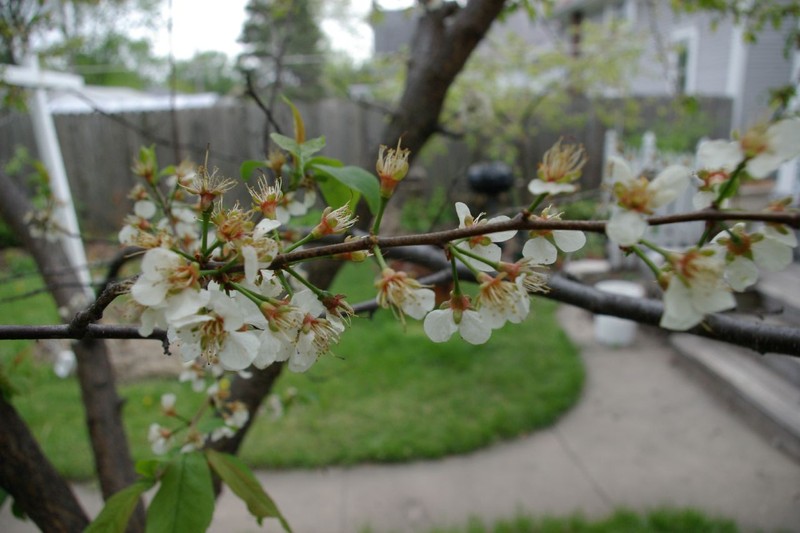
Andrew Ciscel (www.flickr.com)
Taxonomy
- Division:
- Magnoliophyta | - Flowering plants
- Family:
- Rosaceae
- Genus:
- Prunus
- Species:
- Prunus americana
- USDA Symbol:
- PRAM
Growth Characteristics
- Life Cycle:
- Perennial
- Growth Habit:
- Shrub , Tree
- Height:
- 762 cm
- Light Requirements:
- Full Sun,Part Shade,Shade
- Drought Tolerance:
- Medium
- Bloom Months:
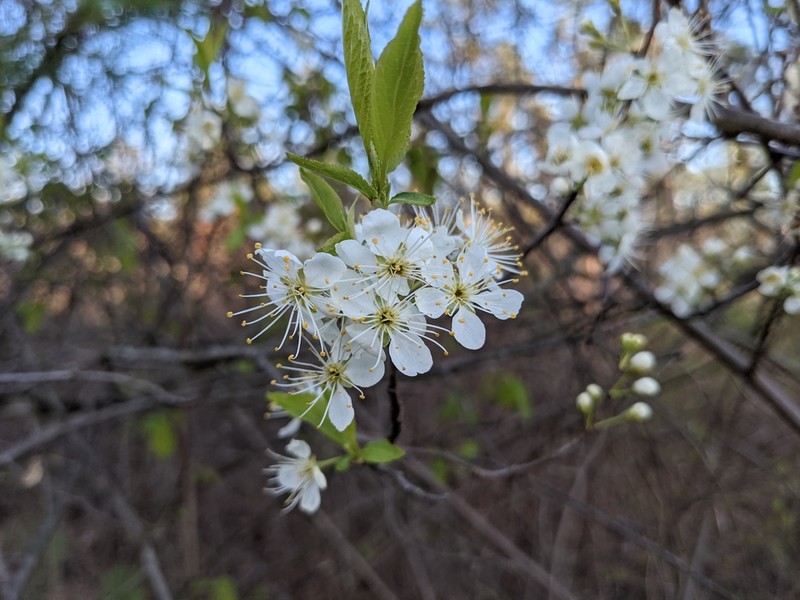
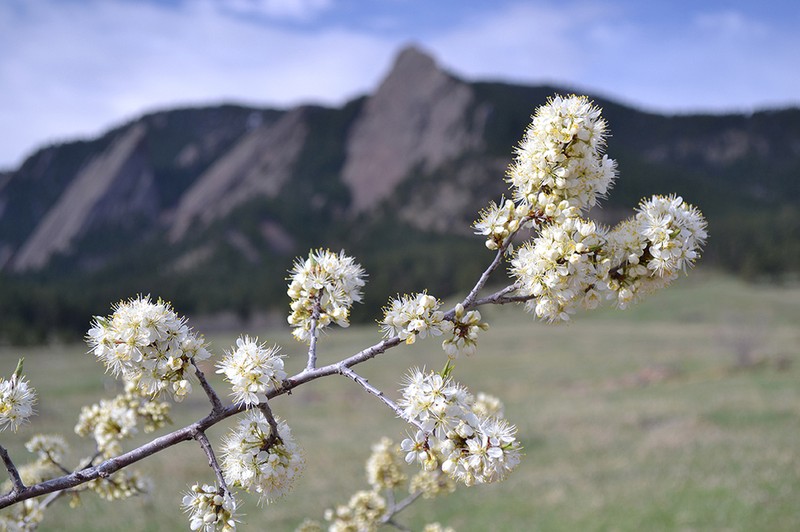
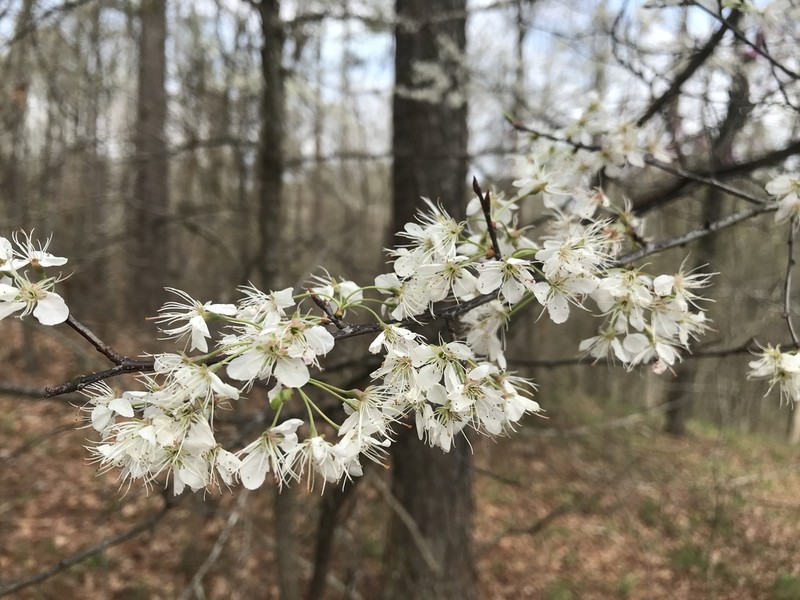
- mar,apr,may
- Bloom Colors:
- white
Wildlife Benefits
- Bees:
- ★★★☆☆ Documented bee visitation (GBIF)
- Butterflies & Moths:
- ★★★★☆ Documented Lepidoptera association (GBIF)
- Caterpillars:
- ★★★★☆ Recorded caterpillar host plant (HOSTS Database)
Keystone Species Ranking
- Caterpillar Keystone:
- ★★★★★ Butterfly & moth species supported by this genus (NWF)
Host Plant for Caterpillars
Acrobasis tricolorella, Ailanthus silkmoth (Samia cynthia), American Dagger Moth (Acronicta americana), American plum leafminer (Stigmella slingerlandella), Army cutworm (Euxoa auxiliaris), Ashen Pinion (Lithophane antennata), Autumnal moth (Epirrita autumnata), bicolored sallow (Sunira bicolorago), Brown angle shades (Phlogophora periculosa), Bucculatrix pomifoliella, Cecropia moth (Hyalophora cecropia), Cerma cerintha, clear dagger moth (Acronicta clarescens), Clinton's Underwing (Catocala clintonii), Coleophora umbratica, Copper Underwing (Amphipyra pyramidoides), Copper Underwing (Amphipyra tragopoginis), Eastern Tent Caterpillar (Malacosoma americana), Evippe prunifoliella, fall cankerworm (Alsophila pometaria), Fall webworm (Hyphantria cunea), forked dagger moth (Acronicta hasta), fragile anacamptodes moth (Anacamptodes fragilaria), hibiscus Quaker (Orthosia hibisci), Interrupted Dagger Moth (Acronicta interrupta), lesser peachtree borer (Synanthedon pictipes), Linden looper (Erannis tiliaria), Lunate zale (Zale lunata), Nameless Pinion (Lithophane innominata), pecan cigar casebearer (Coleophora laticornella), Protorthodes rufula, Red-humped caterpillar moth (Schizura concinna), Ruby Quaker (Orthosia rubescens), Rusty Tussock Moth (Orgyia antiqua), short-lined chocolate (Argyrostrotis anilis), Spring cankerworm (Paleacrita vernata), Stigmella prunifoliella, Twin-spotted sphinx (Smerinthus jamaicensis), Ultronia underwing (Catocala ultronia), Unicorn caterpillar moth (Schizura unicornis), Variegated cutworm (Peridroma saucia), Western tent caterpillar (Malacosoma californica), Western tussock moth (Orgyia vetusta), White-marked Tussock Moth (Orgyia leucostigma), Yellownecked caterpillar (Datana ministra), Eastern Tiger Swallowtail (Papilio glaucus), Harkenclenus titus, Henry's Elfin (Incisalia henrici), Striped Hairstreak (Satyrium liparops), Two-tailed Swallowtail (Papilio multicaudatus), Western Tiger Swallowtail (Papilio rutulus)
Reported Fauna Sightings
Bees: Brown-belted bumble (Bombus griseocollis), Common eastern (Bombus impatiens), Eastern Carpenter Bee (Xylocopa virginica), Two-spotted bumble (Bombus bimaculatus), ⚠️Western honey bee (Apis mellifera) Moths:American plum borer (Euzophera semifuneralis), Clinton's Underwing (Catocala clintonii), Epimenis Moth (Psychomorpha epimenis), Galgula partita, Spring cankerworm (Paleacrita vernata), Ultronia underwing (Catocala ultronia) Butterflies:Eastern Tiger Swallowtail (Papilio glaucus), Red Admiral (Vanessa atalanta)
Garden & Ecology Notes
- Wildlife Value:
- birds, mammals, butterflies
- Fragrant:
- Yes
- Fall Color:
- red, orange
Soil Requirements
- Soil Type:
- rich, well-drained loamy soil
- pH:
- 5.5 - 7.5 (slightly acidic to neutral)
- Drainage:
- excellent drainage required
- Moisture:
- dry to moderate
- Notes:
- Prefers fertile soils but adaptable to various conditions
Propagation & Germination
- Stratification:
- Cold/moist stratification required — 60–90 days
- Germination Time:
- 30–60 days
- Notes:
- Seeds require cold stratification for 60-90 days to break dormancy.
Pre-treatment: Seeds are cold stratified for 150-160 days at 33-40 degrees F after soaking in a running water bath for 48 hours. Seeds that have been in freezer storage for 1 year are also viable. Discard empty seeds.
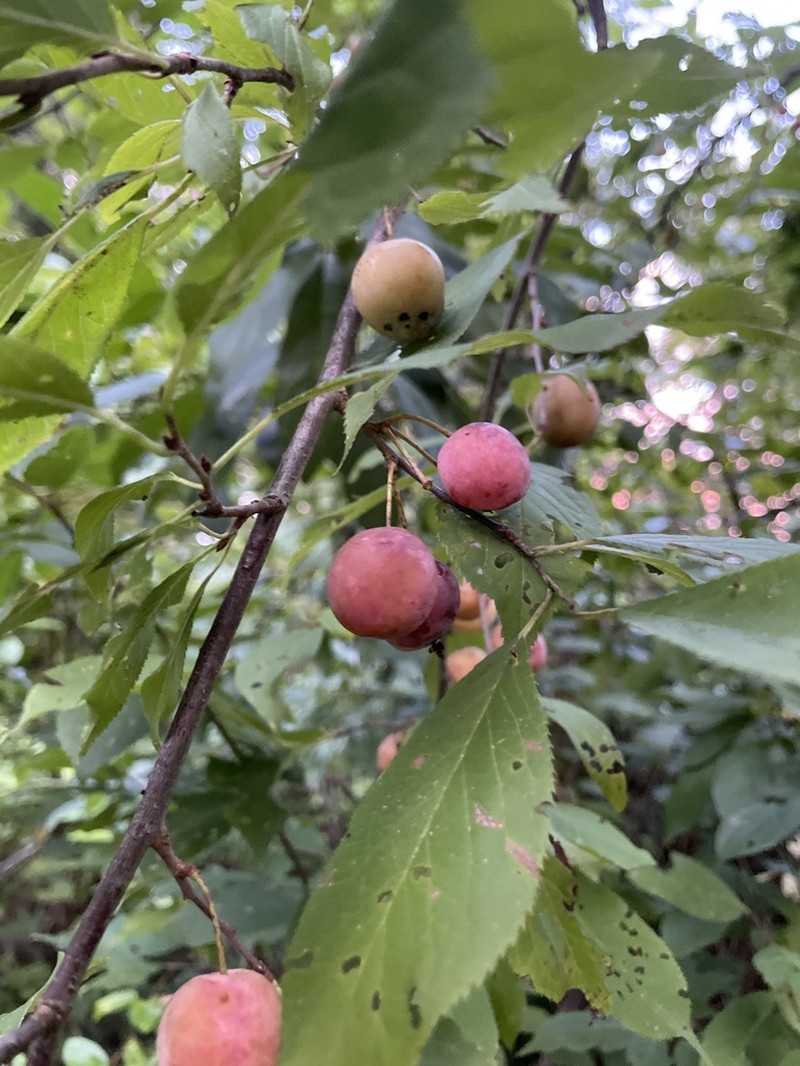
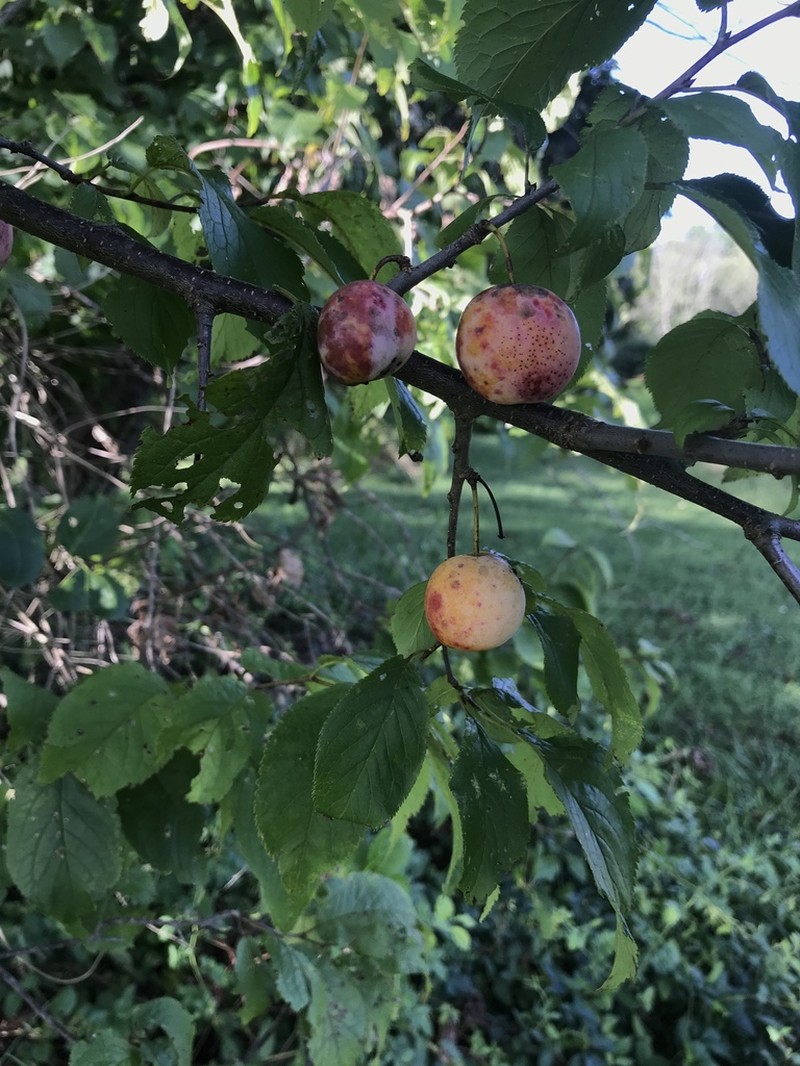
Establishment: Seeds are typically purchased from local collectors or seed companies. The fleshy fruits from which seeds are collected are yellow to red drupes, at least 20 cm (0.8 in) in diameter, with yellow flesh and a compressed pit. Fruits ripen in September. The American plum is found throughout North America, from Massachusetts to Montana, and as far south as New Mexico, central Texas, and northwest Florida.
Source: npn.rngr.net
Where to Buy
Nationwide Seller
- Native Plants Nursery (nursery)
- Prairie Moon Nursery (nursery and seeds)
- Sheffield's Seed (seeds)