
Chickasaw Plum
Prunus angustifolia
- Native to:
- United States, Virgin Islands
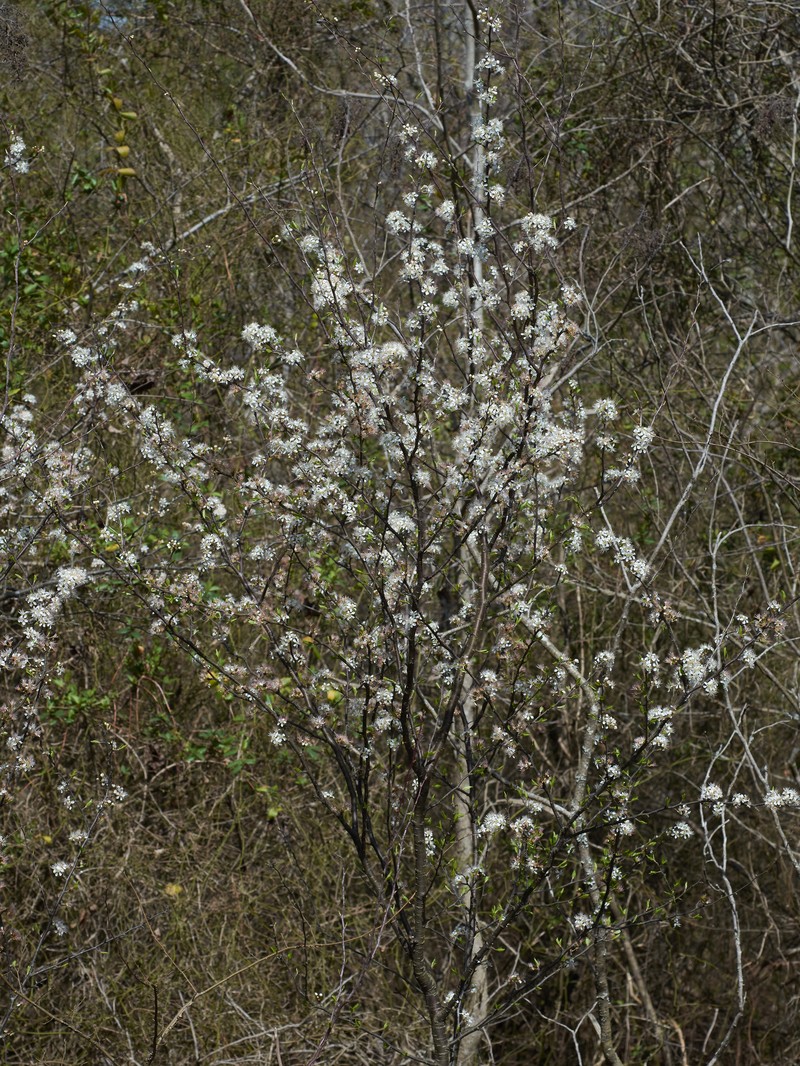
Eric Hunt
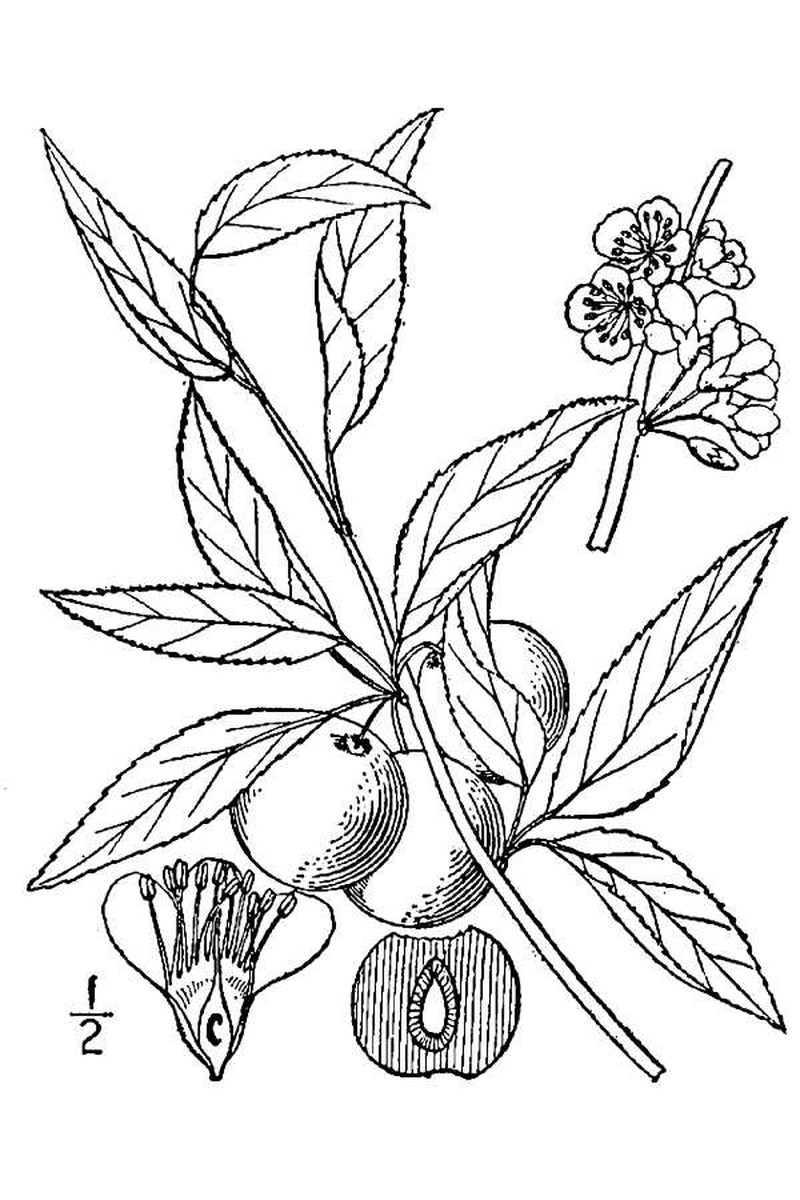
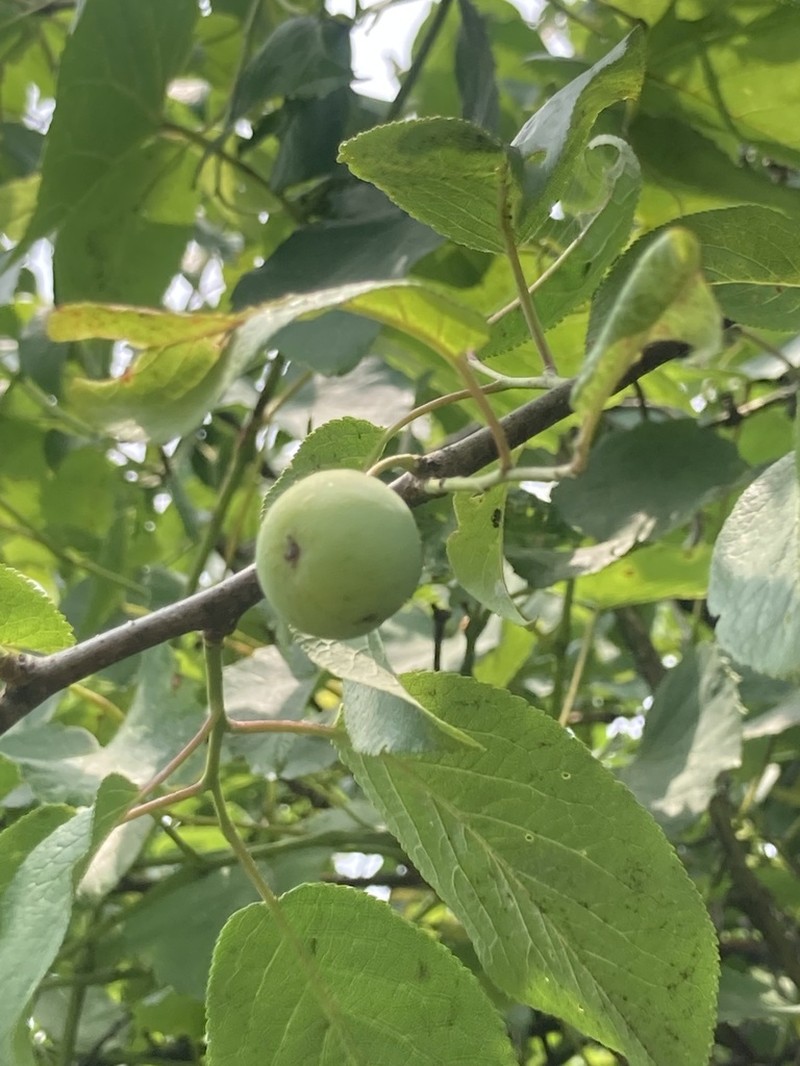
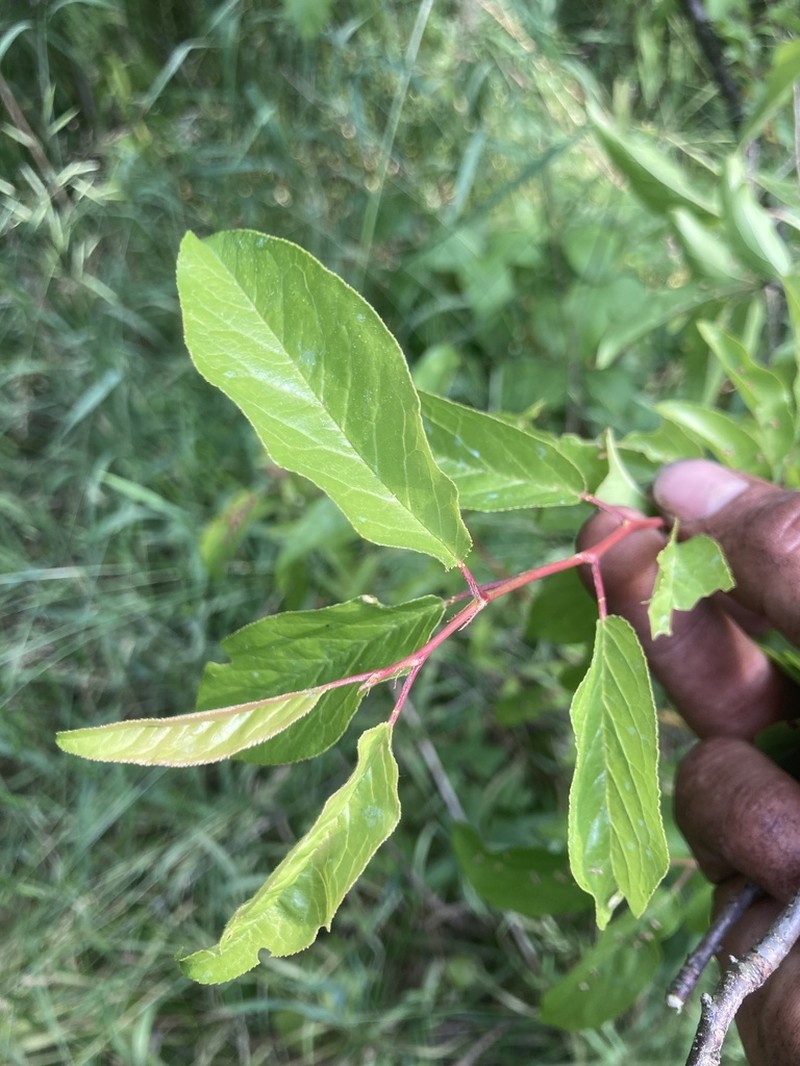
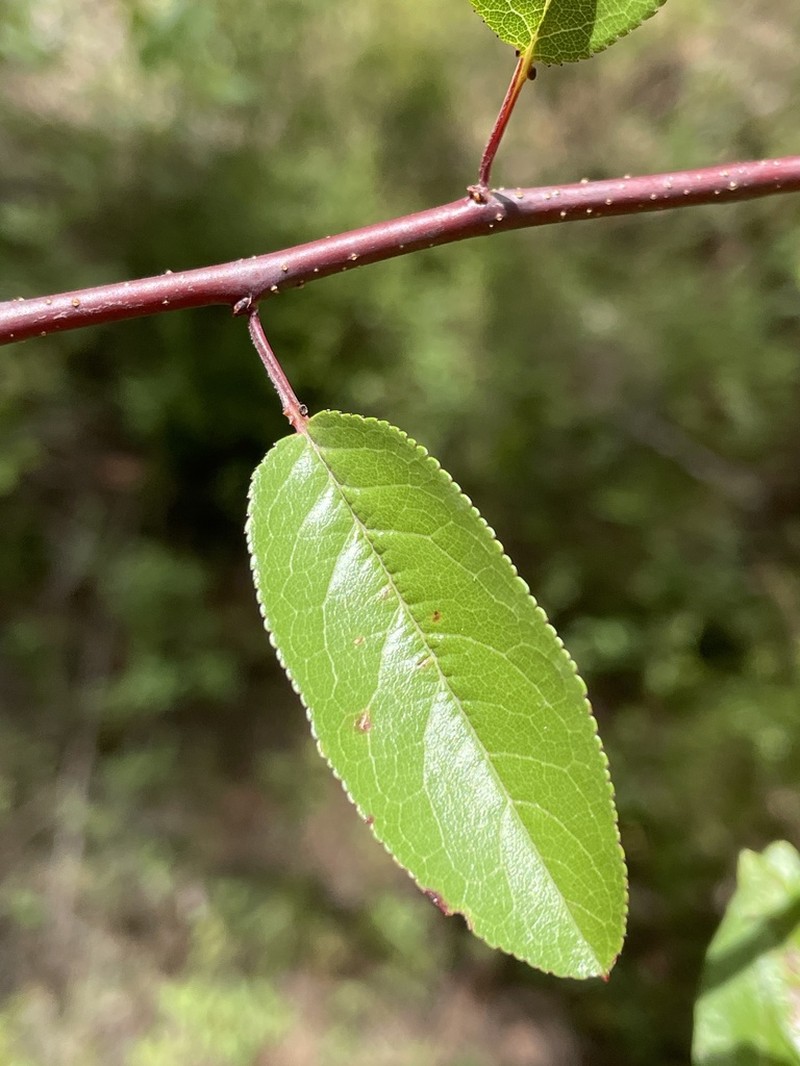
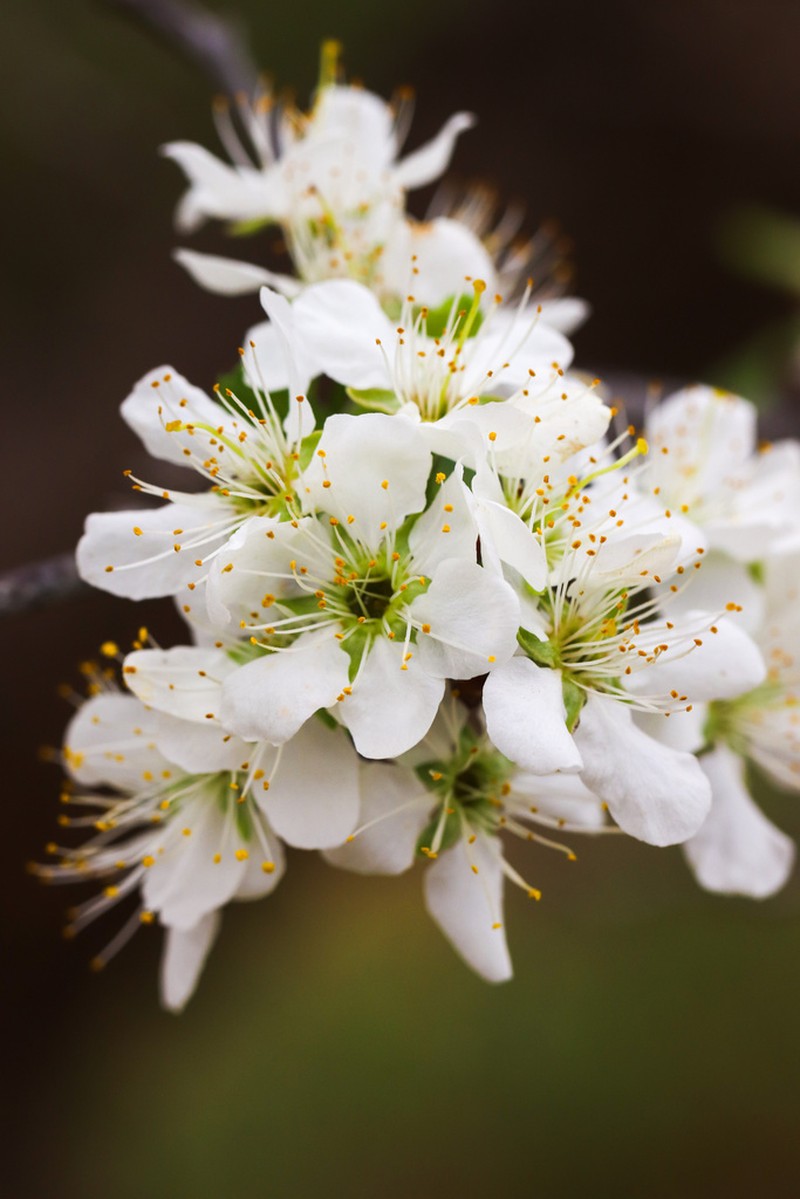
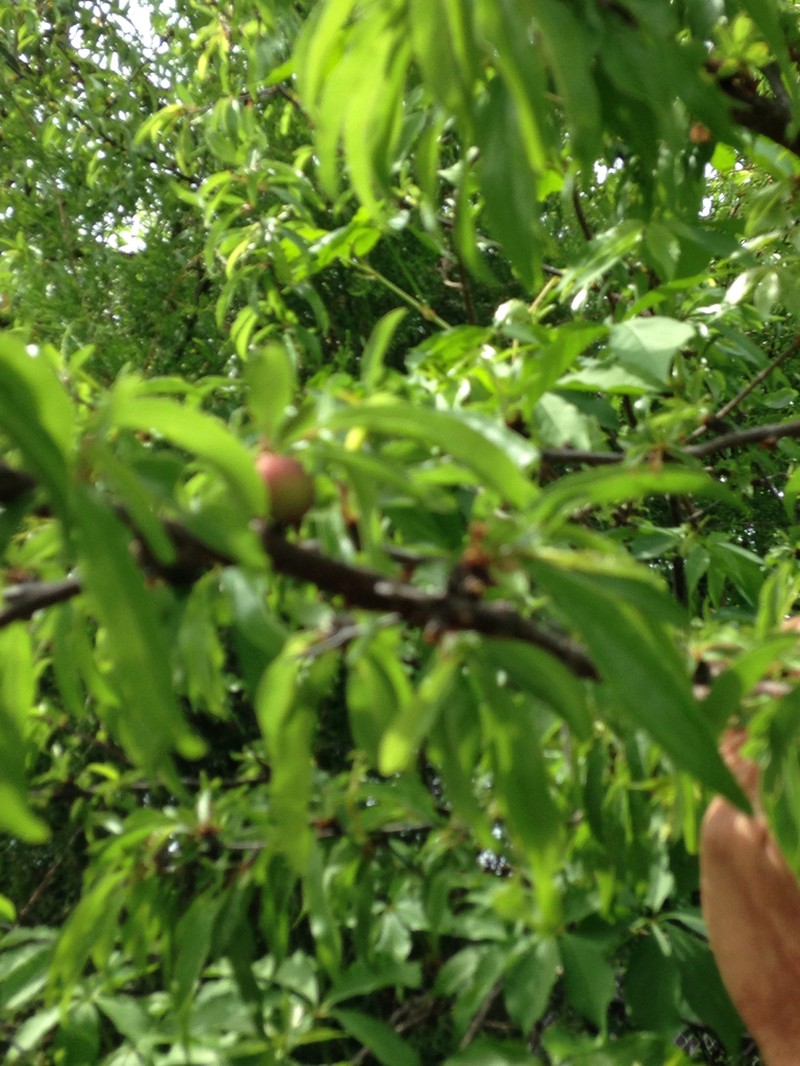
Taxonomy
- Division:
- Magnoliophyta | - Flowering plants
- Family:
- Rosaceae
- Genus:
- Prunus
- Species:
- Prunus angustifolia
- USDA Symbol:
- PRAN3
Growth Characteristics
- Life Cycle:
- Perennial
- Growth Habit:
- Shrub , Tree
- Height:
- 914 cm
- Light Requirements:
- Full Sun,Part Shade
- Drought Tolerance:
- High
- Bloom Months:
- mar,apr
- Bloom Colors:
- white
- Landscaping Shrub:
- Yes
Wildlife Benefits
- Bees:
- ★☆☆☆☆ Documented bee visitation (GBIF)
- Butterflies & Moths:
- ★★★☆☆ Documented Lepidoptera association (GBIF)
- Caterpillars:
- ★☆☆☆☆ Recorded caterpillar host plant (HOSTS Database)
Keystone Species Ranking
- Caterpillar Keystone:
- ★★★★★ Butterfly & moth species supported by this genus (NWF)
Host Plant for Caterpillars
maple leaf blotch miner (Caloptilia invariabilis), Harkenclenus titus
Reported Fauna Sightings
Bees: Two-spotted bumble (Bombus bimaculatus), ⚠️Western honey bee (Apis mellifera) Moths:Eastern Tent Caterpillar (Malacosoma americana), Epimenis Moth (Psychomorpha epimenis) Butterflies:Brown Elfin (Callophrys augustinus), Eastern Tiger Swallowtail (Papilio glaucus), Horace's Duskywing (Erynnis horatius), Juvenal's Duskywing (Erynnis juvenalis), Pipevine Swallowtail (Battus philenor), Zebra Swallowtail (Eurytides marcellus)
Garden & Ecology Notes
- Wildlife Value:
- birds, mammals, butterflies
- Fragrant:
- Yes
- Fall Color:
- red, orange
- Fire Ecology:
- Fire adapted — tolerates or benefits from fire
- Fire Notes:
- Can resprout from root crown after fire; often increases in abundance with fire.
Soil Requirements
- Soil Type:
- sandy, well-drained, nutrient-poor soil
- pH:
- 5.5 - 7.5 (slightly acidic to neutral)
- Drainage:
- excellent drainage required
- Moisture:
- dry to moderate
- Notes:
- native to prairies and open woodlands
Propagation & Germination
- Stratification:
- Cold/moist stratification required — 60–90 days
- Germination Time:
- 30–60 days
- Notes:
- Seeds require cold stratification for 60-90 days to break dormancy.
Pre-treatment: Seeds are either fall sowed after being held in freezer storage or stratified in wet sand or sphagnum peat moss for 60 days in a refrigerator at 36 to 48 degrees Fahrenheit.
Establishment: Seeds are collected from local sources or specific locations such as the Chickasaw National Recreation Area. The protocols differ in the pre-treatment and sowing depth of the seeds.
Source: npn.rngr.net
Where to Buy
Nationwide Seller
- Sheffield's Seed (seeds)