
Apricot
Prunus armeniaca
- Native to:
- China, Kazakhstan, Kirgizstan, Kriti, Uzbekistan
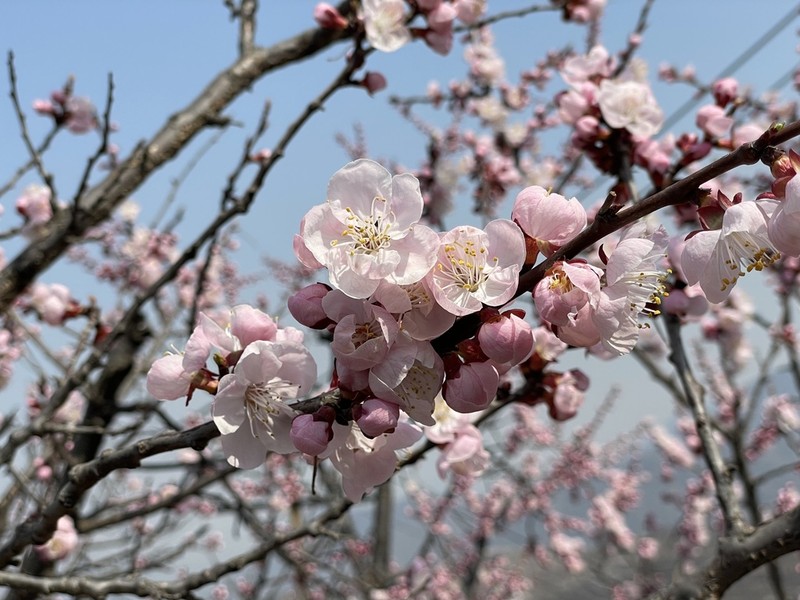
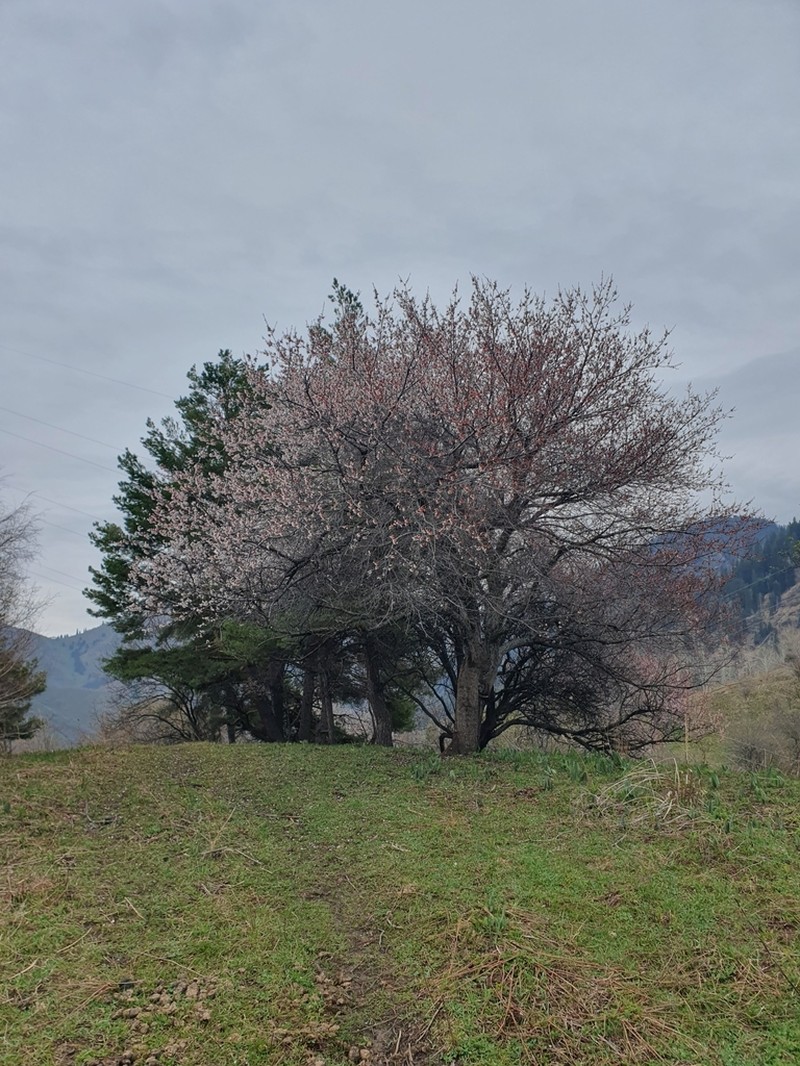
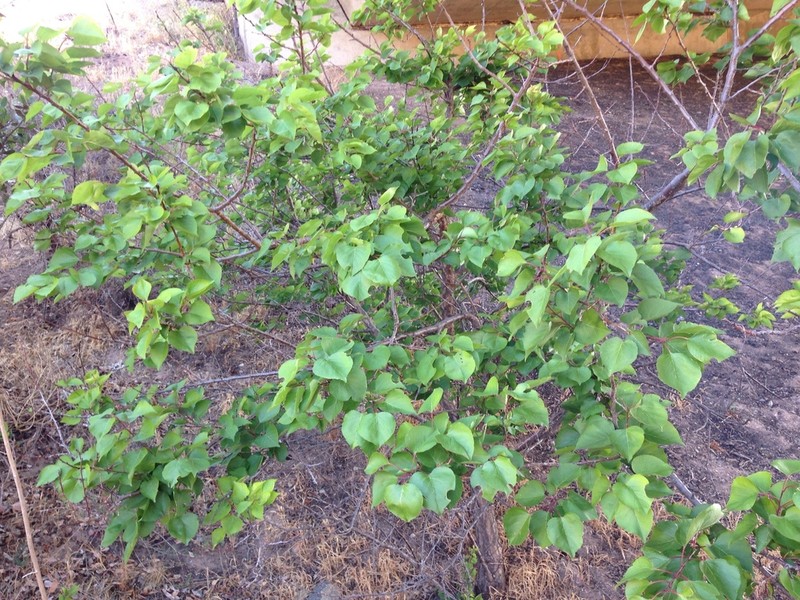
iNaturalist: © jane_charlen (iNaturalist #205475920)
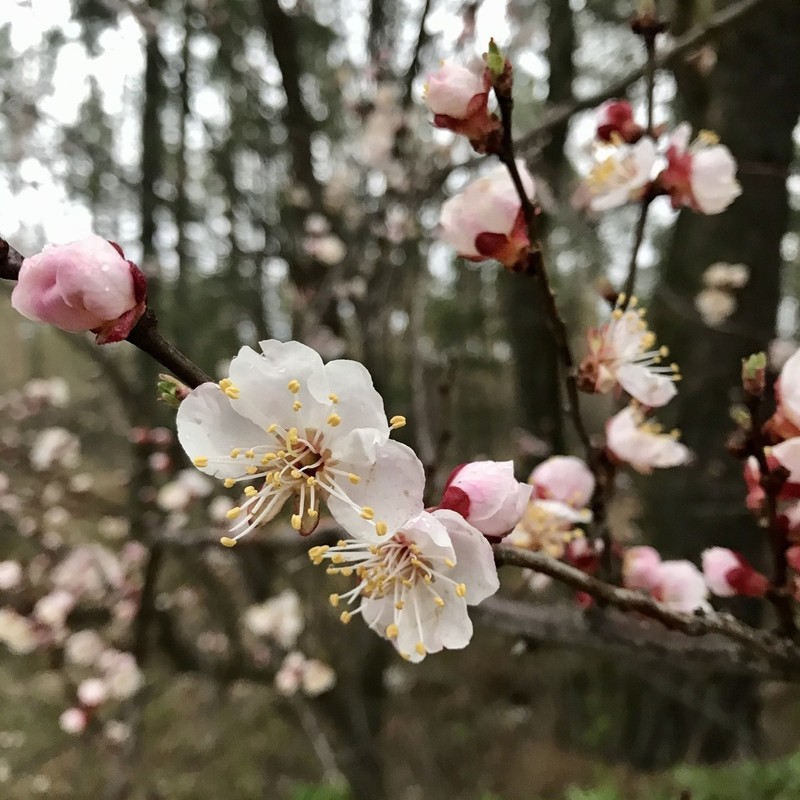
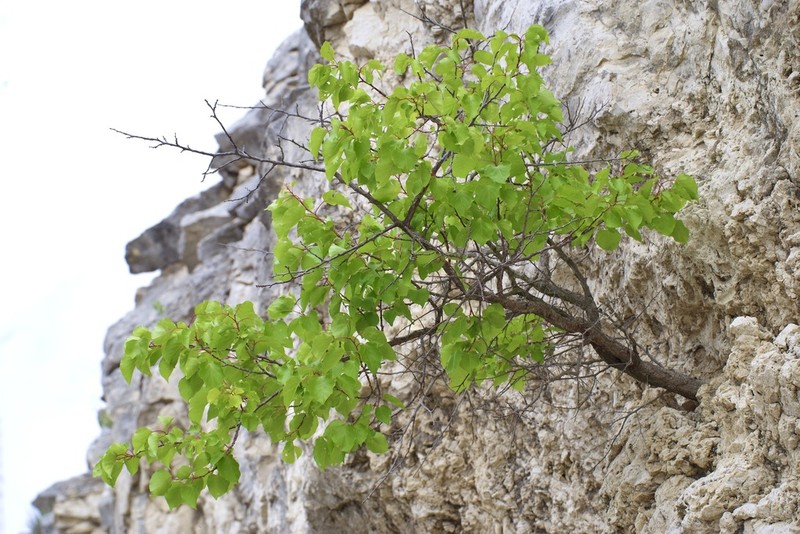
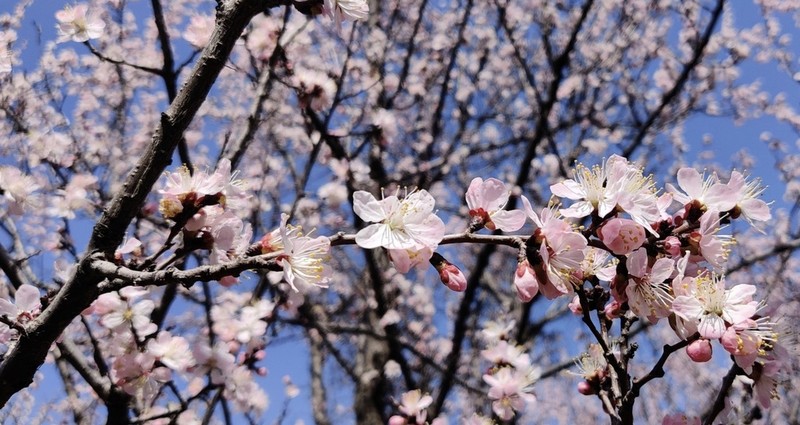
Taxonomy
- Division:
- Magnoliophyta | - Flowering plants
- Family:
- Rosaceae
- Genus:
- Prunus
- Species:
- Prunus armeniaca
- USDA Symbol:
- PRAR3
Growth Characteristics
- Life Cycle:
- Perennial
- Growth Habit:
- Tree
- Height:
- 1200 cm
- Light Requirements:
- Full Sun
- Drought Tolerance:
- Medium
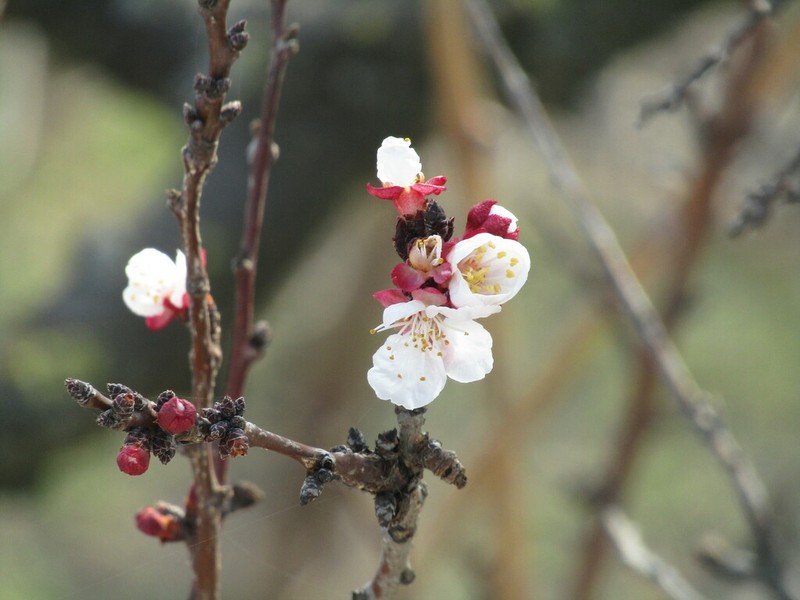
- Bloom Months:
- mar,apr
- Bloom Colors:
- white, pink
- Food Forest:
- Contains edible parts
Keystone Species Ranking
- Caterpillar Keystone:
- ★★★★★ Butterfly & moth species supported by this genus (NWF)
Host Plant for Caterpillars
Acrobasis tricolorella, American plum borer (Euzophera semifuneralis), Bertha armyworm (Mamestra configurata), Cosmet moth (Pyroderces rileyi), Eastern Tent Caterpillar (Malacosoma americana), Fig moth (Cadra figulilella), fruit-tree leafroller (Archips argyrospila), Garden Rose Tortrix (Acleris variegana), incurve tent caterpillar (Malacosoma incurva), Indian meal moth (Plodia interpunctella), Interrupted Dagger Moth (Acronicta interrupta), Lichnoptera decora, Obliquebanded leafroller (Choristoneura rosaceana), omnivorous leaftier (Cnephasia longana), orange tortrix moth (Argyrotaenia citrana), Oriental fruit moth (Cydia molesta), Peach tree borer (Synanthedon exitiosa), Peach Twig Borer (Anarsia lineatella), Protorthodes rufula, Western tent caterpillar (Malacosoma californica), Western Tiger Swallowtail (Papilio rutulus)
Garden & Ecology Notes
- Wildlife Value:
- birds, mammals
- Fragrant:
- Yes
- Fall Color:
- yellow, orange
Soil Requirements
- Soil Type:
- rich, well-drained loamy soil
- pH:
- 6.0 - 7.5 (slightly acidic to neutral)
- Drainage:
- excellent drainage required
- Moisture:
- dry to moderate
- Notes:
- native to regions with well-drained, fertile soils
Propagation & Germination
- Stratification:
- Cold/moist stratification required — 60–90 days
- Germination Time:
- 30–60 days
- Notes:
- Seeds require cold stratification for 60-90 days to break dormancy; sow in fall or after cold treatment.