
Sweet Almond
Prunus avium
- Native to:
- Afghanistan, Albania, Algeria, Austria, Belarus, Belgium, Bulgaria, Corse, Cyprus, Czechia-Slovakia, Denmark, France, Germany, Greece, Hungary, Iran, Ireland, Italy, Krym, Libya, Morocco, Netherlands, North Caucasus, Norway, NW. Balkan Pen., Poland, Portugal, Romania, Spain, Sweden, Switzerland, Transcaucasus, Tunisia, Türkiye, Türkiye-in-Europe, Ukraine
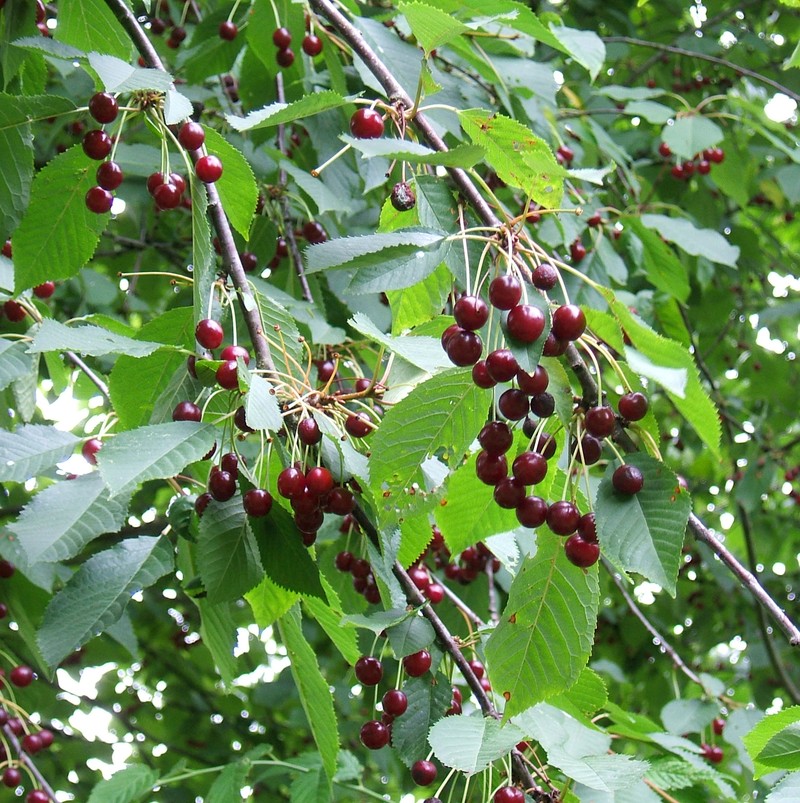
Wikimedia: MPF
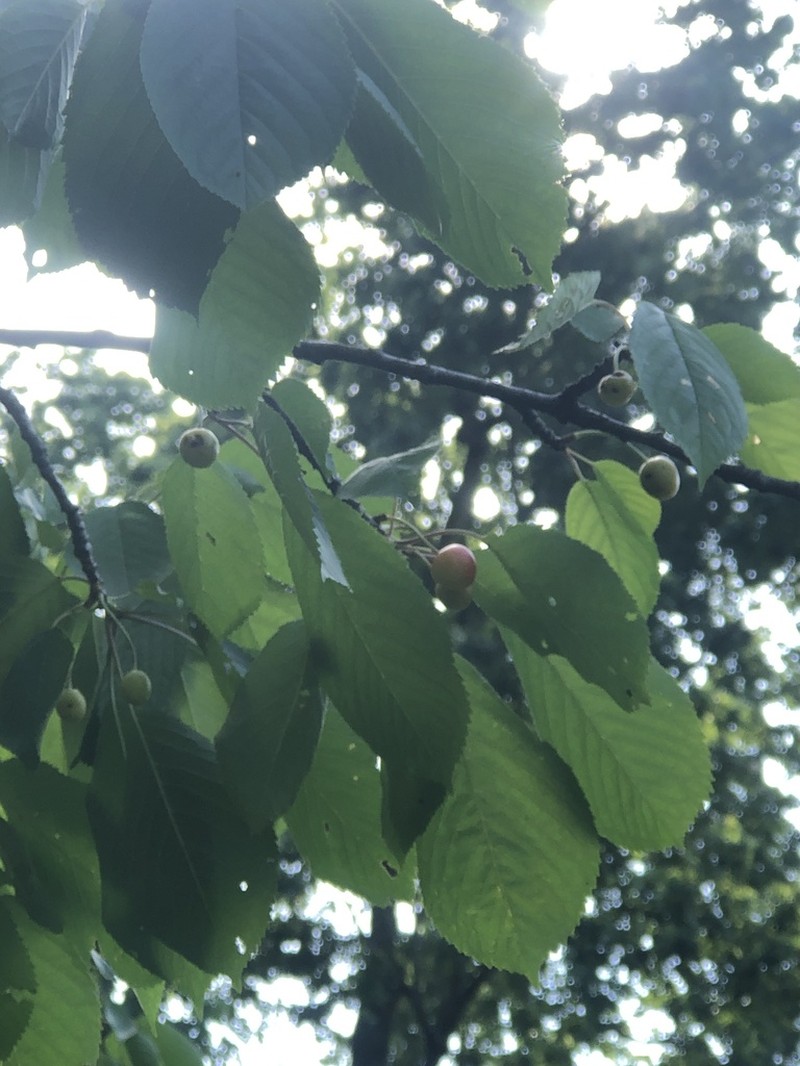
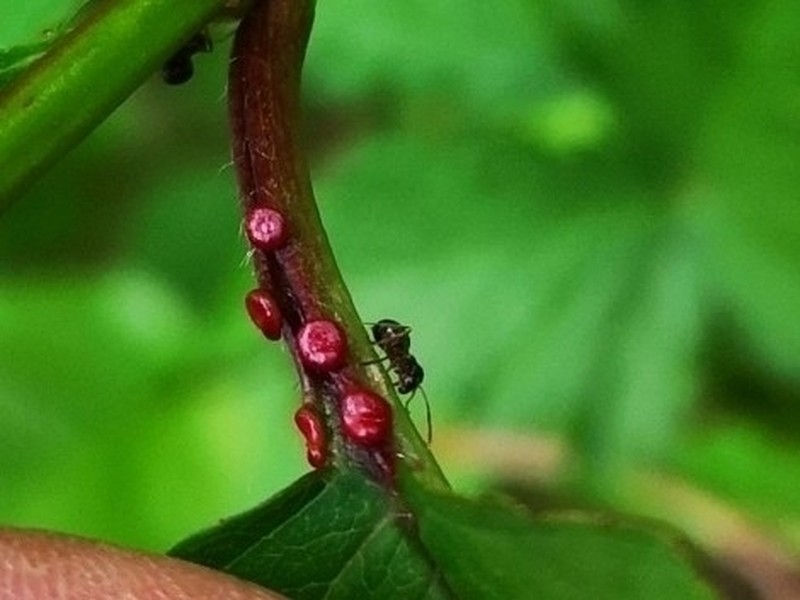
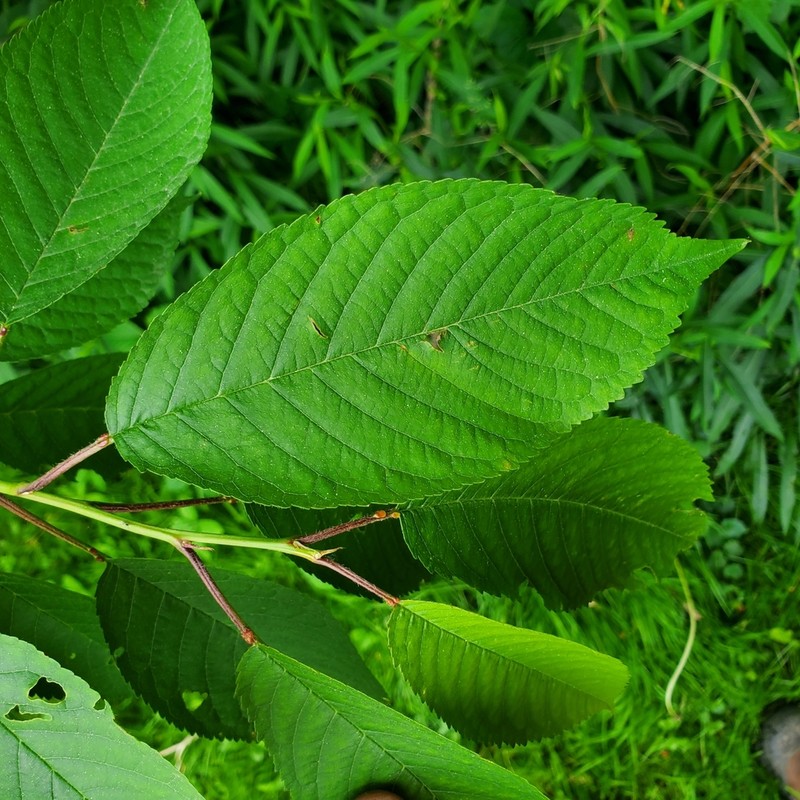
Taxonomy
- Division:
- Magnoliophyta | - Flowering plants
- Family:
- Rosaceae
- Genus:
- Prunus
- Species:
- Prunus avium
- USDA Symbol:
- PRDU
Growth Characteristics
- Life Cycle:
- Perennial
- Growth Habit:
- Tree
- Height:
- 2000 cm
- Drought Tolerance:
- Medium
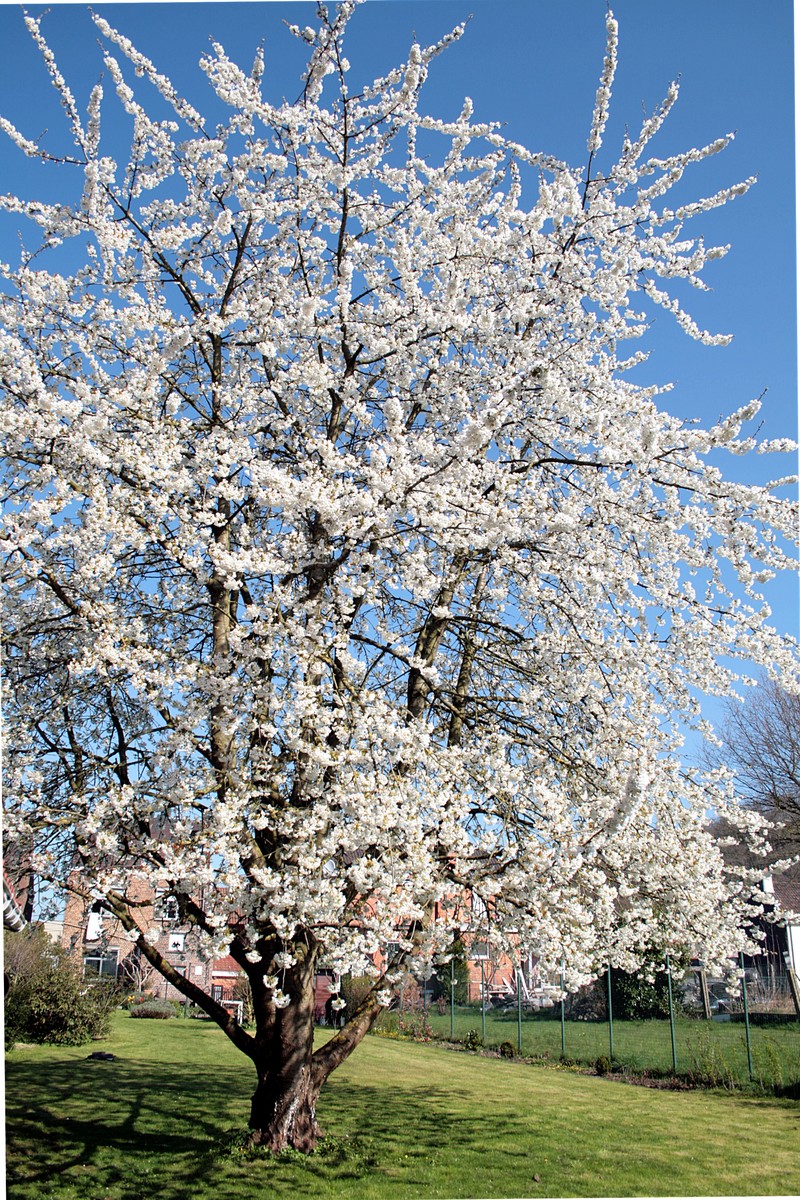
- Bloom Months:
- apr,may
- Bloom Colors:
- white
Keystone Species Ranking
- Caterpillar Keystone:
- ★★★★★ Butterfly & moth species supported by this genus (NWF)
Host Plant for Caterpillars
almond moth (Cadra cautella), Archips nr. argyrospilus, Ashen Pinion (Lithophane antennata), Black-etched Prominent (Cerura scitiscripta), Brown-tail moth (Euproctis chrysorrhoea), Carob moth (Ectomyelois ceratoniae), Cecropia moth (Hyalophora cecropia), Cinnamon Tussock Moth (Dasychira cinnamomea), Elegant Sheep Moth (Hemileuca eglanterina), Ephestiodes infimella, Euchlaena pectinaria, Eulia Leafroller (Eulia ministrana), Eumacaria latiferrugata, fall cankerworm (Alsophila pometaria), Fall webworm (Hyphantria cunea), Fig moth (Cadra figulilella), fruit-tree leafroller (Archips argyrospila), Garden Rose Tortrix (Acleris variegana), green oak slug moth (Parasa chloris), Gypsy moth (Lymantria dispar), Indian meal moth (Plodia interpunctella), Io moth (Automeris io), Isa textula, lanceolate dagger moth (Acronicta lanceolaria), Large Lace-border (Scopula limboundata), leaf crumpler moth (Acrobasis indigenella), lesser peachtree borer (Synanthedon pictipes), Monoleuca semifascia, northern furcula moth (Furcula borealis), Obliquebanded leafroller (Choristoneura rosaceana), orange tortrix moth (Argyrotaenia citrana), Pandemis leafroller (Pandemis pyrusana), Parornix geminatella, Peach tree borer (Synanthedon exitiosa), Phyllonorycter crataegella, reticulated sparganothis moth (Sparganothis reticulatana), stinging rose caterpillar (Parasa indetermina), ugly-nest caterpillar moth (Archips cerasivorana), Ultronia underwing (Catocala ultronia), Wild Cherry Sphinx (Sphinx drupiferarum)
Reported Fauna Sightings
Bees: Common eastern (Bombus impatiens) Moths:Eastern Tent Caterpillar (Malacosoma americana) Butterflies:⚠️Atala butterfly (Eumaeus atala), Gray Hairstreak (Strymon melinus), Great Purple Hairstreak (Atlides halesus), ⚠️Monarch butterfly (Danaus plexippus)
Garden & Ecology Notes
- Wildlife Value:
- birds, small mammals
- Fragrant:
- Yes
- Fall Color:
- yellow, orange, red
Propagation & Germination
- Stratification:
- Cold/moist stratification required — 90–150 days
- Germination Time:
- 14–60 days
- Notes:
- Seeds require cold stratification; fresh seed germinates more readily than dried seed.