
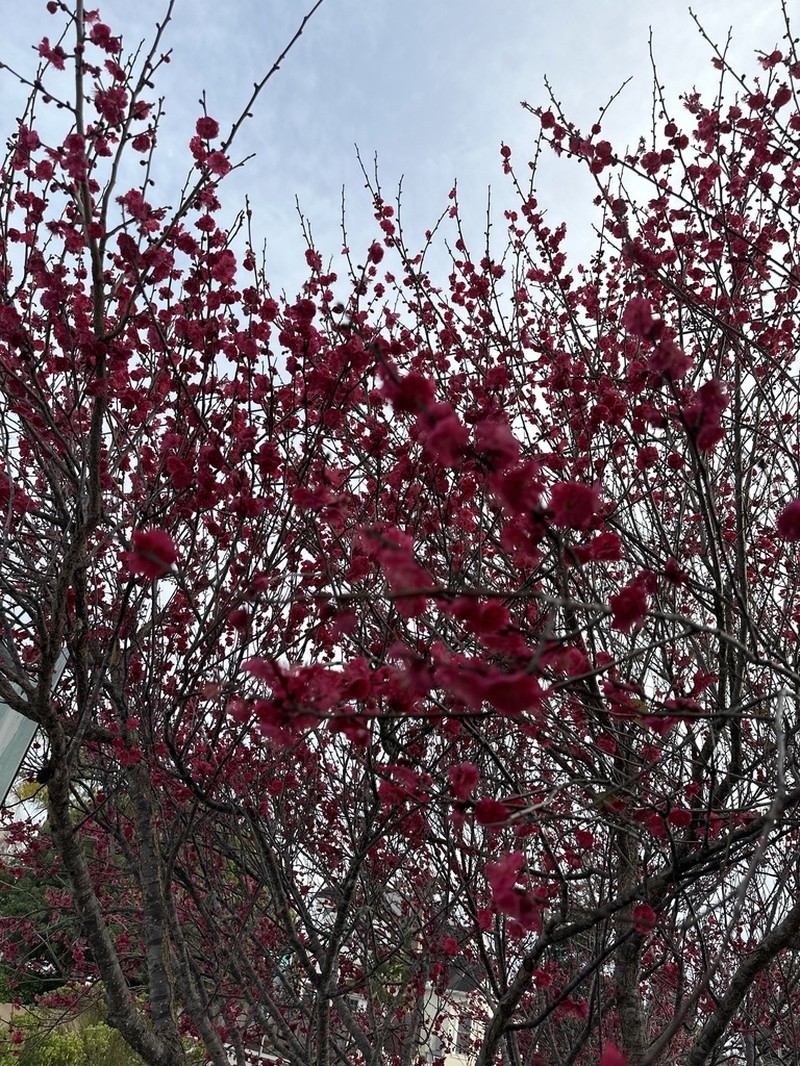
Cherry Plum
Prunus cerasifera
- Native to:
- Afghanistan, Albania, Bulgaria, China, East Aegean Is., Greece, India, Iran, Iraq, Kazakhstan, Kirgizstan, Krym, Lebanon-Syria, Nepal, North Caucasus, NW. Balkan Pen., Pakistan, Romania, Tadzhikistan, Transcaucasus, Türkiye, Türkiye-in-Europe, Turkmenistan, Ukraine, Uzbekistan
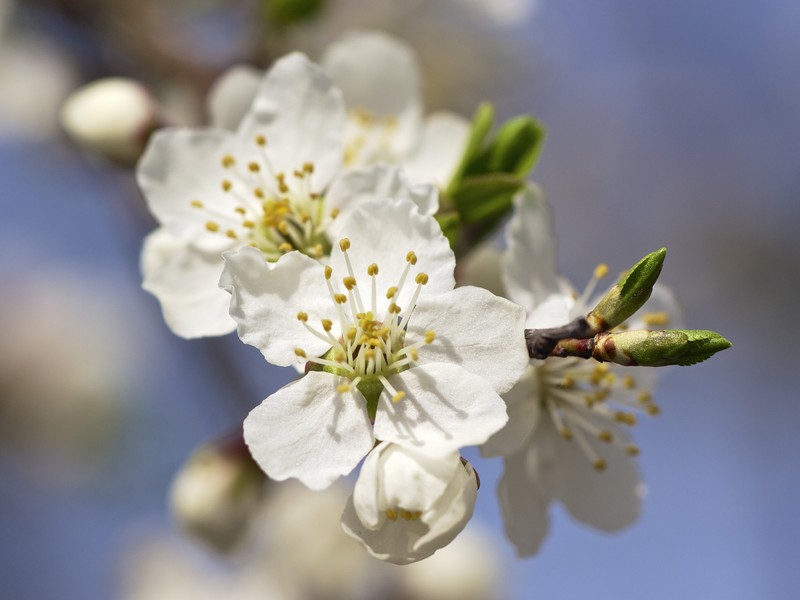
Jörg Hempel
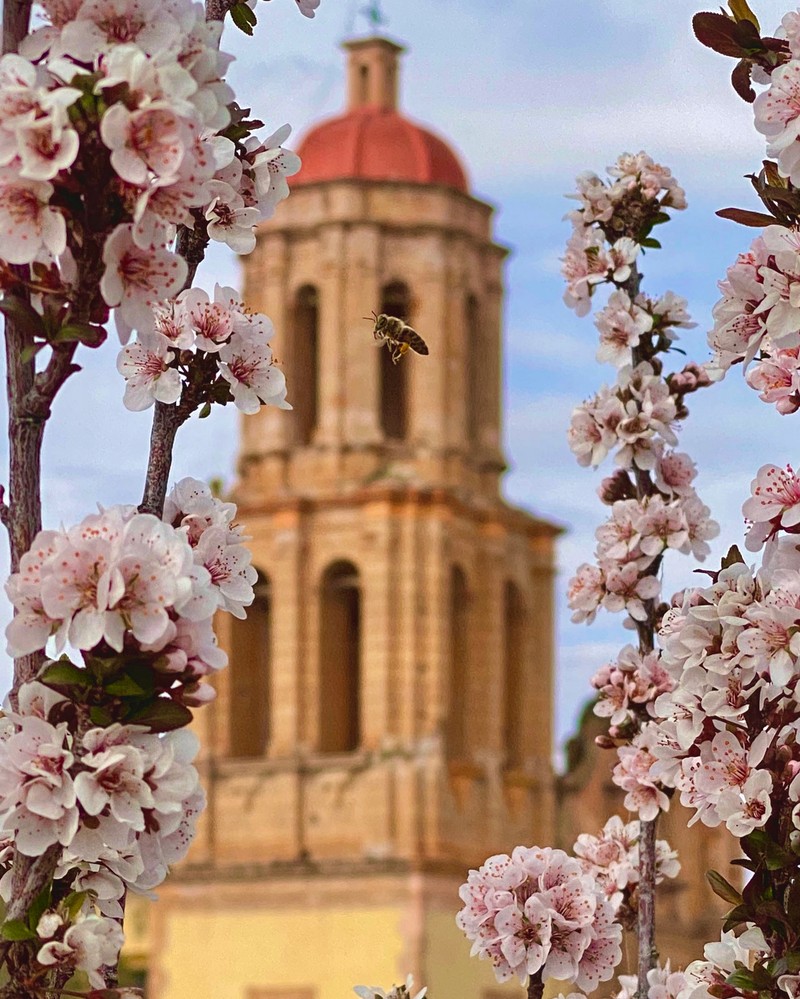
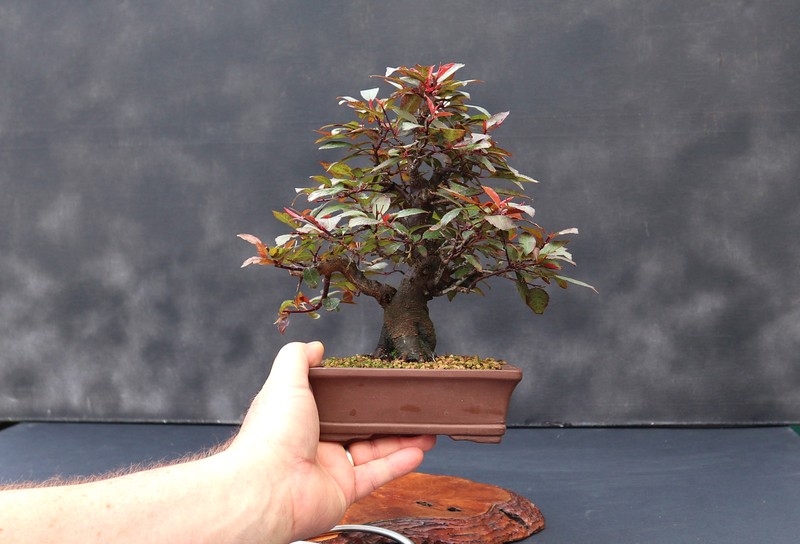
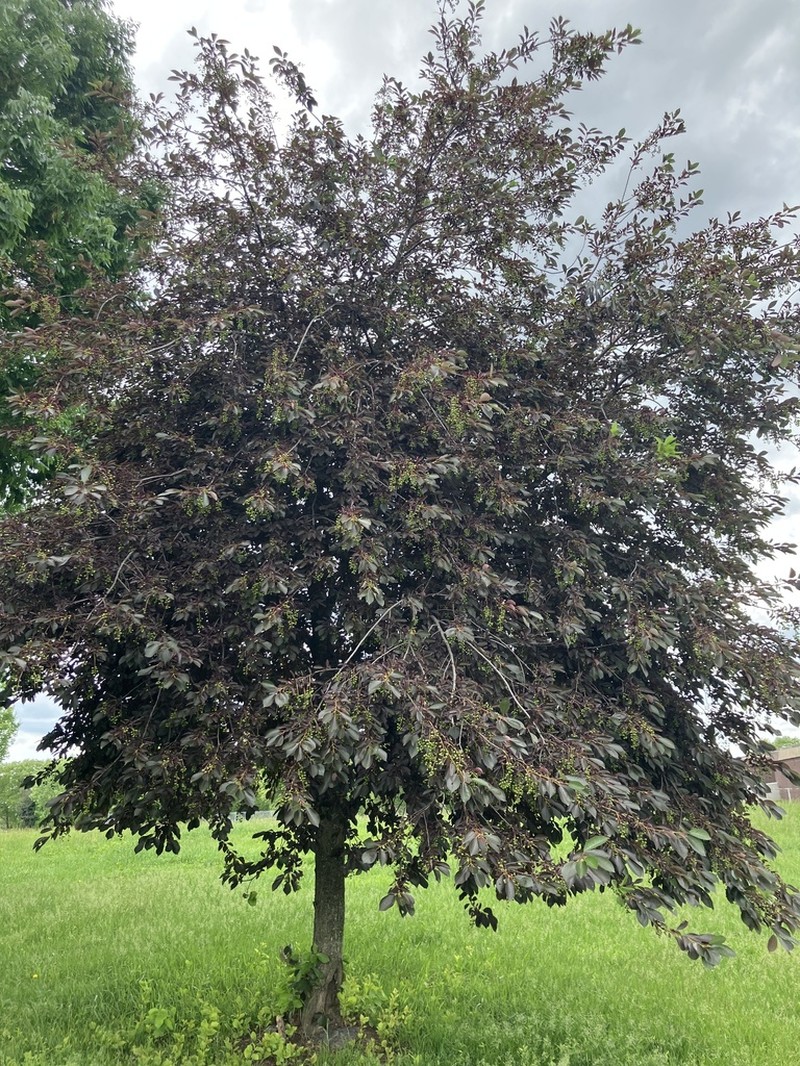
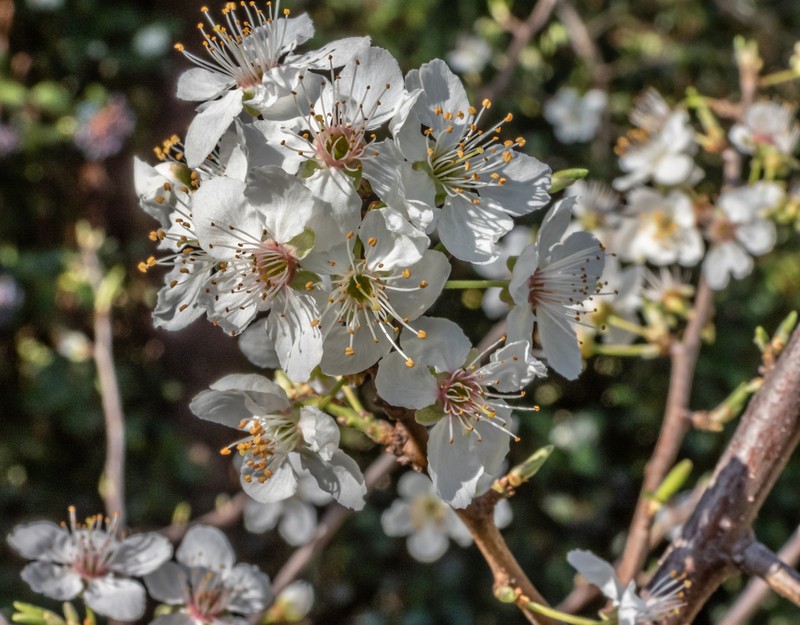
Taxonomy
- Division:
- Magnoliophyta | - Flowering plants
- Family:
- Rosaceae
- Genus:
- Prunus
- Species:
- Prunus cerasifera
- USDA Symbol:
- PRCE2
Growth Characteristics
- Life Cycle:
- Perennial
- Growth Habit:
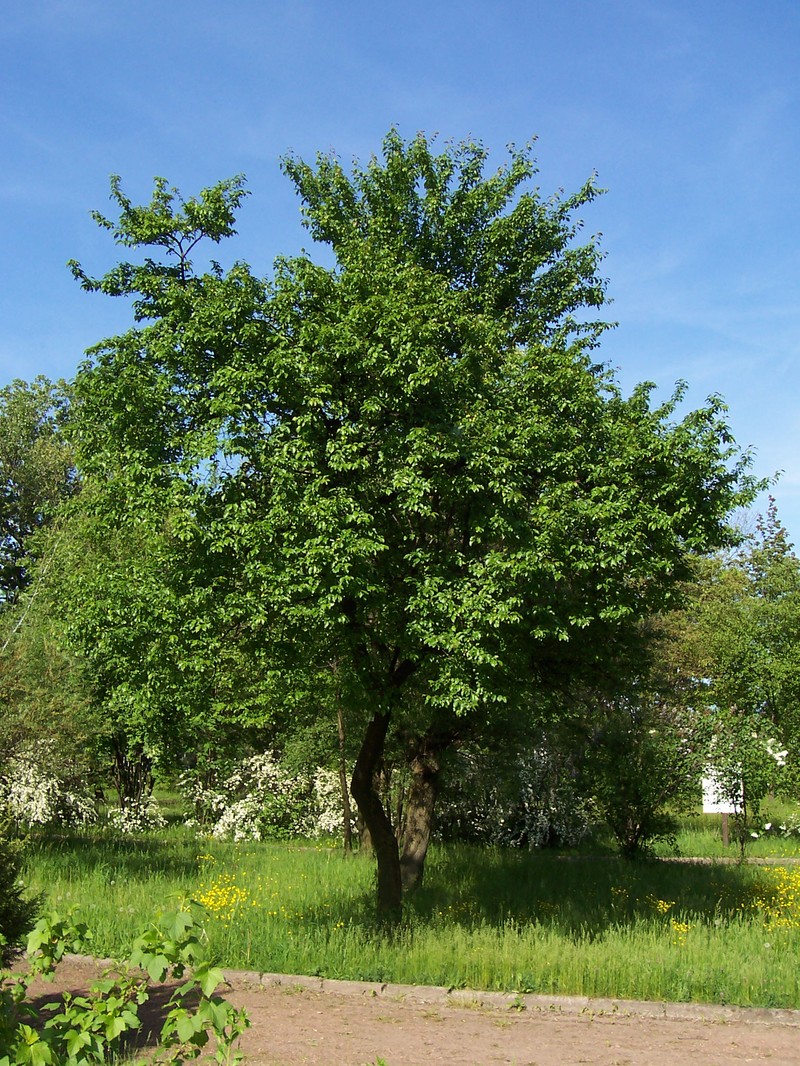
- Tree
- Height:
- 800 cm
- Light Requirements:
- Full Sun
- Drought Tolerance:
- Medium
- Bloom Months:
- mar,apr
- Bloom Colors:
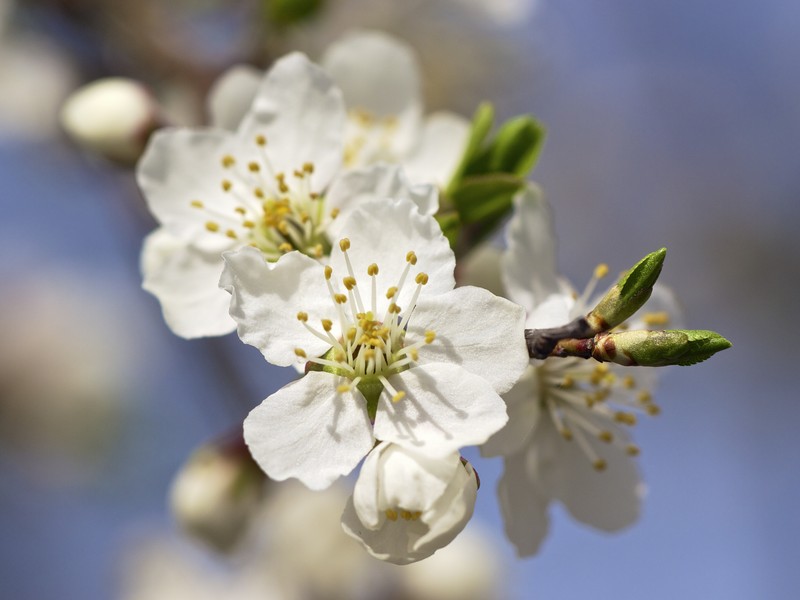
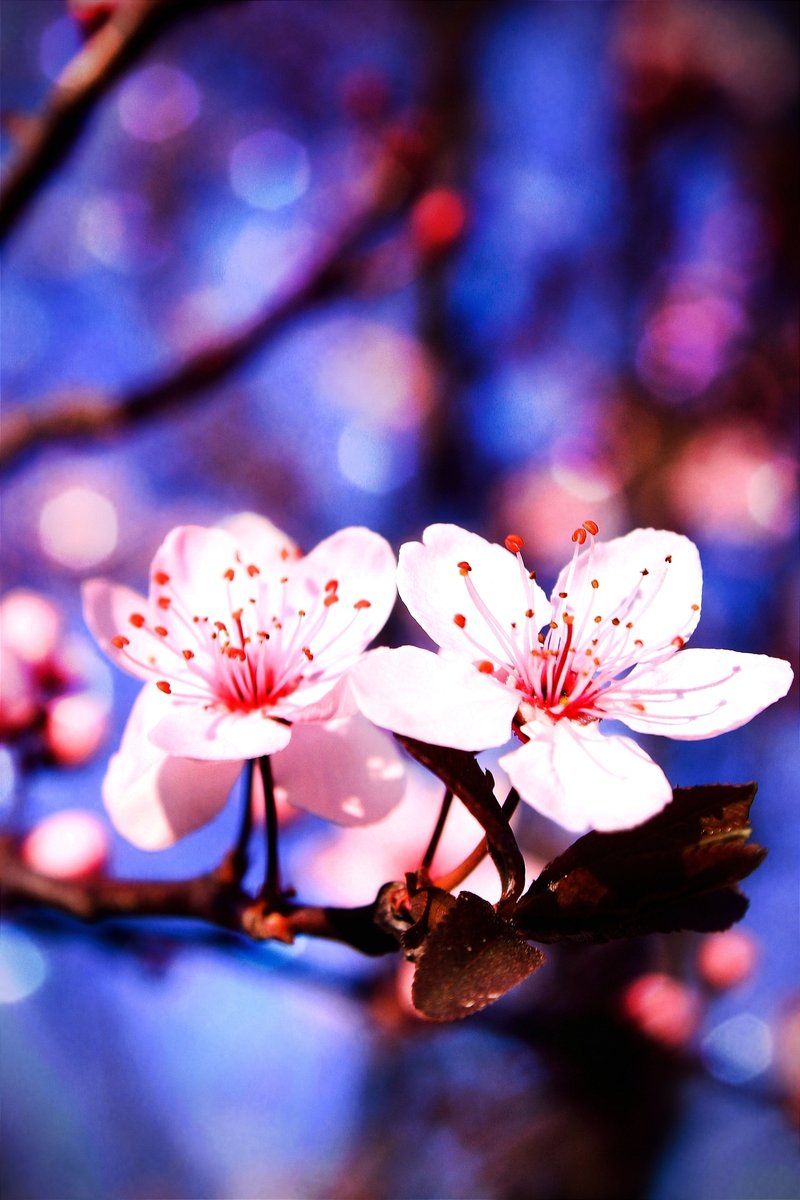
- white, pink
- Food Forest:
- Contains edible parts
Wildlife Benefits
- Bees:
- ★☆☆☆☆ Documented bee visitation (GBIF)
- Butterflies & Moths:
- ★★★★☆ Documented Lepidoptera association (GBIF)
- Caterpillars:
- ★☆☆☆☆ Recorded caterpillar host plant (HOSTS Database)
- Hummingbirds:
- ★☆☆☆☆ Documented hummingbird visits (GBIF)
Keystone Species Ranking
- Caterpillar Keystone:
- ★★★★★ Butterfly & moth species supported by this genus (NWF)
Host Plant for Caterpillars
Ashen Pinion (Lithophane antennata), Cerma cerintha, Elegant sphinx (Sphinx perelegans), funeral dagger moth (Acronicta funeralis), Norman's Quaker (Crocigrapha normani)
Reported Fauna Sightings
Hummingbirds: Anna's Hummingbird (Calypte anna), Selasphorus Swainson
Garden & Ecology Notes
- Wildlife Value:
- birds, mammals
- Fragrant:
- Yes
- Fall Color:
- red, orange
Soil Requirements
- Soil Type:
- rich, well-drained loamy soil
- pH:
- 5.5 - 7.5 (slightly acidic to neutral)
- Drainage:
- excellent drainage required
- Moisture:
- dry to moderate
- Notes:
- native to regions with varied soil types, prefers fertile conditions
Propagation & Germination
- Stratification:
- Cold/moist stratification required — 60–90 days
- Germination Time:
- 30–180 days
- Notes:
- Seeds require cold stratification for 60-90 days; germination can be slow and erratic.
Where to Buy
Nationwide Seller
- Sheffield's Seed (seeds)