
Bitter Cherry
Prunus emarginata
- Native to:
- Canada, Mexico, United States
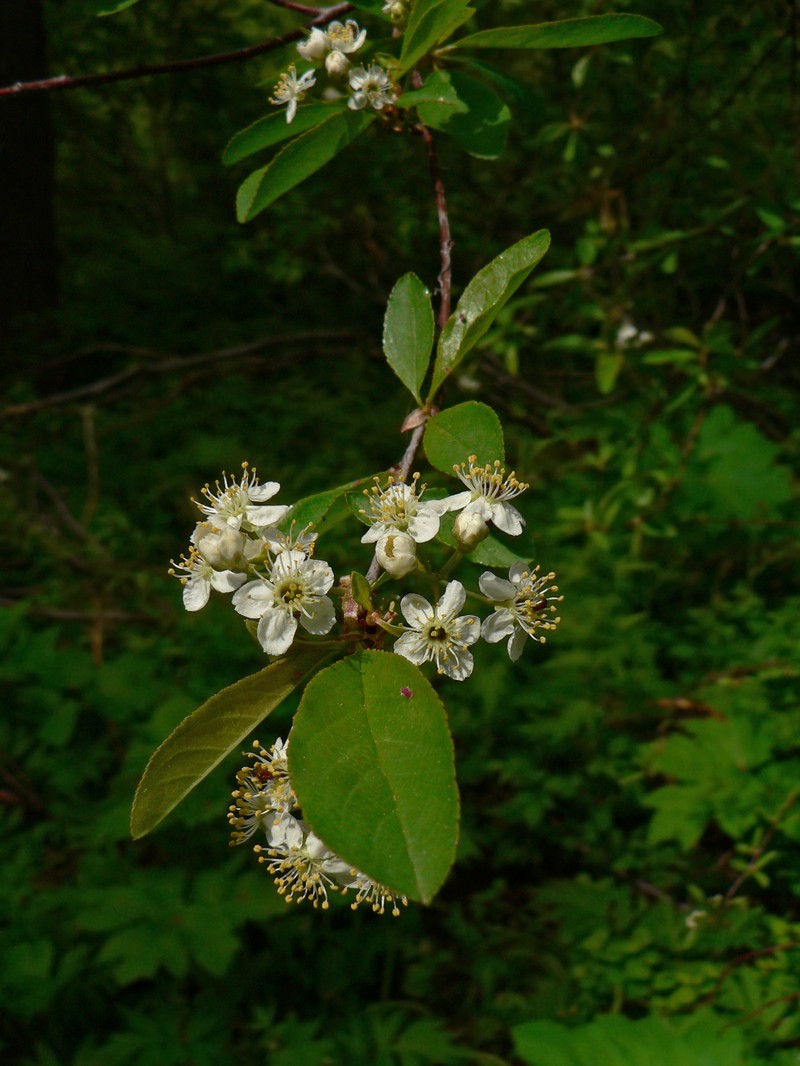
Walter Siegmund (talk)
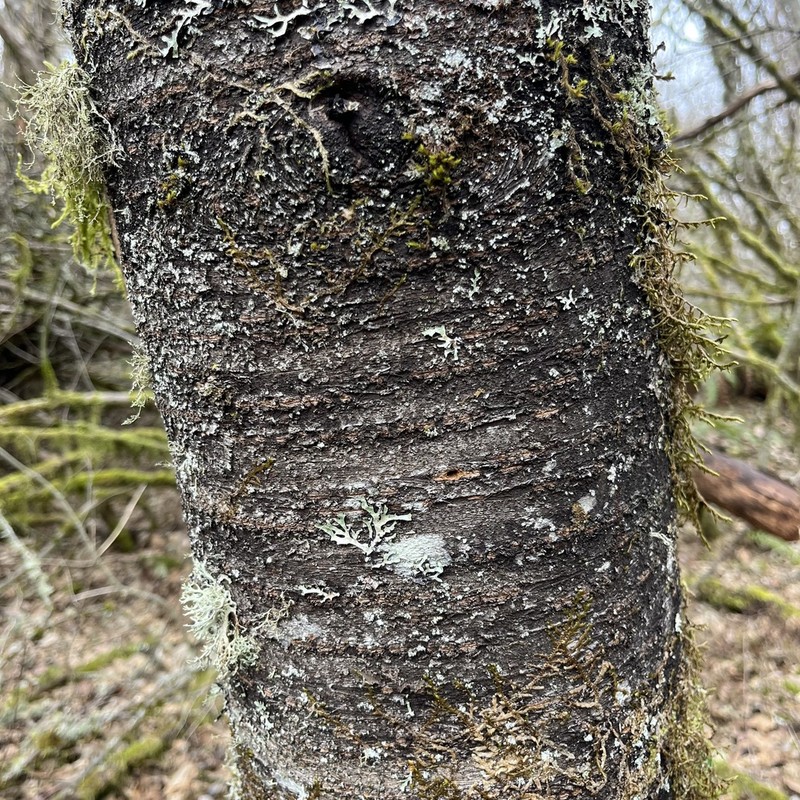
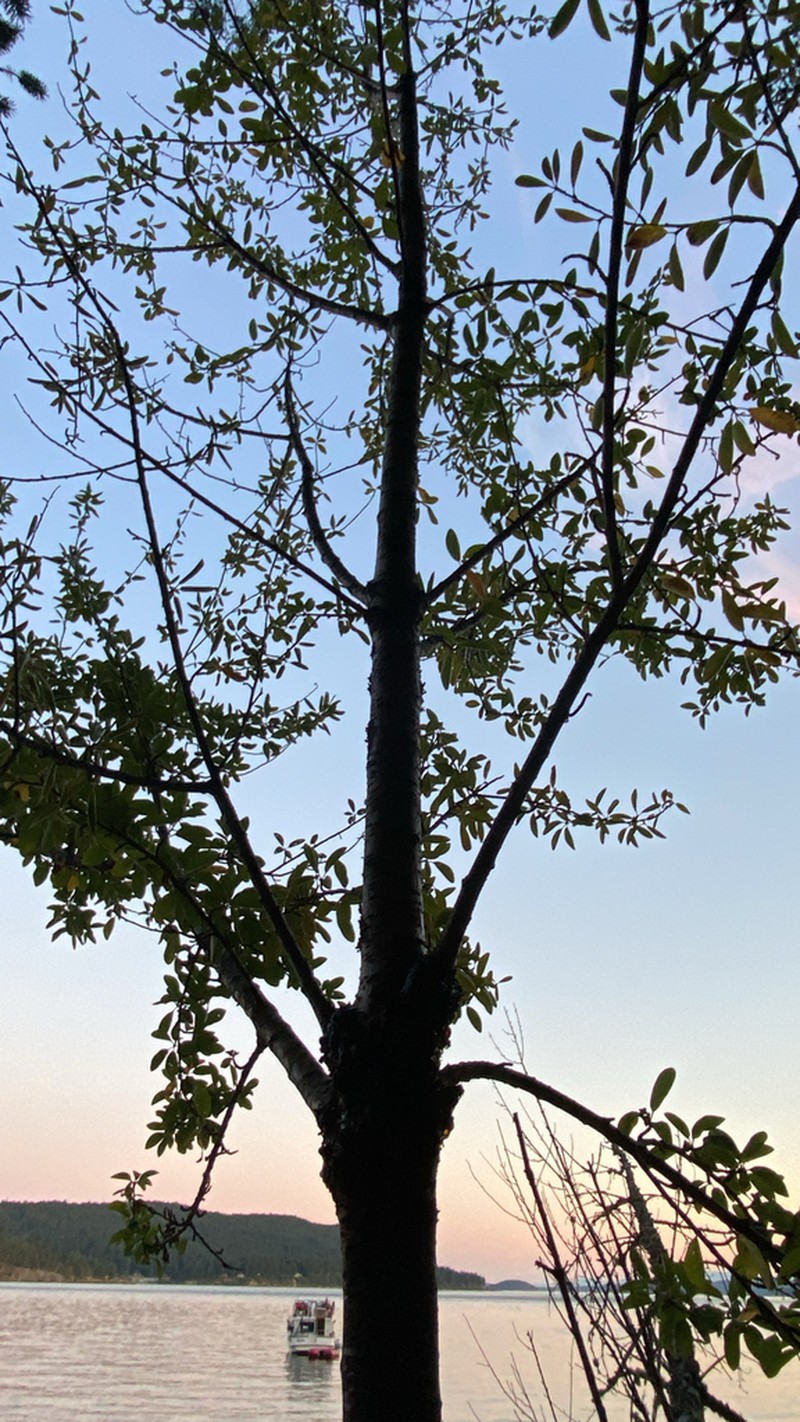
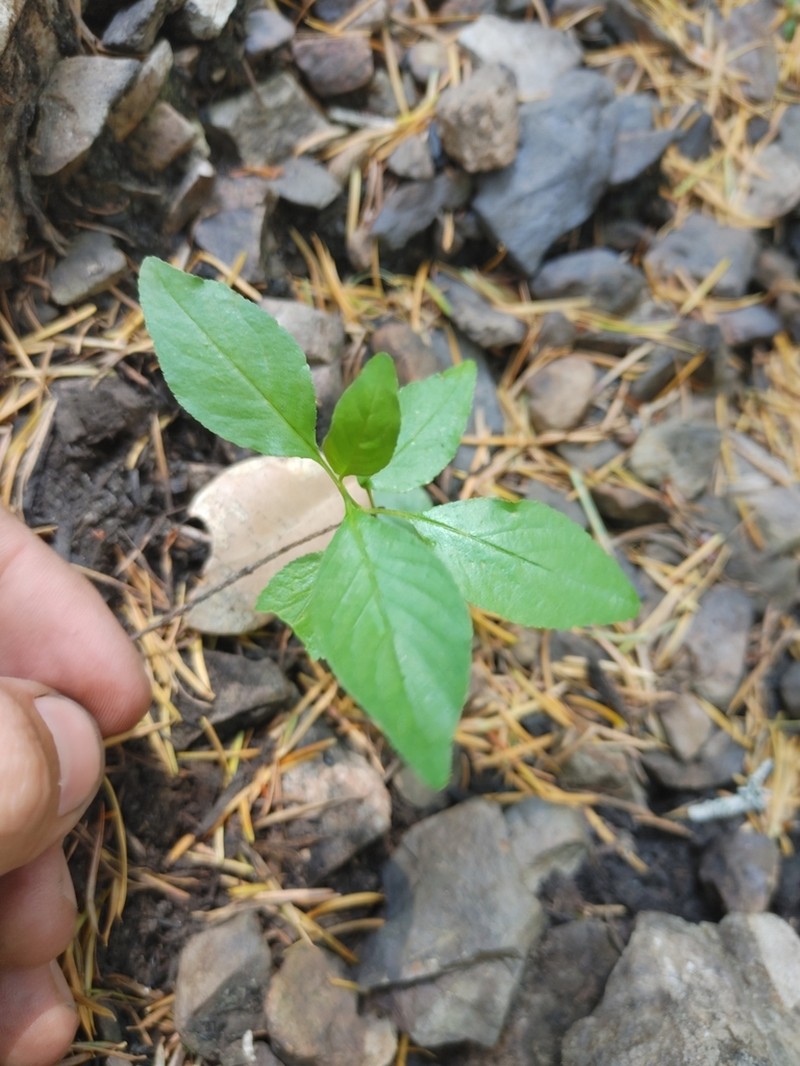
Taxonomy
- Division:
- Magnoliophyta | - Flowering plants
- Family:
- Rosaceae
- Genus:
- Prunus
- Species:
- Prunus emarginata
- USDA Symbol:
- PREM
Growth Characteristics
- Life Cycle:
- Perennial
- Growth Habit:
- Shrub , Tree
- Height:
- 1500 cm
- Light Requirements:
- Full Sun,Part Shade,Shade
- Drought Tolerance:
- Medium
- Bloom Months:
- apr,may
- Bloom Colors:
- white
Wildlife Benefits
- Bees:
- ★☆☆☆☆ Documented bee visitation (GBIF)
- Butterflies & Moths:
- ★★★☆☆ Documented Lepidoptera association (GBIF)
- Caterpillars:
- ★★★☆☆ Recorded caterpillar host plant (HOSTS Database)
Keystone Species Ranking
- Caterpillar Keystone:
- ★★★★★ Butterfly & moth species supported by this genus (NWF)
Host Plant for Caterpillars
Acerra normalis, Acleris maximana, Agrochola pulchella, Ambesa walsinghami, American Swordgrass Moth (Xylena nupera), Bruce spanworm (Operophtera bruceata), Ceanothus Silkmoth (Hyalophora euryalus), Columbia silk moth (Hyalophora columbia), Egira hiemalis, Elegant Sheep Moth (Hemileuca eglanterina), Eupithecia maestosa, Evippe prunifoliella, Fishia evelina, gray swordgrass (Xylena cineritia), hibiscus Quaker (Orthosia hibisci), Hitched Arch (Melanchra adjuncta), Kaslo silkmoth (Hyalophora "kasloensis"), Obliquebanded leafroller (Choristoneura rosaceana), Pseudorthodes irrorata, Purple Arches (Agrochola purpurea), Radcliffe's dagger moth (Acronicta radcliffei), Three-spotted sallow (Eupsilia tristigmata), ugly-nest caterpillar moth (Archips cerasivorana), Variegated cutworm (Peridroma saucia), Western tent caterpillar (Malacosoma californica), Lorquin's admiral (Basilarchia lorquini), Pale Swallowtail (Papilio eurymedon), Western Tiger Swallowtail (Papilio rutulus)
Reported Fauna Sightings
Bees: Fuzzy-horned bumble bee (Bombus mixtus), Yellow-faced bumble bee (Bombus vosnesenskii) Moths:Western tent caterpillar (Malacosoma californica)
Garden & Ecology Notes
- Wildlife Value:
- birds, mammals, butterflies
- Fall Color:
- red, orange
- Fire Ecology:
- Fire adapted — tolerates or benefits from fire
- Fire Notes:
- Resprouts from root crown after fire; seeds benefit from fire scarification in some populations.
Soil Requirements
- Soil Type:
- well-drained, sandy or loamy soil
- pH:
- 5.5 - 7.5 (slightly acidic to neutral)
- Drainage:
- excellent drainage required
- Moisture:
- dry to moderate
- Notes:
- prefers open, sunny areas; tolerates poor soil
Propagation & Germination
- Stratification:
- Cold/moist stratification required — 90–120 days
- Germination Time:
- 30–60 days
- Notes:
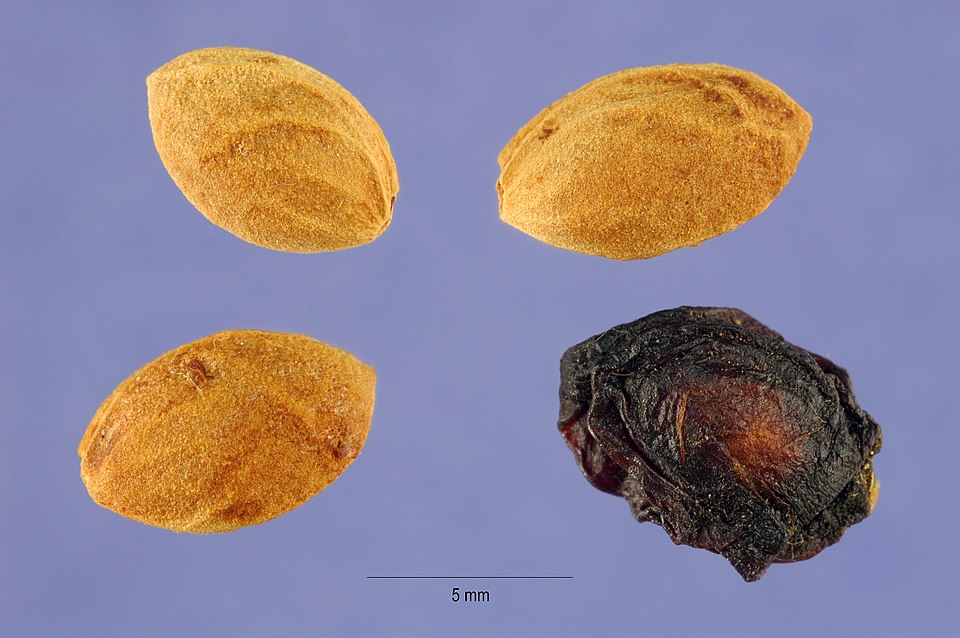
- Seeds require cold stratification for 3-4 months to break dormancy.
Pre-treatment: Seeds are placed into fine mesh bags and soaked in a 1% hydrogen peroxide (3:1 water/3% hydrogen peroxide) for 24 hours, rinsed, and placed in water for an additional 48 hours. Seeds are then layered in peat and placed into cold stratification (33.8 to 37.4 °F) for 120 days, checking weekly for mold.
Establishment: Bitter cherry often forms extensive thickets on moist slopes and along stream banks in the transition and Canadian life zones in the coast ranges, the mountains of southern California and in the Sierra Nevada. It extends northward to Idaho and British Columbia and eastward to Nevada and Arizona.
Source: npn.rngr.net
Where to Buy
Nationwide Seller
- Sheffield's Seed (seeds)