
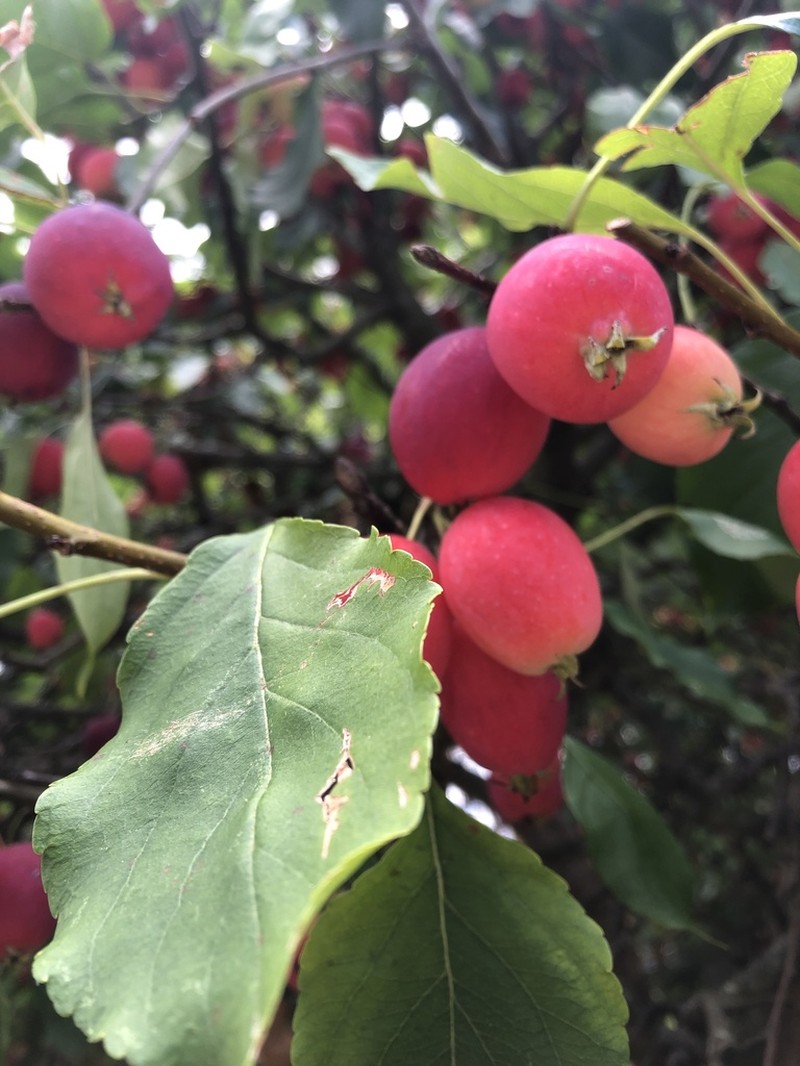
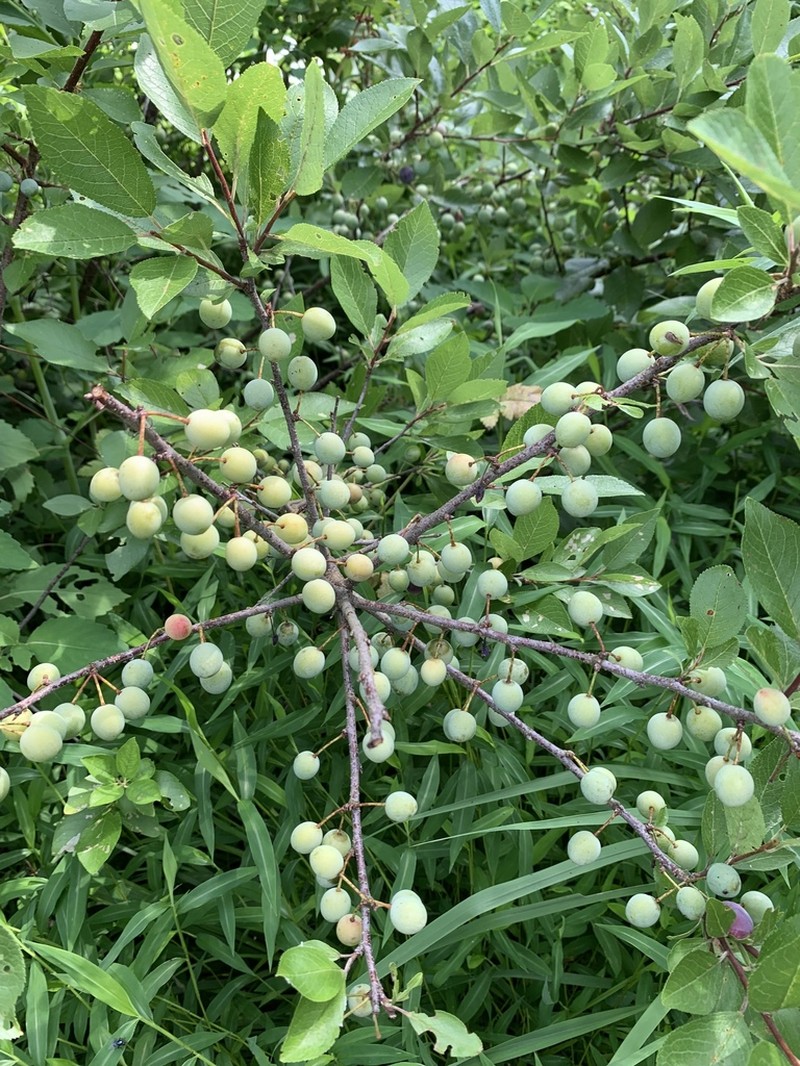
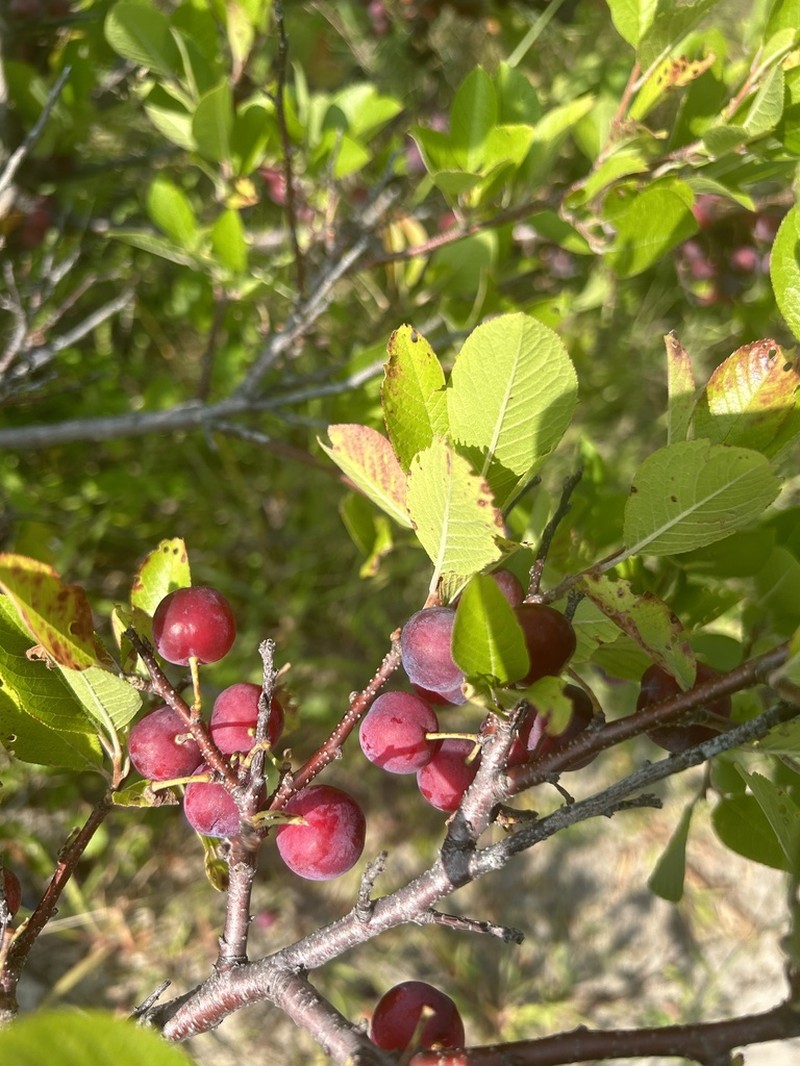
Beach Plum
Prunus maritima
- Native to:
- United States, Virgin Islands
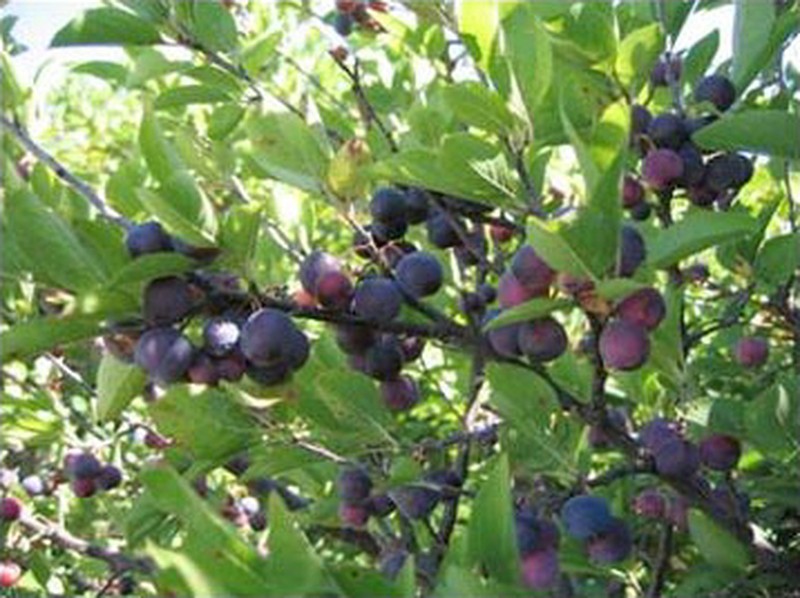
iNaturalist: © tsn (iNaturalist #16131224)
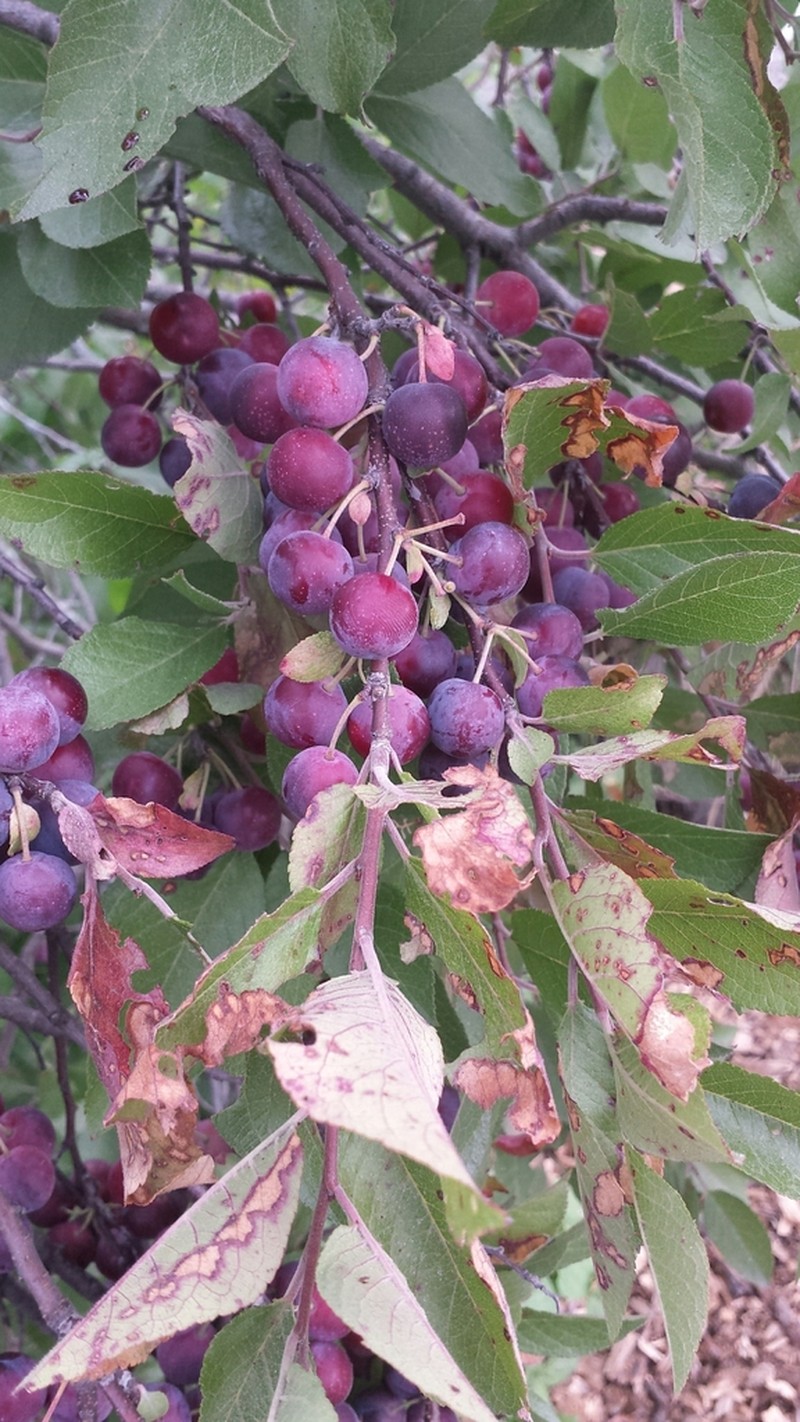
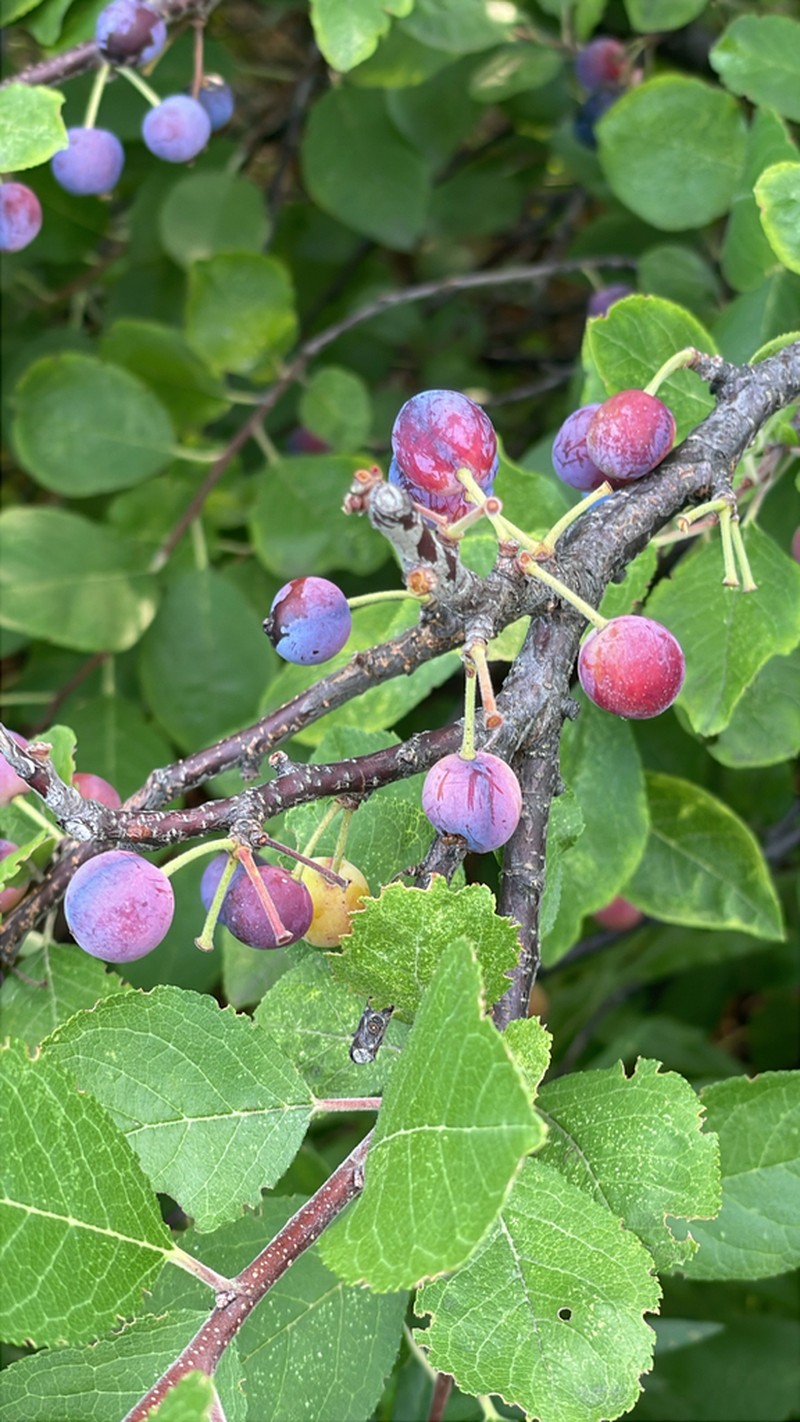
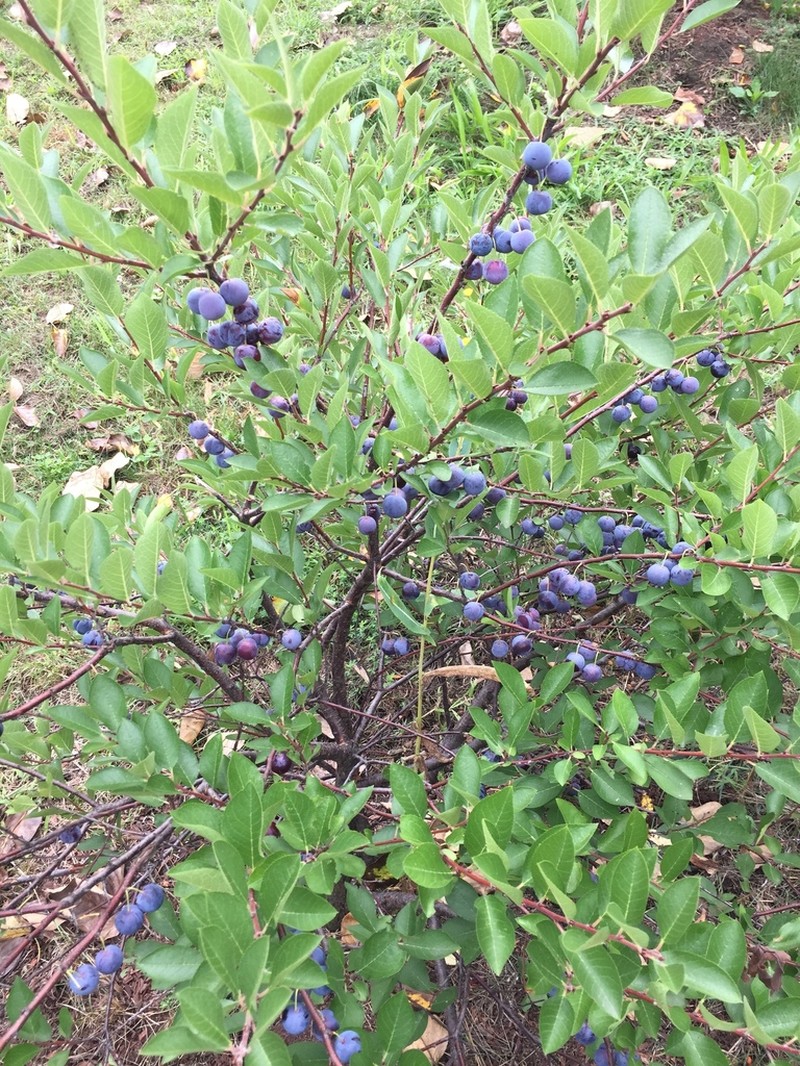
Taxonomy
- Division:
- Magnoliophyta | - Flowering plants
- Family:
- Rosaceae
- Genus:
- Prunus
- Species:
- Prunus maritima
- USDA Symbol:
- PRMA2
Growth Characteristics
- Life Cycle:
- Perennial
- Growth Habit:
- Shrub
- Height:
- 366 cm
- Light Requirements:
- Full Sun
- Drought Tolerance:
- High
- Bloom Months:
- apr,may
- Bloom Colors:
- white
- Landscaping Shrub:
- Yes
Wildlife Benefits
- Bees:
- ★☆☆☆☆ Documented bee visitation (GBIF)
- Butterflies & Moths:
- ★★★☆☆ Documented Lepidoptera association (GBIF)
- Caterpillars:
- ★★☆☆☆ Recorded caterpillar host plant (HOSTS Database)
Keystone Species Ranking
- Caterpillar Keystone:
- ★★★★★ Butterfly & moth species supported by this genus (NWF)
Host Plant for Caterpillars
Cecropia moth (Hyalophora cecropia), funeral dagger moth (Acronicta funeralis), Gypsy moth (Lymantria dispar), hibiscus Quaker (Orthosia hibisci), Interrupted Dagger Moth (Acronicta interrupta), Io moth (Automeris io), lilac sphinx (Sphinx kalmiae), Lunate zale moth (Zale lunifera), Peach tree borer (Synanthedon exitiosa), 🛑Precious Underwing (Catocala pretiosa), Spotted Apatelodes (Apatelodes torrefacta), Ultronia underwing (Catocala ultronia), Wild Cherry Sphinx (Sphinx drupiferarum)
Reported Fauna Sightings
Bees: Brown-belted bumble (Bombus griseocollis), Common eastern (Bombus impatiens), ⚠️Western honey bee (Apis mellifera) Moths:Abagrotis benjamini, Cecropia moth (Hyalophora cecropia), Eastern Tent Caterpillar (Malacosoma americana), Wild Cherry Sphinx (Sphinx drupiferarum)
Garden & Ecology Notes
- Wildlife Value:
- birds, butterflies, small mammals
- Salt Tolerant:
- Yes
- Fragrant:
- Yes
- Fall Color:
- red, orange
Soil Requirements
- Soil Type:
- sandy, acidic, nutrient-poor soil
- pH:
- 5.5 - 7.0 (slightly acidic to neutral)
- Drainage:
- excellent drainage required
- Moisture:
- dry to moderate
- Notes:
- native to coastal dunes and sandy soils
Propagation & Germination
- Stratification:
- Cold/moist stratification required — 60–90 days
- Germination Time:
- 30–60 days
- Notes:
- Seeds require cold stratification for 60-90 days to break dormancy; germination occurs in spring.
Pre-treatment: Cold-moist stratification for 30 days at 1–5°C (34–41°F).; then Scarify, then cold-moist stratify for 60 days.
Source: Claude AI
Where to Buy
Nationwide Seller
- Sheffield's Seed (seeds)
- Native Plants Nursery (nursery)