
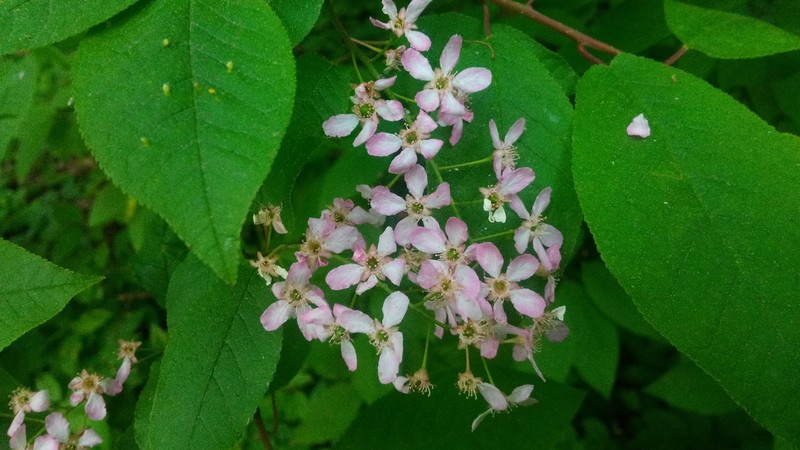
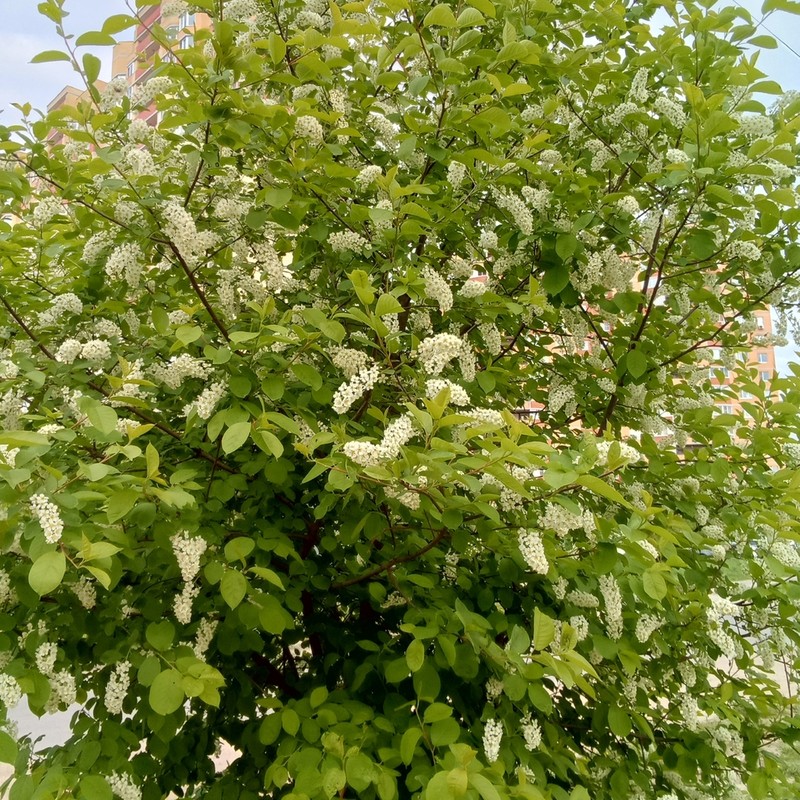
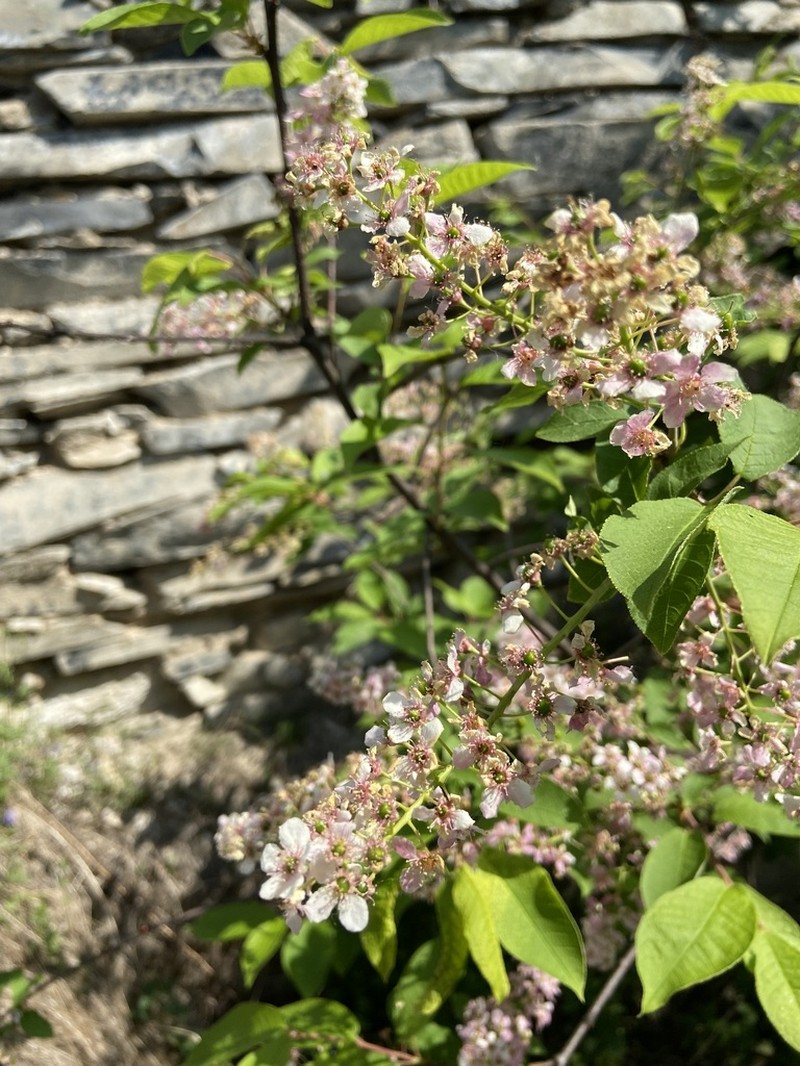
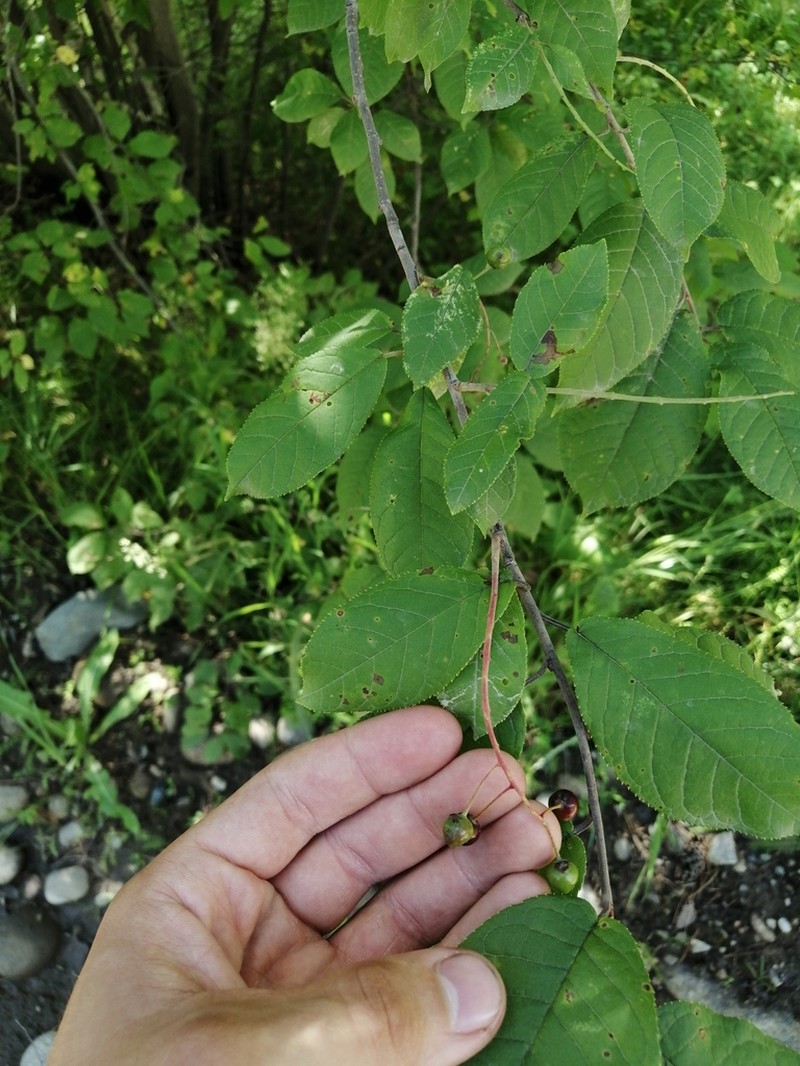
European Bird Cherry
Prunus padus
- Native to:
- Albania, Austria, Baltic States, Belarus, Belgium, Bulgaria, China, Czechia-Slovakia, Denmark, Finland, France, Germany, Great Britain, Hungary, Ireland, Italy, Japan, Kazakhstan, Kirgizstan, Korea, Krym, Morocco, Netherlands, North Caucasus, Norway, NW. Balkan Pen., Poland, Portugal, Romania, Russia, Spain, Sweden, Switzerland, Transcaucasus, Türkiye, Ukraine
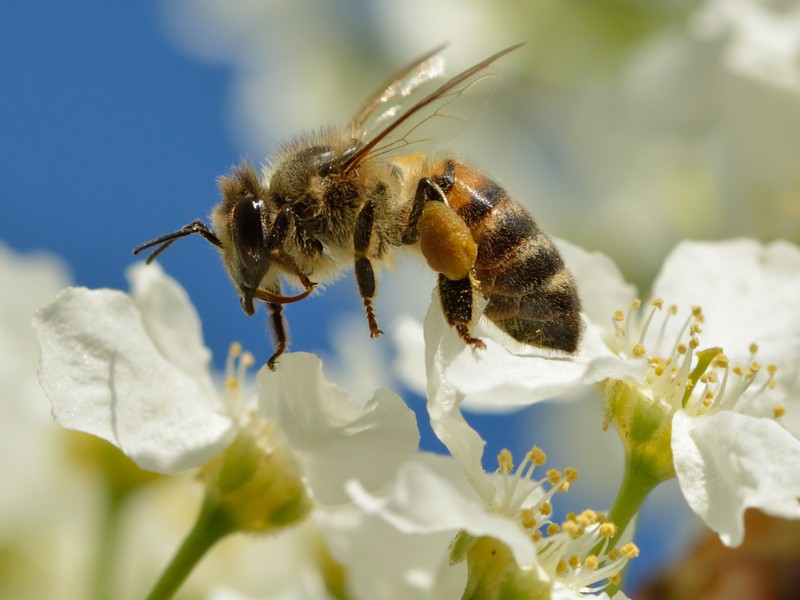
Ivar Leidus
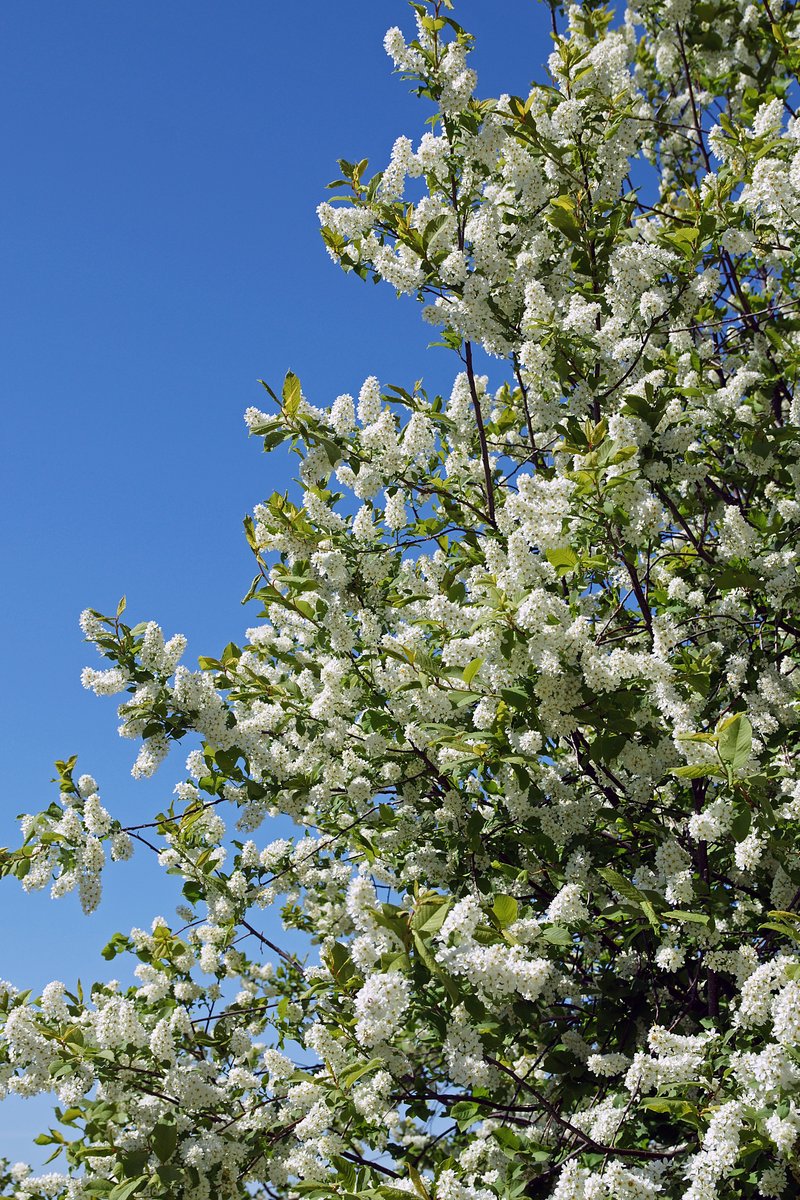
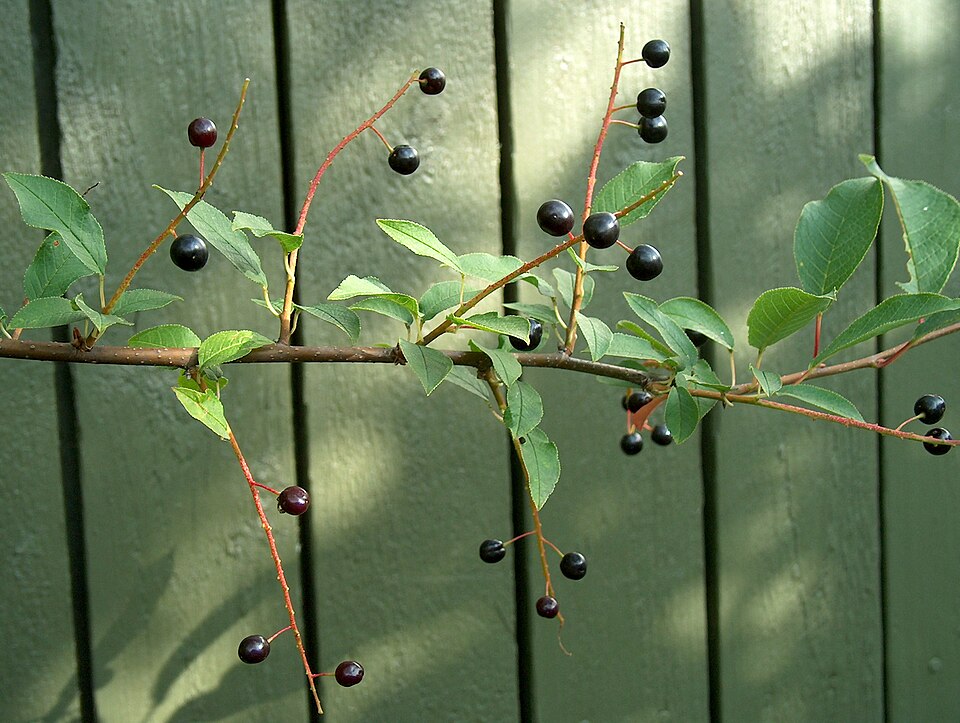
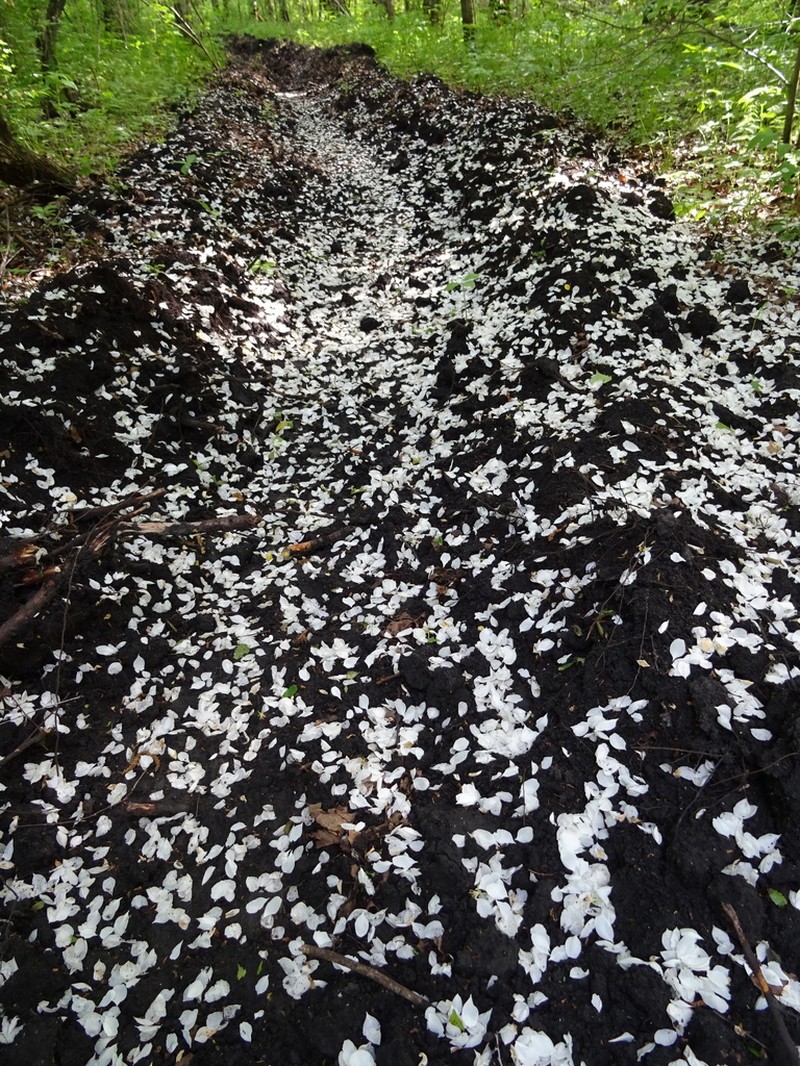
Taxonomy
- Division:
- Magnoliophyta | - Flowering plants
- Family:
- Rosaceae
- Genus:
- Prunus
- Species:
- Prunus padus
- USDA Symbol:
- PRPA5
Growth Characteristics
- Life Cycle:
- Perennial
- Growth Habit:
- Shrub , Tree
- Height:
- 1500 cm
- Light Requirements:
- Full Sun
- Drought Tolerance:
- Medium
- Bloom Months:
- apr,may
- Bloom Colors:
- white
Wildlife Benefits
- Bees:
- ★☆☆☆☆ Documented bee visitation (GBIF)
- Butterflies & Moths:
- ★★★★★ Documented Lepidoptera association (GBIF)
- Caterpillars:
- ★☆☆☆☆ Recorded caterpillar host plant (HOSTS Database)
Keystone Species Ranking
- Caterpillar Keystone:
- ★★★★★ Butterfly & moth species supported by this genus (NWF)
Host Plant for Caterpillars
Ashen Pinion (Lithophane antennata), dowdy pinion (Lithophane unimoda), hibiscus Quaker (Orthosia hibisci)
Reported Fauna Sightings
Moths:Coelodasys Packard
Garden & Ecology Notes
- Wildlife Value:
- birds, butterflies, small mammals
- Fragrant:
- Yes
- Fall Color:
- yellow
Soil Requirements
- Soil Type:
- rich, well-drained loamy soil
- pH:
- 5.5 - 7.5 (slightly acidic to neutral)
- Drainage:
- tolerates poor drainage
- Moisture:
- consistently moist
- Notes:
- prefers moist conditions near water bodies
Propagation & Germination
- Stratification:
- Cold/moist stratification required — 90–120 days
- Germination Time:
- 30–60 days
- Notes:
- Seeds require cold stratification for 3-4 months to break dormancy.
Where to Buy
Nationwide Seller
- Sheffield's Seed (seeds)