Taxonomy
- Division:
- Magnoliophyta | - Flowering plants
- Family:
- Rosaceae
- Genus:
- Prunus
- Species:
- Prunus virginiana
- USDA Symbol:
- PRVI
Growth Characteristics
- Life Cycle:
- Perennial
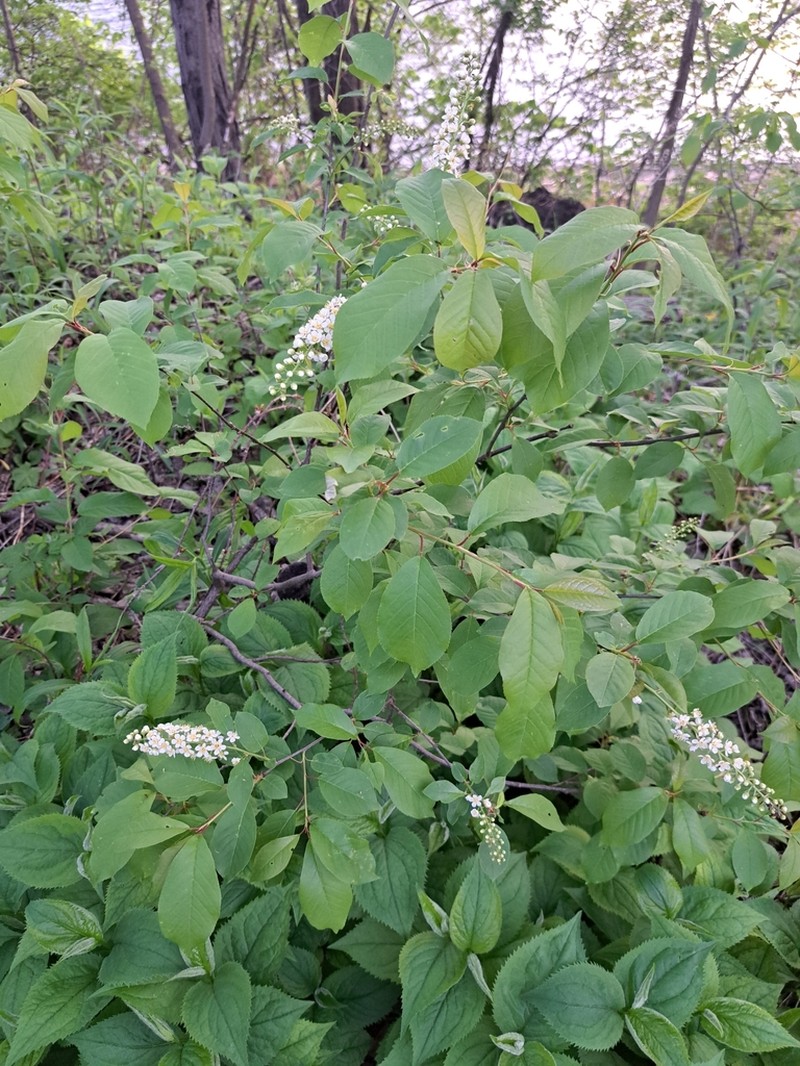
- Growth Habit:
- Shrub , Tree
- Height:
- 1000 cm
- Light Requirements:
- Full Sun,Part Shade,Shade
- Drought Tolerance:
- Medium
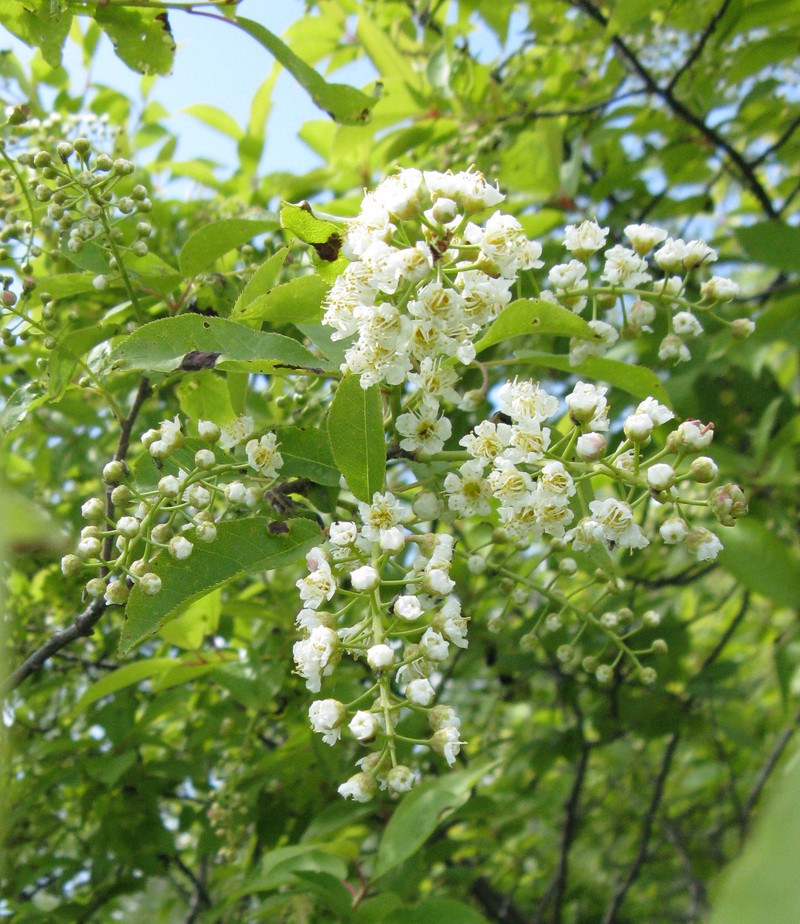
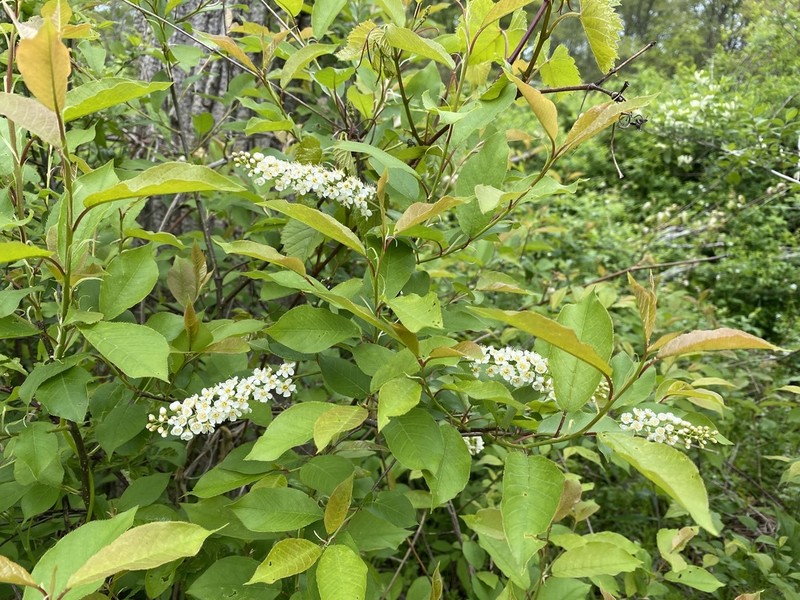
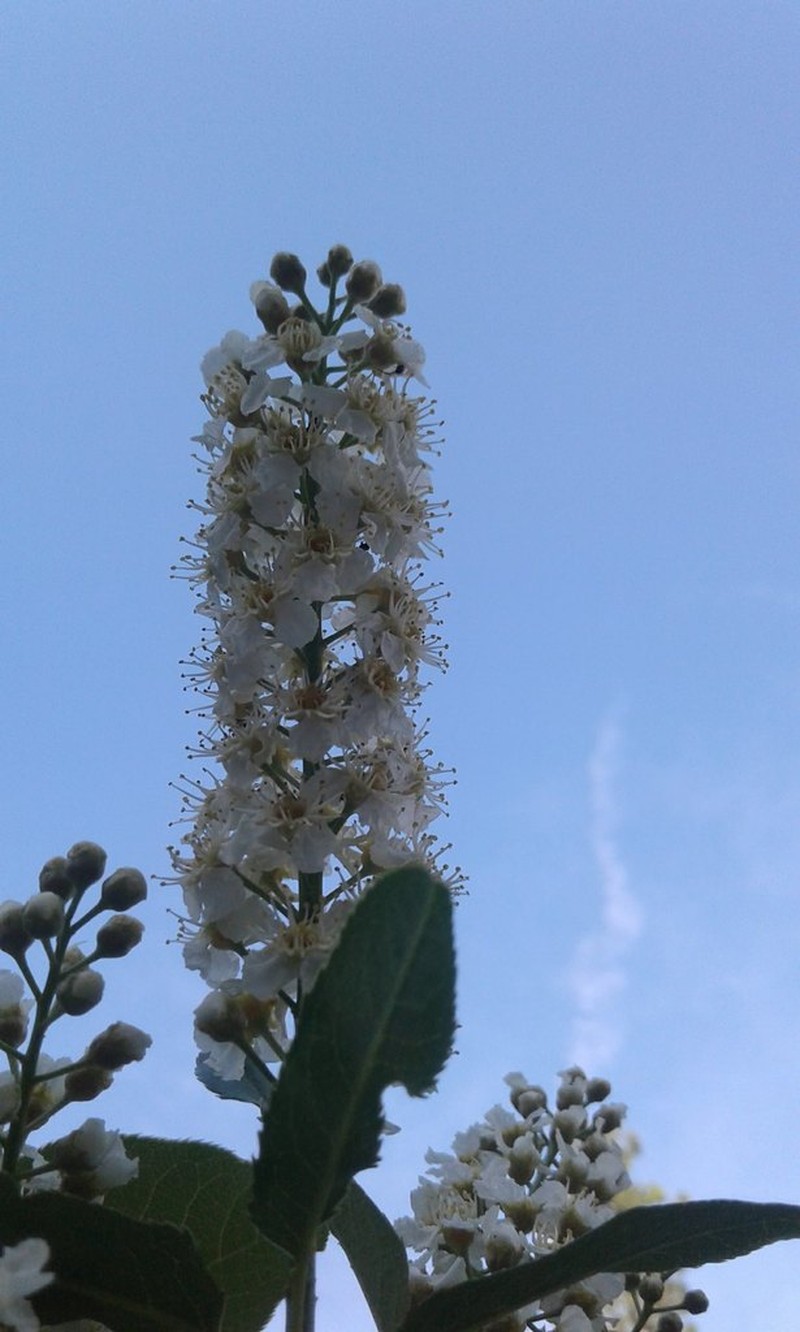
- Bloom Months:
- apr,may
- Bloom Colors:
- white
Wildlife Benefits
- Bees:
- ★★☆☆☆ Documented bee visitation (GBIF)
- Butterflies & Moths:
- ★★★★★ Documented Lepidoptera association (GBIF)
- Caterpillars:
- ★★★★★ Recorded caterpillar host plant (HOSTS Database)
Keystone Species Ranking
- Caterpillar Keystone:
- ★★★★★ Butterfly & moth species supported by this genus (NWF)
Host Plant for Caterpillars
Grote's Pinion (Lithophane grotei), Acrobasis tricolorella, Acronicta dactylina, Acronicta furcifera, Acronicta impleta, Ailanthus silkmoth (Samia cynthia), Allen's Aphelia (Aphelia alleniana), Alurina Quaker (Orthosia alurina), Ambesa walsinghami, American Dagger Moth (Acronicta americana), American lappet moth (Phyllodesma americana), American Swordgrass Moth (Xylena nupera), angled metarranthis moth (Metarranthis angularia), Ashen Pinion (Lithophane antennata), Automeris zephyria, Bailey's Pinion (Lithophane baileyi), Bent-line gray (Iridopsis larvaria), Bethune's Pinion (Lithophane bethunei), Bondia comonana, Buck Moth (Hemileuca maia), Burns' buck moth (Hemileuca burnsi), Caloptilia melanocarpae, Catocaline Dart (Cryptocala acadiensis), Ceanothus Silkmoth (Hyalophora euryalus), Cecropia moth (Hyalophora cecropia), Ceranemota fasciata, Ceranemota improvisa, Cerastis tenebrifera, Cherry Casebearer Moth (Coleophora pruniella), chestnut ermine moth (Argyresthia oreasella), Coleophora demissella, Columbia silk moth (Hyalophora columbia), Confused Haploa (Haploa confusa), Confused Morrisonia (Morrisonia confusa), Copper Underwing (Amphipyra pyramidoides), Crocus Geometer (Xanthotype sospeta), Curve-toothed geometer (Eutrapela clemataria), Dark-spotted Palthis (Palthis angulalis), dimorphic pinion (Lithophane patefacta), dotted sparganothis moth (Sparganothis diluticostana), dowdy pinion (Lithophane unimoda), Duaria metarranthis moth (Metarranthis duaria), duplex moth (Pseudosciaphila duplex), Eastern Tent Caterpillar (Malacosoma americana), Effecta Euchlaena Moth (Euchlaena effecta), Egira alternans, Elegant Sheep Moth (Hemileuca eglanterina), Eucirroedia pampina, Eupithecia columbiata, Eupithecia misturata, Eupithecia ravocostaliata, Fall webworm (Hyphantria cunea), Filatima demissae, Forest Tent Caterpillar (Malacosoma disstria), forked dagger moth (Acronicta hasta), Garman Quaker (Orthosia garmani), Gypsy moth (Lymantria dispar), hag moth (Phobetron pithecium), Hemina Pinion (Lithophane hemina), hibiscus Quaker (Orthosia hibisci), Hickory Tussock Moth (Lophocampa caryae), Himella fidelis, Homoglaea hircina, Imperial Moth (Eacles imperialis), Intermediate Hooded Owlet (Cucullia intermedia), Io moth (Automeris io), Itame coortaria, Johnson's euchlaena moth (Euchlaena johnsonaria), Kaslo silkmoth (Hyalophora "kasloensis"), large looper moth (Autographa ampla), Large Tolype (Tolype velleda), Lithophane disposita, Lithophane oriunda, Lycia rachelae, Morrison's sallow (Eupsilia morrisoni), Mournful Thorn (Lambdina fiscellaria), Nameless Pinion (Lithophane innominata), Neumoegen's buckmoth (Hemileuca neumoegeni), Nevada buck moth (Hemileuca nevadensis), oak sparganothis moth (Sparganothis directana), Olethreutes inornatana, Olethreutes versicoloranum, one-lined sparganothis moth (Sparganothis unifasciana), One-spotted variant moth (Hypagyrtis unipunctata), Orthosia revicta, pale metarranthis moth (Metarranthis indeclinata), Paradiarsia littoralis, Parornix preciosella, Peach tree borer (Synanthedon exitiosa), Phyllonorycter crataegella, Polia imbrifera, Polia purpurissata, Polyphemus moth (Antheraea polyphemus), Prochoerodes transversata, Promethea silkmoth (Callosamia promethea), Puss Moth (Eupsilia devia), Radcliffe's dagger moth (Acronicta radcliffei), Red-washed Prominent (Oligocentria semirufescens), Rose Tortrix (Archips rosana), Ruby Quaker (Orthosia rubescens), Scorched Wing (Plagodis phlogosaria), Sequoia sphinx (Sphinx sequoiae), sharp-lined tussock moth (Dasychira dorsipennata), Sidus sallow (Eupsilia sidus), silky sallow (Chaetaglaea sericea), skiff moth (Prolimacodes badia), Sloping Sallow (Epiglaea decliva), Small-eyed Sphinx (Paonias myops), southern metarranthis moth (Metarranthis hypochraria), Spiramater lutra, Spotted Apatelodes (Apatelodes torrefacta), Sunira straminea, tawny brown carpet moth (Anacamptodes ephyraria), Three-spotted sallow (Eupsilia tristigmata), Trichordestra tacoma, ugly-nest caterpillar moth (Archips cerasivorana), Ultronia underwing (Catocala ultronia), Unicorn caterpillar moth (Schizura unicornis), Walker’s Atlas Moth (Samia walkeri), Wanton Pinion (Lithophane petulca), Western tent caterpillar (Malacosoma californica), wheatear sallow (Lithophane fagina), White-marked Tussock Moth (Orgyia leucostigma), Wild Cherry Sphinx (Sphinx drupiferarum), woodland leafroller (Pandemis lamprosana), Xenotemna pallorana, Xylena curvimacula, Xylena thoracica, yellow-headed fireworm (Acleris minuta), Yellow-washed metarranthis (Metarranthis obfirmaria), Banded Hairstreak (Satyrium calanus), California hairstreak (Satyrium californicum), Eastern Tiger Swallowtail (Papilio glaucus), Harkenclenus titus, Holly Blue (Celastrina argiolus), Lorquin's admiral (Basilarchia lorquini), Pale Swallowtail (Papilio eurymedon), Red-spotted Purple (Basilarchia arthemis), Striped Hairstreak (Satyrium liparops), Two-tailed Swallowtail (Papilio multicaudatus), Weidemeyer's Admiral (Basilarchia weidemeyerii), Western Tiger Swallowtail (Papilio rutulus)
Reported Fauna Sightings
Moths:American plum leafminer (Stigmella slingerlandella), Banded Tussock Moth (Halysidota tessellaris), Eastern Tent Caterpillar (Malacosoma americana), Fall webworm (Hyphantria cunea), Stigmella prunifoliella, Western tent caterpillar (Malacosoma californica) Butterflies:Papilio multicaudata
Garden & Ecology Notes
- Wildlife Value:
- birds, mammals, butterflies
- Fragrant:
- Yes
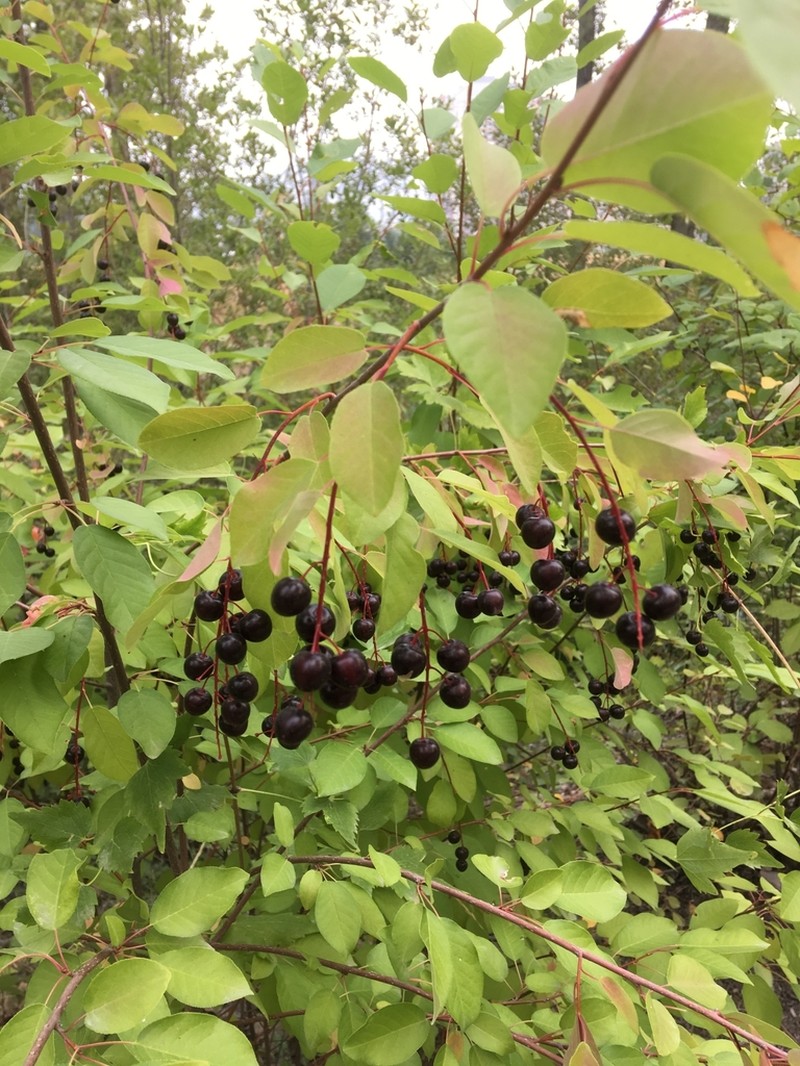
- Fall Color:
- yellow, red
Soil Requirements
- Soil Type:
- rich, well-drained loamy soil
- pH:
- 5.5 - 7.5 (slightly acidic to neutral)
- Drainage:
- excellent drainage required
- Moisture:
- consistently moist
- Notes:
- Prefers fertile soils but can adapt to various conditions
Propagation & Germination
- Stratification:
- Cold/moist stratification required — 90–120 days
- Scarification:
- Seed coat scarification required before sowing
- Germination Time:
- 30–60 days
- Notes:
- Seeds require cold stratification and scarification; germination may be slow and uneven.
Pre-treatment: Seeds are soaked in 3:1 water:3% hydrogen peroxide for 10 minutes, followed by a 48 hour running water rinse. Then, they are placed into a 90-150 day cold, moist stratification at 3C. Alternatively, seeds can be mixed with perlite or vermiculite in a bag or container, moistened, and placed in a refrigerator or cold garage (33-42 degrees F) for three to six months.
Establishment: There is some variation in the pre-treatment protocols, with some suggesting a longer stratification period and others suggesting the addition of perlite or vermiculite. The germination rate also varies depending on the specific protocol used.
Source: npn.rngr.net
ORGHPS Germination Guide: Use repeated cycles of 4°C, then 20°C for 3 months each. Germination is very prolonged. Pulpy coat inhibits germination. Remove by soaking and rinsing in clean water for approximately 7 days. Discard water. * soak in hot water for 24 hours to scarify, stratify at 4°C.
Source: Ontario Rock Garden & Hardy Plant Society
Where to Buy
Nationwide Seller