
Mexican Cliffrose
Purshia mexicana
- Native to:
- Mexico, United States
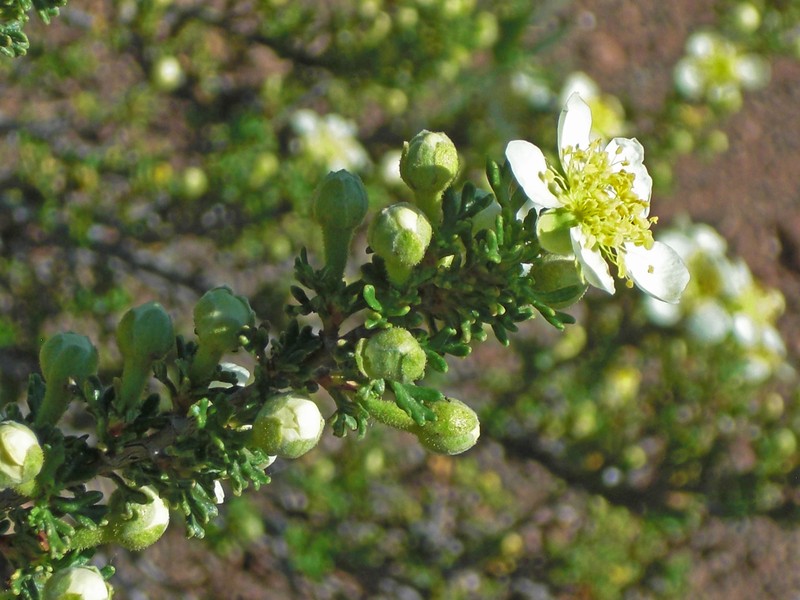
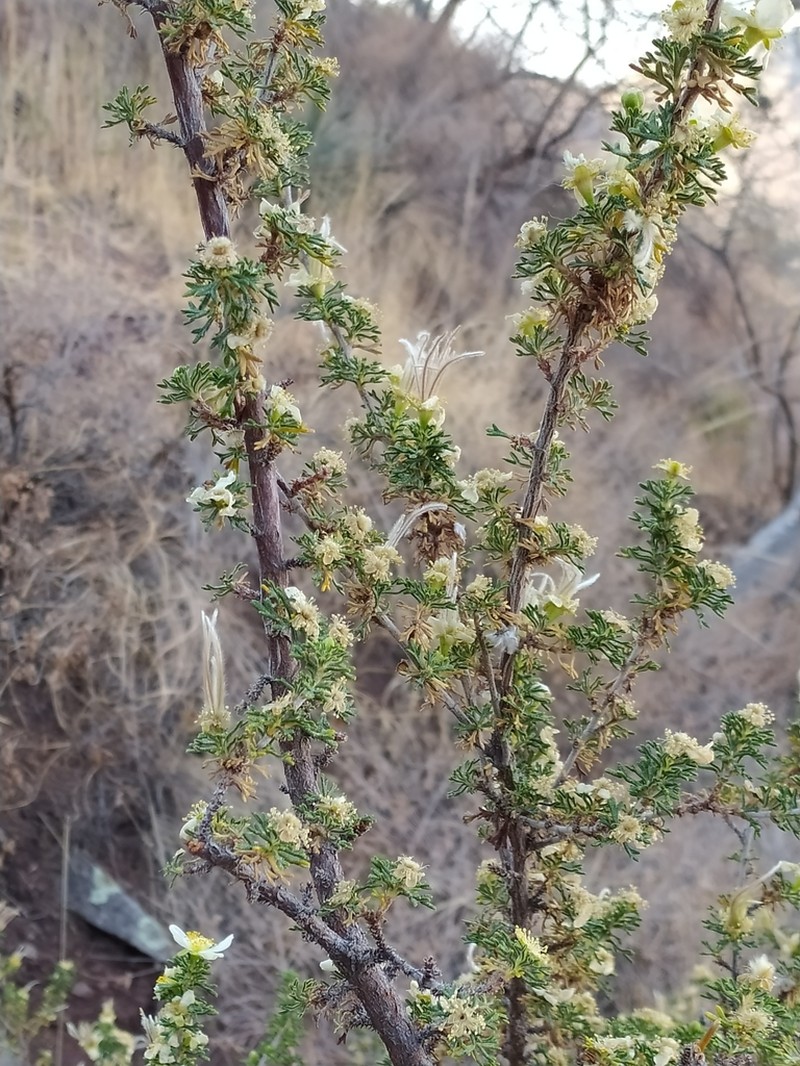
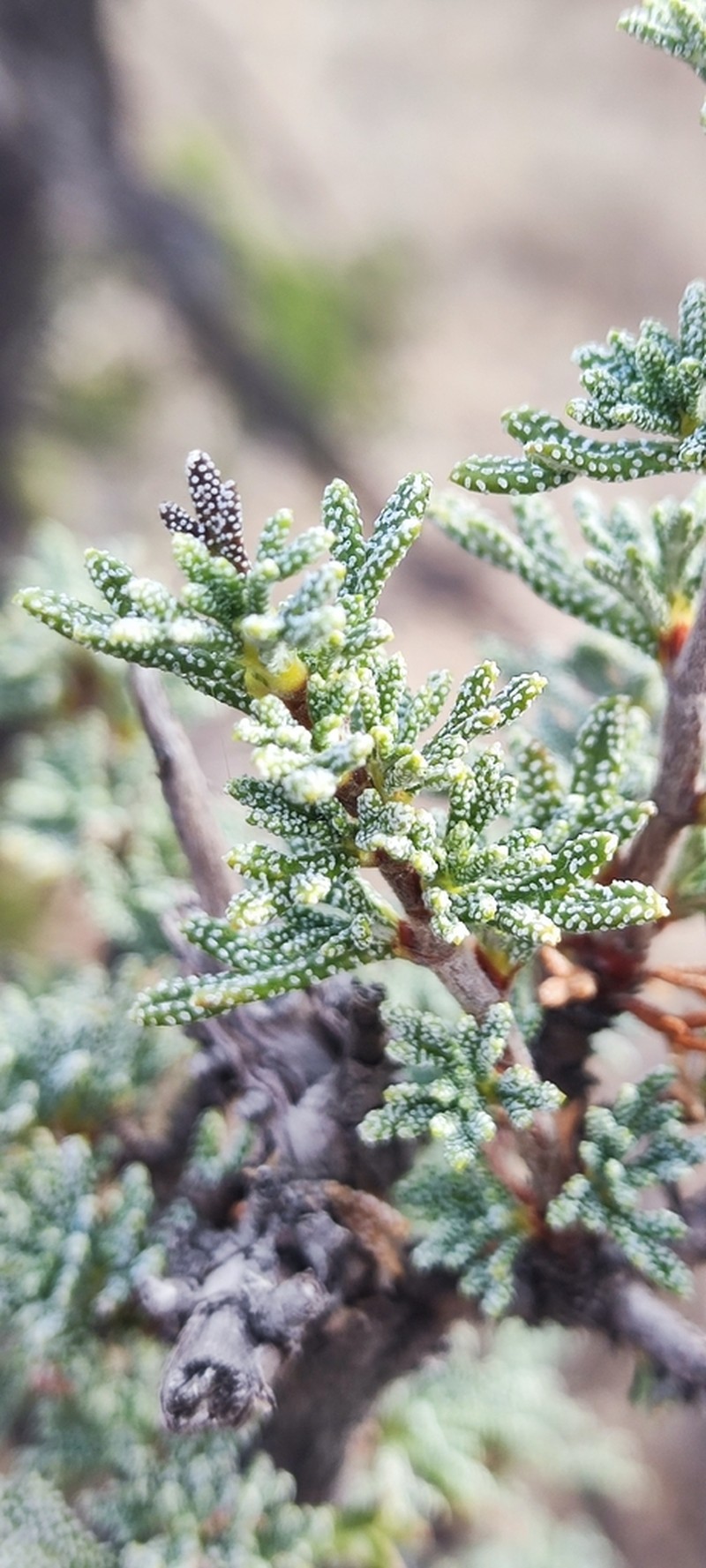
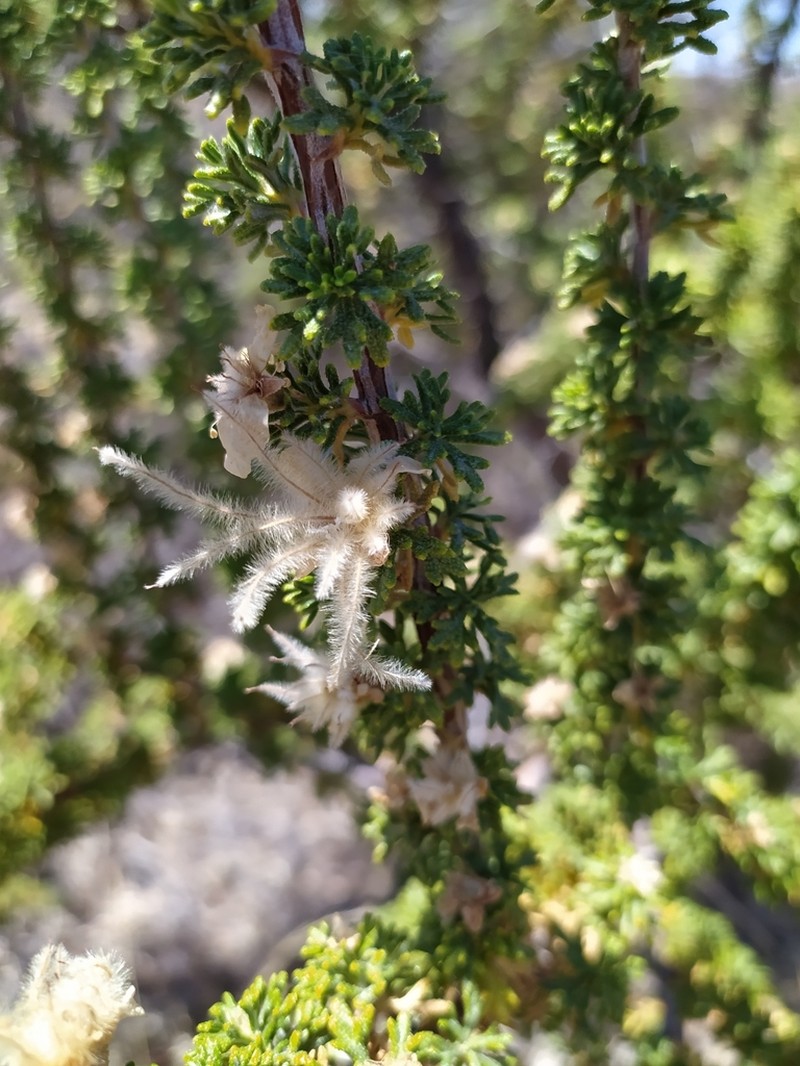
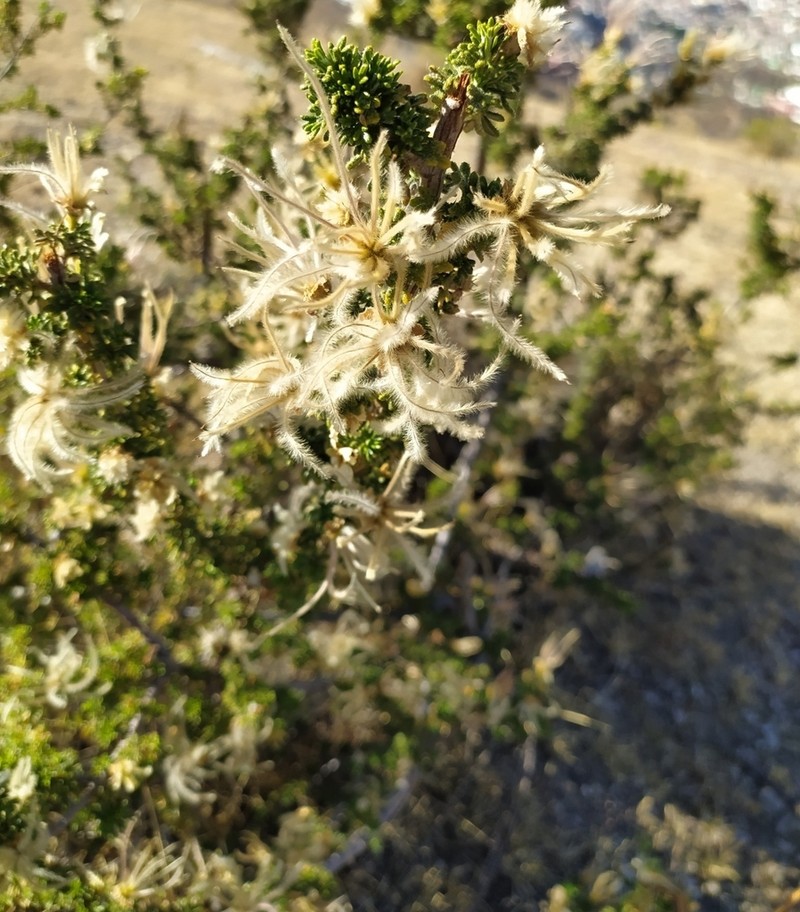
Andrey Zharkikh (www.flickr.com) from Salt Lake City, USA
Taxonomy
- Division:
- Magnoliophyta | - Flowering plants
- Family:
- Rosaceae
- Genus:
- Purshia
- Species:
- Purshia mexicana
- USDA Symbol:
- PUME
Growth Characteristics
- Life Cycle:
- Perennial
- Growth Habit:
- Shrub , Tree
- Height:
- 300 cm
- Light Requirements:
- Full Sun
- Drought Tolerance:
- High
- Bloom Months:
- apr,may,jun
- Bloom Colors:
- yellow
- Landscaping Shrub:
- Yes
Wildlife Benefits
- Butterflies & Moths:
- ★☆☆☆☆ Documented Lepidoptera association (GBIF)
- Caterpillars:
- ★☆☆☆☆ Recorded caterpillar host plant (HOSTS Database)
Host Plant for Caterpillars
early hairstreak (Incisalia fotis)
Reported Fauna Sightings
Butterflies:Callophrys fotis
Garden & Ecology Notes
- Wildlife Value:
- birds, small mammals
- Fire Ecology:
- Fire adapted — tolerates or benefits from fire
- Fire Notes:
- Resprouts from root crown after fire; seeds also germinate well in post-fire conditions.
Soil Requirements
- Soil Type:
- rocky, well-drained, nutrient-poor soil
- pH:
- 6.0 - 8.0 (slightly acidic to neutral)
- Drainage:
- excellent drainage required
- Moisture:
- dry to moderate
- Notes:
- adapted to arid and semi-arid regions
Propagation & Germination
- Stratification:
- Cold/moist stratification required — 60–90 days
- Scarification:
- Seed coat scarification required before sowing
- Germination Time:
- 14–30 days
- Notes:
- Seeds require scarification (nicking or hot water treatment) followed by cold stratification for 60-90 days.
Pre-treatment: Seeds are stratified naturally by planting them in the fall in a thin layer of sand on mulched field beds. Stratification lasts 1 to 2 months. Wet tumbling is beneficial, which involves putting the seeds in a rubber-lined rock tumbler jar with tap water. The water is changed daily to remove any inhibitors that may have leached out.
Establishment: Seeds are collected during fall months and are kept separated according to site, elevation and source. The seeds must be transplanted soon after germination before radicle elongates. Some species may benefit from a rigorous imbibition treatment and/or leaching of germination inhibitors.
Source: npn.rngr.net