
Antelope Bitterbrush
Purshia tridentata
- Native to:
- Canada, United States
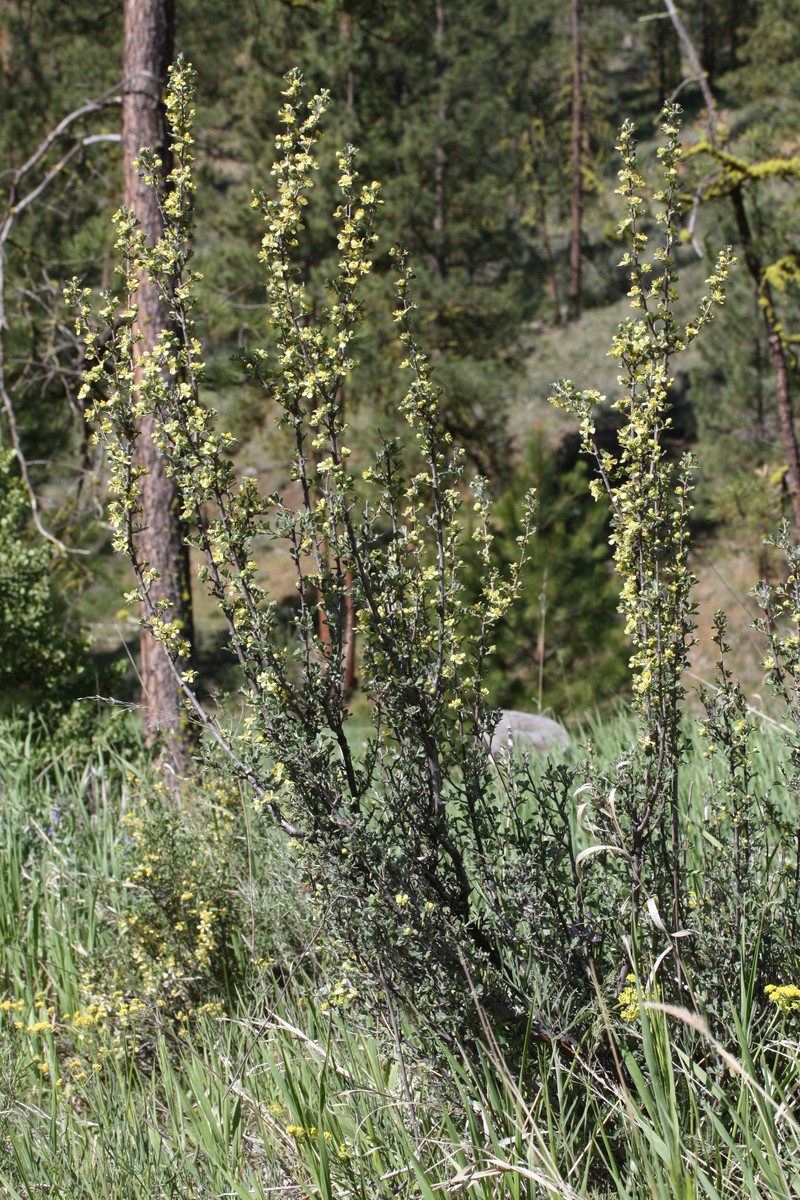
Walter Siegmund (talk)
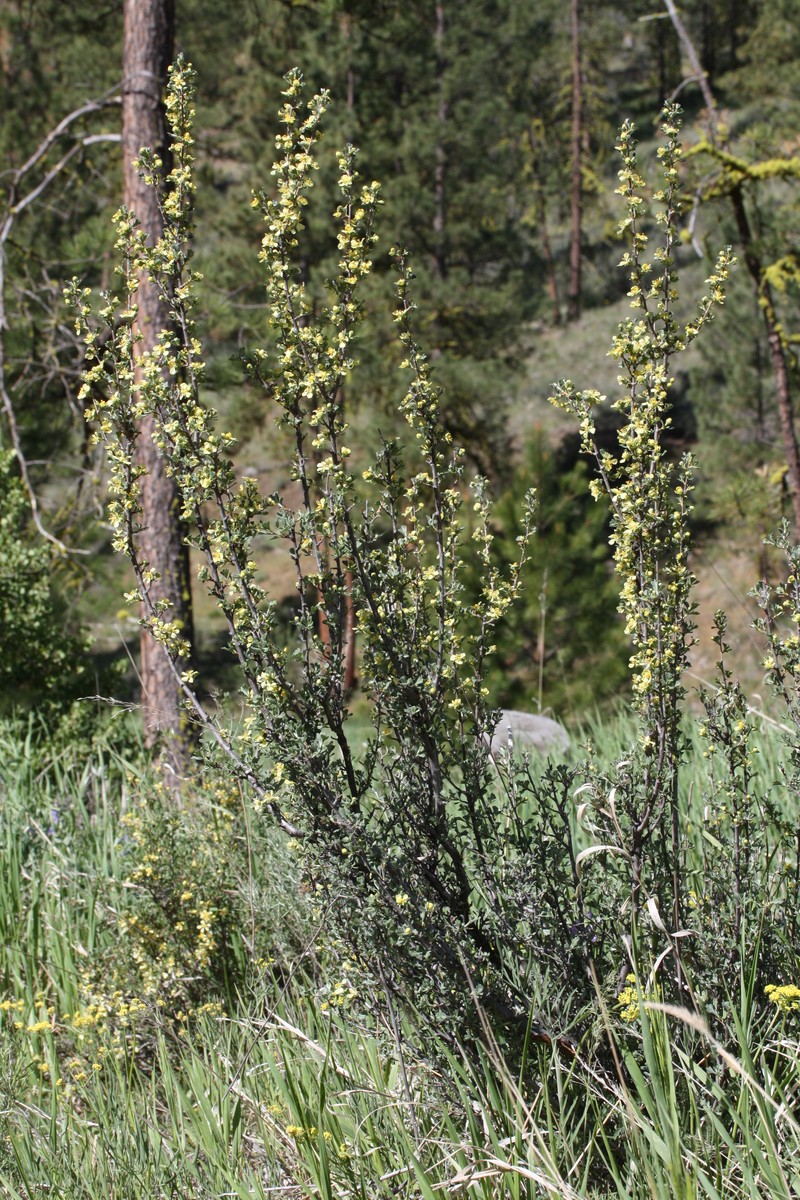
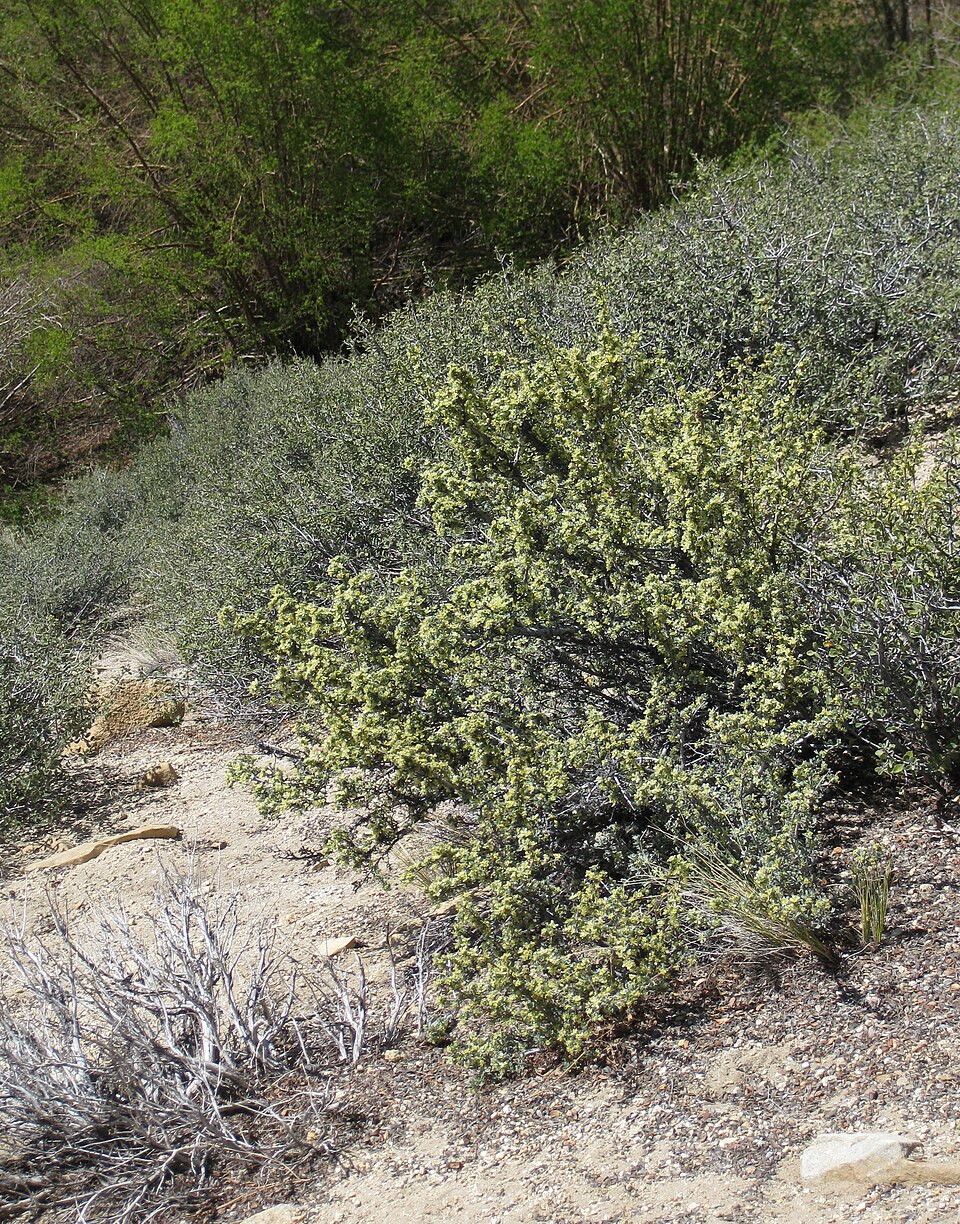
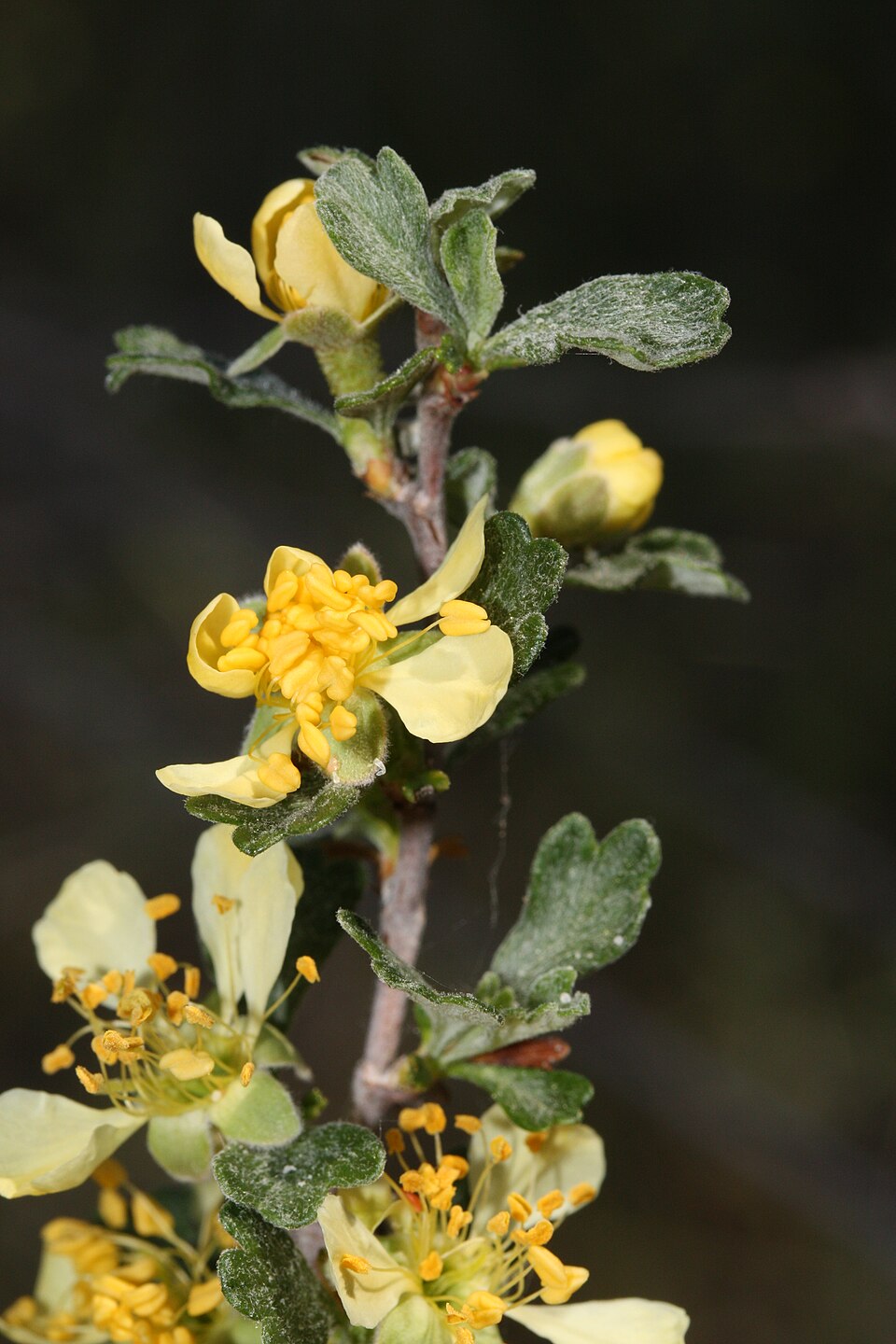
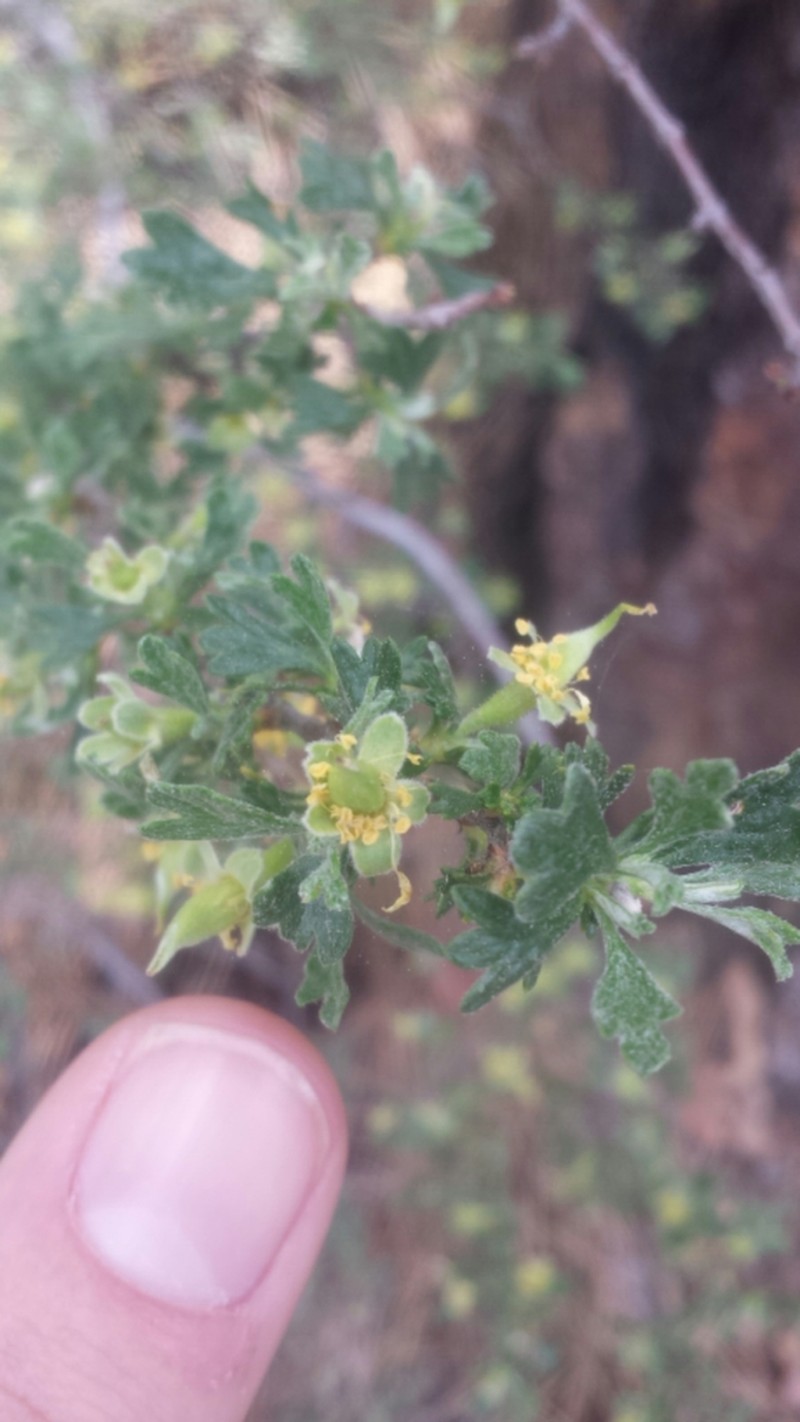
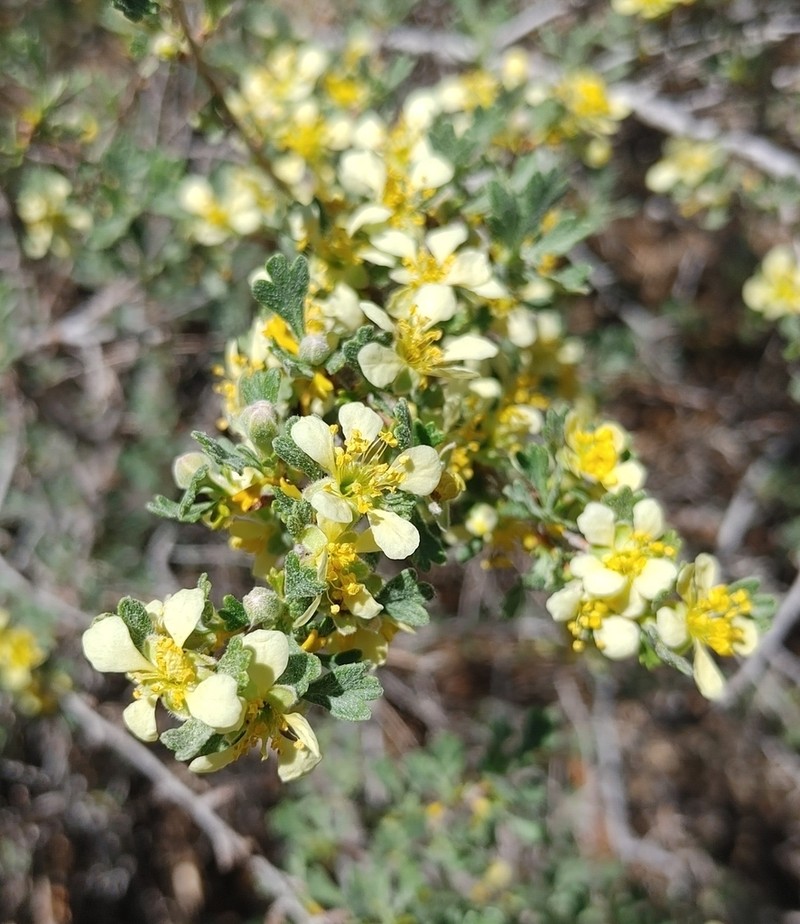
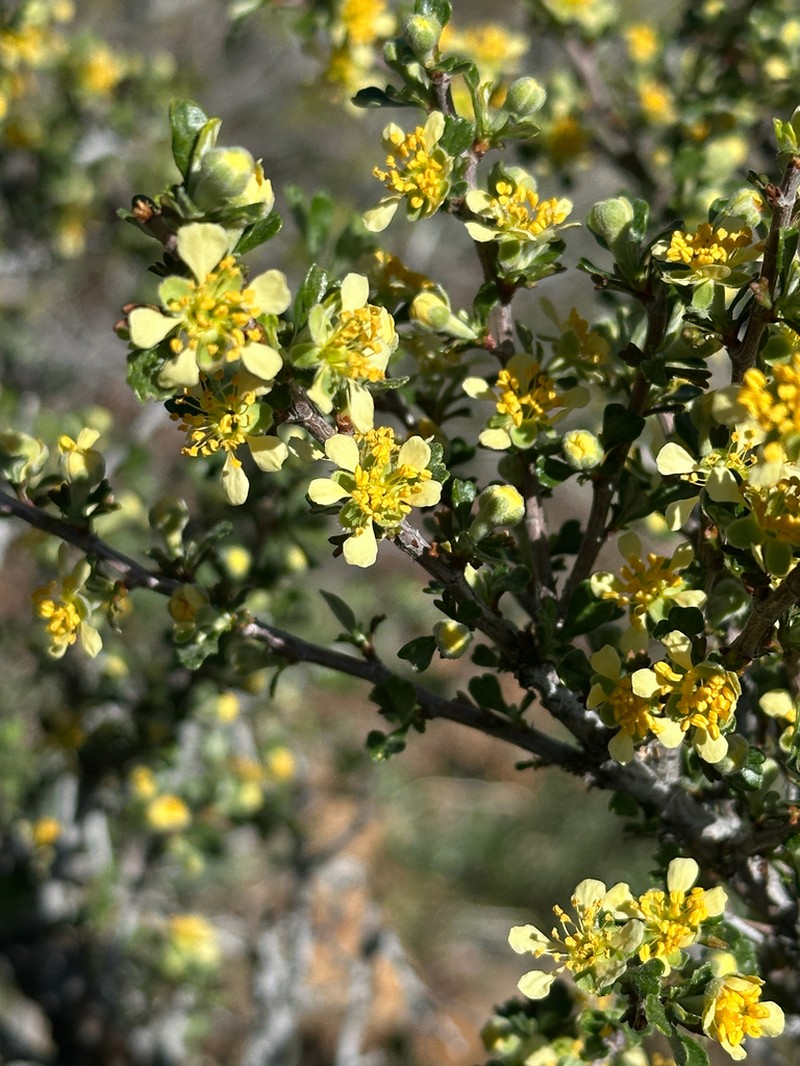
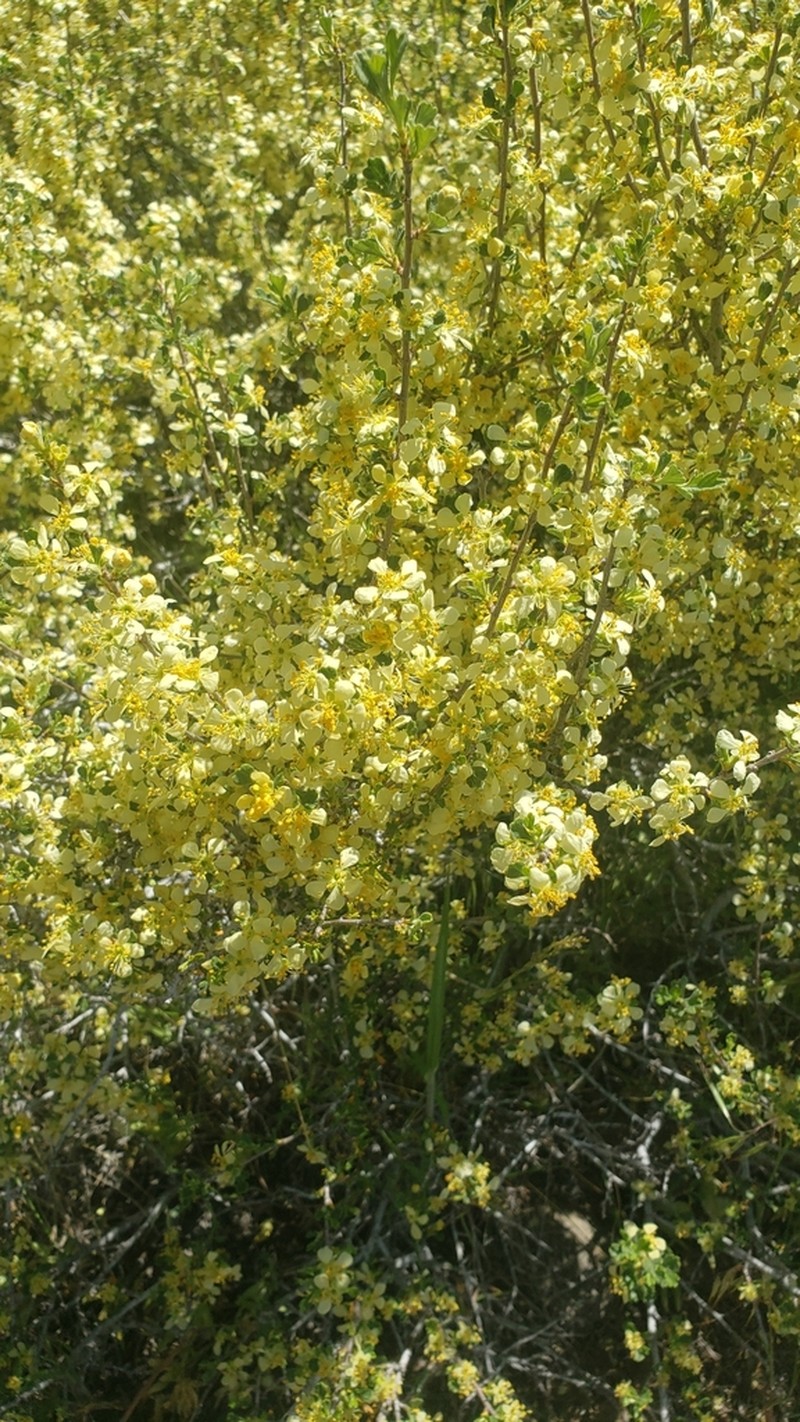
Taxonomy
- Division:
- Magnoliophyta | - Flowering plants
- Family:
- Rosaceae
- Genus:
- Purshia
- Species:
- Purshia tridentata
- USDA Symbol:
- PUTR2
Growth Characteristics
- Life Cycle:
- Perennial
- Growth Habit:
- Shrub
- Height:
- 300 cm
- Light Requirements:
- Full Sun
- Drought Tolerance:
- High
- Bloom Months:
- apr,may,jun
- Bloom Colors:
- yellow
- Landscaping Shrub:
- Yes
Wildlife Benefits
- Bees:
- ★☆☆☆☆ Documented bee visitation (GBIF)
- Butterflies & Moths:
- ★★★★☆ Documented Lepidoptera association (GBIF)
- Caterpillars:
- ★★★☆☆ Recorded caterpillar host plant (HOSTS Database)
Host Plant for Caterpillars
Acerra normalis, Acronicta perdita, Andropolia diversilineata, Aseptis fumosa, Bruce's Swordgrass Moth (Xylena brucei), buck moth (Hemileuca sp.), Ceanothus Silkmoth (Hyalophora euryalus), Columbia silk moth (Hyalophora columbia), Darwin's emerald (Nemoria darwiniata), Egira curialis, Egira hiemalis, Elegant Sheep Moth (Hemileuca eglanterina), Filatima sperryi, impressed dagger moth (Acronicta impressa), Lacinipolia pensilis, Nuttall's buckmoth (Hemileuca nuttalli), Orgyia cana (Orgyia cana), Pseudoglaea olivata, short-lined angle (Anacamptodes clivinaria), sulphur moth (Hesperumia sulphuraria), Synaxis cervinaria, Tesagrotis corrodera, Tesagrotis piscipellis, three-lined leafroller (Pandemis limitata), walnut spanworm moth (Phigalia plumogeraria), Western tent caterpillar (Malacosoma californica), Behr's hairstreak (Satyrium behrii), California hairstreak (Satyrium californicum)
Reported Fauna Sightings
Bees: Central bumble bee (Bombus centralis) Moths:Hyalophora gloveri, Western tent caterpillar (Malacosoma californica) Butterflies:Behr's hairstreak (Satyrium behrii)
Garden & Ecology Notes
- Wildlife Value:
- birds, small mammals, butterflies
- Fire Ecology:
- Fire adapted — tolerates or benefits from fire
- Fire Notes:
- Resprouts from root crown after fire; seeds also germinate well on burned sites.
Soil Requirements
- Soil Type:
- sandy, well-drained, nutrient-poor soil
- pH:
- 6.0 - 8.0 (slightly acidic to neutral)
- Drainage:
- excellent drainage required
- Moisture:
- dry to moderate
- Notes:
- thrives in arid and semi-arid conditions
Propagation & Germination
- Stratification:
- Cold/moist stratification required — 60–90 days
- Scarification:
- Seed coat scarification required before sowing
- Germination Time:
- 14–30 days
- Notes:
- Seeds require scarification (nicking or hot water treatment) followed by cold stratification for 60-90 days.
Pre-treatment: Seeds are placed in cold moist stratification for 80 to 90 days. Alternatively, seeds can be imbibed in water for 2 days and artificially stratified in a refrigerator for 30 days. Another method is to place the seed in mesh bags, soak in cold running water for 48 hours, then lay out on trays in cold stratification rooms for 30 to 45 days. Some seeds are treated with rootinghor.
Establishment: Seeds are collected during fall months and are kept separated according to site, elevation and source. Some seeds are treated with rootinghor. There are variations in pre-treatment and establishment protocols.
Source: npn.rngr.net
Where to Buy
Nationwide Seller
- Native Seed Group (seeds)
- Sheffield's Seed (seeds)