
Common Pear
Pyrus communis
- Native to:
- Albania, Austria, Baltic States, Belarus, Belgium, Bulgaria, Corse, Cyprus, Czechia-Slovakia, East Aegean Is., France, Germany, Greece, Hungary, Iraq, Italy, Krym, Netherlands, North Caucasus, NW. Balkan Pen., Poland, Romania, Russia, Sardegna, Sicilia, Spain, Switzerland, Transcaucasus, Türkiye, Türkiye-in-Europe, Ukraine
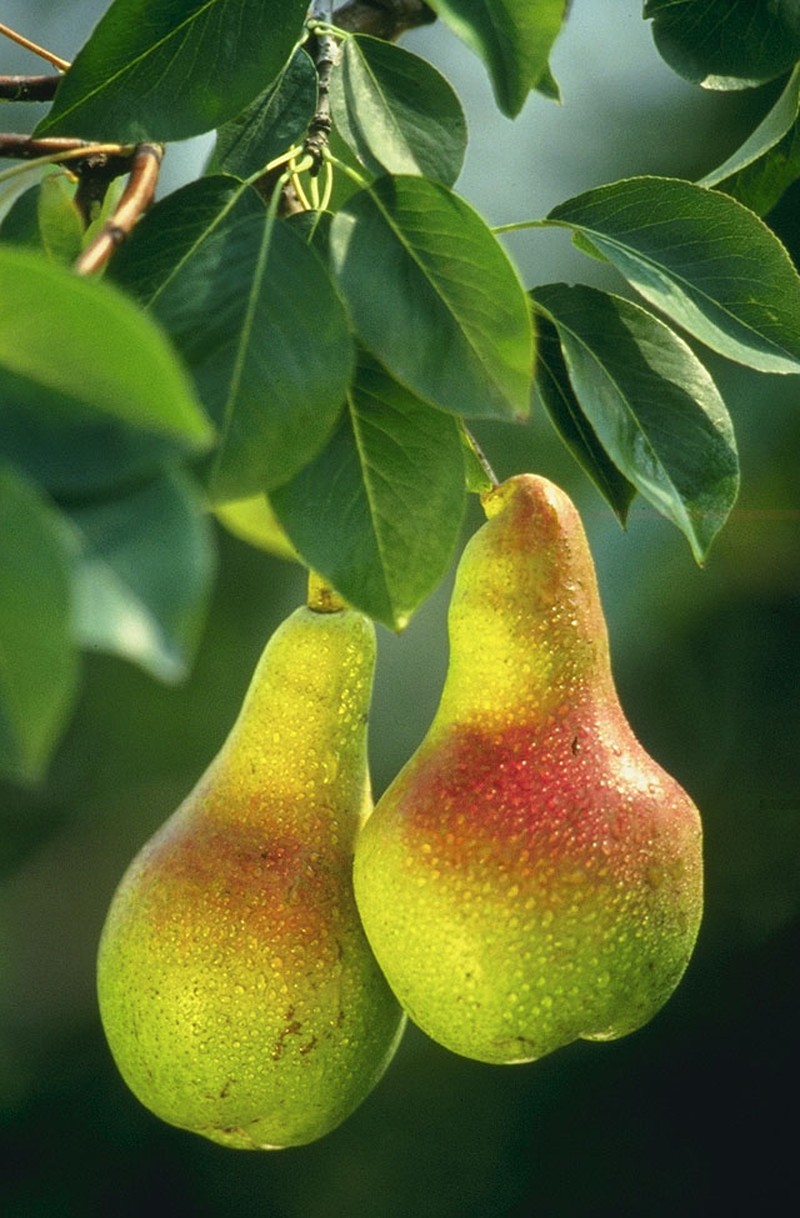
Uoaei1
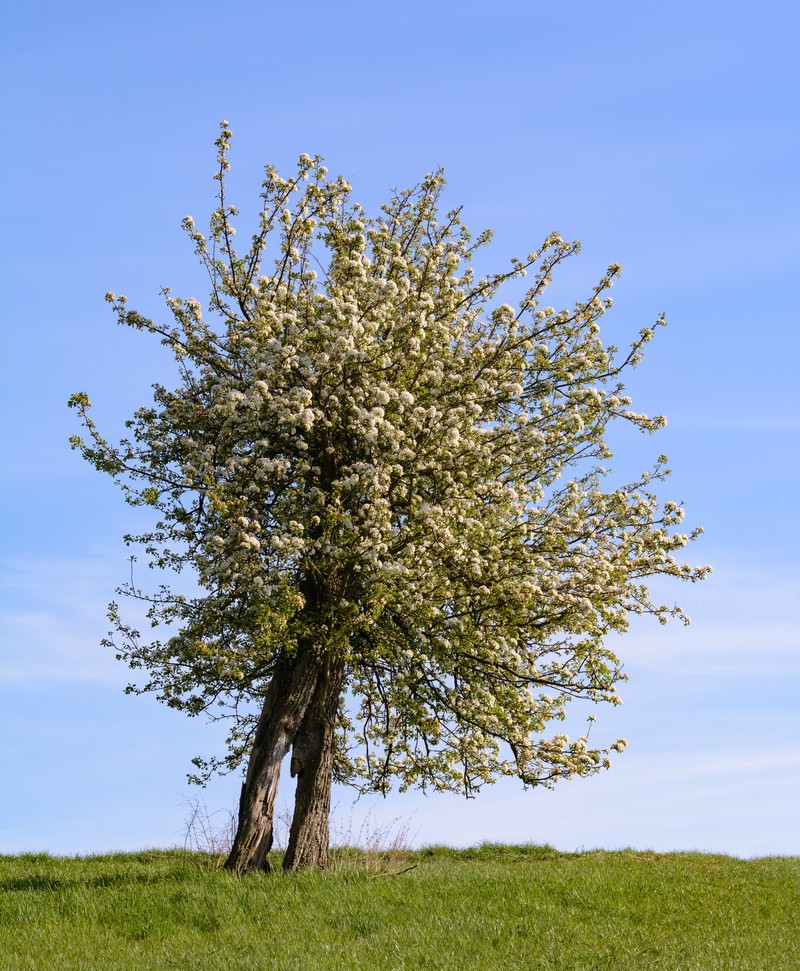
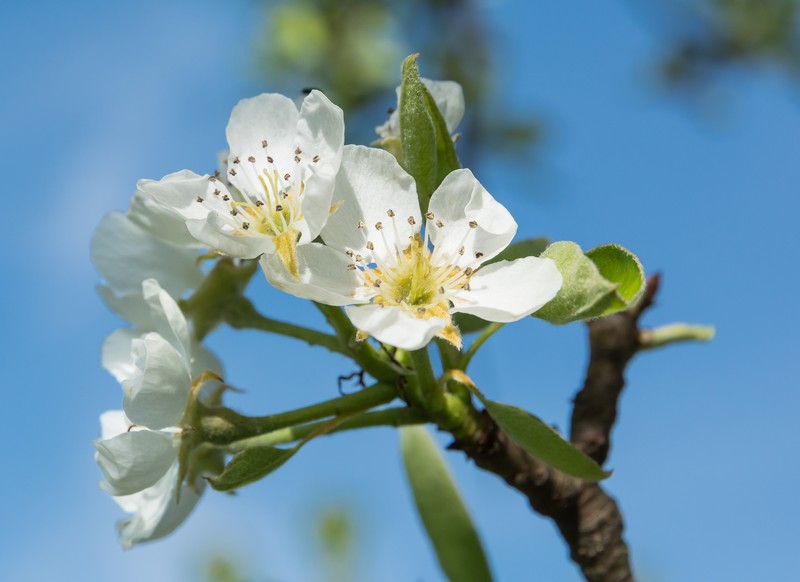

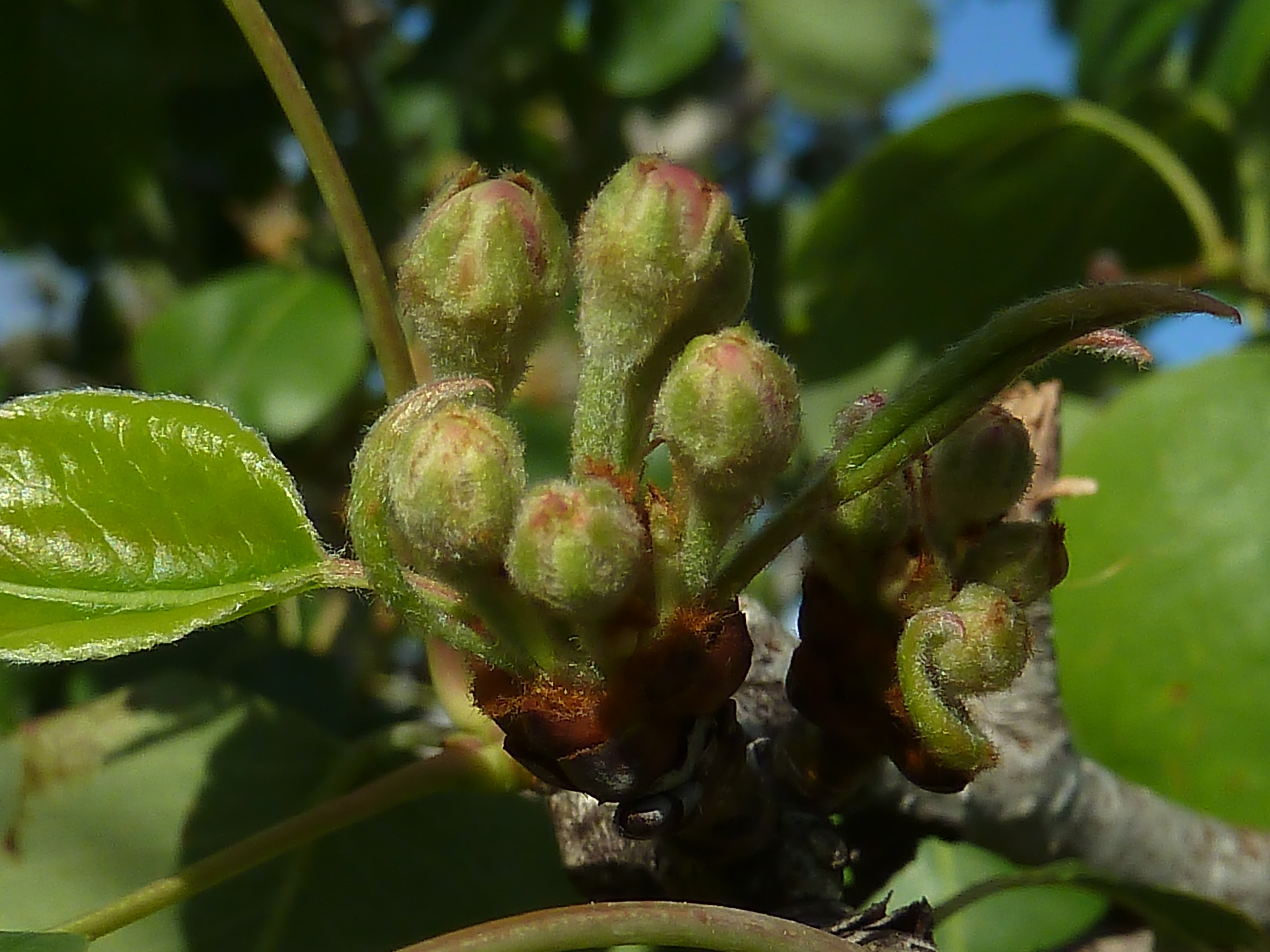
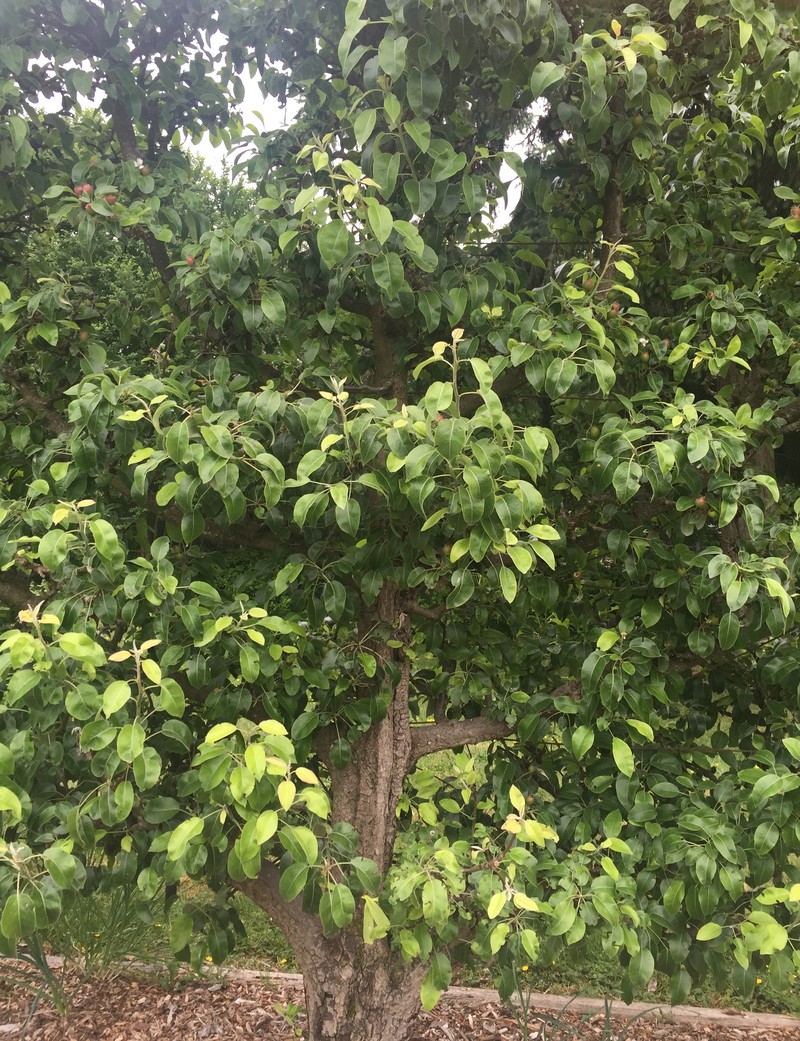
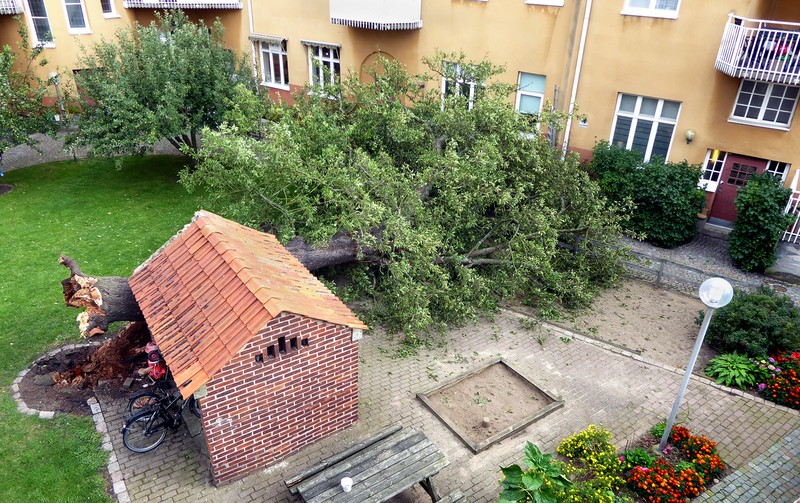
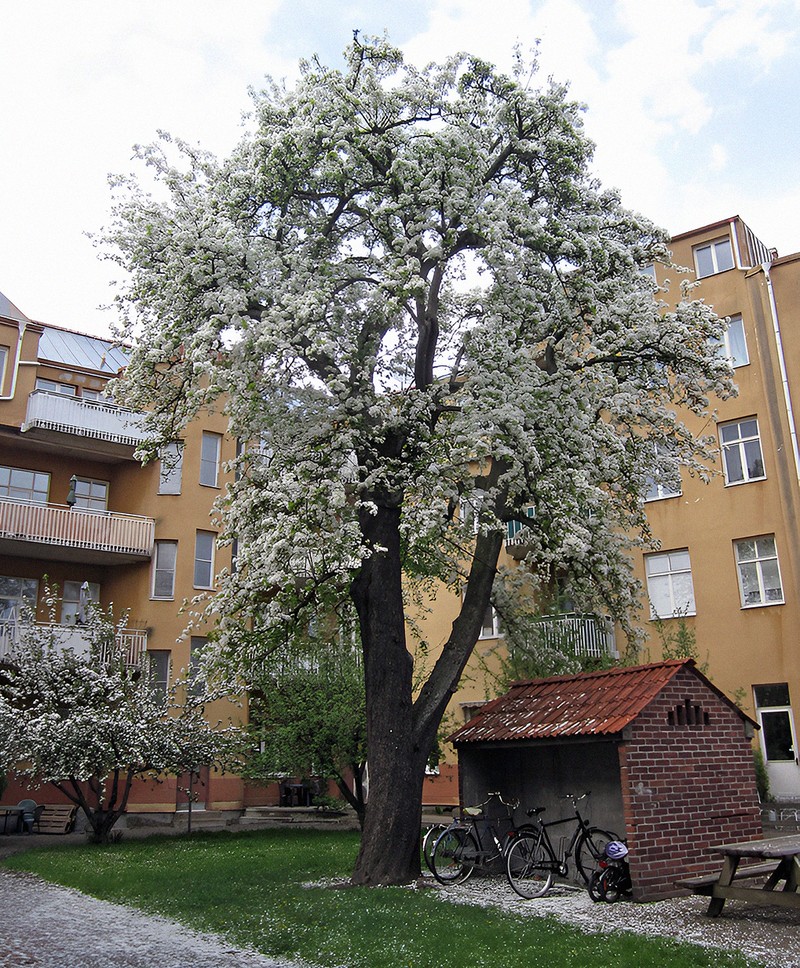
Taxonomy
- Division:
- Magnoliophyta | - Flowering plants
- Family:
- Rosaceae
- Genus:
- Pyrus
- Species:
- Pyrus communis
- USDA Symbol:
- PYCO
Growth Characteristics
- Life Cycle:
- Perennial
- Growth Habit:
- Tree
- Height:
- 1500 cm
- Light Requirements:
- Full Sun
- Drought Tolerance:
- Medium
- Bloom Months:
- apr,may
- Bloom Colors:
- white
- Food Forest:
- Contains edible parts
Wildlife Benefits
- Bees:
- ★★☆☆☆ Documented bee visitation (GBIF)
- Butterflies & Moths:
- ★★★★★ Documented Lepidoptera association (GBIF)
- Caterpillars:
- ★★★★★ Recorded caterpillar host plant (HOSTS Database)
Host Plant for Caterpillars
Ailanthus silkmoth (Samia cynthia), almond moth (Cadra cautella), American lappet moth (Phyllodesma americana), American plum borer (Euzophera semifuneralis), Apple Sphinx (Sphinx "gordius"), Apple Sphinx (Sphinx gordius), Ashen Pinion (Lithophane antennata), Bagworm moth (Thyridopteryx ephemeraeformis), black-tipped pyralid moth (Moodna ostrinella), Blinded Sphinx (Paonias excaecata), Brown-tail moth (Euproctis chrysorrhoea), Bruce spanworm (Operophtera bruceata), Carob moth (Ectomyelois ceratoniae), Cecropia moth (Hyalophora cecropia), Chain-lined geometer moth (Cingilia catenaria), Cnidocampa flavescens, Codling moth (Cydia pomonella), Coleophora cerasivorella, Coleophora malivorella, common gray (Anavitrinella pampinaria), Conogethes sp., Copper Underwing (Amphipyra pyramidoides), corn earworm (Helicoverpa zea), Curve-toothed geometer (Eutrapela clemataria), dowdy pinion (Lithophane unimoda), Eastern Tent Caterpillar (Malacosoma americana), Engrailed (Ectropis crepuscularia), Eumarozia malachitana, Euxoa scandens, Euxoa tessellata, eye-spotted bud moth (Spilonota ocellana), fall cankerworm (Alsophila pometaria), Fall webworm (Hyphantria cunea), Forest Tent Caterpillar (Malacosoma disstria), fruit-tree leafroller (Archips argyrospila), Garden Rose Tortrix (Acleris variegana), Gypsy moth (Lymantria dispar), hibiscus Quaker (Orthosia hibisci), Hickory Tussock Moth (Lophocampa caryae), Hickory Tussock Moth (Anacamptodes humaria), Homohadena badistriga, Honeydew moth (Cryptoblabes gnidiella), Interrupted Dagger Moth (Acronicta interrupta), Io moth (Automeris io), Large Tolype (Tolype velleda), leaf crumpler moth (Acrobasis indigenella), Leconte's haploa (Haploa lecontei), Leopard moth (Zeuzera pyrina), Lesser grapevine looper (Eulithis diversilineata), Limbata angle moth (Nematocampa limbata), Linden looper (Erannis tiliaria), Malana balsa moth (Balsa malana), navel orangeworm (Amyelois transitella), One-eyed sphinx (Smerinthus cerisyi), Oriental fruit moth (Cydia molesta), Parornix geminatella, Peppered Moth (Biston betularia), Phyllonorycter crataegella, Polyphemus moth (Antheraea polyphemus), Promethea silkmoth (Callosamia promethea), Protorthodes rufula, Psorosina hammondi, Red-humped caterpillar moth (Schizura concinna), Rusty Tussock Moth (Orgyia antiqua), Saddled Prominent (Heterocampa guttivitta), Setaceous Hebrew Character (Xestia c-nigrum), Smeared Dagger Moth (Acronicta oblinita), southern tussock moth (Dasychira meridionalis), Spilonota prognathana, Spring cankerworm (Paleacrita vernata), Stigmella chalybeia, Walker’s Atlas Moth (Samia walkeri), Western tent caterpillar (Malacosoma californica), Western tussock moth (Orgyia vetusta), Western yellowstriped armyworm (Spodoptera praefica), White-lined sphinx moth (Hyles lineata), White-marked Tussock Moth (Orgyia leucostigma), yellow-headed fireworm (Acleris minuta), Yellownecked caterpillar (Datana ministra), Mourning Cloak (Nymphalis antiopa), Red-spotted Purple (Basilarchia arthemis)
Garden & Ecology Notes
- Wildlife Value:
- birds, bees, butterflies
- Fragrant:
- Yes
- Fall Color:
- red, orange, yellow
Soil Requirements
- Soil Type:
- rich, well-drained loamy soil
- pH:
- 6.0 - 7.5 (slightly acidic to neutral)
- Drainage:
- excellent drainage required
- Moisture:
- consistently moist
- Notes:
- native to temperate regions with fertile soils
Propagation & Germination
- Stratification:
- Cold/moist stratification required — 60–90 days
- Germination Time:
- 30–60 days
- Notes:
- Seeds require cold stratification for 60-90 days to break dormancy.
Where to Buy
Nationwide Seller
- Sheffield's Seed (seeds)