
Carolina Rose
Rosa carolina
- Native to:
- Canada, Mexico, Prince Edward I., United States, Virgin Islands
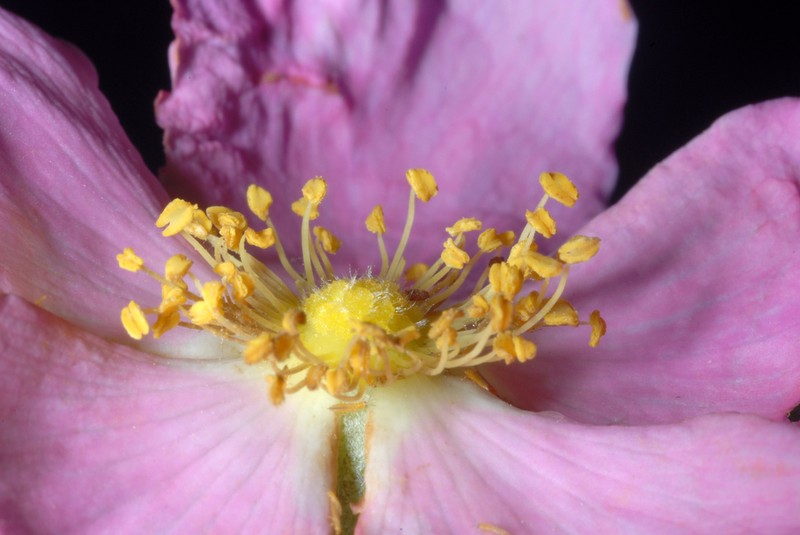
iNaturalist: © douggoldman (iNaturalist #146976512)
Taxonomy
- Division:
- Magnoliophyta | - Flowering plants
- Family:
- Rosaceae
- Genus:
- Rosa
- Species:
- Rosa carolina
- USDA Symbol:
- ROCA4
Growth Characteristics
- Life Cycle:
- Perennial
- Growth Habit:
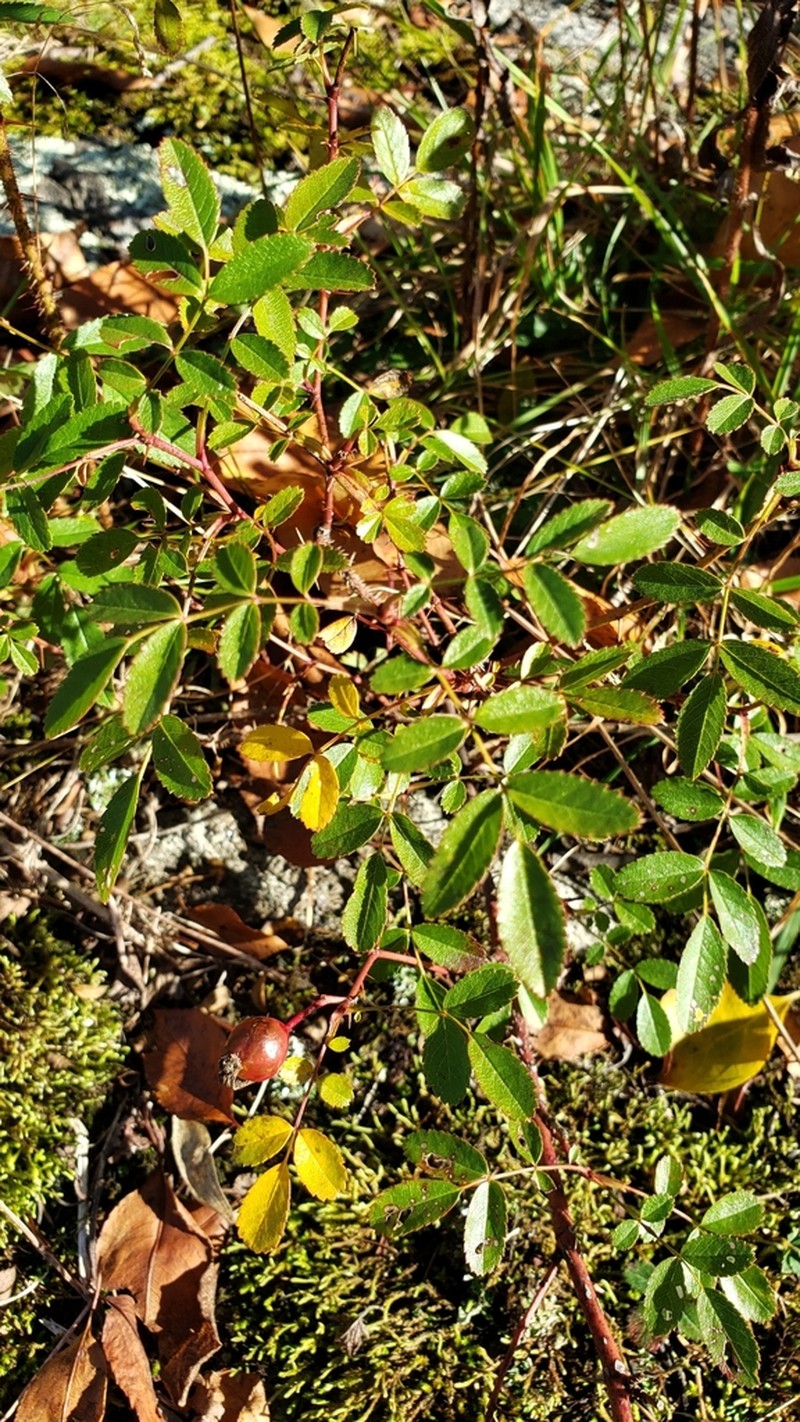
- Subshrub
- Height:
- 150 cm
- Light Requirements:
- Full Sun,Part Shade
- Drought Tolerance:
- Medium
- Bloom Months:
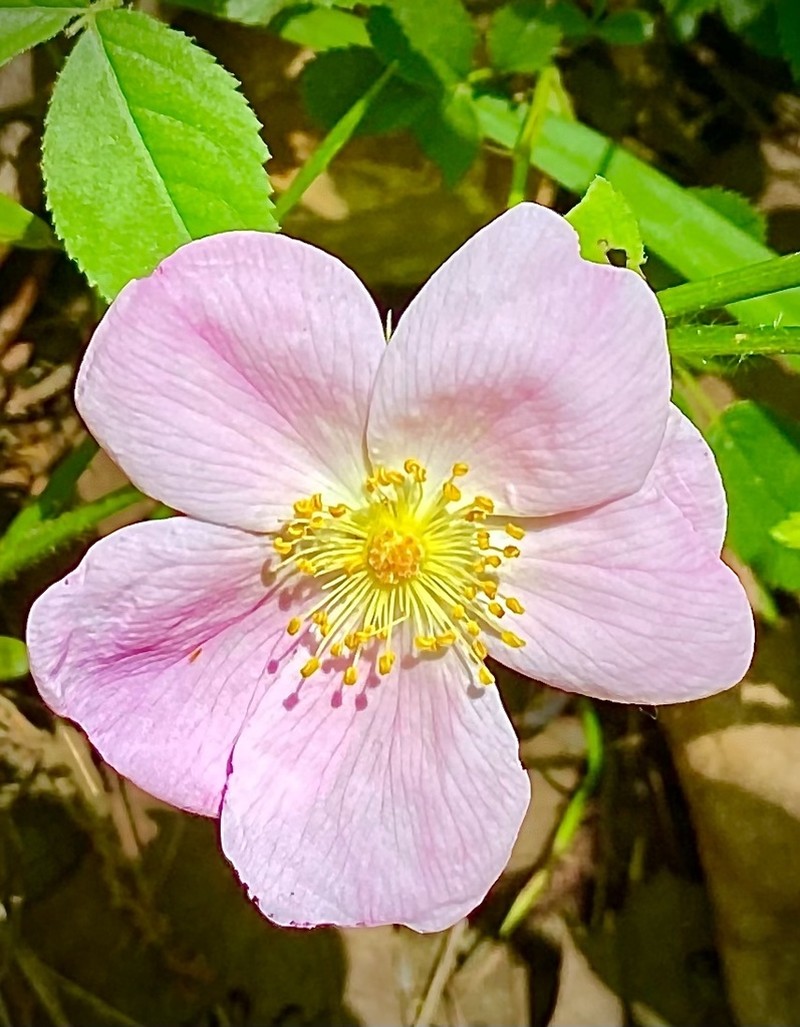
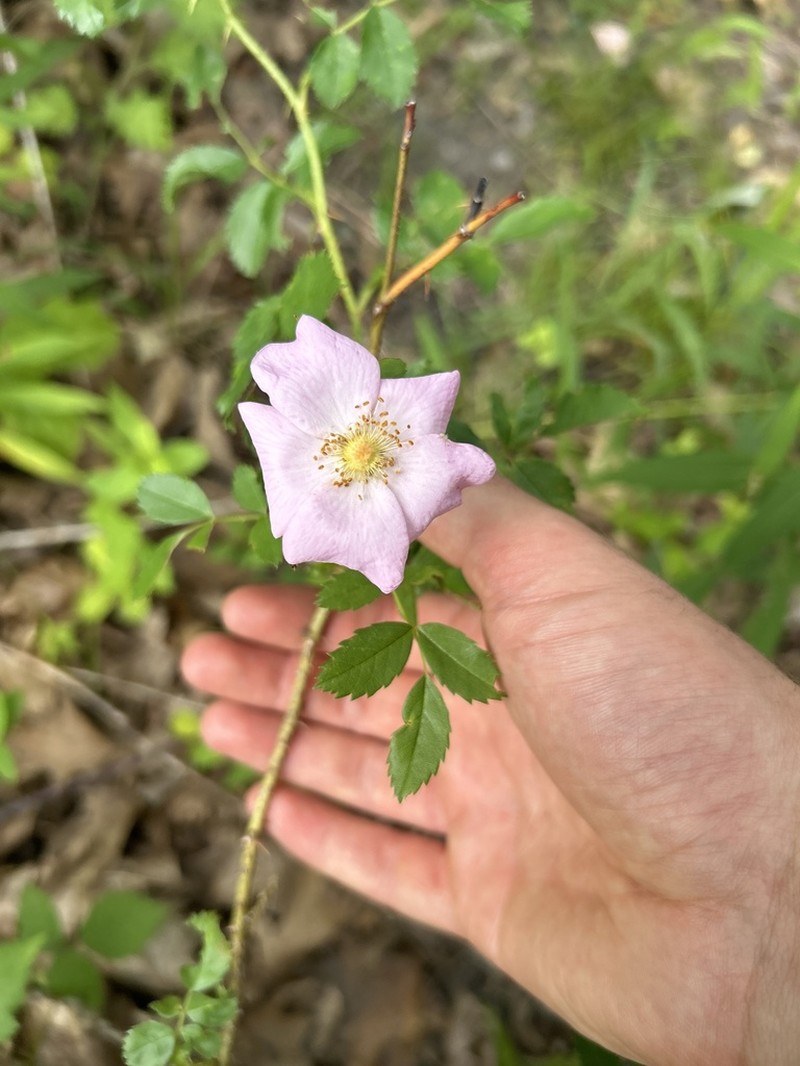
- may,jun,jul
- Bloom Colors:
- pink
- Landscaping Shrub:
- Yes
Wildlife Benefits
- Bees:
- ★☆☆☆☆ Documented bee visitation (GBIF)
- Butterflies & Moths:
- ★★★★★ Documented Lepidoptera association (GBIF)
- Caterpillars:
- ★★★☆☆ Recorded caterpillar host plant (HOSTS Database)
Keystone Species Ranking
- Caterpillar Keystone:
- ★★★★★ Butterfly & moth species supported by this genus (NWF)
Host Plant for Caterpillars
Reported Fauna Sightings
Garden & Ecology Notes
- Wildlife Value:
- birds, butterflies, small mammals
- Fragrant:
- Yes
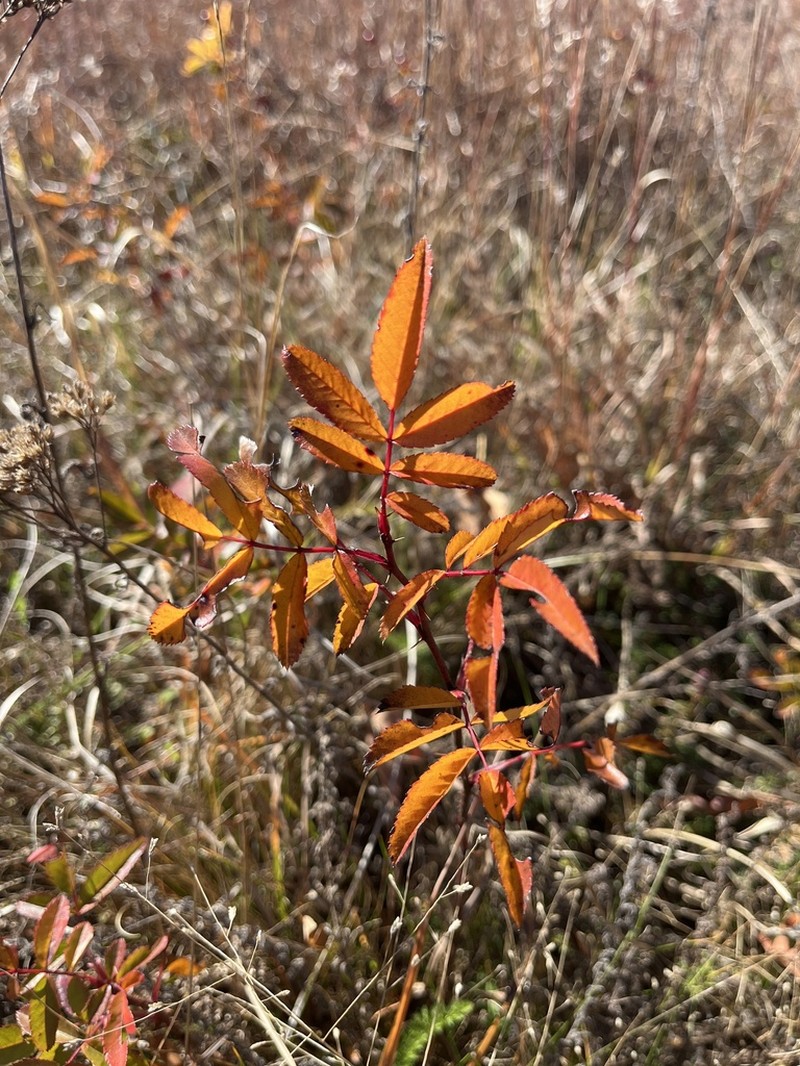
- Fall Color:
- red, orange
Soil Requirements
- Soil Type:
- rich, well-drained loamy soil
- pH:
- 5.5 - 7.0 (slightly acidic to neutral)
- Drainage:
- good drainage required
- Moisture:
- dry to moderate
- Notes:
- prefers open woods and thickets
Propagation & Germination
- Stratification:
- Cold/moist stratification required — 60–90 days
- Germination Time:
- 30–90 days
- Notes:
- Seeds benefit from cold stratification for 60-90 days; germination may be slow and erratic.
Pre-treatment: Mix seed with equal amounts of vermiculite and lightly dampen in a plastic bag or container. Store for 3-4 months in a cold room of 34-36 degrees F. Alternatively, scarify in concentrated sulfuric acid for 45 minutes followed by cold stratification in moist growing medium for 3 months.
Establishment: Seed is collected by hand from nursery stock. The plant flowers from approx. May 15 to June 10. Seed is harvested June 22. Alternatively, seeds were collected in Natchez Trace Parkway close to Jackson, Mississippi by PMC staff in July 1991 and June 1992.
Source: npn.rngr.net
ORGHPS Germination Guide: Use repeated cycles of 20°C, then 4°C for 3 months each. Germination is very prolonged. Pulpy coat inhibits germination. Remove by soaking and rinsing in clean water for approximately 7 days. Discard water. * soak in hot water for 24 hours to scarify
Where to Buy
Nationwide Seller
- Sheffield's Seed (seeds)
- Native Plants Nursery (nursery)
- Prairie Moon Nursery (nursery and seeds)