
Multiflora Rose
Rosa multiflora
- Native to:
- China, Japan, Korea
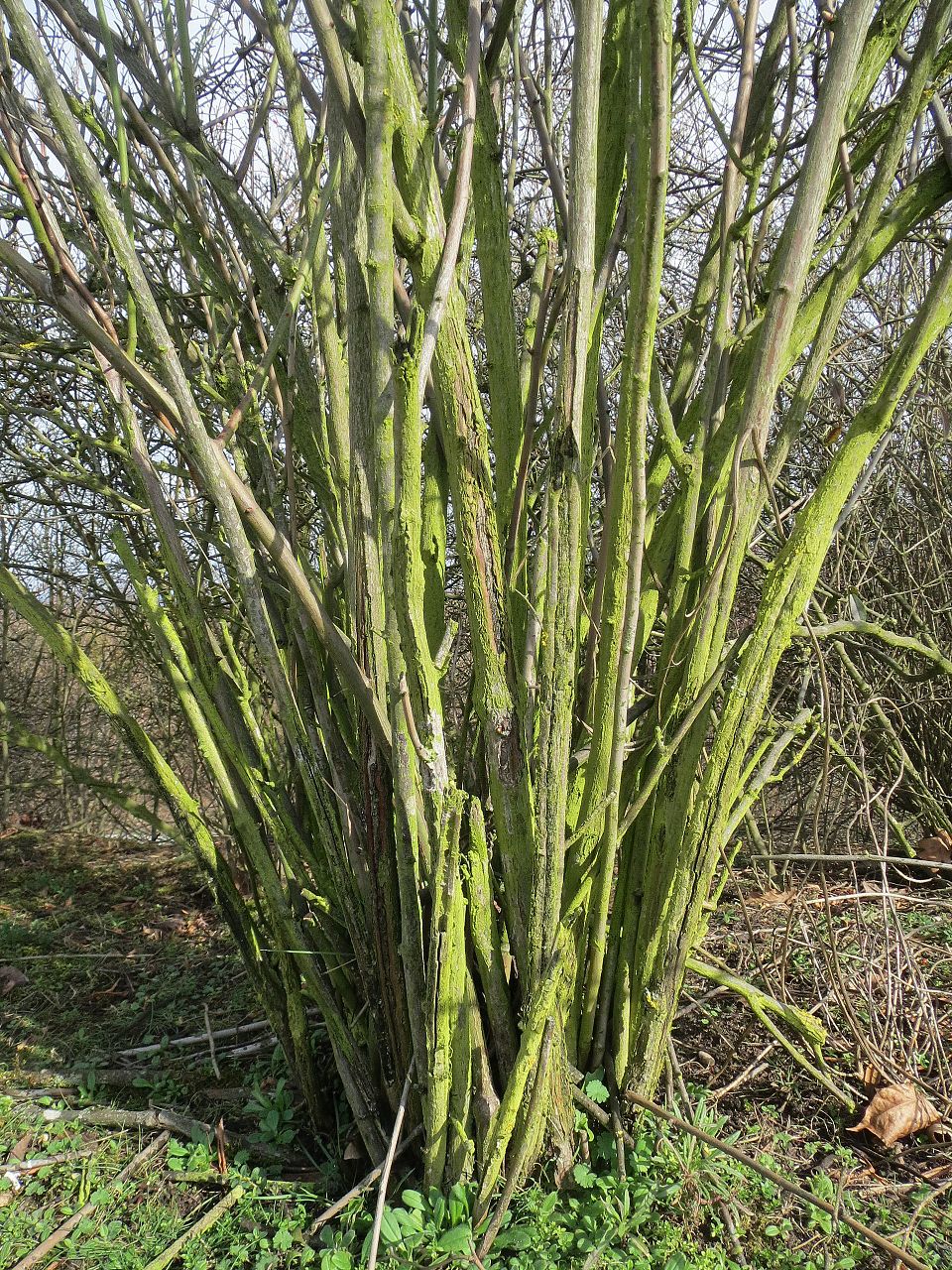
AnRo0002
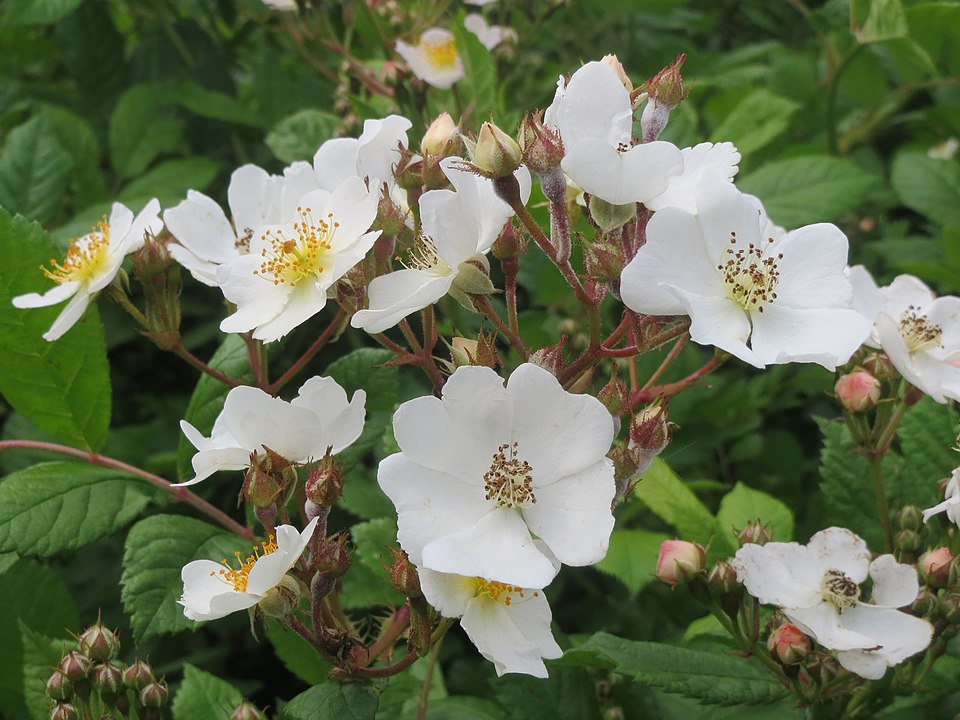
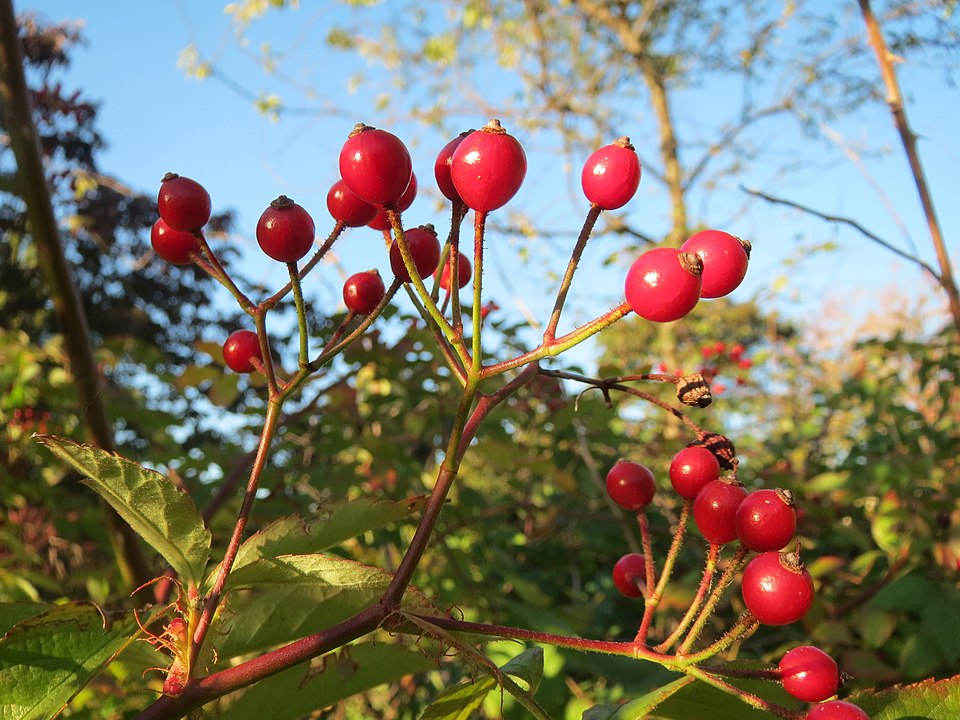
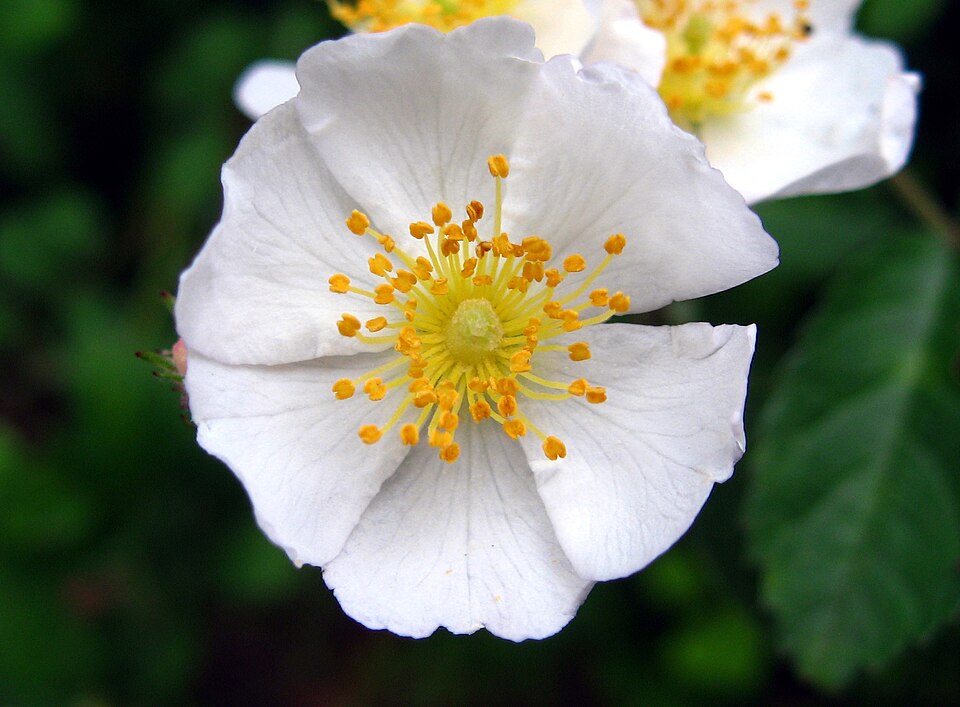
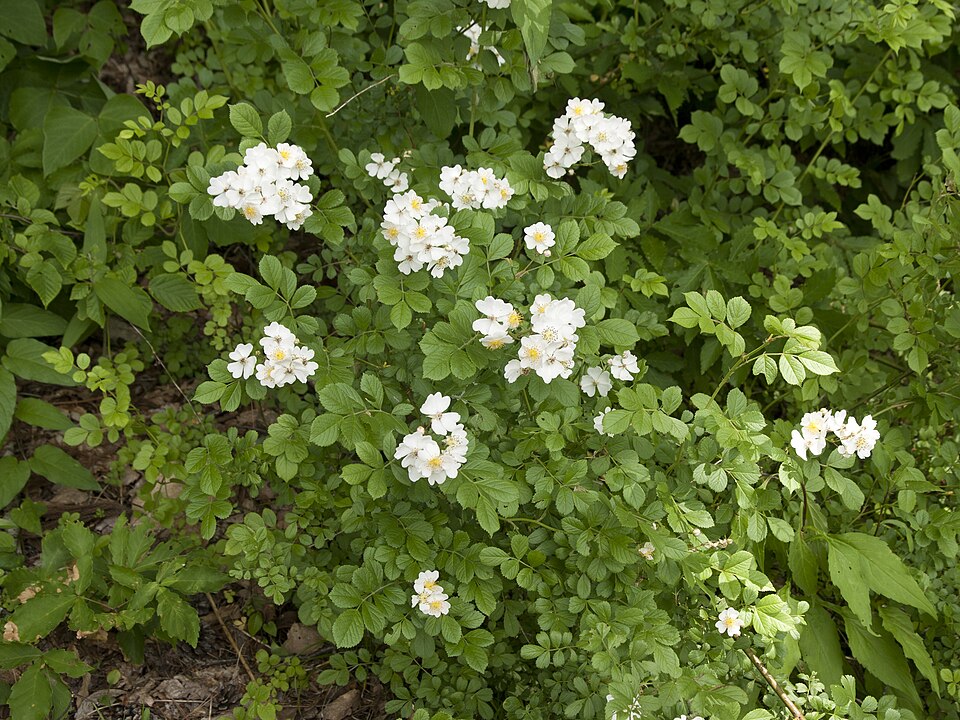
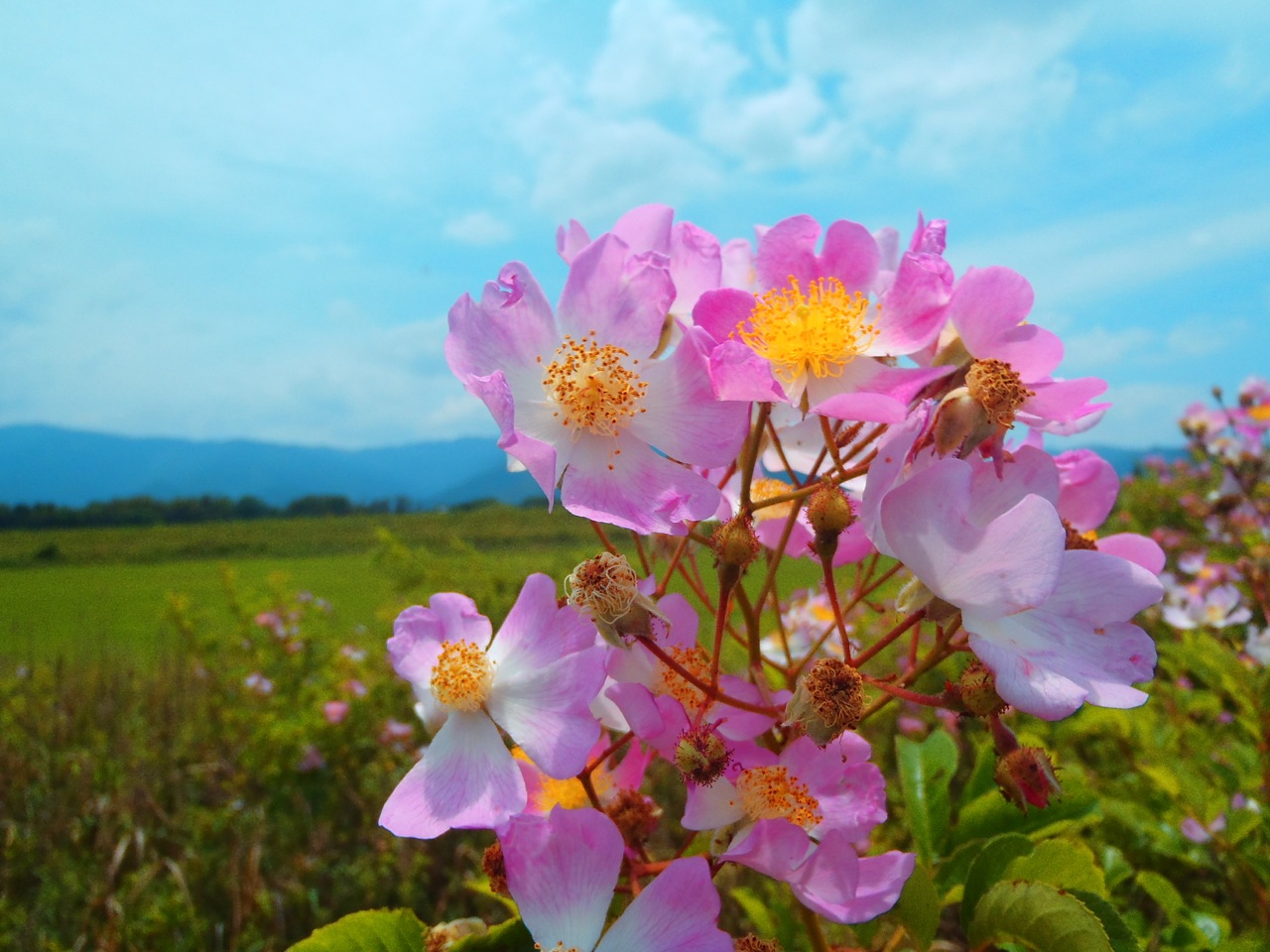
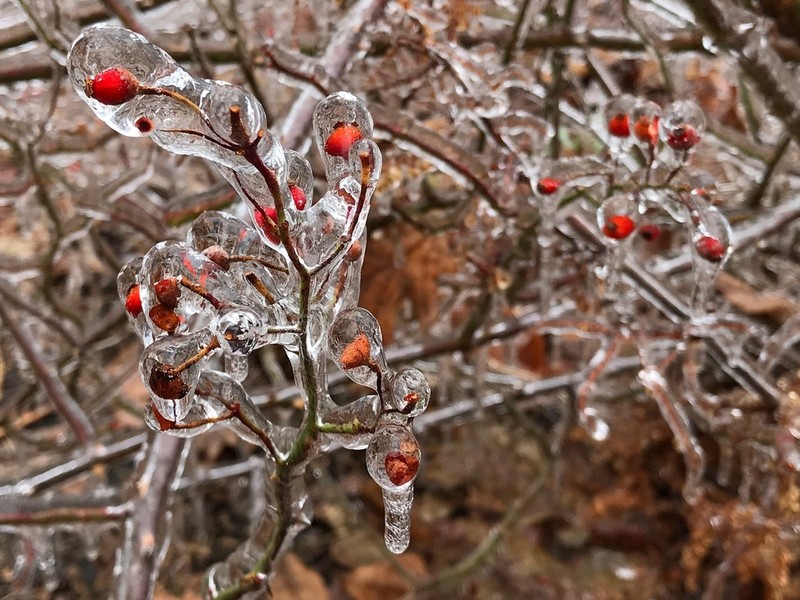
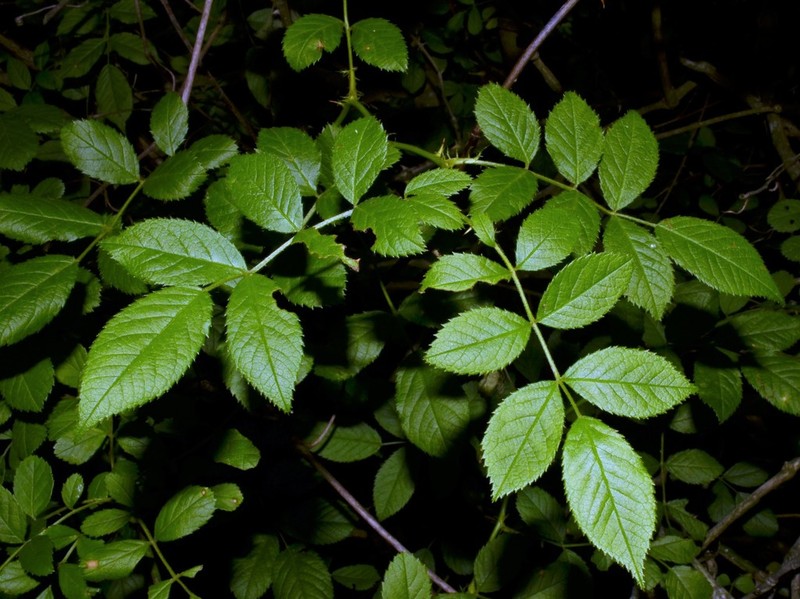
Taxonomy
- Division:
- Magnoliophyta | - Flowering plants
- Family:
- Rosaceae
- Genus:
- Rosa
- Species:
- Rosa multiflora
- USDA Symbol:
- ROMU
Growth Characteristics
- Life Cycle:
- Perennial
- Growth Habit:
- Subshrub , Vine
- Height:
- 500 cm
- Light Requirements:
- Full Sun
- Drought Tolerance:
- Medium
- Bloom Months:
- may,jun,jul
- Bloom Colors:
- white, pink
Keystone Species Ranking
- Caterpillar Keystone:
- ★★★★★ Butterfly & moth species supported by this genus (NWF)
Host Plant for Caterpillars
Western tent caterpillar (Malacosoma californica)
Reported Fauna Sightings
Bees: Brown-belted bumble (Bombus griseocollis), Common eastern (Bombus impatiens), Eastern Carpenter Bee (Xylocopa virginica), Half-black bumble (Bombus vagans), Two-spotted bumble (Bombus bimaculatus), ⚠️Western honey bee (Apis mellifera), Yellow-faced bumble bee (Bombus vosnesenskii) Moths:Banded Tussock Moth (Halysidota tessellaris), Coelodasys Packard, Eastern Tent Caterpillar (Malacosoma americana), Hickory Tussock Moth (Lophocampa caryae), Stigmella rosaefoliella Butterflies:Eastern Tiger Swallowtail (Papilio glaucus), ⚠️Monarch butterfly (Danaus plexippus), Pearl Crescent (Phyciodes tharos), Small White (Pieris rapae), Wild Indigo Duskywing (Erynnis baptisiae), Zabulon Skipper (Lon zabulon)
Garden & Ecology Notes
- Wildlife Value:
- birds, butterflies, small mammals
- Salt Tolerant:
- Yes
- Fragrant:
- Yes
- Fall Color:
- red, orange
Soil Requirements
- Soil Type:
- moist, well-drained loamy soil
- pH:
- 5.5 - 7.0 (slightly acidic to neutral)
- Drainage:
- good drainage preferred
- Moisture:
- consistently moist
- Notes:
- thrives in nutrient-rich soils
Propagation & Germination
- Stratification:
- Cold/moist stratification required — 60–90 days
- Germination Time:
- 30–90 days
- Notes:
- Seeds require cold stratification for 60-90 days to break dormancy.
ORGHPS Germination Guide: Expose to fluctuation outdoor winter temperatures including freezing for 3 months. Gradually increase light and temperature in the spring. Requires scarification. Nick or rub between sheets of sandpaper. * soak in hot water for 24 hours to scarify