
Shining Rose
Rosa nitida
- Native to:
- Canada, Prince Edward I., United States
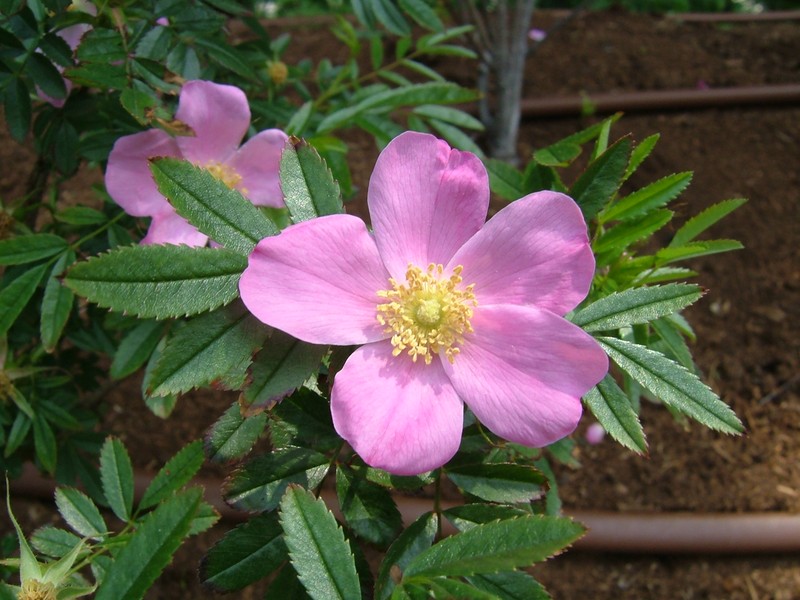
Sakurai Midori
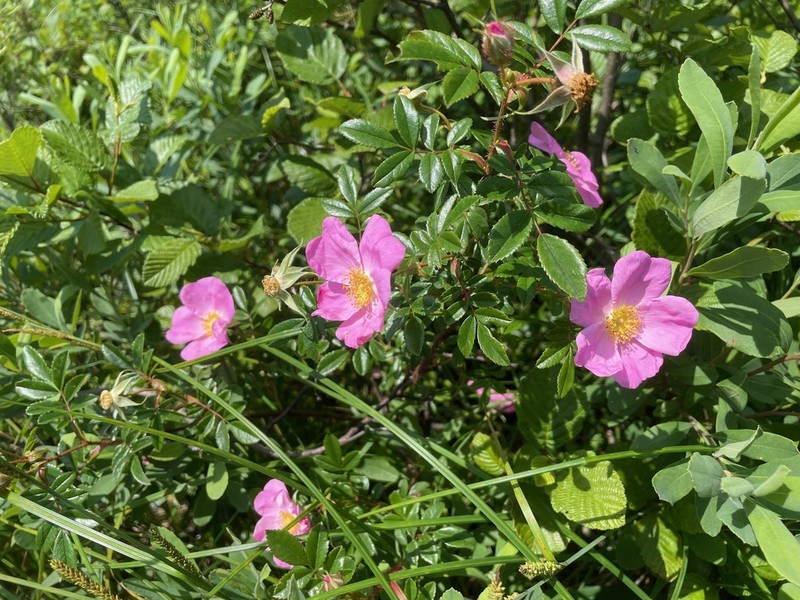
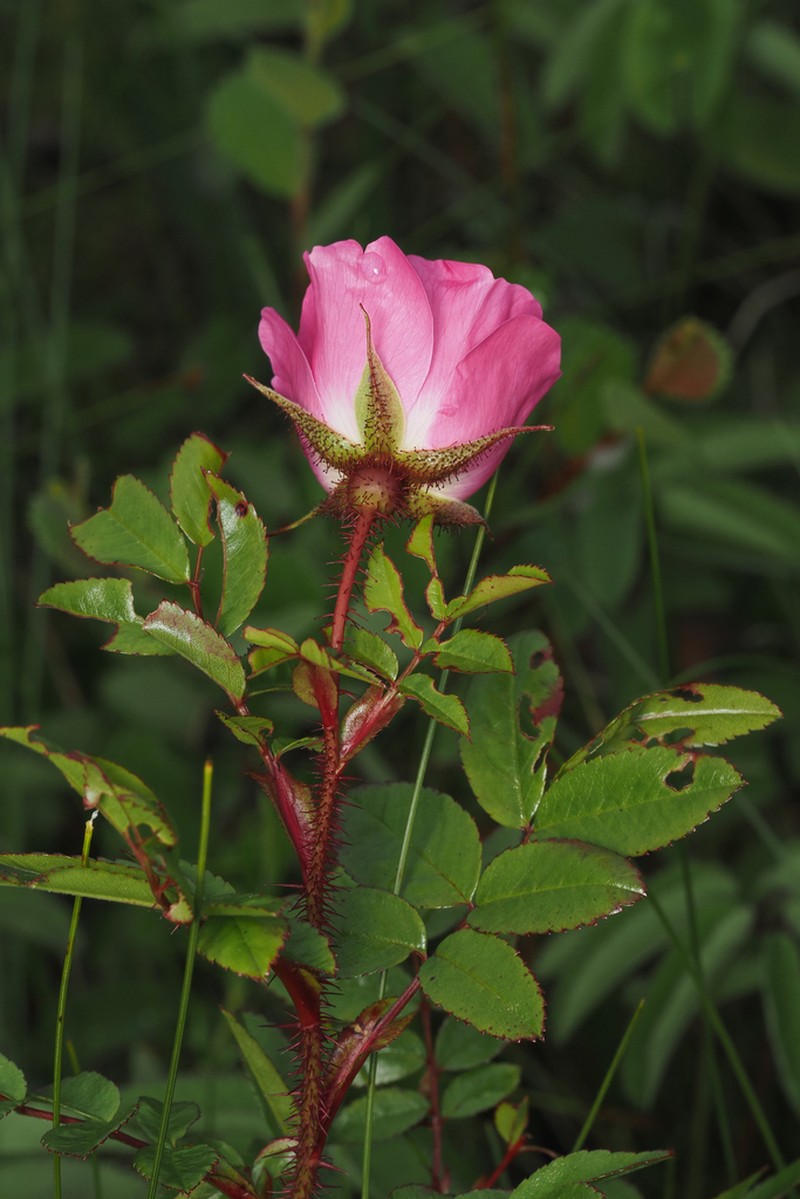
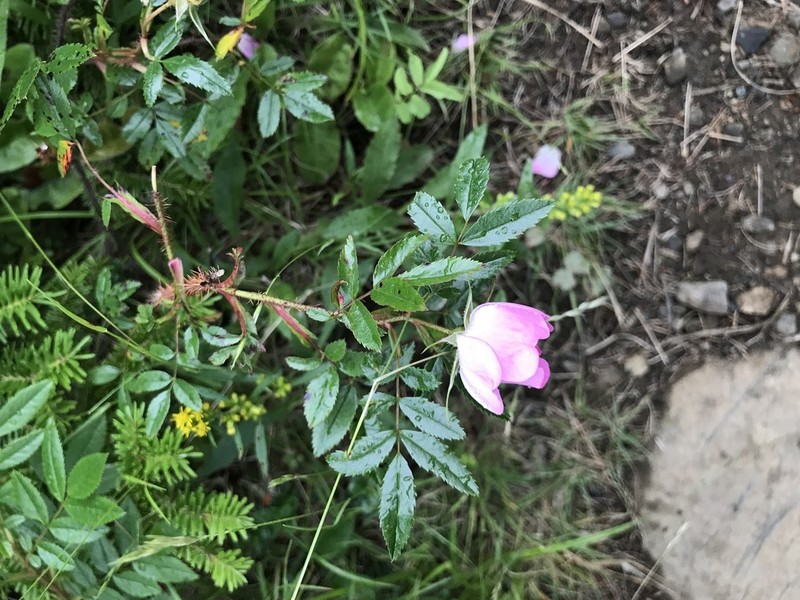
Taxonomy
- Division:
- Magnoliophyta | - Flowering plants
- Family:
- Rosaceae
- Genus:
- Rosa
- Species:
- Rosa nitida
- USDA Symbol:
- RONI
Growth Characteristics
- Life Cycle:
- Perennial
- Growth Habit:
- Subshrub
- Height:
- 150 cm
- Light Requirements:
- Full Sun
- Drought Tolerance:
- Low
- Bloom Months:
- jun,jul,aug
- Bloom Colors:
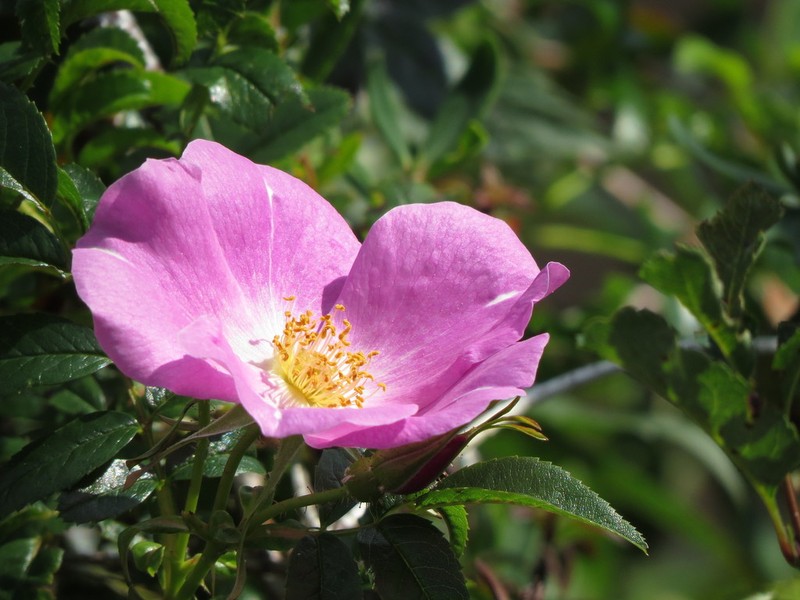
- pink
- Landscaping Shrub:
- Yes
Wildlife Benefits
- Butterflies & Moths:
- ★☆☆☆☆ Documented Lepidoptera association (GBIF)
Keystone Species Ranking
- Caterpillar Keystone:
- ★★★★★ Butterfly & moth species supported by this genus (NWF)
Garden & Ecology Notes
- Wildlife Value:
- birds, butterflies, small mammals
- Fragrant:
- Yes
- Fall Color:
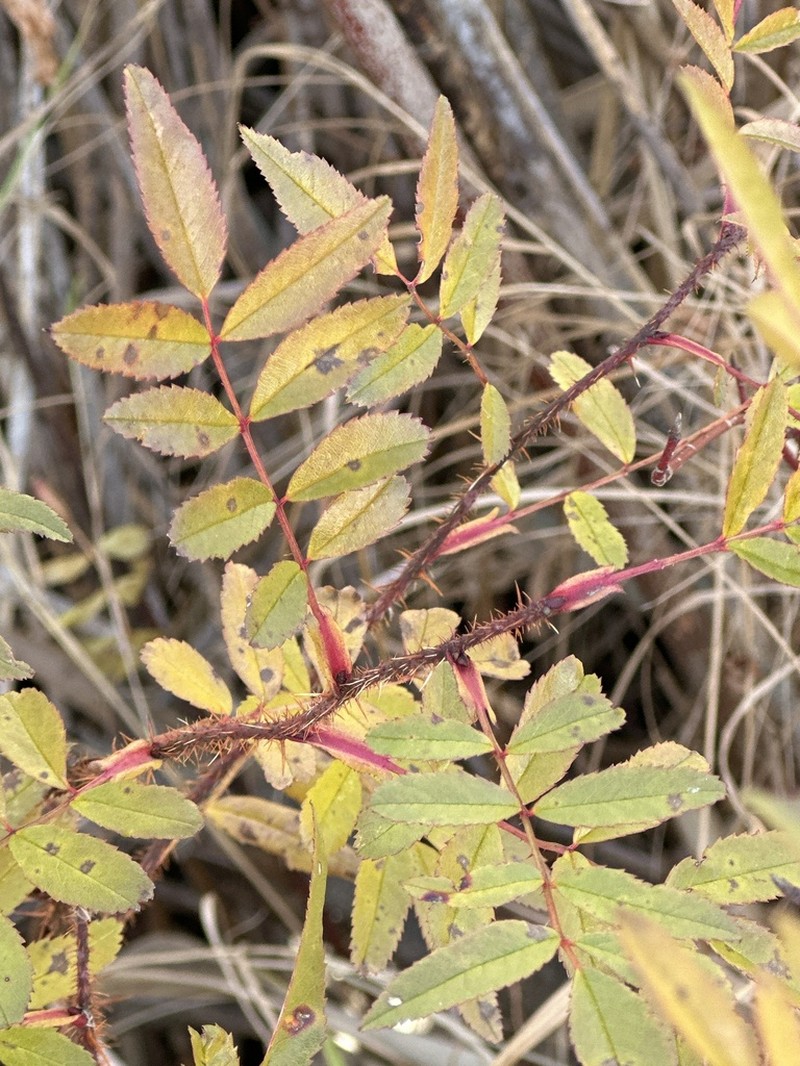
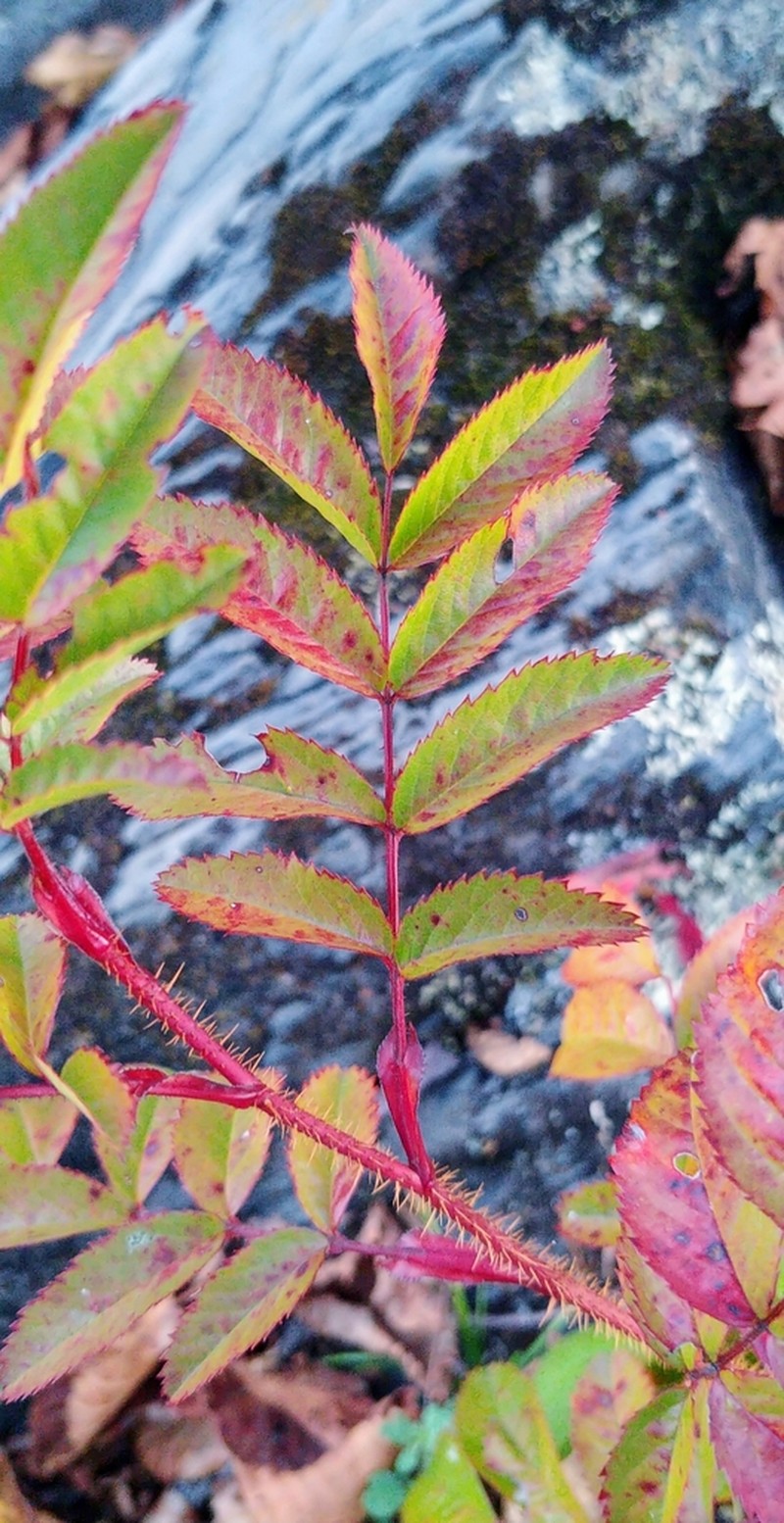
- red, orange
Soil Requirements
- Soil Type:
- moist, acidic, peaty or sandy soil
- pH:
- 4.5 - 6.5 (acidic to slightly acidic)
- Drainage:
- good drainage required
- Moisture:
- consistently moist
- Notes:
- Thrives in boggy areas and wetlands
Propagation & Germination
- Stratification:
- Cold/moist stratification required — 60–90 days
- Germination Time:
- 30–90 days
- Notes:
- Seeds require cold stratification for 60-90 days to break dormancy.
Pre-treatment: Cold-moist stratification for 30 days at 1–5°C (34–41°F).; then Cold-moist stratification for 60 days.
Source: Claude AI
ORGHPS Germination Guide: Requires scarification. Nick or rub between sheets of sandpaper. Requires soaking. Place in warm water until seeds swell, usually 24-48 hours. Discard water and any seeds that remain floating. Pulpy coat inhibits germination. Remove by soaking and rinsing in clean water for approximately 7 days. Discard water. * soak in hot water for 24 hours to scarify; plant at 32°C for 2-3 weeks, then 4°C for 4 months