
Woods' Rose
Rosa woodsii
- Native to:
- Albania, Canada, Mexico, United States
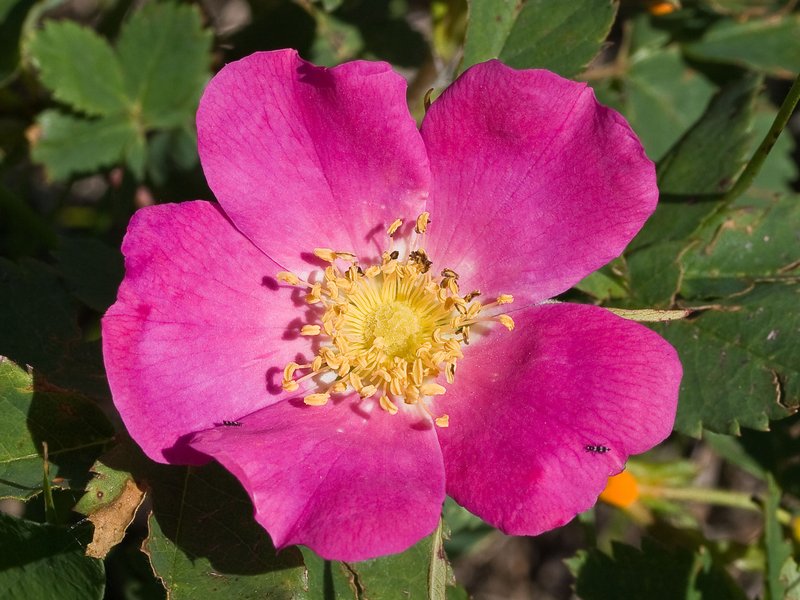
Walter Siegmund (talk)
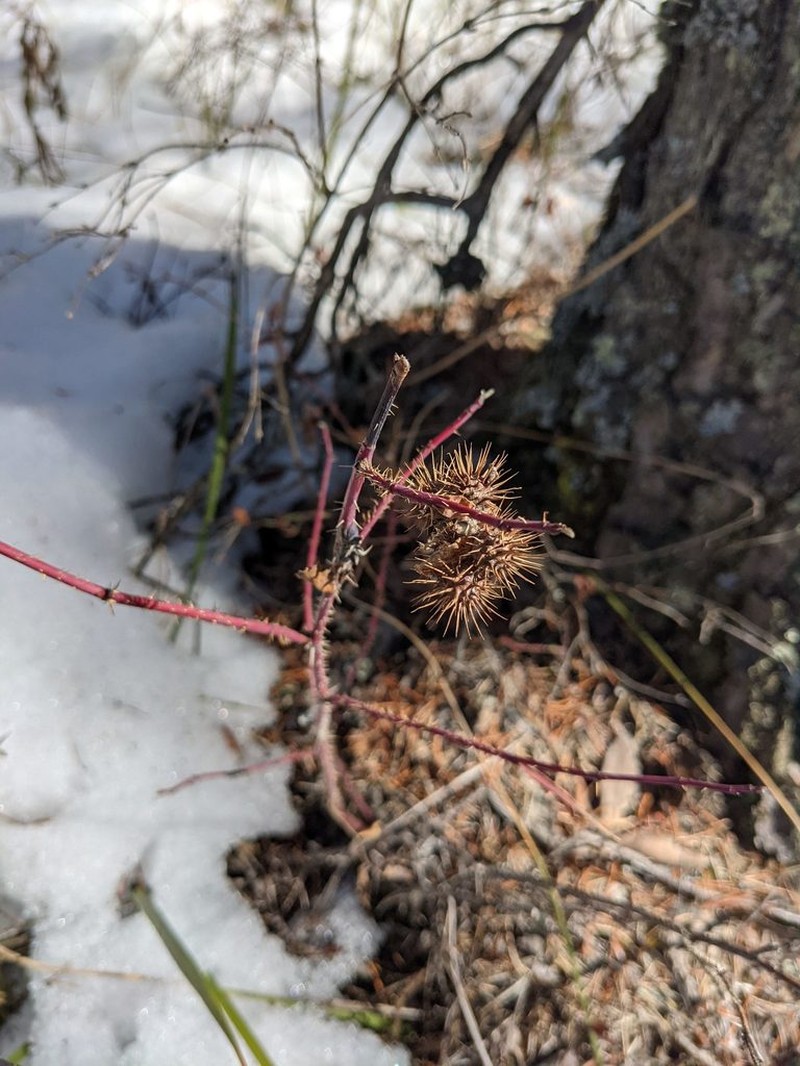
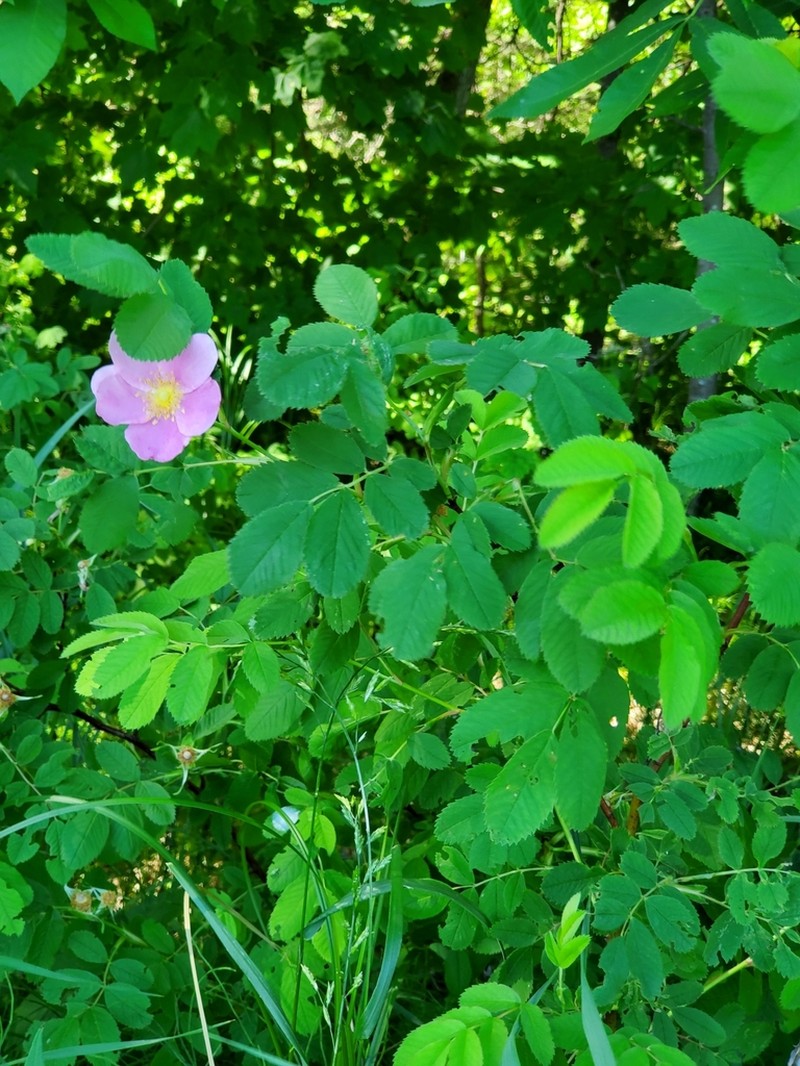
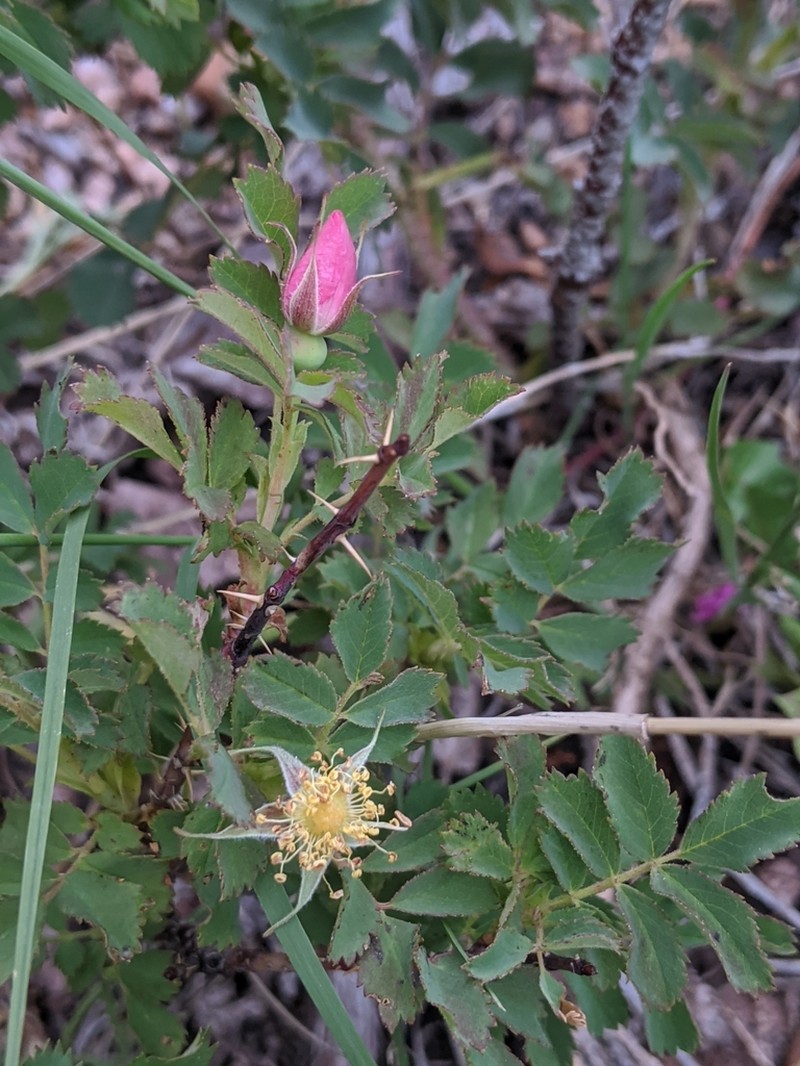
Taxonomy
- Division:
- Magnoliophyta | - Flowering plants
- Family:
- Rosaceae
- Genus:
- Rosa
- Species:
- Rosa woodsii
- USDA Symbol:
- ROWO
Growth Characteristics
- Life Cycle:
- Perennial
- Growth Habit:
- Subshrub
- Height:
- 200 cm
- Light Requirements:
- Full Sun,Part Shade,Shade
- Drought Tolerance:
- Medium
- Bloom Months:
- may,jun,jul
- Bloom Colors:
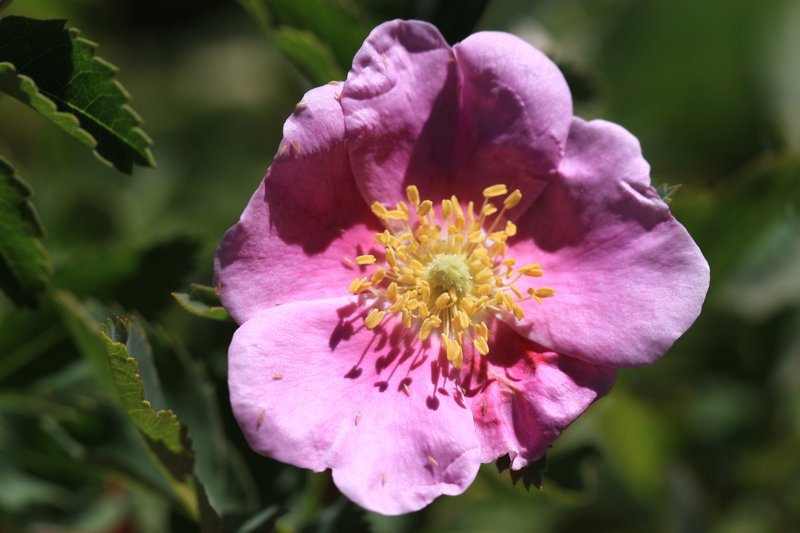
- pink
- Landscaping Shrub:
- Yes
Wildlife Benefits
- Bees:
- ★☆☆☆☆ Documented bee visitation (GBIF)
- Butterflies & Moths:
- ★☆☆☆☆ Documented Lepidoptera association (GBIF)
- Caterpillars:
- ★☆☆☆☆ Recorded caterpillar host plant (HOSTS Database)
Keystone Species Ranking
- Caterpillar Keystone:
- ★★★★★ Butterfly & moth species supported by this genus (NWF)
Host Plant for Caterpillars
Reported Fauna Sightings
Garden & Ecology Notes
- Wildlife Value:
- birds, butterflies, small mammals
- Fragrant:
- Yes
- Fall Color:
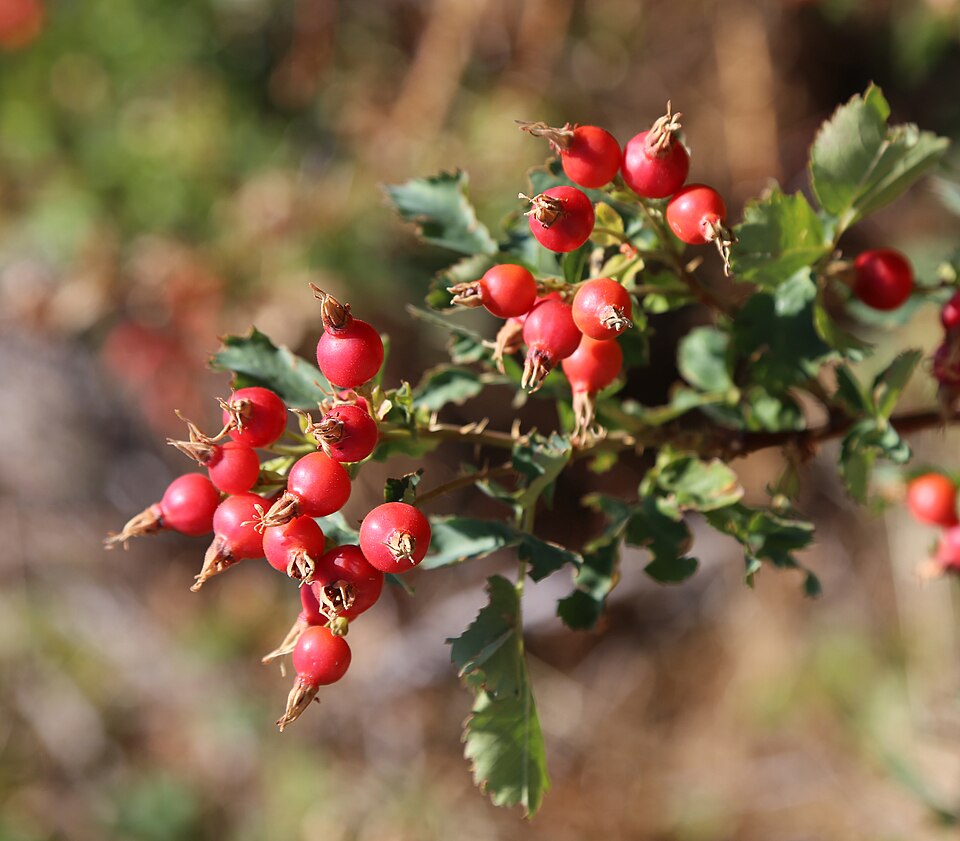
- red, orange
Soil Requirements
- Soil Type:
- well-drained, sandy or loamy soil
- pH:
- 6.0 - 7.5 (slightly acidic to neutral)
- Drainage:
- good drainage required
- Moisture:
- dry to moderate
- Notes:
- adaptable to various soil types in native range
Propagation & Germination
- Stratification:
- Cold/moist stratification required — 60–90 days
- Scarification:
- Seed coat scarification required before sowing
- Germination Time:
- 30–90 days
- Notes:
- Seeds require scarification (nicking or hot water) followed by cold stratification for 60-90 days to break dormancy.
Pre-treatment: Seeds are soaked in a 3:1 water/3% hydrogen peroxide solution for 10 minutes to 24 hours, followed by a 72 hour running water rinse. Seeds are then placed in fine mesh bags and layered in moist peat moss in ventilated containers for warm and cold stratification. Warm stratification is for 50 to 60 days at 20°C (68°F) and cold stratification is for 90 to 110 days at 1 to 3°C (33.8 to 37.4°F). Stratification medium is re-moistened as needed. If mold is evident, seeds should be treated with 1% hydrogen peroxide.
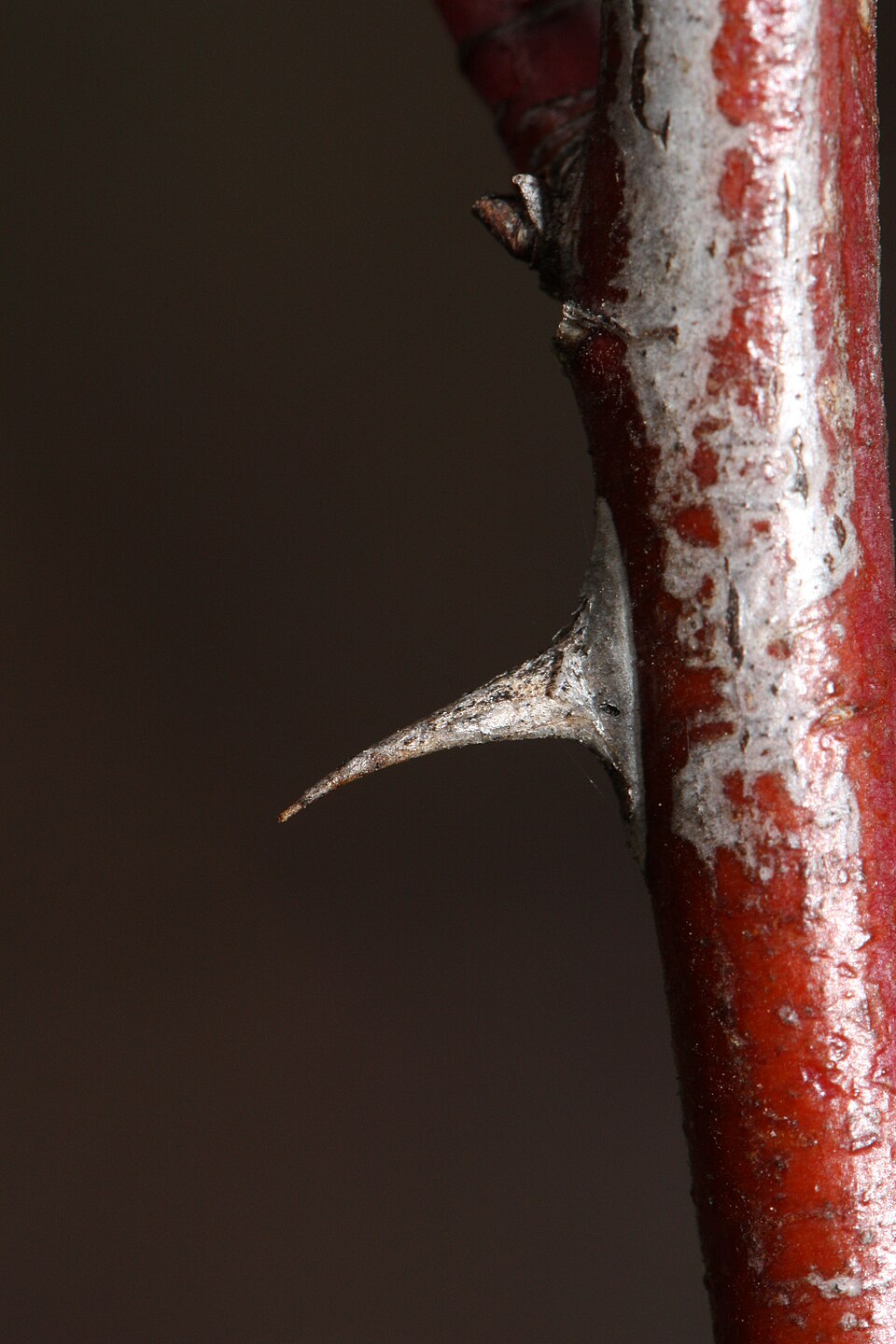
Establishment: Seeds are collected when hips turn red in September and October. Gloves and thick pants are recommended when collecting to protect from prickles. Also, take precaution to prevent mold in field transport of fruits. Some protocols suggest natural stratification by planting seeds in the fall in a thin layer of sand on mulched field beds. Conflicting information exists regarding the exact duration and temperature for stratification.
Source: npn.rngr.net
ORGHPS Germination Guide: Use repeated cycles of 20°C, then 4°C for 3 months each. Germination is very prolonged. Pulpy coat inhibits germination. Remove by soaking and rinsing in clean water for approximately 7 days. Discard water. * soak in hot water for 24 hours to scarify
Where to Buy
Nationwide Seller
- Sheffield's Seed (seeds)