
Allegheny Blackberry
Rubus allegheniensis
Also known as: West Virginia Blackberry
- Native to:
- Canada, Prince Edward I., United States, Virgin Islands
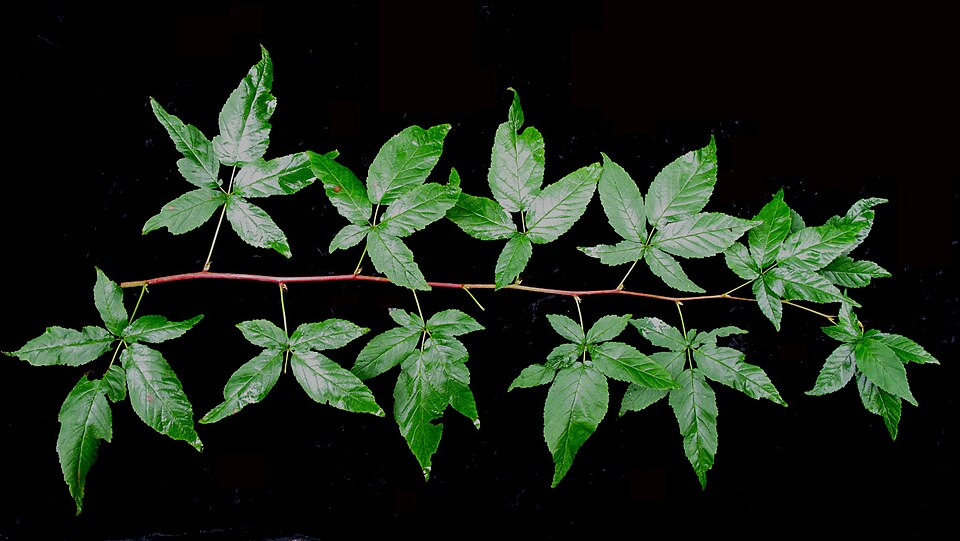
Ayotte, Gilles, 1948-
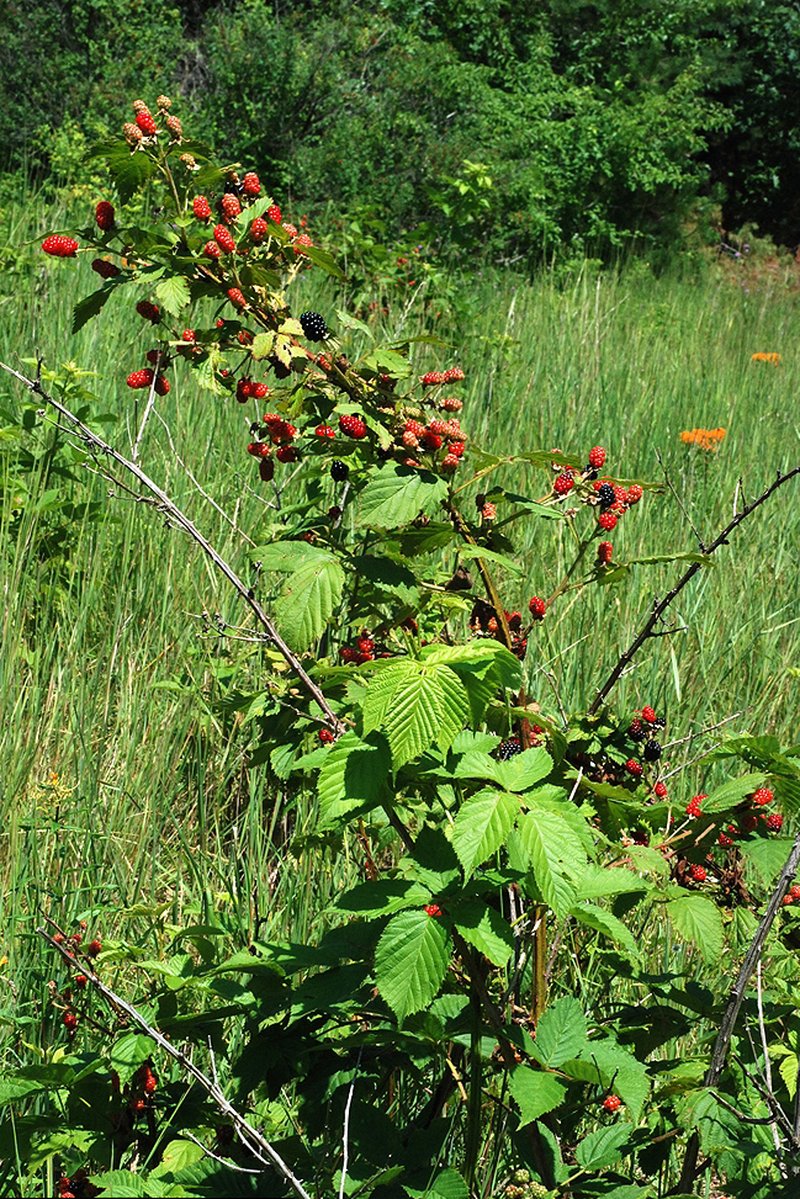
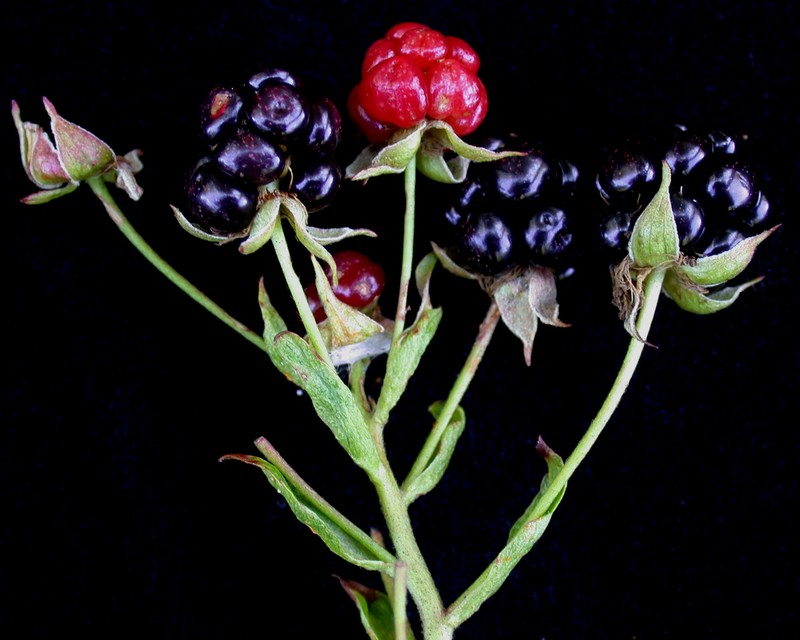
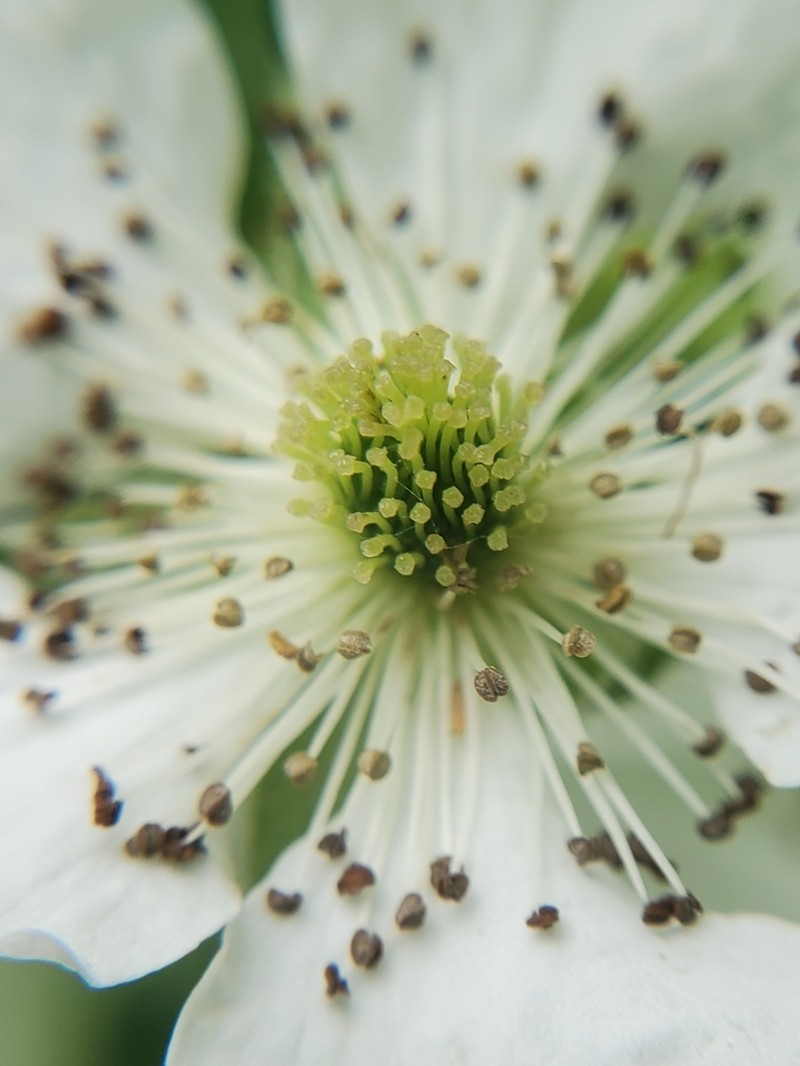
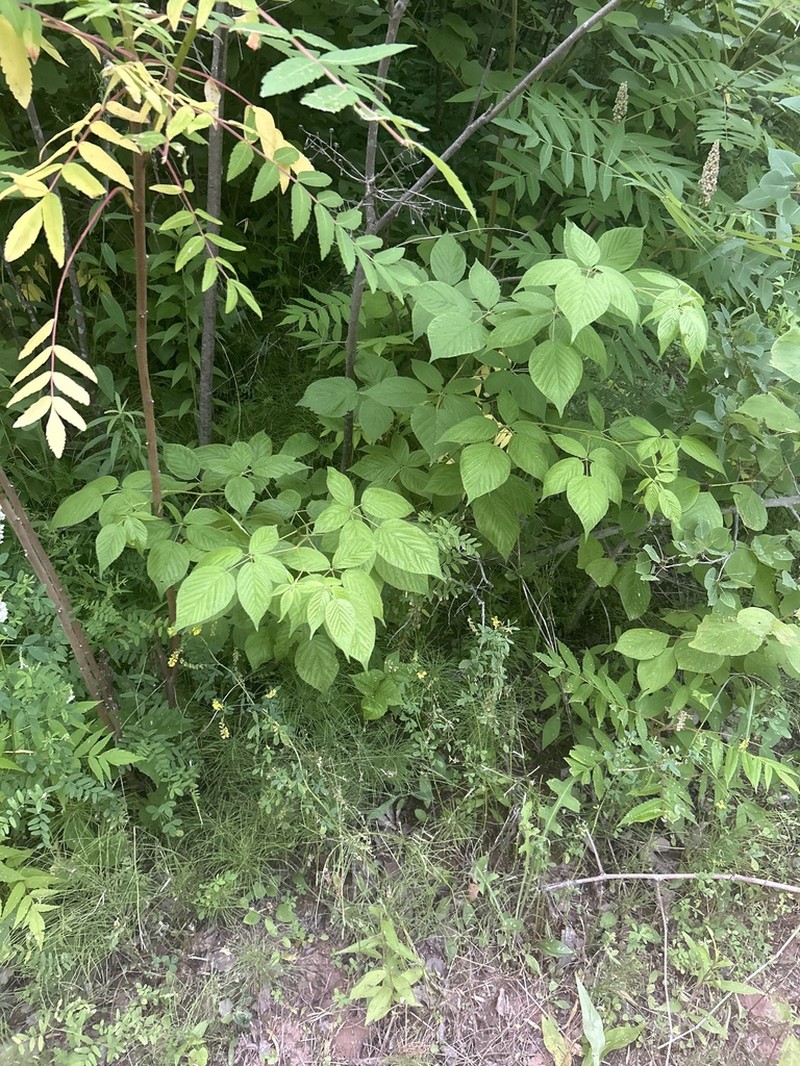
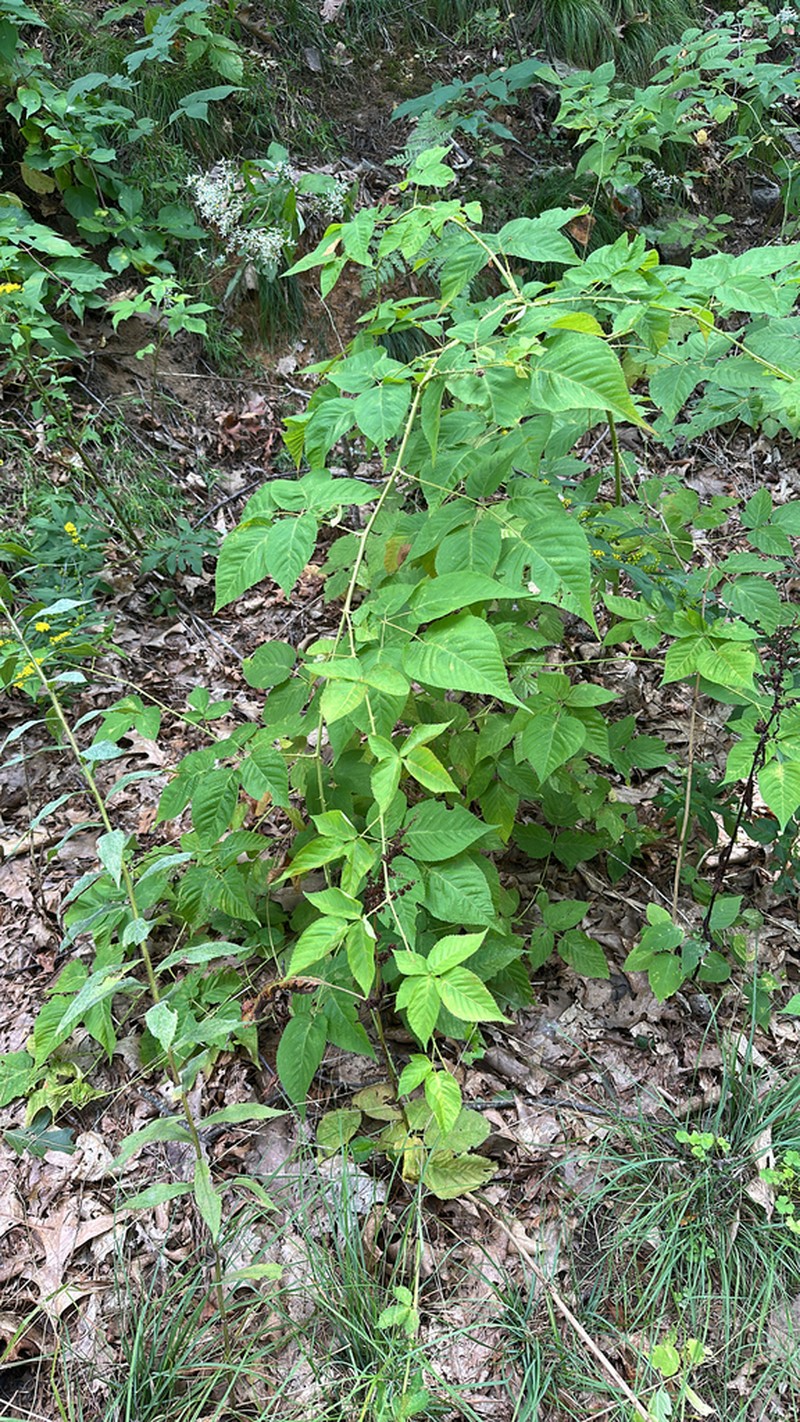
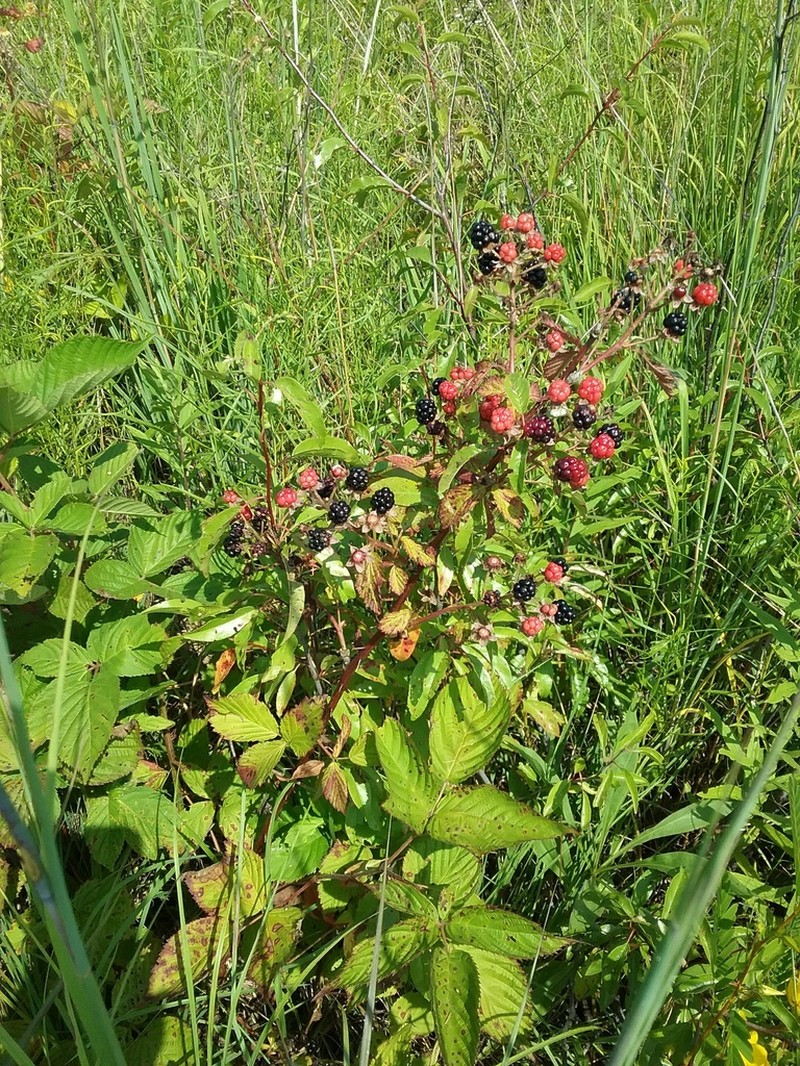
Taxonomy
- Division:
- Magnoliophyta | - Flowering plants
- Family:
- Rosaceae
- Genus:
- Rubus
- Species:
- Rubus allegheniensis
- USDA Symbol:
- RUAL
Growth Characteristics
- Life Cycle:
- Perennial
- Growth Habit:
- Subshrub
- Height:
- 300 cm
- Light Requirements:
- Full Sun,Part Shade,Shade
- Drought Tolerance:
- Medium
- Bloom Months:
- may,jun,jul
- Bloom Colors:
- white
Wildlife Benefits
- Bees:
- ★☆☆☆☆ Documented bee visitation (GBIF)
- Butterflies & Moths:
- ★★☆☆☆ Documented Lepidoptera association (GBIF)
- Caterpillars:
- ★★★★★ Recorded caterpillar host plant (HOSTS Database)
Keystone Species Ranking
- Caterpillar Keystone:
- ★★★★★ Butterfly & moth species supported by this genus (NWF)
Host Plant for Caterpillars
Acronicta brumosa, American Dagger Moth (Acronicta americana), American lappet moth (Phyllodesma americana), Army cutworm (Euxoa auxiliaris), blackberry looper (Chlorochlamys chloroleucaria), Blinded Sphinx (Paonias excaecata), Bordered Sallow (Pyrrhia umbra), Broad-lined Erastria (Erastria coloraria), Brown-lined Carpet (Xanthorhoe lacustrata), Brown-tail moth (Euproctis chrysorrhoea), Buck Moth (Hemileuca maia), Burdock Borer (Papaipema cataphracta), California Snout Moth (Hypena californica), Cecropia moth (Hyalophora cecropia), Chain-lined geometer moth (Cingilia catenaria), clover cutworm (Agrotis gladiaria), Cnidocampa flavescens, Colona Haploa (Haploa colona), common gray (Anavitrinella pampinaria), Copper Underwing (Amphipyra pyramidoides), Dark marbled carpet (Dysstroma citrata), dark scallop moth (Cepphis decoloraria), Dark-spotted Palthis (Palthis angulalis), Elegant Sheep Moth (Hemileuca eglanterina), Euxoa scandens, Eversmann's rustic (Actebia fennica), Fall webworm (Hyphantria cunea), Green Arches (Anaplectoides prasina), Green Cloverworm Moth (Hypena scabra), Gypsy moth (Lymantria dispar), Horned Spanworm (Nematocampa resistaria), Hydria undulata, impressed dagger moth (Acronicta impressa), Io moth (Automeris io), Isabella tiger moth (Pyrrharctia isabella), Leconte's haploa (Haploa lecontei), Lettered habrosyne (Habrosyne scripta), Limbata angle moth (Nematocampa limbata), long-winged dagger moth (Acronicta longa), Morning-glory prominent moth (Schizura ipomoeae), nondescript dagger moth (Acronicta spinigera), Orange-tipped oakworm moth (Anisota senatoria), private sallow moth (Sutyna privata), Red-banded leafroller (Argyrotaenia velutinana), Red-humped caterpillar moth (Schizura concinna), Rusty Tussock Moth (Orgyia antiqua), Saddled Prominent (Heterocampa guttivitta), Sidus sallow (Eupsilia sidus), Smeared Dagger Moth (Acronicta oblinita), spiny looper moth (Phigalia titea), Spotted Apatelodes (Apatelodes torrefacta), stalk borer moth (Papaipema nebris), Strawberry Leafroller (Ancylis comptana), Striped Garden Caterpillar Moth (Trichordestra legitima), Tischeria aenea, Unicorn caterpillar moth (Schizura unicornis), Variegated cutworm (Peridroma saucia), Virginia Tiger Moth (Spilosoma virginica), Wavy-lined Emerald (Synchlora aerata), Western tent caterpillar (Malacosoma californica), Western tussock moth (Orgyia vetusta), Western yellowstriped armyworm (Spodoptera praefica), Yellow-striped armyworm (Spodoptera ornithogalli), Yellownecked caterpillar (Datana ministra)
Reported Fauna Sightings
Bees: Eastern Carpenter Bee (Xylocopa virginica), ⚠️Western honey bee (Apis mellifera) Butterflies:⚠️Monarch butterfly (Danaus plexippus), Silver-spotted Skipper (Epargyreus clarus), Small White (Pieris rapae), Wild Indigo Duskywing (Erynnis baptisiae), Zabulon Skipper (Lon zabulon)
Garden & Ecology Notes
- Wildlife Value:
- birds, mammals
- Fall Color:
- red, purple
Soil Requirements
- Soil Type:
- rich, well-drained loamy soil
- pH:
- 5.5 - 7.0 (slightly acidic to neutral)
- Drainage:
- excellent drainage required
- Moisture:
- consistently moist
- Notes:
- Prefers fertile soils with organic matter
Propagation & Germination
- Stratification:
- Cold/moist stratification required — 60–90 days
- Germination Time:
- 14–30 days
- Notes:
- Seeds benefit from cold stratification for 60-90 days to break dormancy.
Pre-treatment: Cold-moist stratification for 30 days at 1–5°C (34–41°F).
Source: Claude AI
ORGHPS Germination Guide: Sow @ 20°C for 3 months, then place @ 4°C for 3 months. * soak in hot water for 24 hours to scarify, stratify at 4°C.
Where to Buy
Nationwide Seller
- Native Plants Nursery (nursery)