
Long's Blackberry
Rubus cuneifolius
- Native to:
- United States, Virgin Islands
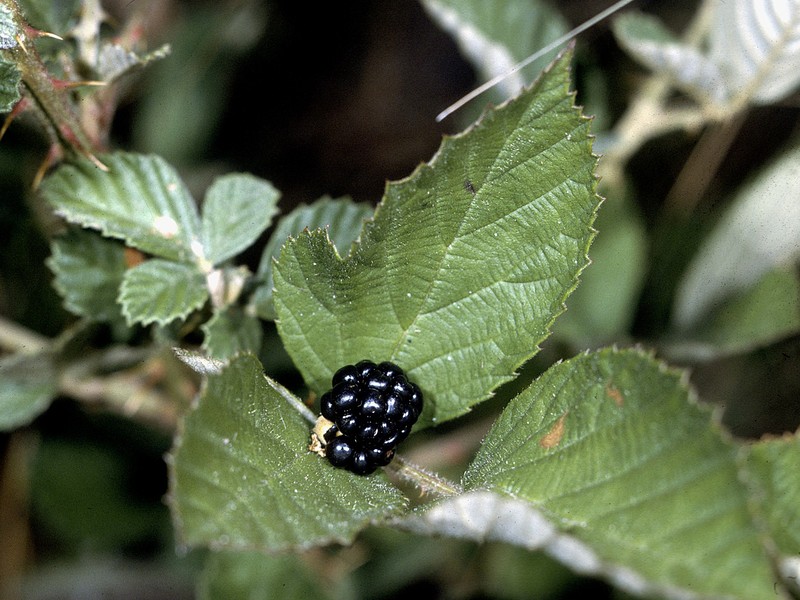
Robert H. Mohlenbrock. USDA NRCS. 1995. Northeast wetland flora: Field office guide to plant species. Northeast National Technical Center, Chester. Courtesy of USDA NRCS Wetland Science Institute.
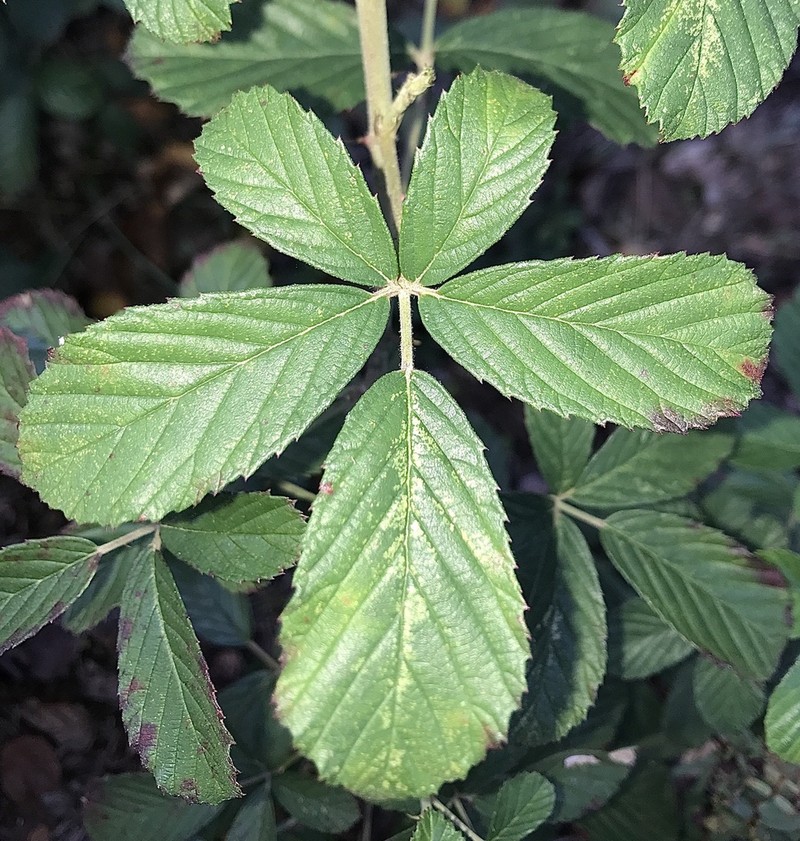
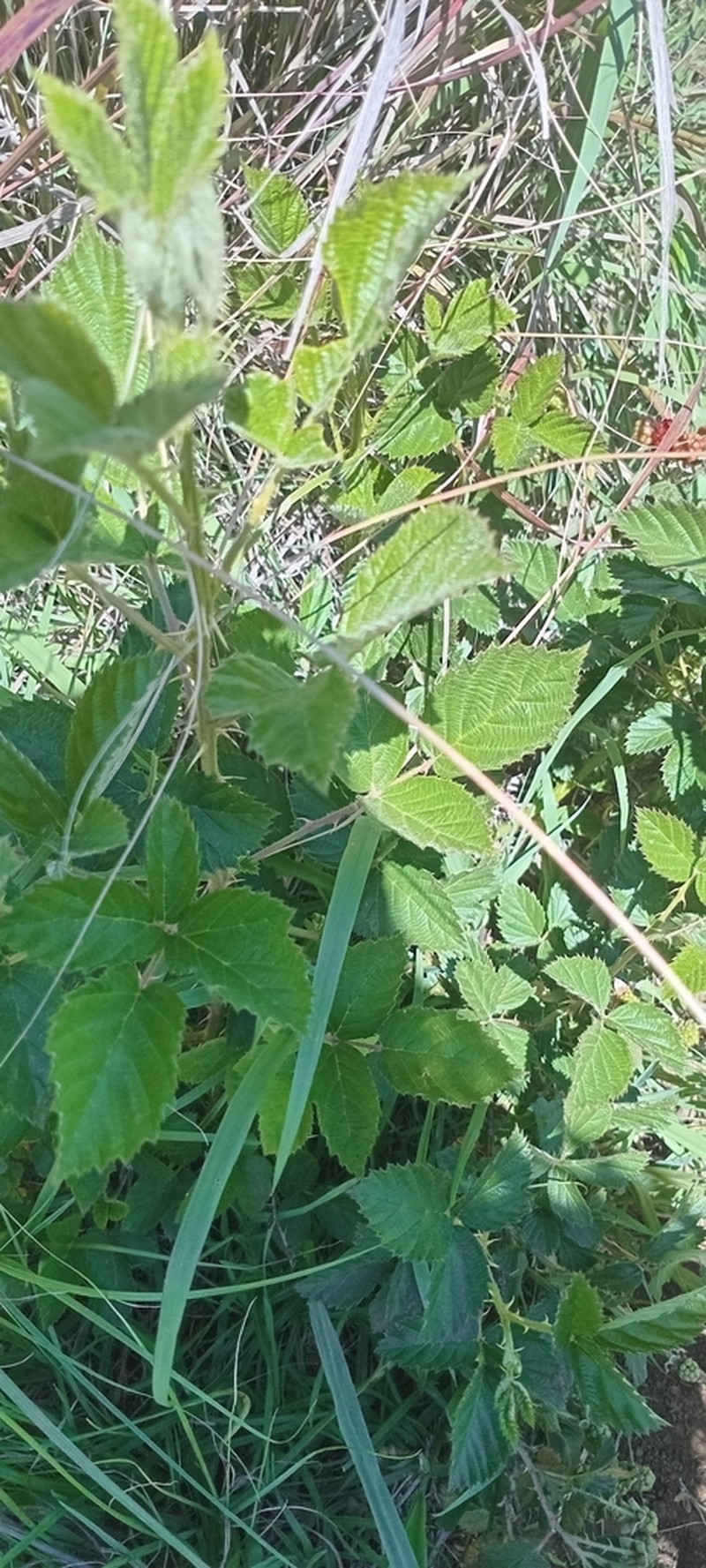
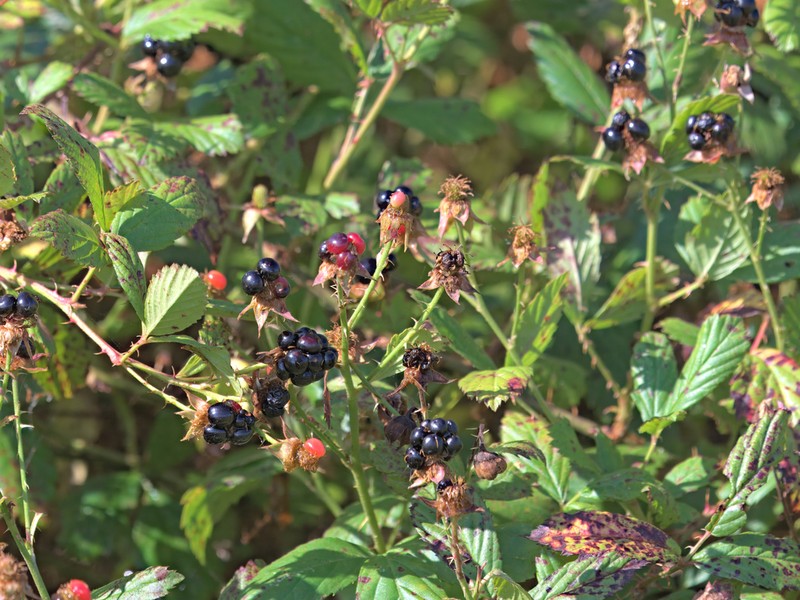
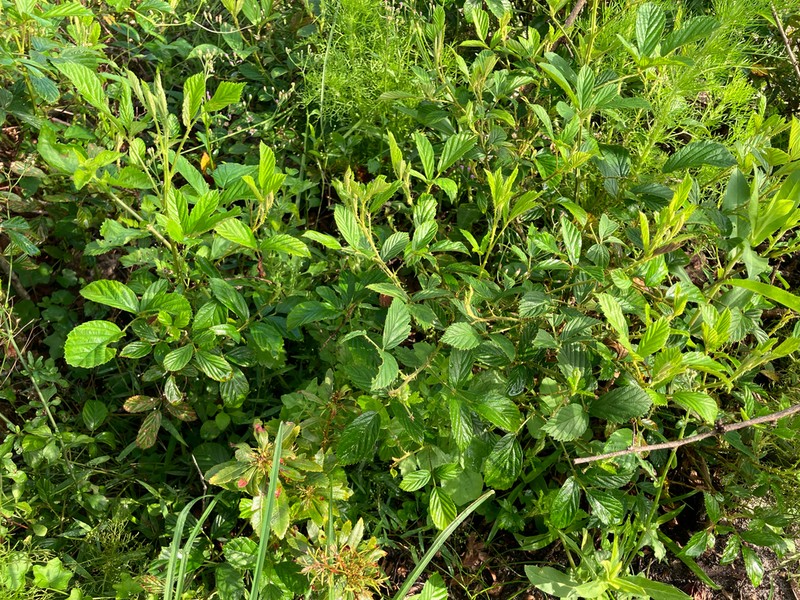
Taxonomy
- Division:
- Magnoliophyta | - Flowering plants
- Family:
- Rosaceae
- Genus:
- Rubus
- Species:
- Rubus cuneifolius
- USDA Symbol:
- RULO4
Growth Characteristics
- Life Cycle:
- Perennial
- Growth Habit:
- Subshrub
- Height:
- 150 cm
- Light Requirements:
- Part Shade
- Drought Tolerance:
- High
- Bloom Months:
- apr,may,jun
- Bloom Colors:
- white, pink
Wildlife Benefits
- Bees:
- ★☆☆☆☆ Documented bee visitation (GBIF)
- Butterflies & Moths:
- ★☆☆☆☆ Documented Lepidoptera association (GBIF)
Keystone Species Ranking
- Caterpillar Keystone:
- ★★★★★ Butterfly & moth species supported by this genus (NWF)
Host Plant for Caterpillars
yellow-banded day sphinx (Proserpinus flavofasciatus)
Garden & Ecology Notes
- Wildlife Value:
- birds, small mammals, butterflies, bees
- Salt Tolerant:
- Yes
- Fire Ecology:
- Fire adapted — tolerates or benefits from fire
- Fire Notes:
- Resprouts vigorously from root crown following fire; commonly increases in abundance post-burn in sandhills and pine savannas.
Propagation & Germination
- Stratification:
- Cold/moist stratification required — 90–120 days
- Scarification:
- Seed coat scarification required before sowing
- Germination Time:
- 30–90 days
- Notes:
- Seeds have hard seed coat and embryo dormancy; scarification followed by cold stratification improves germination.
Where to Buy
Nationwide Seller
- Sheffield's Seed (seeds)