
Shrubby Blackberry
Rubus fruticosus
- Native to:
- Austria, Baltic States, Belarus, Belgium, Czechia-Slovakia, Denmark, France, Germany, Great Britain, Hungary, Ireland, Italy, Netherlands, Norway, NW. Balkan Pen., Poland, Romania, Sweden, Switzerland, Ukraine
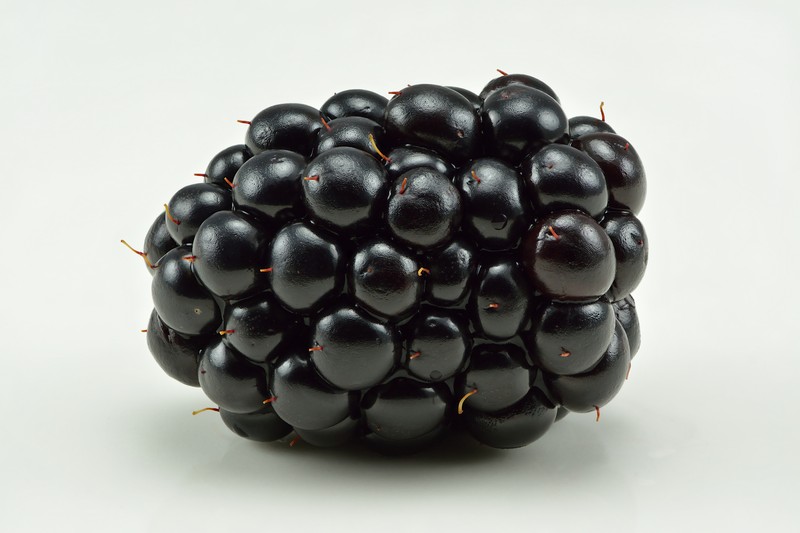
Wikimedia: Ivar Leidus
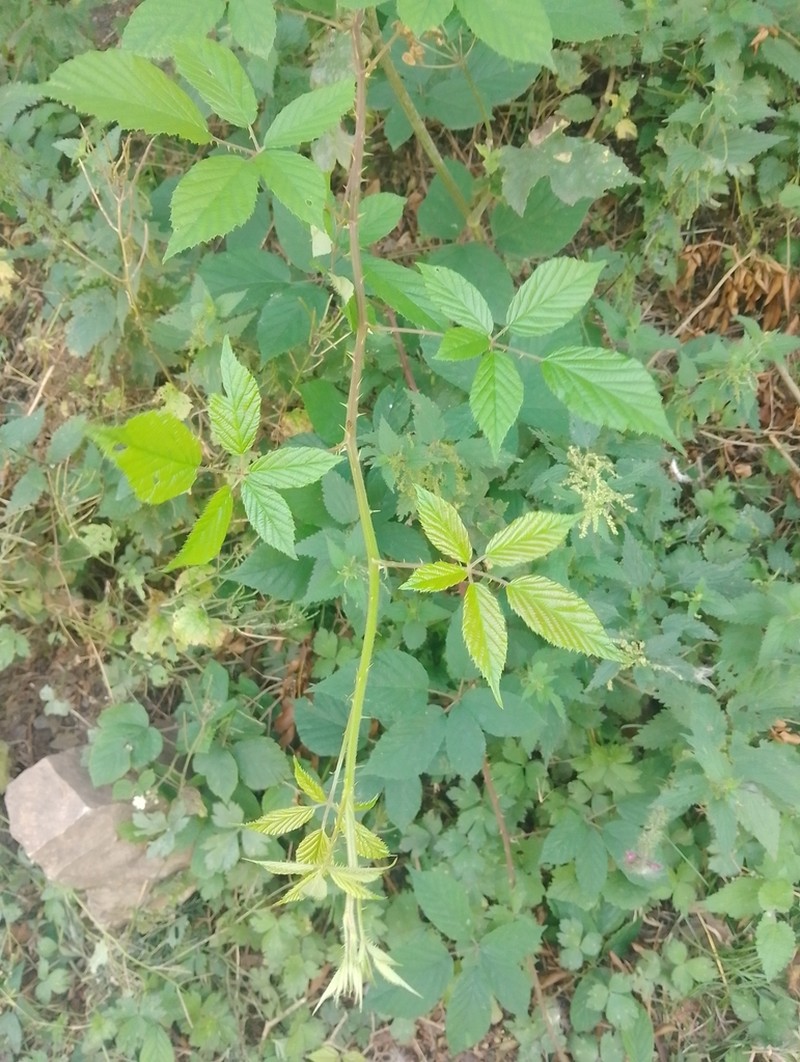
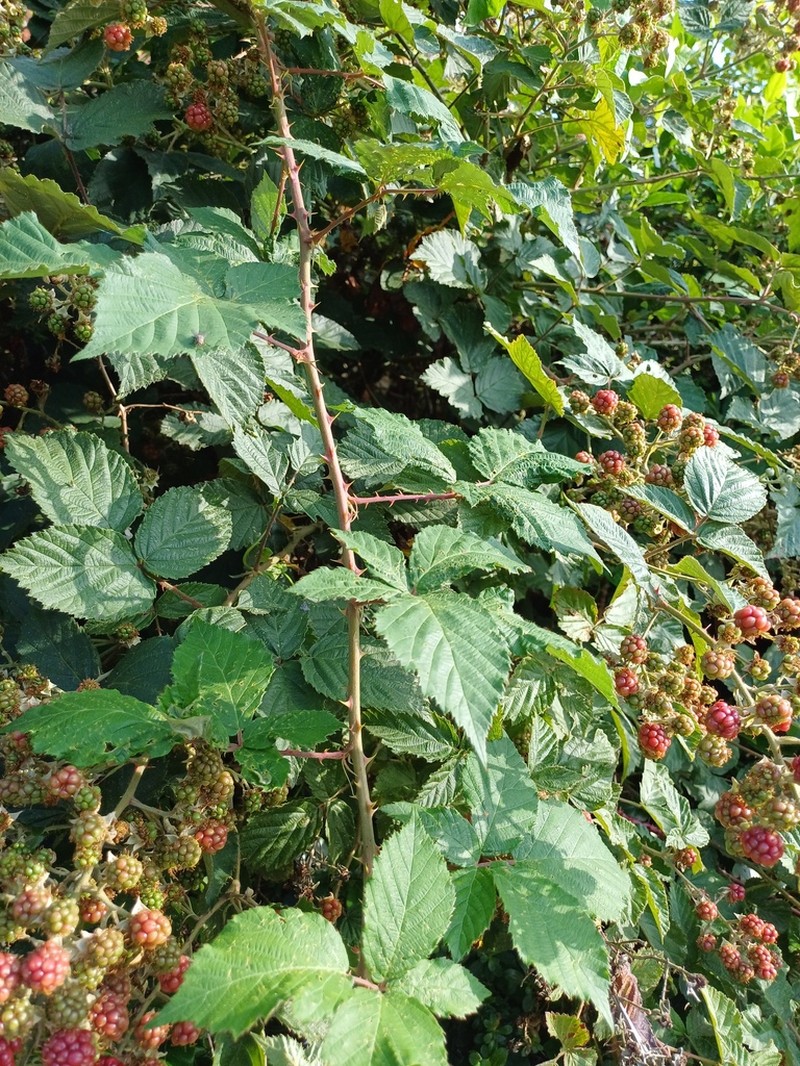
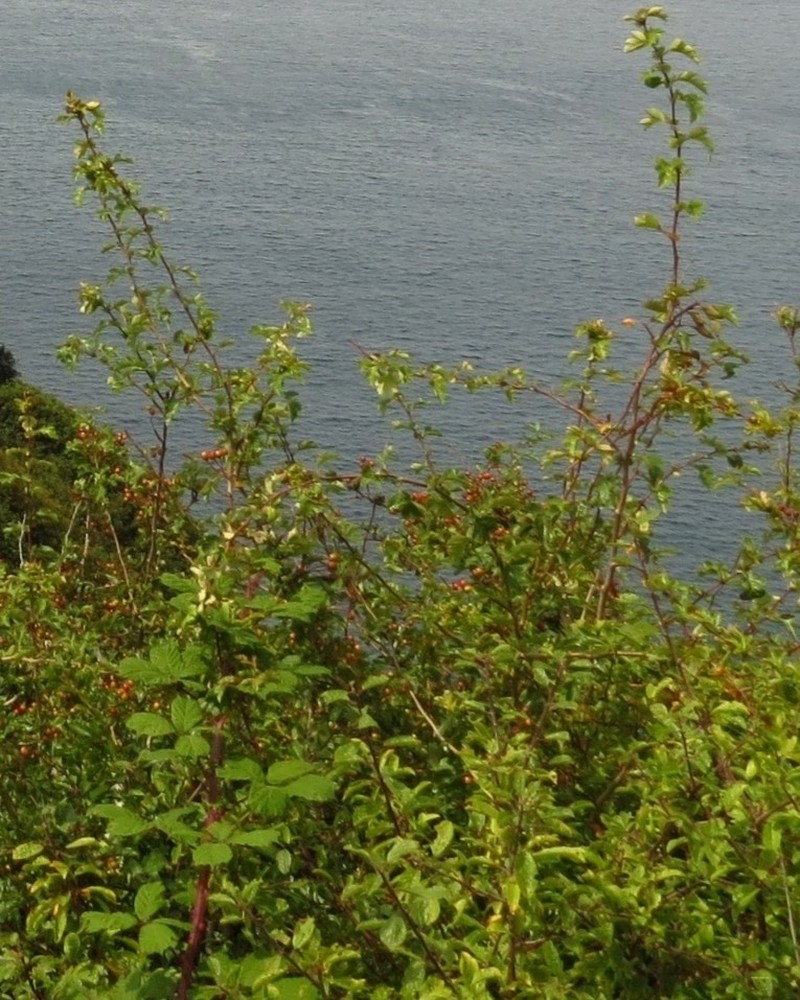
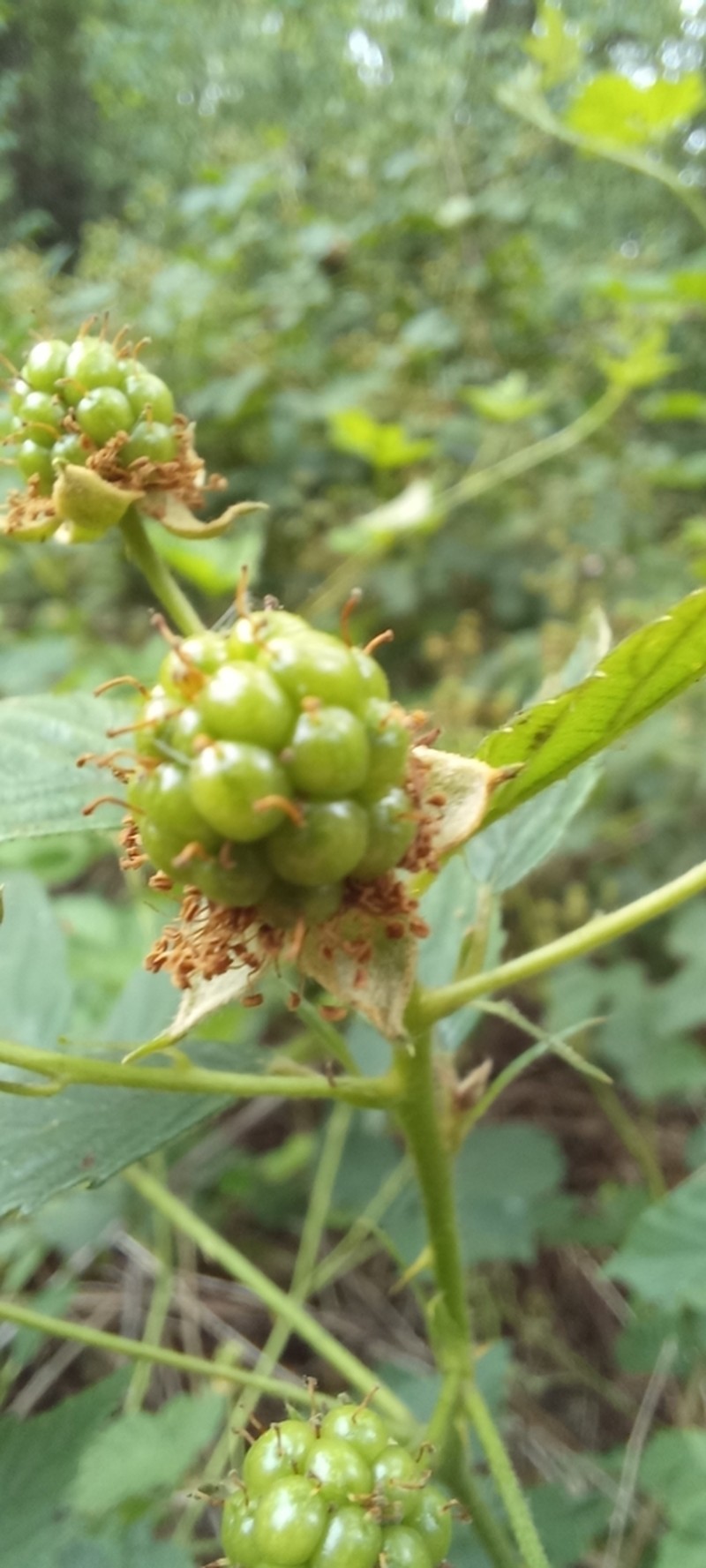
Taxonomy
- Division:
- Magnoliophyta | - Flowering plants
- Family:
- Rosaceae
- Genus:
- Rubus
- Species:
- Rubus fruticosus
- USDA Symbol:
- RUFR80
Growth Characteristics
- Growth Habit:
- Shrub , Vine
- Height:
- 250 cm
- Light Requirements:
- Full Sun
- Drought Tolerance:
- Medium
- Bloom Months:
- may,jun,jul,aug
- Bloom Colors:
- white, pink
- Food Forest:
- Contains edible parts
Keystone Species Ranking
- Caterpillar Keystone:
- ★★★★★ Butterfly & moth species supported by this genus (NWF)
Host Plant for Caterpillars
Ancylis apicana, Archips purpurana, blackberry skeletonizer (Schreckensteinia festaliella), bold-feathered grass moth (Herpetogramma pertextalis), broken-banded leafroller (Choristoneura fractivittana), Coleophora cretaticostella, Green Cloverworm Moth (Hypena scabra), green cloverworm moth (Platynota idaeusalis), Lace-winged zale (Zale minerea), Lacinipolia patalis, Lettered habrosyne (Habrosyne scripta), Menesta tortriciformella, oak sparganothis moth (Sparganothis directana), Olethreutes concinnana, Olethreutes furfuranum, orange tortrix moth (Argyrotaenia citrana), Saddleback Caterpillar Moth (Acharia stimulea), spiny looper moth (Phigalia titea), Tischeria aenea, Virginia creeper clearwing (Pennisetia marginata)
Garden & Ecology Notes
- Wildlife Value:
- birds, mammals, butterflies
- Fall Color:
- red, purple
Soil Requirements
- Soil Type:
- rich, well-drained loamy soil
- pH:
- 5.5 - 7.0 (slightly acidic to neutral)
- Drainage:
- excellent drainage required
- Moisture:
- consistently moist
- Notes:
- Thrives in nutrient-rich environments
Propagation & Germination
- Stratification:
- Cold/moist stratification required — 90–120 days
- Germination Time:
- 30–90 days
- Notes:
- Seeds require cold stratification for 3-4 months; germination may be slow and erratic.