
Groundberry
Rubus hispidus
- Native to:
- Canada, Prince Edward I., United States
Wikimedia:
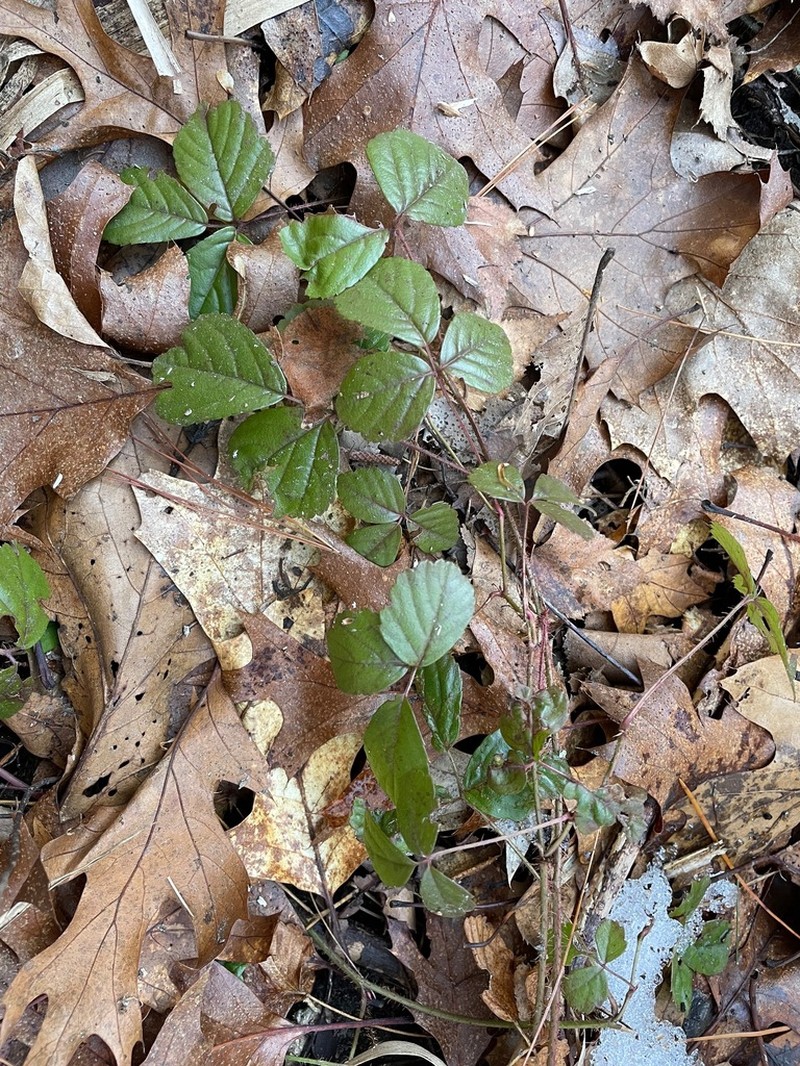
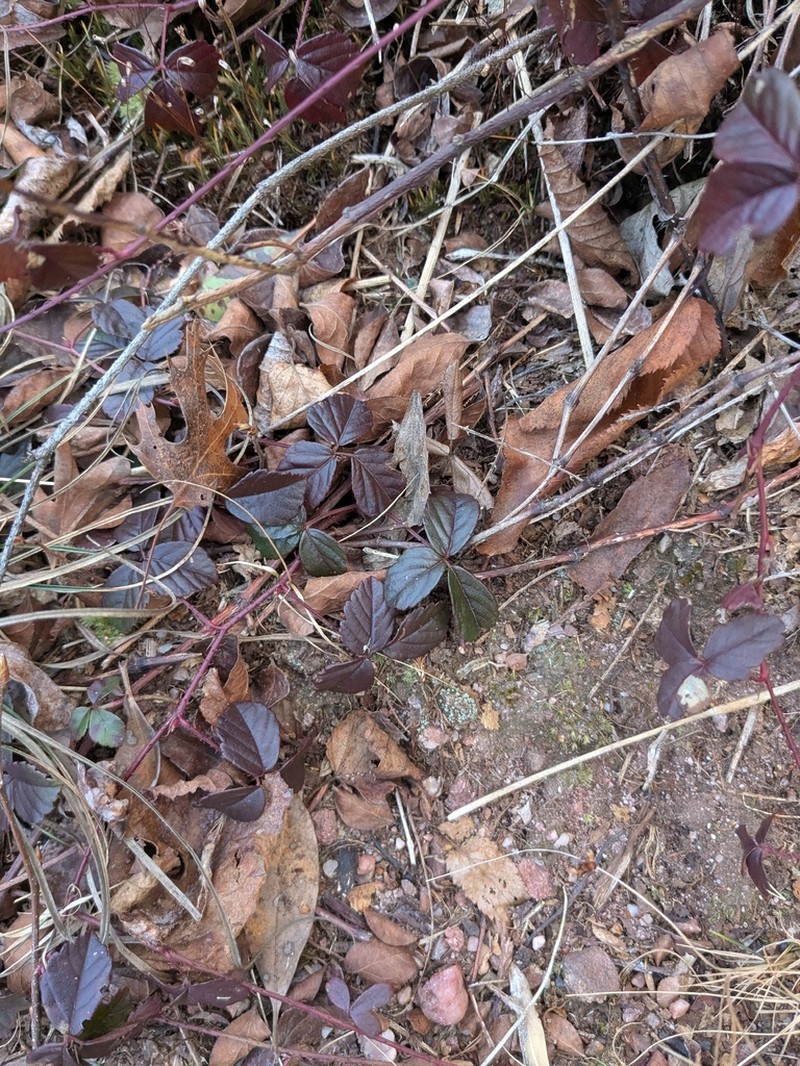
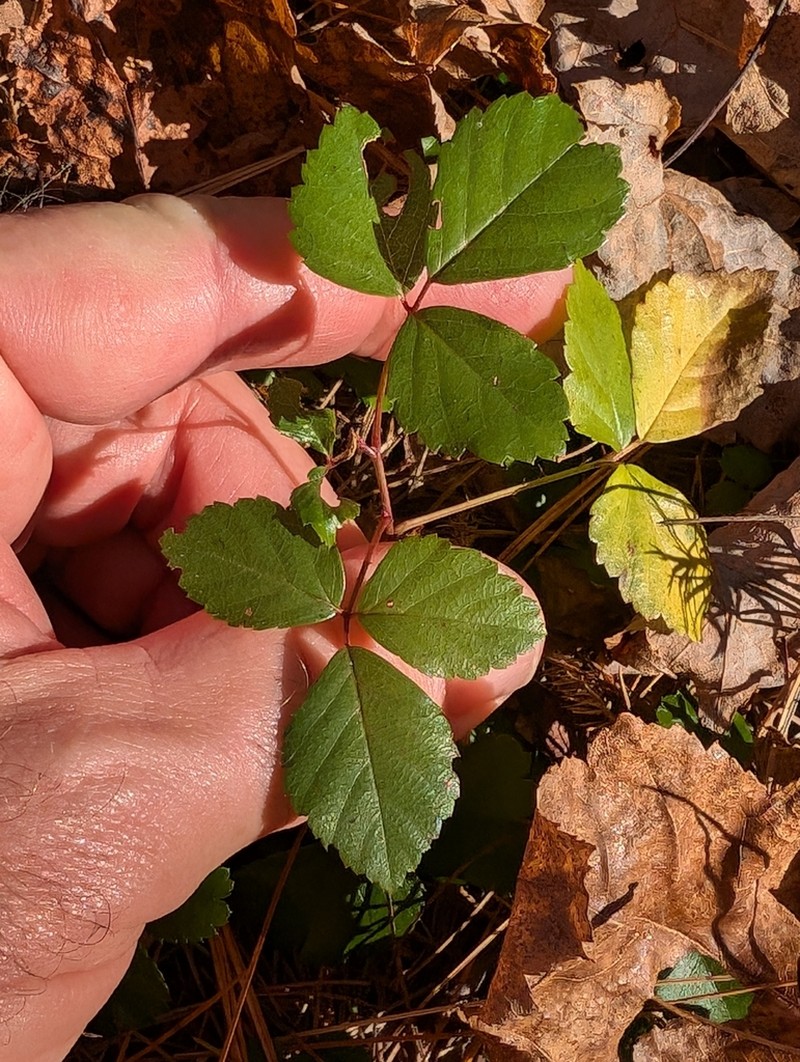
Taxonomy
- Division:
- Magnoliophyta | - Flowering plants
- Family:
- Rosaceae
- Genus:
- Rubus
- Species:
- Rubus hispidus
- USDA Symbol:
- RUPR9
Growth Characteristics
- Life Cycle:
- Perennial
- Growth Habit:
- Subshrub
- Height:
- 60 cm
- Light Requirements:
- Full Sun,Part Shade,Shade
- Drought Tolerance:
- Low
- Bloom Months:
- jun,jul,aug
- Bloom Colors:
- white, pink
- Ground Cover:
- Yes
Wildlife Benefits
- Bees:
- ★☆☆☆☆ Documented bee visitation (GBIF)
- Butterflies & Moths:
- ★★☆☆☆ Documented Lepidoptera association (GBIF)
Keystone Species Ranking
- Caterpillar Keystone:
- ★★★★★ Butterfly & moth species supported by this genus (NWF)
Host Plant for Caterpillars
Orthotaenia undulana, purplish leafroller moth (Olethreutes permundana)
Reported Fauna Sightings
Moths:Ectoedemia rubifoliella
Garden & Ecology Notes
- Wildlife Value:
- birds, small mammals, bees
- Fall Color:
- red, bronze
- Fire Ecology:
- Fire adapted — tolerates or benefits from fire
- Fire Notes:
- Resprouts from rhizomes after fire. Can increase in cover following disturbance.
Propagation & Germination
- Stratification:
- Warm then cold/moist stratification (double dormancy) — 90–120 days
- Scarification:
- Seed coat scarification required before sowing
- Germination Time:
- 30–90 days
- Notes:
- Double dormancy requiring warm stratification followed by cold stratification. Scarification improves germination rates.
Pre-treatment: Cold-moist stratification for 30 days at 1–5°C (34–41°F).
Source: Claude AI