
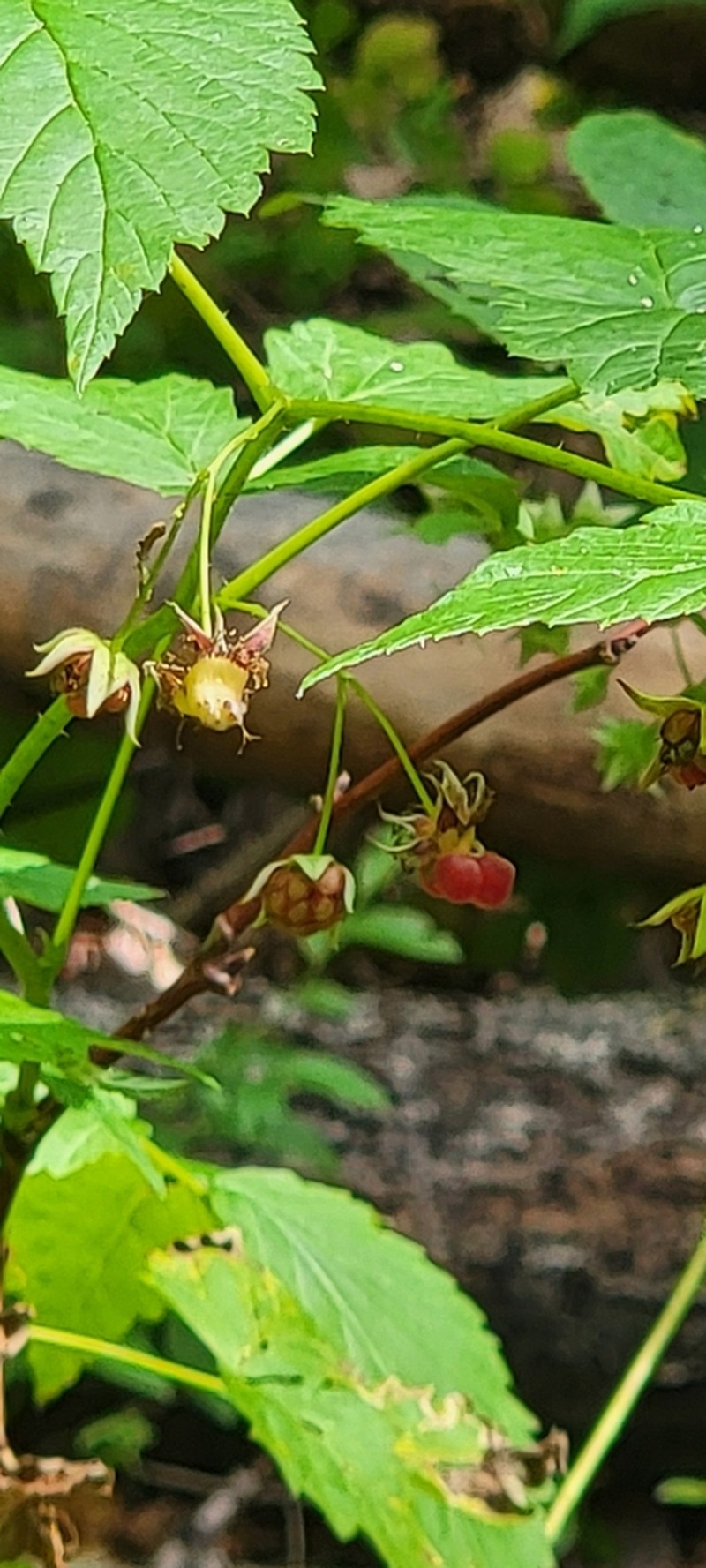
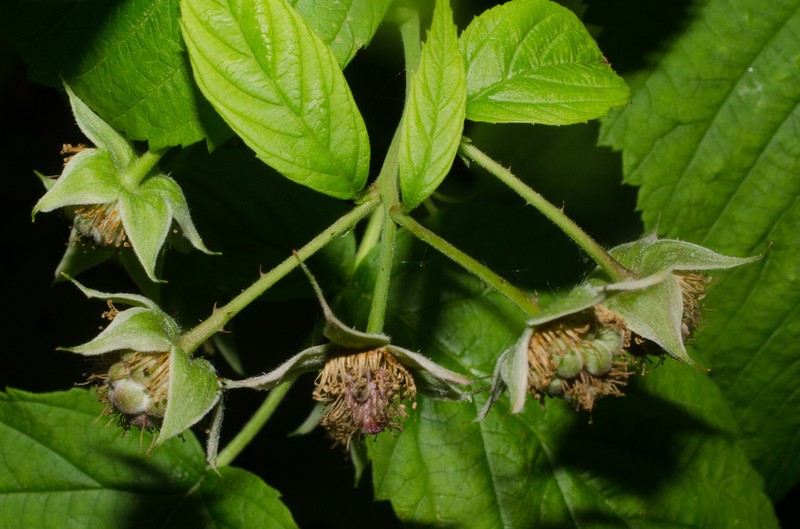
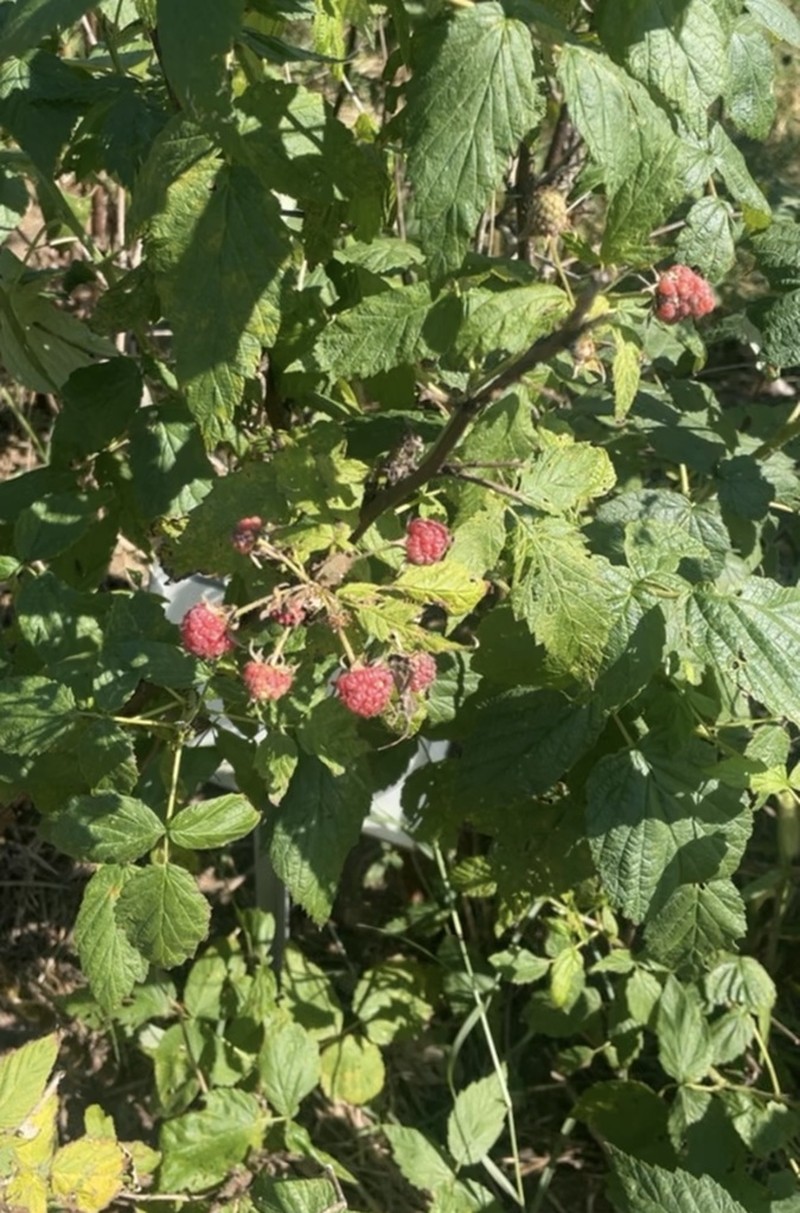
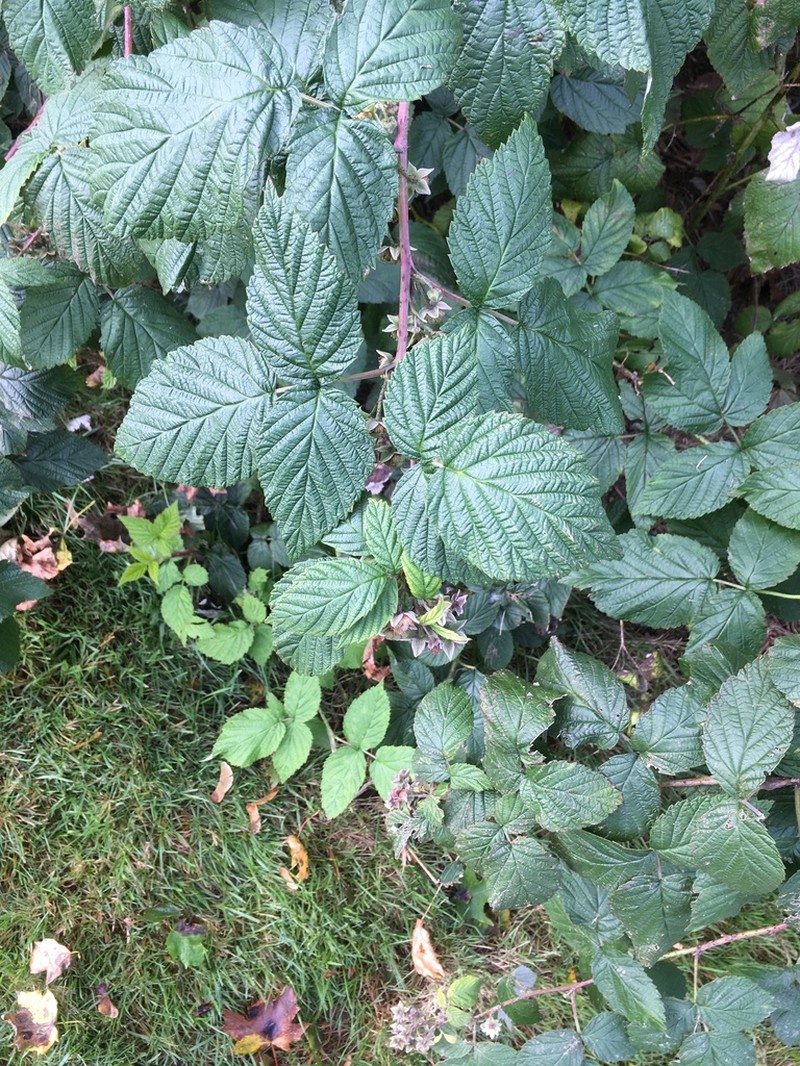
American Red Raspberry
Rubus idaeus
- Native to:
- Albania, Austria, Baltic States, Belarus, Belgium, Bulgaria, China, Corse, Czechia-Slovakia, Denmark, Finland, France, Germany, Great Britain, Greece, Hungary, Ireland, Italy, Japan, Kazakhstan, Kirgizstan, Korea, Krym, Labrador, Netherlands, North Caucasus, Norway, NW. Balkan Pen., Poland, Prince Edward I., Romania, Russia, Sicilia, Spain, Sweden, Switzerland, Transcaucasus, Türkiye, Türkiye-in-Europe, Turkmenistan, Ukraine, Virgin Islands
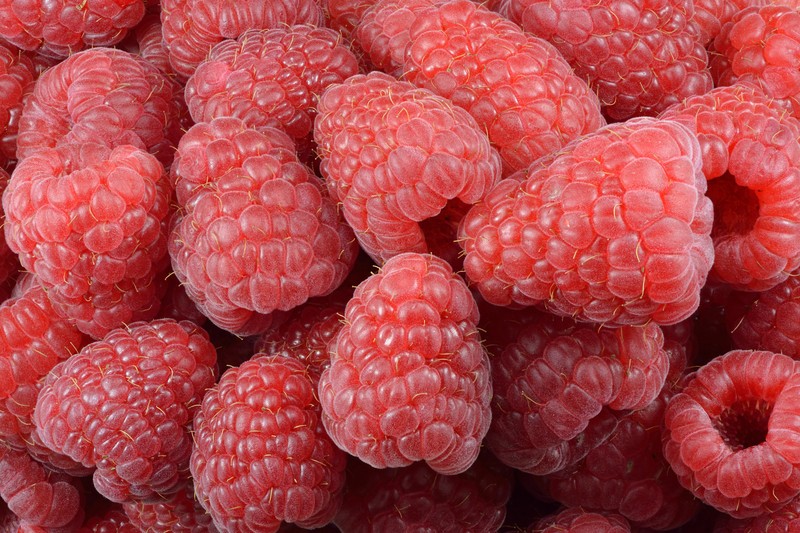
Ivar Leidus
Taxonomy
- Division:
- Magnoliophyta | - Flowering plants
- Family:
- Rosaceae
- Genus:
- Rubus
- Species:
- Rubus idaeus
- USDA Symbol:
- RUID
Growth Characteristics
- Life Cycle:
- Perennial
- Growth Habit:
- Subshrub
- Height:
- 200 cm
- Light Requirements:
- Full Sun,Part Shade,Shade
- Drought Tolerance:
- Medium
- Bloom Months:
- may,jun,jul
- Bloom Colors:
- white
- Food Forest:
- Contains edible parts
Wildlife Benefits
- Bees:
- ★★☆☆☆ Documented bee visitation (GBIF)
- Butterflies & Moths:
- ★★★★★ Documented Lepidoptera association (GBIF)
- Caterpillars:
- ★★★★★ Recorded caterpillar host plant (HOSTS Database)
Keystone Species Ranking
- Caterpillar Keystone:
- ★★★★★ Butterfly & moth species supported by this genus (NWF)
Host Plant for Caterpillars
Acronicta brumosa, Alfalfa Looper (Autographa californica), Ancylis apicana, Army cutworm (Euxoa auxiliaris), Armyworm moth (Pseudaletia unipuncta), Banded Tussock Moth (Halysidota tessellaris), Barred umber (Plagodis pulveraria), blackberry looper (Chlorochlamys chloroleucaria), blackberry skeletonizer (Schreckensteinia festaliella), Blinded Sphinx (Paonias excaecata), Broad-lined Erastria (Erastria coloraria), Brown-lined Carpet (Xanthorhoe lacustrata), Brown-tail moth (Euproctis chrysorrhoea), Burdock Borer (Papaipema cataphracta), Cecropia moth (Hyalophora cecropia), Cerastis tenebrifera, Chain-lined geometer moth (Cingilia catenaria), clandestine dart (Spaelotis clandestina), clover cutworm (Agrotis gladiaria), common eupithecia (Eupithecia miserulata), Copper Underwing (Amphipyra pyramidoides), Crocus Geometer (Xanthotype sospeta), Currant Clearwing (Synanthedon tipuliformis), cymatophoroides false owlet moth (Pseudothyatira cymatophoroides), dark scallop moth (Cepphis decoloraria), Eueretagrotis perattentus, Euxoa scandens, Eversmann's rustic (Actebia fennica), Fall webworm (Hyphantria cunea), Forest Tent Caterpillar (Malacosoma disstria), Green Arches (Anaplectoides prasina), green cloverworm moth (Platynota idaeusalis), Green-patched Looper (Diachrysia balluca), Gypsy moth (Lymantria dispar), Hemigraphiphora plebeia, Hickory Tussock Moth (Lophocampa caryae), Horned Spanworm (Nematocampa resistaria), Hydria undulata, impressed dagger moth (Acronicta impressa), Io moth (Automeris io), Isabella tiger moth (Pyrrharctia isabella), juniper pug (Eupithecia pusillata), Lampronia rubiella, Leconte's haploa (Haploa lecontei), Lettered habrosyne (Habrosyne scripta), Limbata angle moth (Nematocampa limbata), long-winged dagger moth (Acronicta longa), Melanchra assimilis, Morning-glory prominent moth (Schizura ipomoeae), nondescript dagger moth (Acronicta spinigera), Norman's dart (Xestia normanianus), Obliquebanded leafroller (Choristoneura rosaceana), Orange-tipped oakworm moth (Anisota senatoria), Peppered Moth (Biston betularia), Proeulia sp., Red-humped caterpillar moth (Schizura concinna), Ruby Quaker (Orthosia rubescens), Smeared Dagger Moth (Acronicta oblinita), Smith's Dart (Xestia smithii), Sparganothis fruitworm moth (Sparganothis umbrana), Spotted Apatelodes (Apatelodes torrefacta), stalk borer moth (Papaipema nebris), Strawberry Leafroller (Ancylis comptana), Sweetpotato Armyworm (Spodoptera dolichos), Trichordestra tacoma, Unicorn caterpillar moth (Schizura unicornis), Variable Carpet Moth (Anticlea vasiliata), Variegated cutworm (Peridroma saucia), Virginia creeper clearwing (Pennisetia marginata), Virginia Tiger Moth (Spilosoma virginica), Wavy-lined Emerald (Synchlora aerata), Western tent caterpillar (Malacosoma californica), Western yellowstriped armyworm (Spodoptera praefica), Xestia adela, Yellow-striped armyworm (Spodoptera ornithogalli), zebra caterpillar moth (Melanchra picta)
Reported Fauna Sightings
Bees: Black-tailed bumble bee (Bombus melanopygus), Central bumble bee (Bombus centralis), Common eastern bumble bee (Bombus impatiens), Confusing bumble (Bombus perplexus), Fernald cuckoo bumble bee (Bombus flavidus), Fuzzy-horned bumble bee (Bombus mixtus), Half-black bumble bee (Bombus vagans), Hunt's bumble bee (Bombus huntii), Indiscriminate cuckoo bumble bee (Bombus insularis), Red-belted bumble bee (Bombus rufocinctus), Two-form bumble bee (Bombus bifarius), Yellow head bumble bee (Bombus flavifrons)
Garden & Ecology Notes
- Wildlife Value:
- birds, mammals, butterflies
- Fall Color:
- red, orange
Soil Requirements
- Soil Type:
- rich, well-drained loamy soil
- pH:
- 5.5 - 6.5 (slightly acidic to neutral)
- Drainage:
- excellent drainage required
- Moisture:
- consistently moist
- Notes:
- prefers organic matter-rich environments
Propagation & Germination
- Stratification:
- Cold/moist stratification required — 60–90 days
- Germination Time:
- 14–30 days
- Notes:
- Seeds require cold stratification for 60-90 days to break dormancy.
Pre-treatment: For seeds: Warm and cold stratify for 120 days, then germinate at 30/20 C and 20 C. For cuttings: Trim to a 5-8 inch length, remove all buds, leaves, branches from the basal 2-3 inches, and all flowers and fruit. Wound the basal end of the stem with a shallow 1-1.5 inch cut just below the cambium layer. Treat with 2,000 ppm NAA + 40,400 ppm ThiramT or 16,000 ppm IBA.
Establishment: Seeds failed to germinate under greenhouse conditions, success was found when trays were placed in the outdoor nursery. Germination is non-uniform and continues over a 4 week period. A substantial percentage of rooted cuttings perished before being transplanted, apparently succumbing to rot.
Source: npn.rngr.net
Where to Buy
Nationwide Seller
- Sheffield's Seed (seeds)