
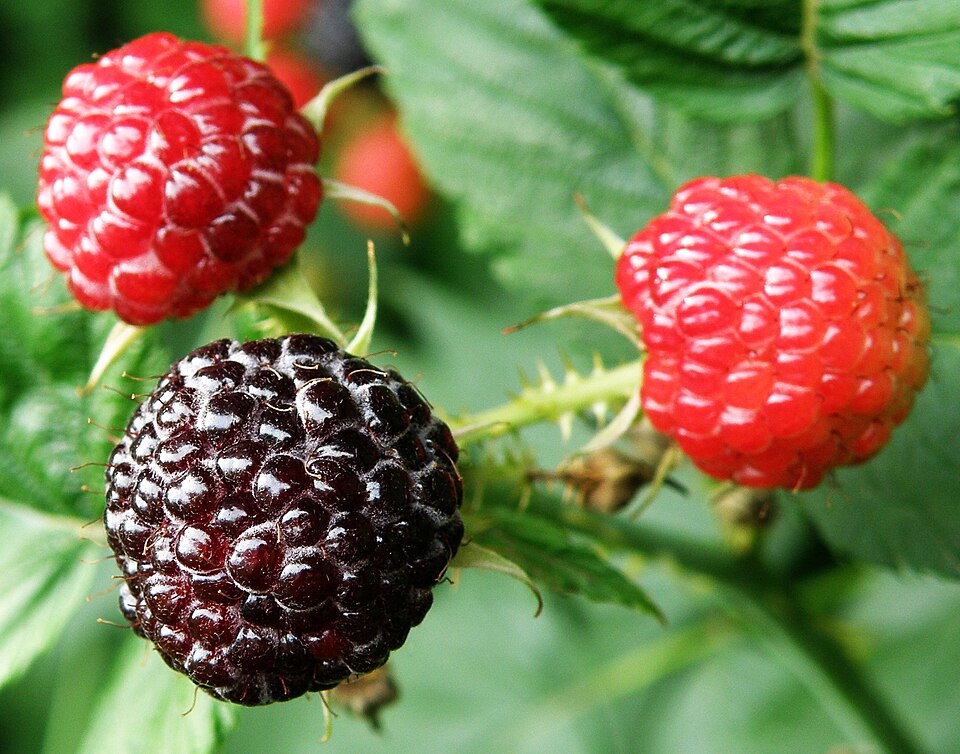
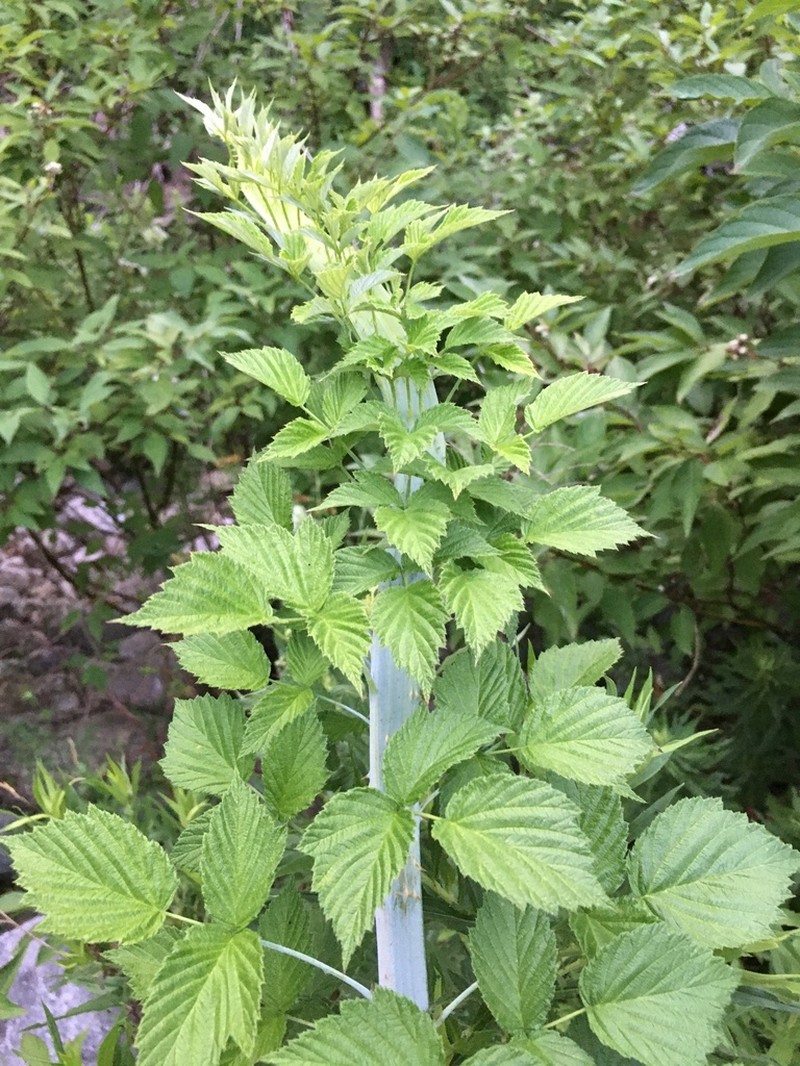
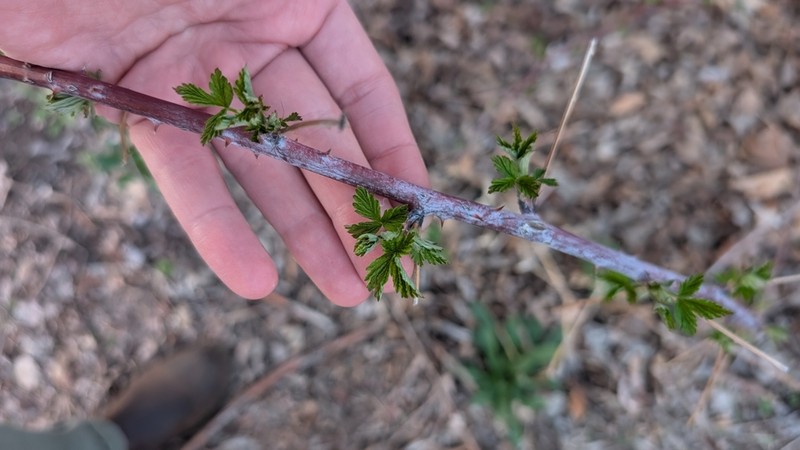
Black Raspberry
Rubus occidentalis
- Native to:
- Canada, United States, Virgin Islands
Alina Zienowicz Ala z
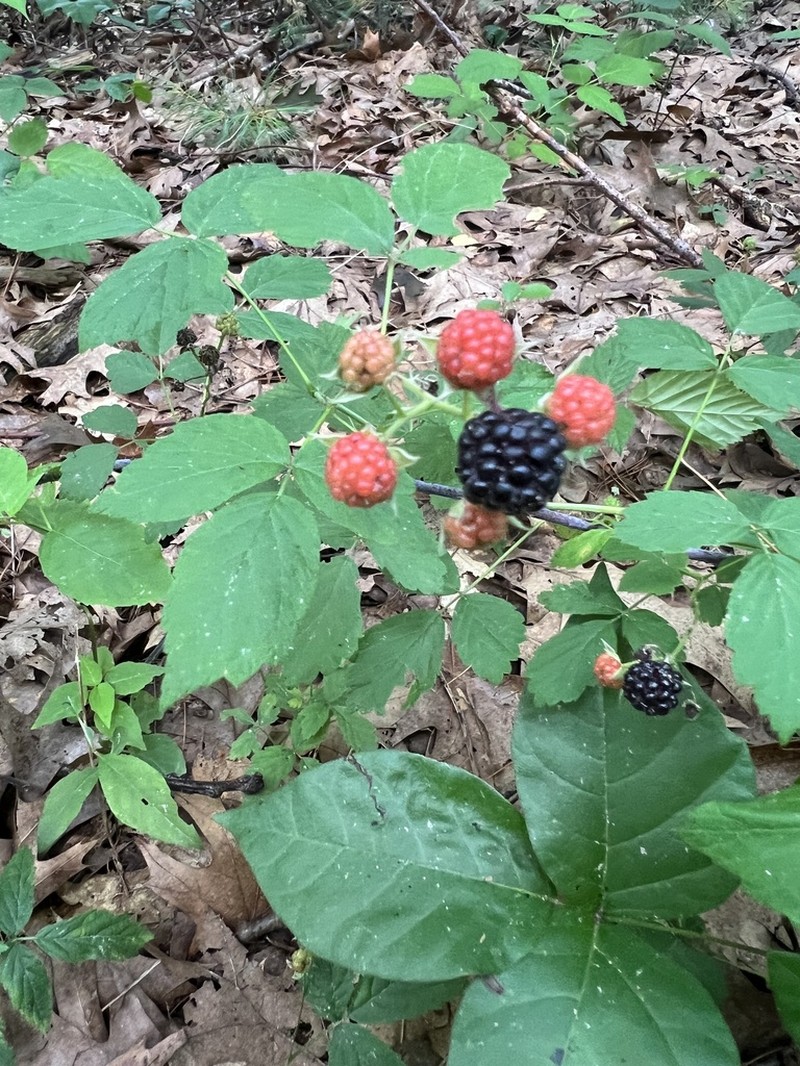
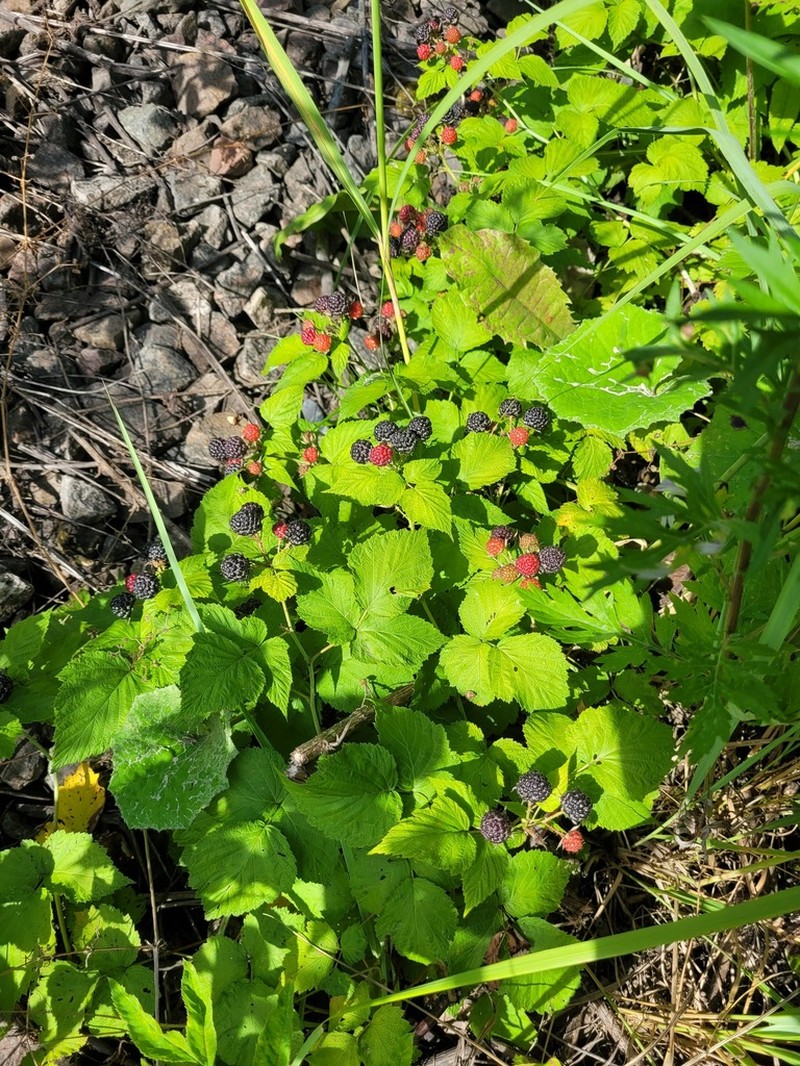
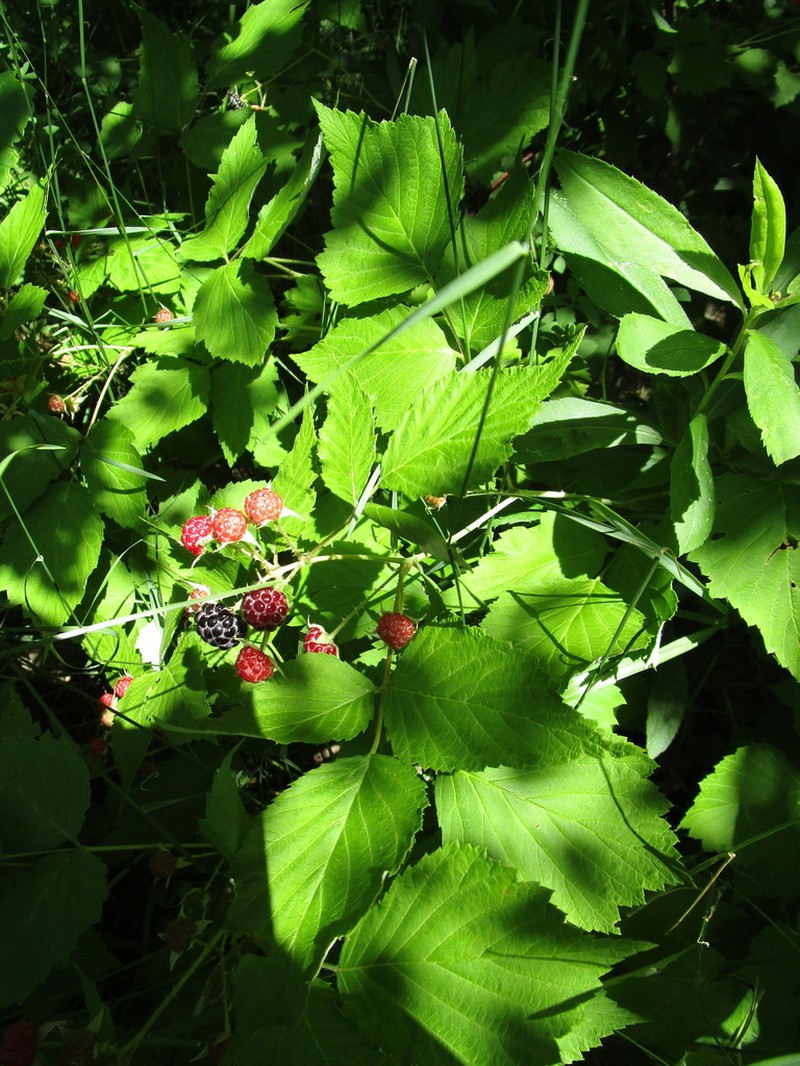
Taxonomy
- Division:
- Magnoliophyta | - Flowering plants
- Family:
- Rosaceae
- Genus:
- Rubus
- Species:
- Rubus occidentalis
- USDA Symbol:
- RUOC
Growth Characteristics
- Life Cycle:
- Perennial
- Growth Habit:
- Subshrub
- Height:
- 200 cm
- Light Requirements:
- Full Sun,Part Shade,Shade
- Drought Tolerance:
- Medium
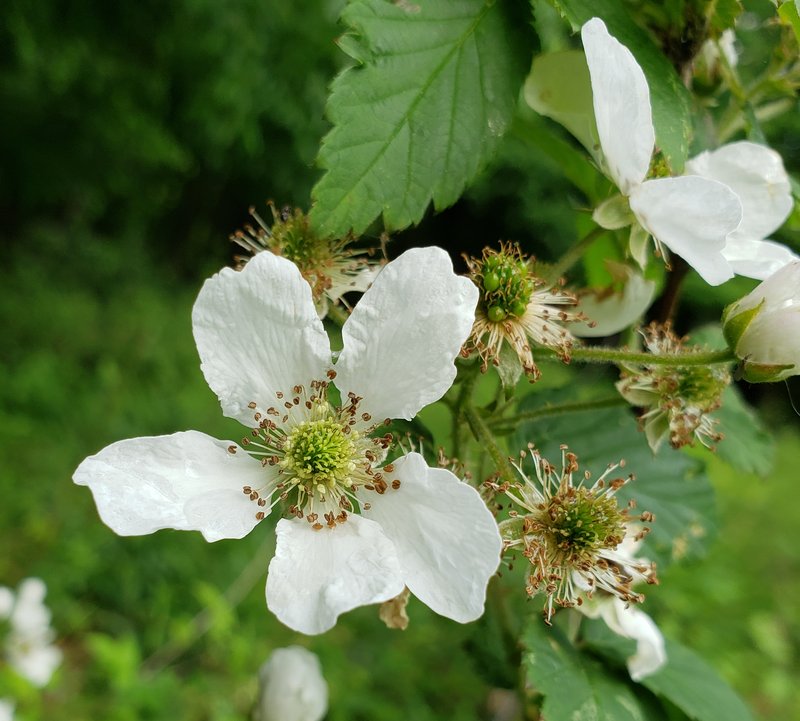
- Bloom Months:
- may,jun
- Bloom Colors:
- white
- Food Forest:
- Contains edible parts
Wildlife Benefits
- Bees:
- ★☆☆☆☆ Documented bee visitation (GBIF)
- Butterflies & Moths:
- ★★★★★ Documented Lepidoptera association (GBIF)
- Caterpillars:
- ★★☆☆☆ Recorded caterpillar host plant (HOSTS Database)
Keystone Species Ranking
- Caterpillar Keystone:
- ★★★★★ Butterfly & moth species supported by this genus (NWF)
Host Plant for Caterpillars
blackberry looper (Chlorochlamys chloroleucaria), Britannia Acleris Moth (Acleris britannia), Cecropia moth (Hyalophora cecropia), Lettered habrosyne (Habrosyne scripta), Tischeria aenea, Variegated cutworm (Peridroma saucia)
Reported Fauna Sightings
Bees: Brown-belted bumble (Bombus griseocollis), Common eastern (Bombus impatiens), Half-black bumble (Bombus vagans), Red-belted bumble (Bombus rufocinctus), Two-spotted bumble (Bombus bimaculatus) Moths:Eight-spotted Forester (Alypia octomaculata)
Garden & Ecology Notes
- Wildlife Value:
- birds, mammals
- Fall Color:
- red, purple
Soil Requirements
- Soil Type:
- rich, well-drained loamy soil
- pH:
- 5.5 - 7.0 (slightly acidic to neutral)
- Drainage:
- excellent drainage required
- Moisture:
- consistently moist
- Notes:
- thrives in forest edges and open woodlands
Propagation & Germination
- Stratification:
- Cold/moist stratification required — 60–90 days
- Germination Time:
- 30–60 days
- Notes:
- Seeds benefit from cold stratification for 60-90 days to break dormancy.
Pre-treatment: Cold-moist stratification for 30 days at 1–5°C (34–41°F).; then Scarify, then cold-moist stratify for 60 days.
Notes: Seeds may require light for optimal germination.
Source: Claude AI
ORGHPS Germination Guide: Expose to fluctuating outdoor winter temps incl. freezing for 3 months. Increase light/temp in spring. Requires soaking 24-48 hrs; discard floaters.
Where to Buy
Nationwide Seller
- Sheffield's Seed (seeds)