
Salmonberry
Rubus spectabilis
- Native to:
- Canada, United States
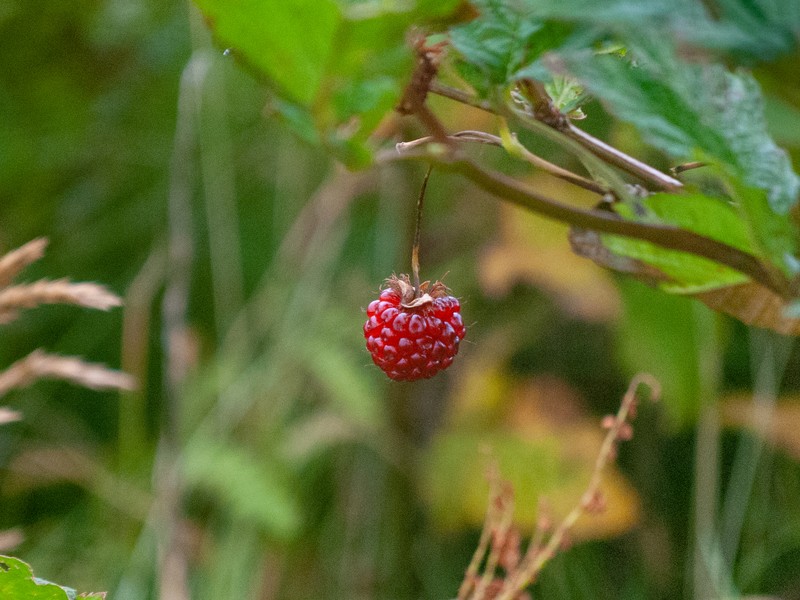
Gordon Leggett
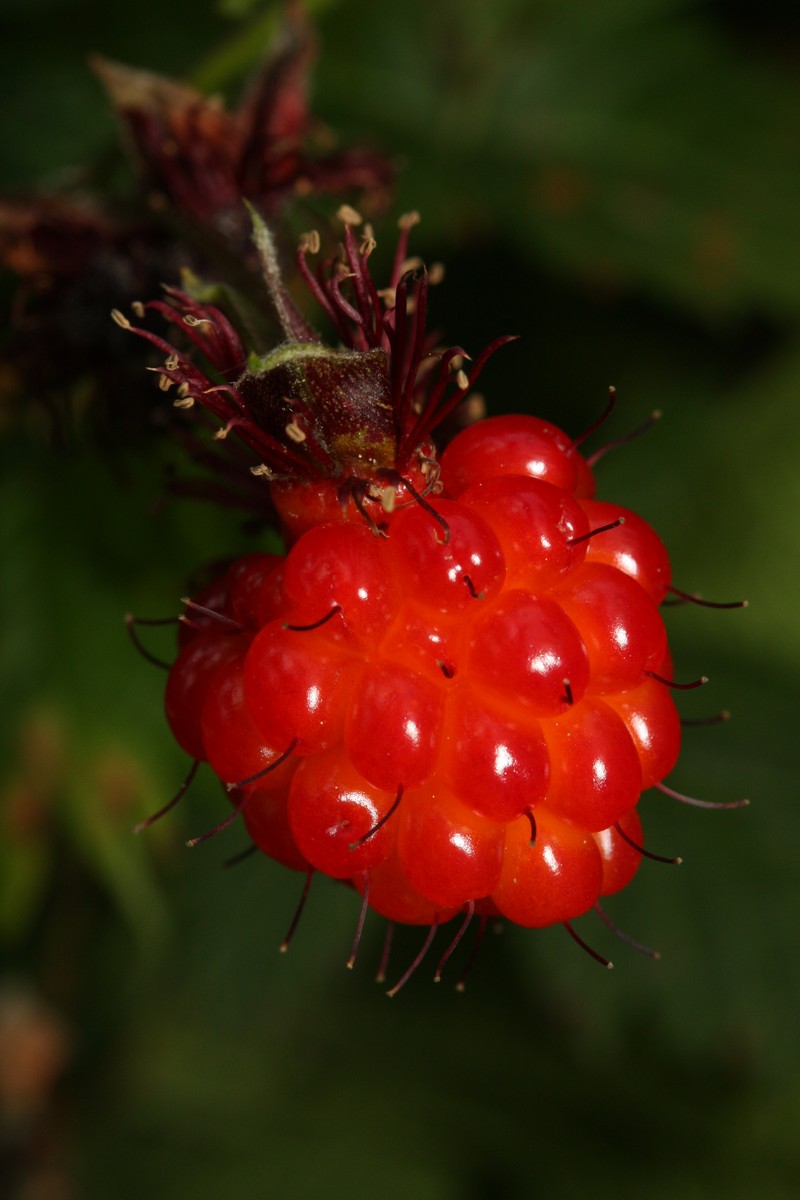
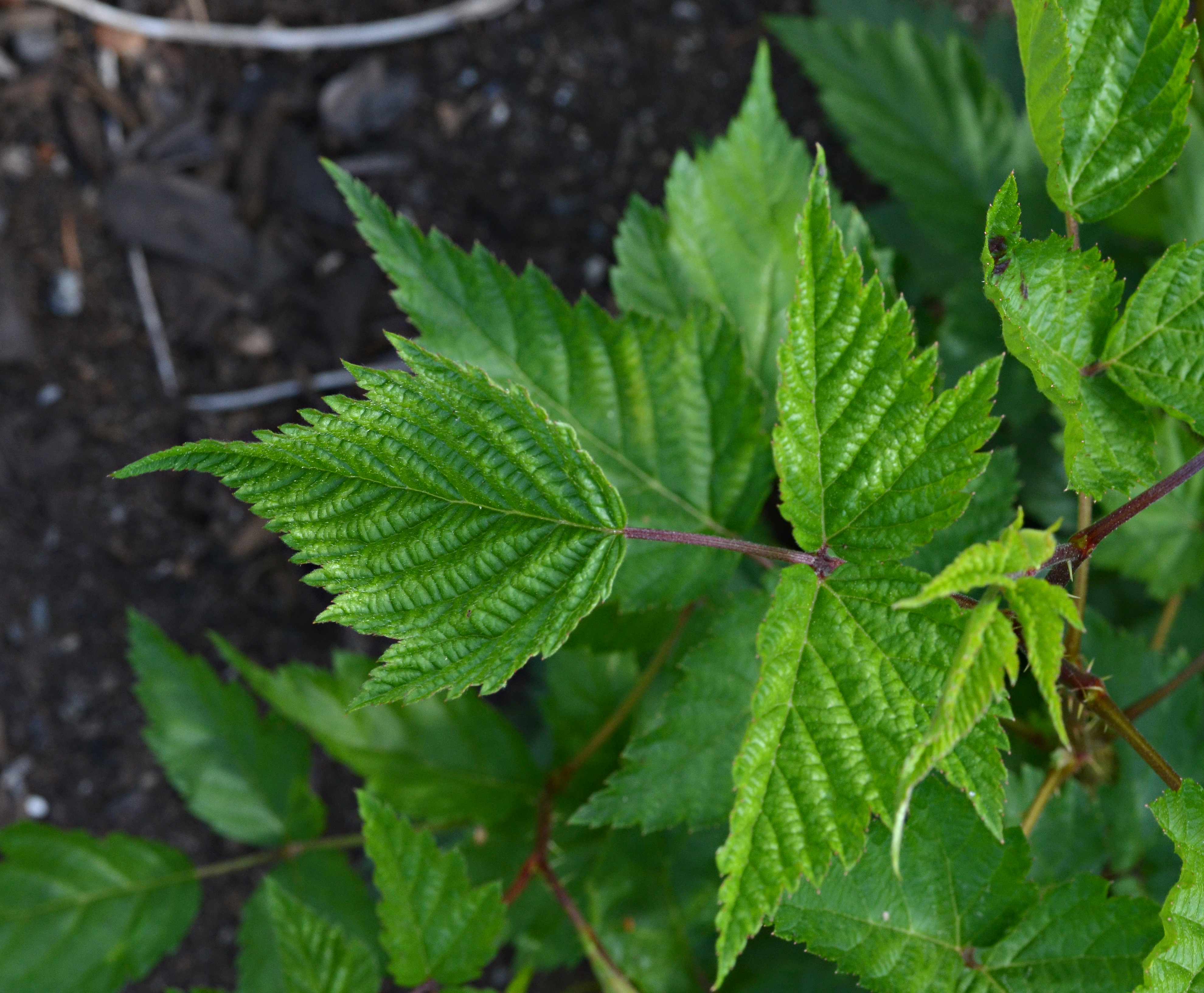
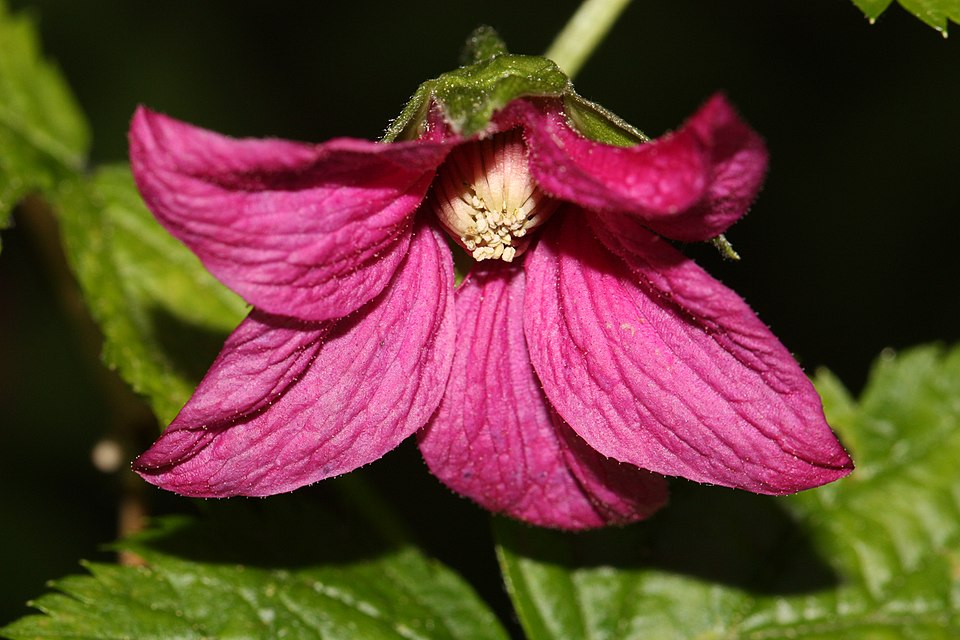
Taxonomy
- Division:
- Magnoliophyta | - Flowering plants
- Family:
- Rosaceae
- Genus:
- Rubus
- Species:
- Rubus spectabilis
- USDA Symbol:
- RUSP
Growth Characteristics
- Life Cycle:
- Perennial
- Growth Habit:
- Subshrub , Vine
- Height:
- 400 cm
- Light Requirements:
- Full Sun,Part Shade,Shade
- Drought Tolerance:
- Low
- Bloom Months:
- mar,apr,may,jun
- Bloom Colors:
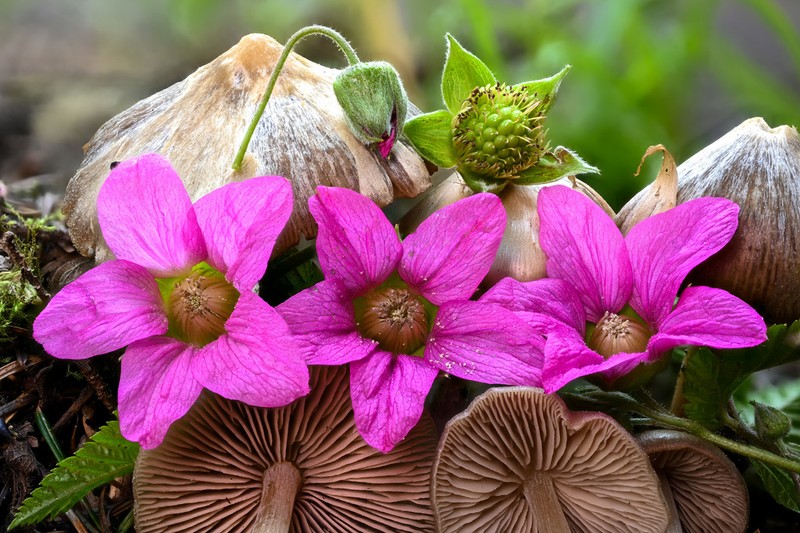
- magenta, pink, red
- Food Forest:
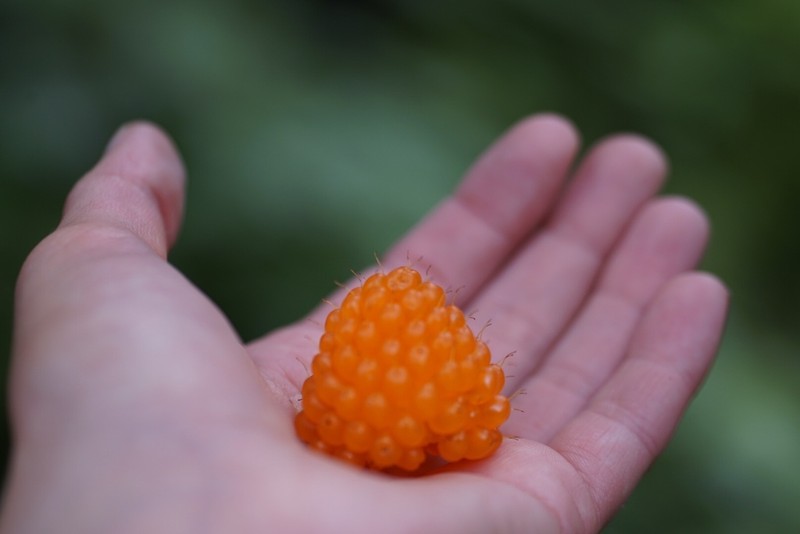
- Contains edible parts
- Landscaping Shrub:
- Yes
Wildlife Benefits
- Bees:
- ★☆☆☆☆ Documented bee visitation (GBIF)
- Butterflies & Moths:
- ★★★☆☆ Documented Lepidoptera association (GBIF)
- Caterpillars:
- ★☆☆☆☆ Recorded caterpillar host plant (HOSTS Database)
Keystone Species Ranking
- Caterpillar Keystone:
- ★★★★★ Butterfly & moth species supported by this genus (NWF)
Host Plant for Caterpillars
Reported Fauna Sightings
Garden & Ecology Notes
- Wildlife Value:
- birds, mammals, butterflies
Soil Requirements
- Soil Type:
- rich, well-drained loamy soil
- pH:
- 5.5 - 7.0 (slightly acidic to neutral)
- Drainage:
- tolerates poor drainage
- Moisture:
- consistently moist
- Notes:
- Thrives in damp, forested areas
Propagation & Germination
- Stratification:
- Cold/moist stratification required — 90–120 days
- Germination Time:
- 30–90 days
- Notes:
- Seeds require cold stratification for 3-4 months; germination may be slow and erratic.
Pre-treatment: For seeds: Sow into trays filled with stabilized medium plugs, seal trays in plastic bags and refrigerate at 1 to 3 °C for 120 days, keep moist and treat with 1% hydrogen peroxide if mold is evident. For cuttings: Dip in mild bleach solution for 30 seconds, recut to 4 inch lengths including 3 nodes each, treat with Hormex rooting powder and strike in flats containing 3:1 perlite/vermiculite.
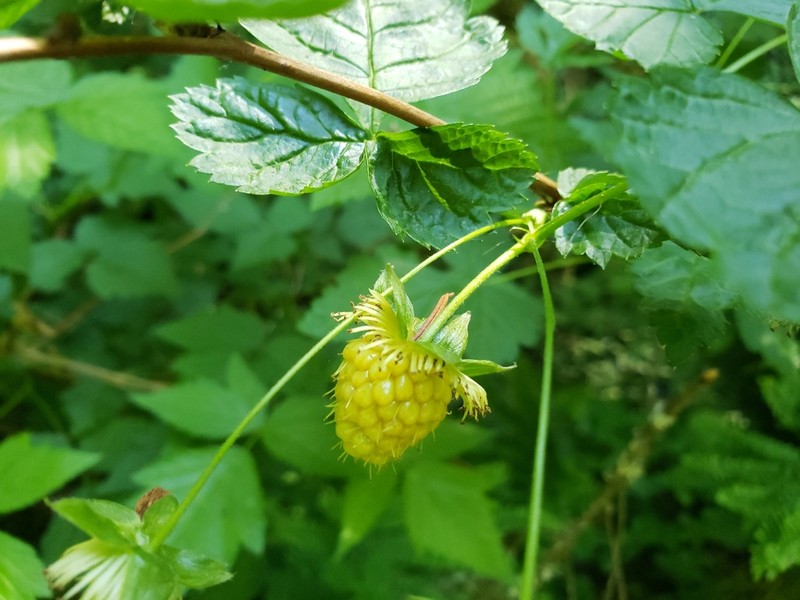
Establishment: Seeds are collected from ripe fruits, generally from June through August. Cuttings are collected between November 1st and January 31st. The plant is found in moist places and wetlands, especially along streamsides and riparian areas at elevations below 1400 m. It ranges from Alaska south to northwestern California, from the coast to the Cascades.
Source: npn.rngr.net
Where to Buy
Nationwide Seller
- Sheffield's Seed (seeds)