
Common Buttonbush
Cephalanthus occidentalis
- Native to:
- Belize, Canada, Cuba, Guam, Guatemala, Honduras, Mexico, United States, Virgin Islands
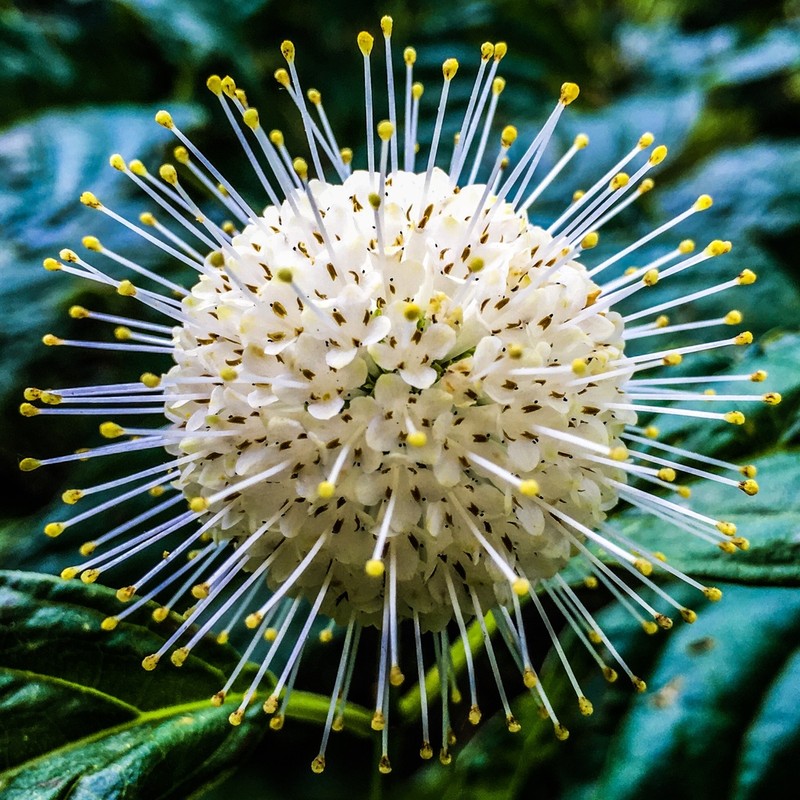
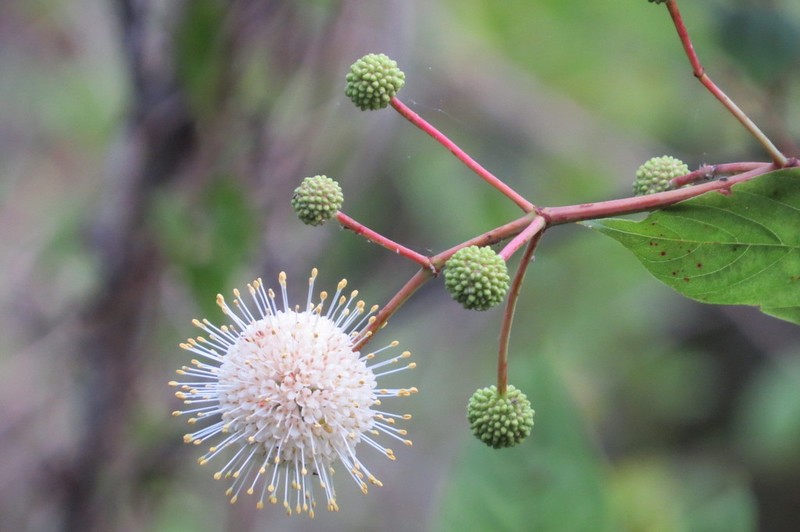
iNaturalist: © hughnorth (iNaturalist #7554116)
Taxonomy
- Division:
- Magnoliophyta | - Flowering plants
- Family:
- Rubiaceae
- Genus:
- Cephalanthus
- Species:
- Cephalanthus occidentalis
- USDA Symbol:
- CEOC2
Growth Characteristics
- Life Cycle:
- Perennial
- Growth Habit:
- Shrub , Tree
- Height:
- 300 cm
- Light Requirements:
- Part Shade,Shade
- Drought Tolerance:
- Low
- Bloom Months:
- jun,jul,aug
- Bloom Colors:
- white
- Landscaping Shrub:
- Yes
Wildlife Benefits
- Bees:
- ★☆☆☆☆ Documented bee visitation (GBIF)
- Butterflies & Moths:
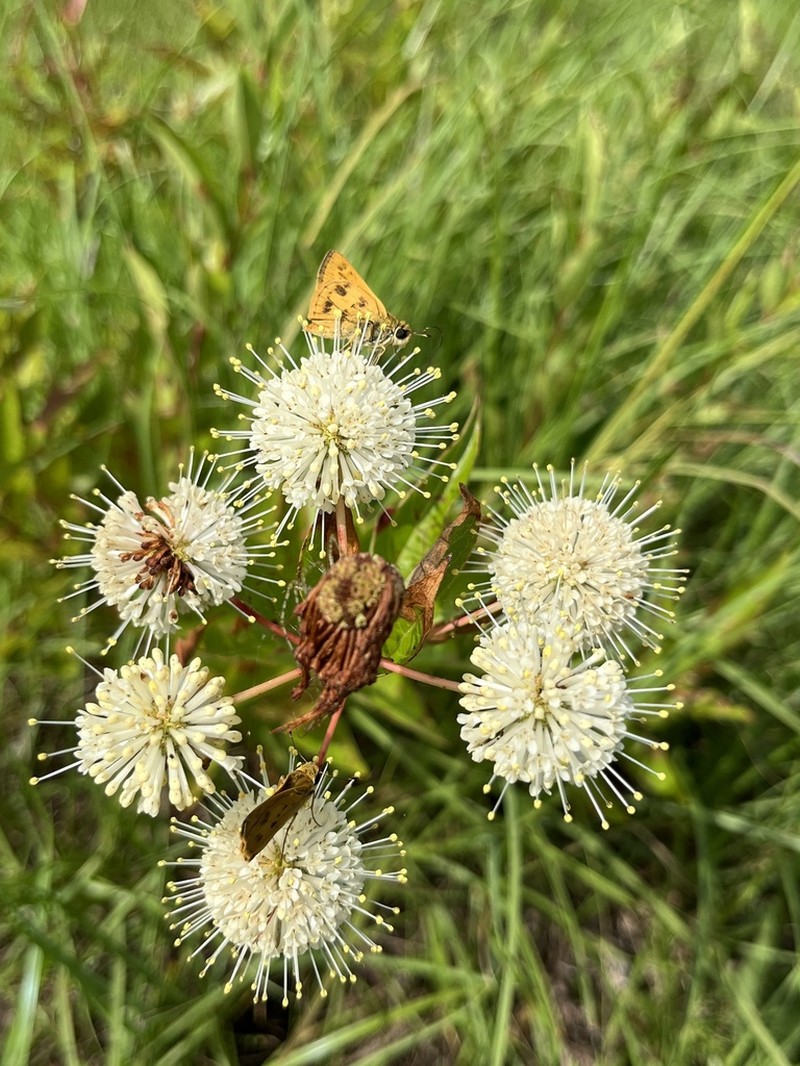
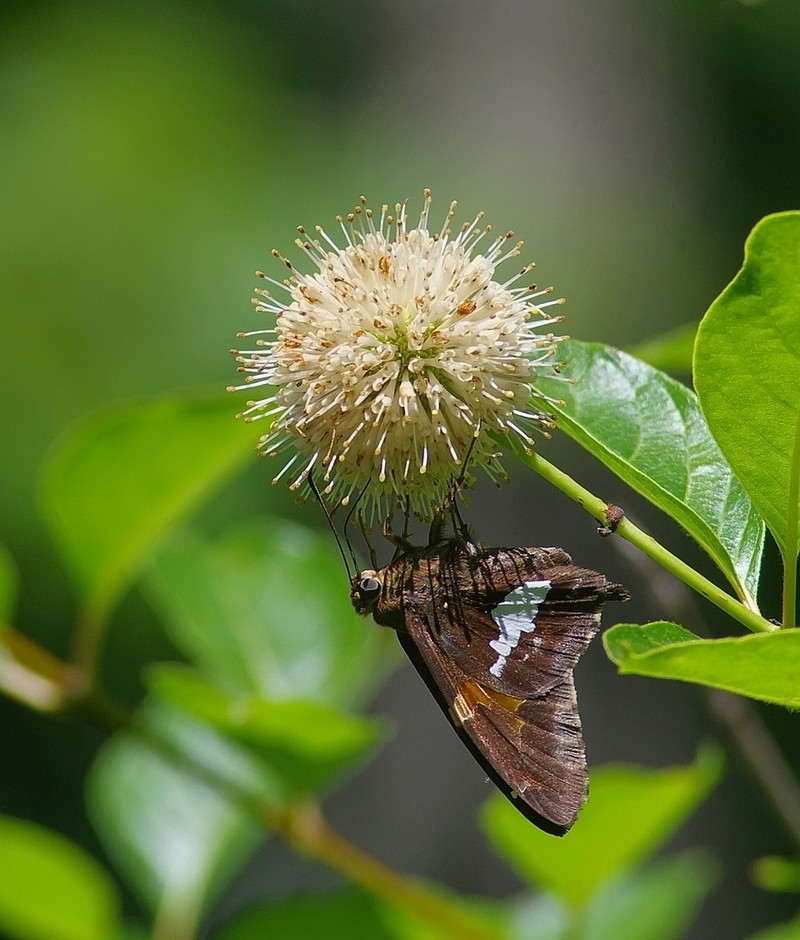
- ★★★★★ Documented Lepidoptera association (GBIF)
- Caterpillars:
- ★★★☆☆ Recorded caterpillar host plant (HOSTS Database)
- Hummingbirds:
- ★☆☆☆☆ Documented hummingbird visits (GBIF)
Keystone Species Ranking
- Caterpillar Keystone:
- ★★★☆☆ Butterfly & moth species supported by this genus (NWF)
Host Plant for Caterpillars
Reported Fauna Sightings
Garden & Ecology Notes
- Wildlife Value:
- birds, butterflies, bees
- Fragrant:
- Yes
Soil Requirements
- Soil Type:
- rich, moisture-retentive loamy soil
- pH:
- 5.5 - 7.5 (slightly acidic to neutral)
- Drainage:
- tolerates poor drainage
- Moisture:
- consistently moist
- Notes:
- Commonly found in wetlands and along water bodies
Propagation & Germination
- Stratification:
- Cold/moist stratification required — 60–90 days
- Germination Time:
- 14–30 days
- Notes:
- Seeds require cold stratification for 60-90 days; sow on surface and keep moist.
Pre-treatment: Cuttings were cut to 4 to 6" lengths with at least 2 nodes, having an angled cut on the bottom and a straight cut on the top and leaves were trimmed to approximately 50%. The bottom of the cuttings were dipped in Hormodin 1 (0.1% IBA) powder and stuck in 2" cells filled with high porosity peat-based medium.
Establishment: Cuttings are preferred for higher germination rates. Seeds can also be used for propagation, but no germination rates are given for seeds. No temperature information is provided in the protocols. The protocols also suggest that no pre-treatment is required for fresh seeds.
Source: npn.rngr.net
ORGHPS Germination Guide: Sow @ 20C. Germinates within 3 months. Requires light / surface sow (fine seed).
Where to Buy
Nationwide Seller
- Prairie Moon Nursery (nursery and seeds)
- Sheffield's Seed (seeds)
- Wild Seed Project (seeds)
- Native Plants Nursery (nursery)