
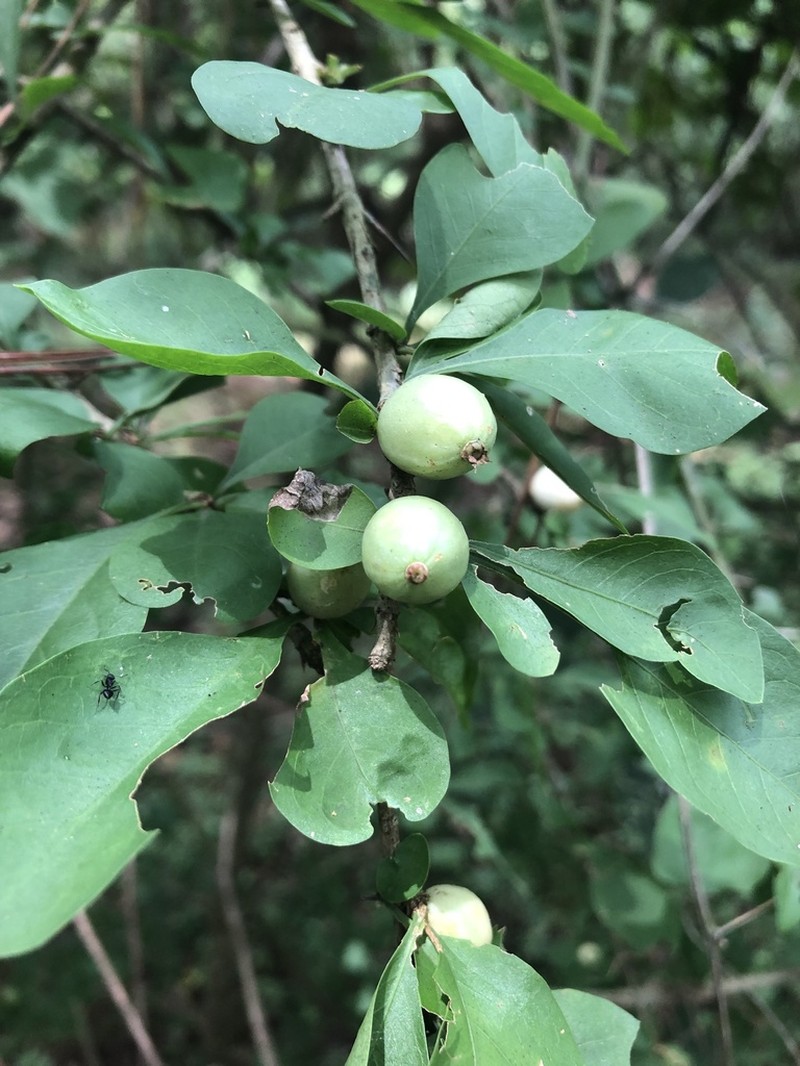
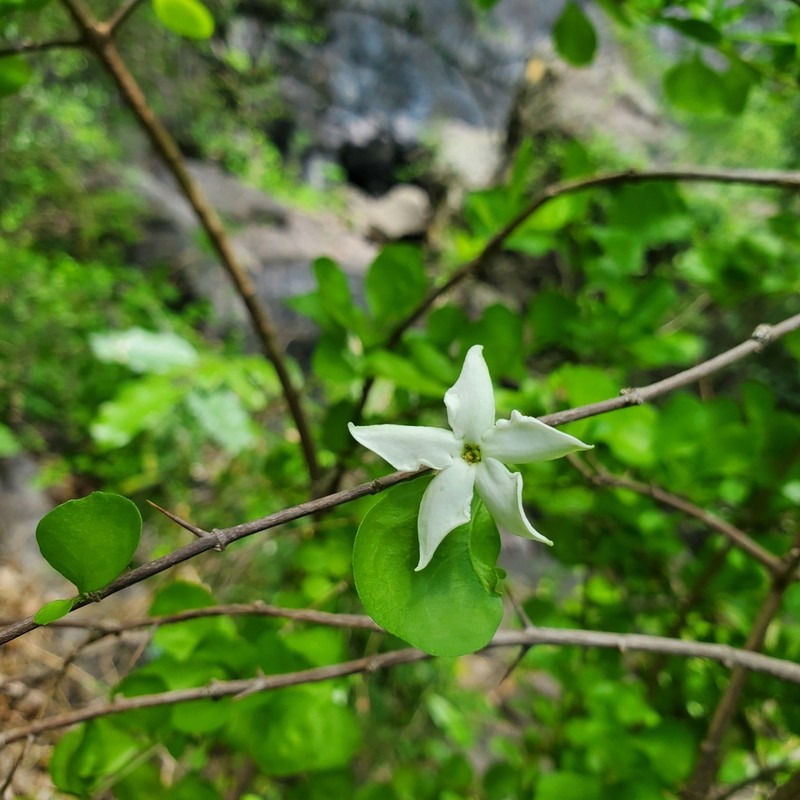
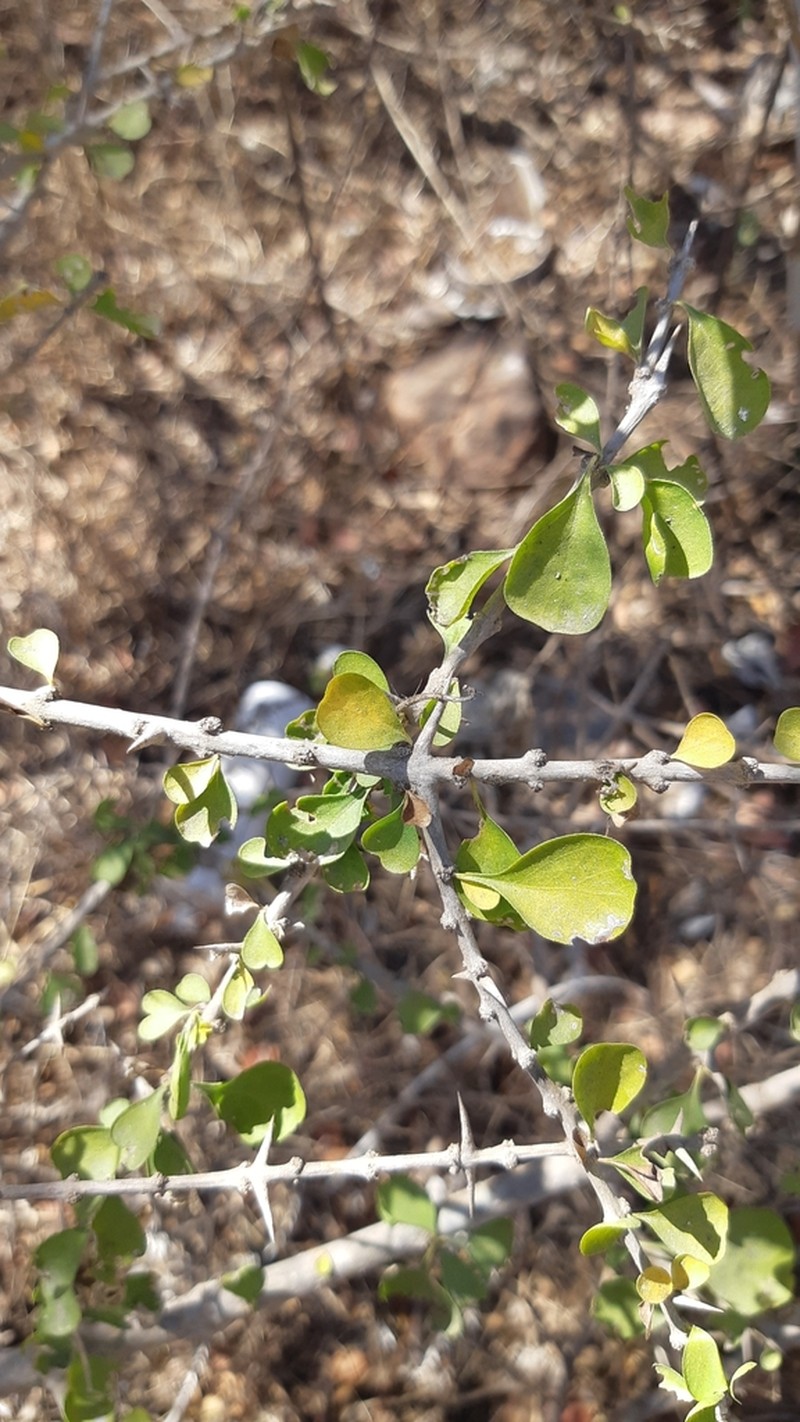
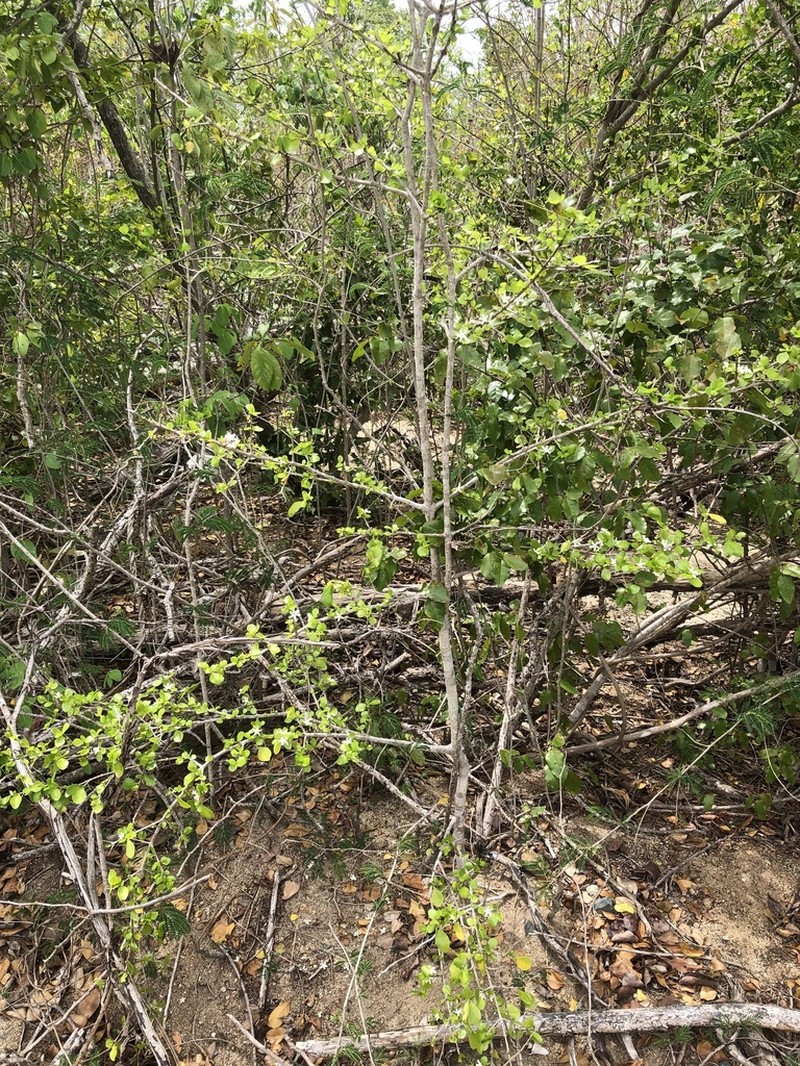
White Indigoberry
Randia aculeata
- Native to:
- Bahamas, Belize, Bermuda, Cayman Is., Colombia, Costa Rica, Cuba, Dominican Republic, El Salvador, Guam, Guatemala, Guyana, Haiti, Honduras, Jamaica, Leeward Is., Mexico, Netherlands Antilles, Nicaragua, Panamá, Puerto Rico, Trinidad-Tobago, Turks-Caicos Is., United States, Venezuela, Venezuelan Antilles, Virgin Islands, Windward Is.
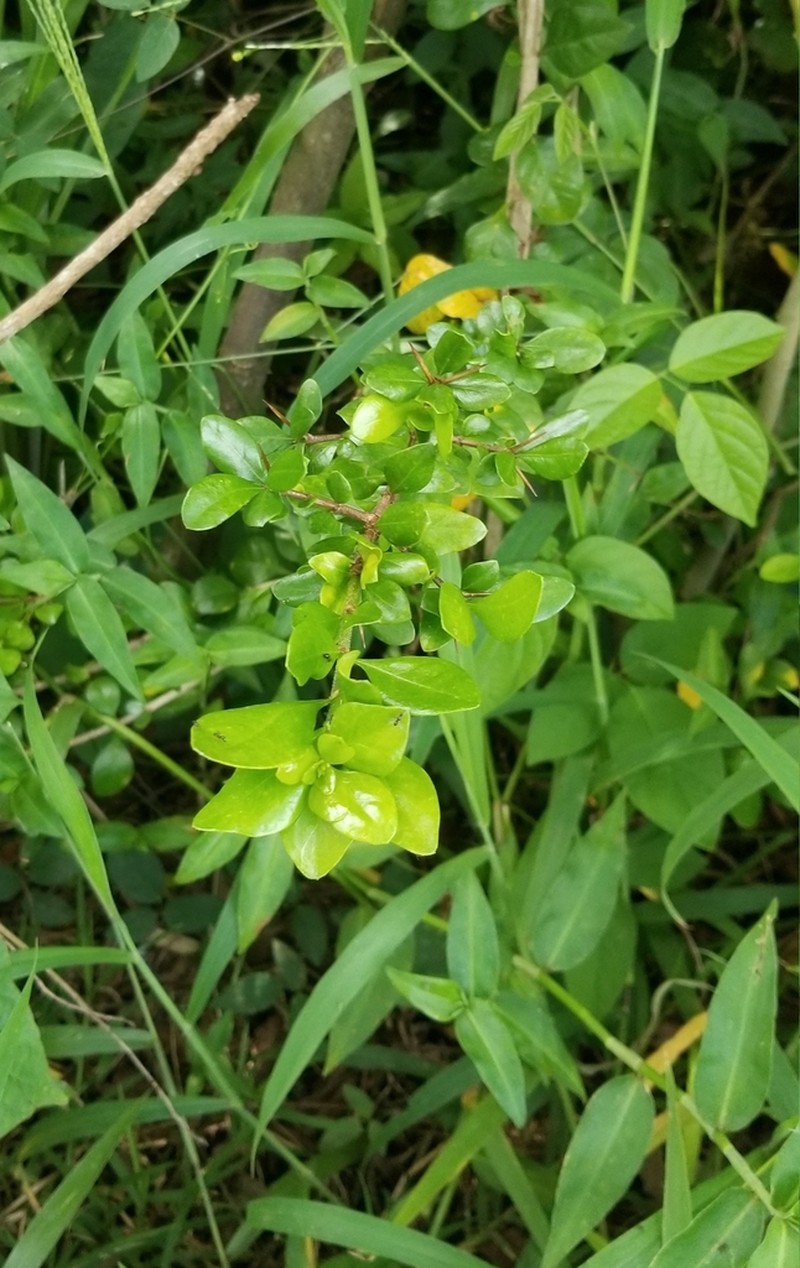
iNaturalist: © genaofjesus (iNaturalist #129751915)
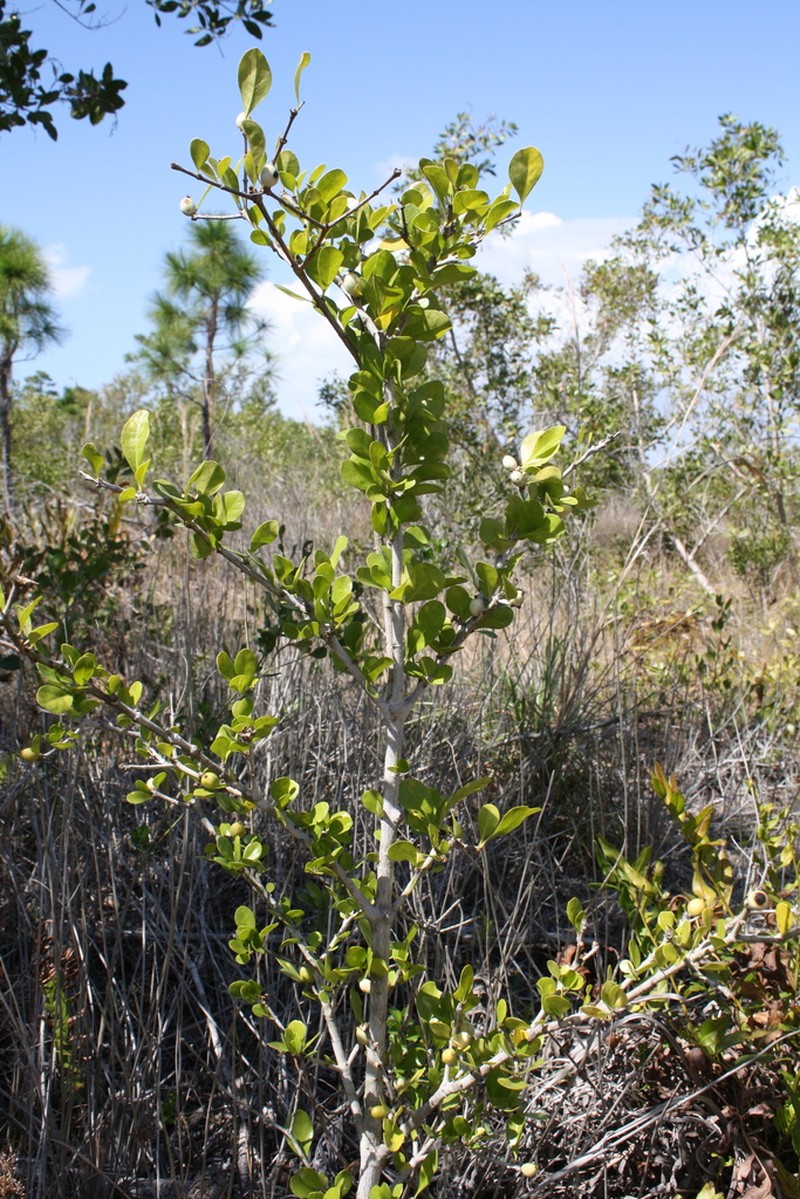
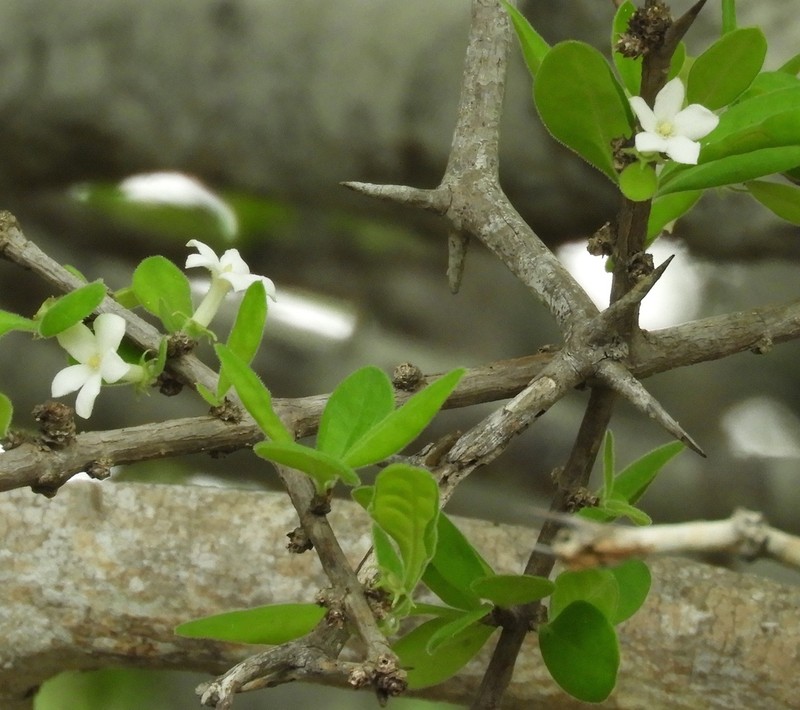
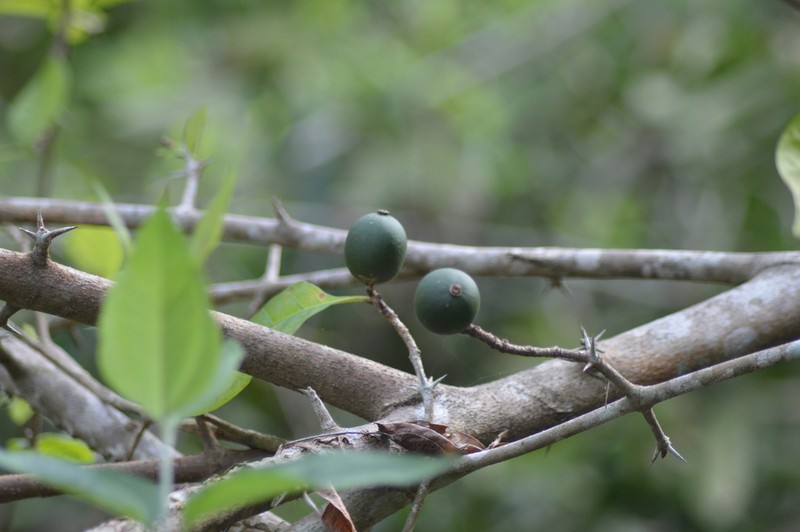
Taxonomy
- Division:
- Magnoliophyta | - Flowering plants
- Family:
- Rubiaceae
- Genus:
- Randia
- Species:
- Randia aculeata
- USDA Symbol:
- RAAC
Growth Characteristics
- Life Cycle:
- Perennial
- Growth Habit:
- Shrub , Tree
- Height:
- 600 cm
- Light Requirements:
- Full Sun
- Drought Tolerance:
- High
- Bloom Months:
- apr,may,jun,jul
- Bloom Colors:
- white
- Evergreen Shrub:
- Yes
- Landscaping Shrub:
- Yes
Wildlife Benefits
- Butterflies & Moths:
- ★★★☆☆ Documented Lepidoptera association (GBIF)
- Caterpillars:
- ★★☆☆☆ Recorded caterpillar host plant (HOSTS Database)
Host Plant for Caterpillars
Acratodes suavata, Mournful sphinx (Enyo lugubris), Neurolipa randiella, Omnivorous Leafroller (Platynota rostrana), Thyridopyralis gallaerandialis, Titan sphinx (Aellopos titan)
Reported Fauna Sightings
Moths:Neurolipa randiella
Garden & Ecology Notes
- Wildlife Value:
- birds, butterflies
- Deer Resistant:
- Yes
- Salt Tolerant:
- Yes
- Fragrant:
- Yes
Soil Requirements
- Soil Type:
- sandy, well-drained, nutrient-poor soil
- pH:
- 6.0 - 7.5 (slightly acidic to neutral)
- Drainage:
- excellent drainage required
- Moisture:
- dry to moderate
- Notes:
- native to coastal areas, tolerates salt