
Common Hoptree
Ptelea trifoliata
- Native to:
- Canada, Mexico, United States, Virgin Islands
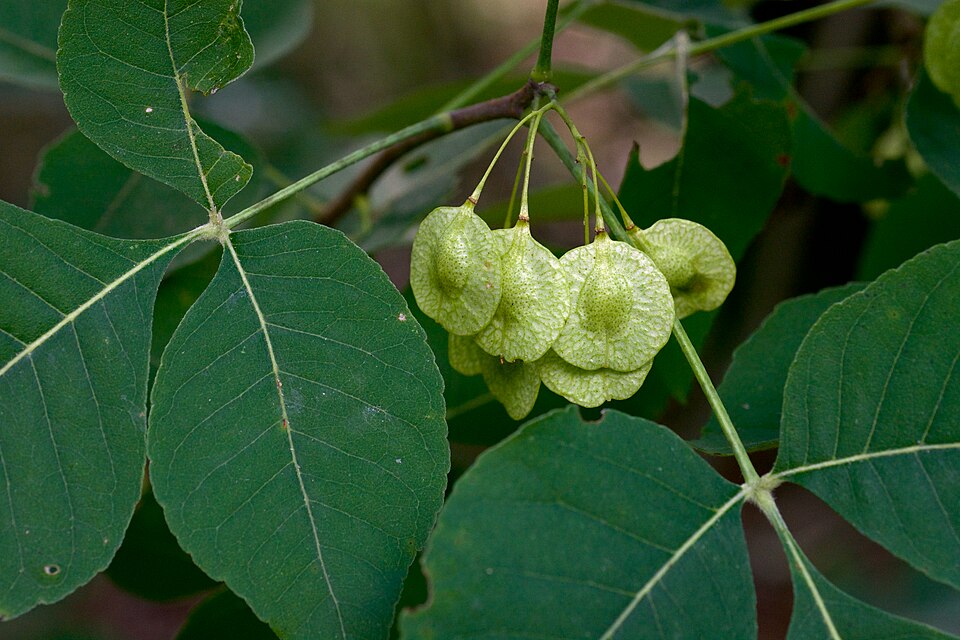
Eric Hunt
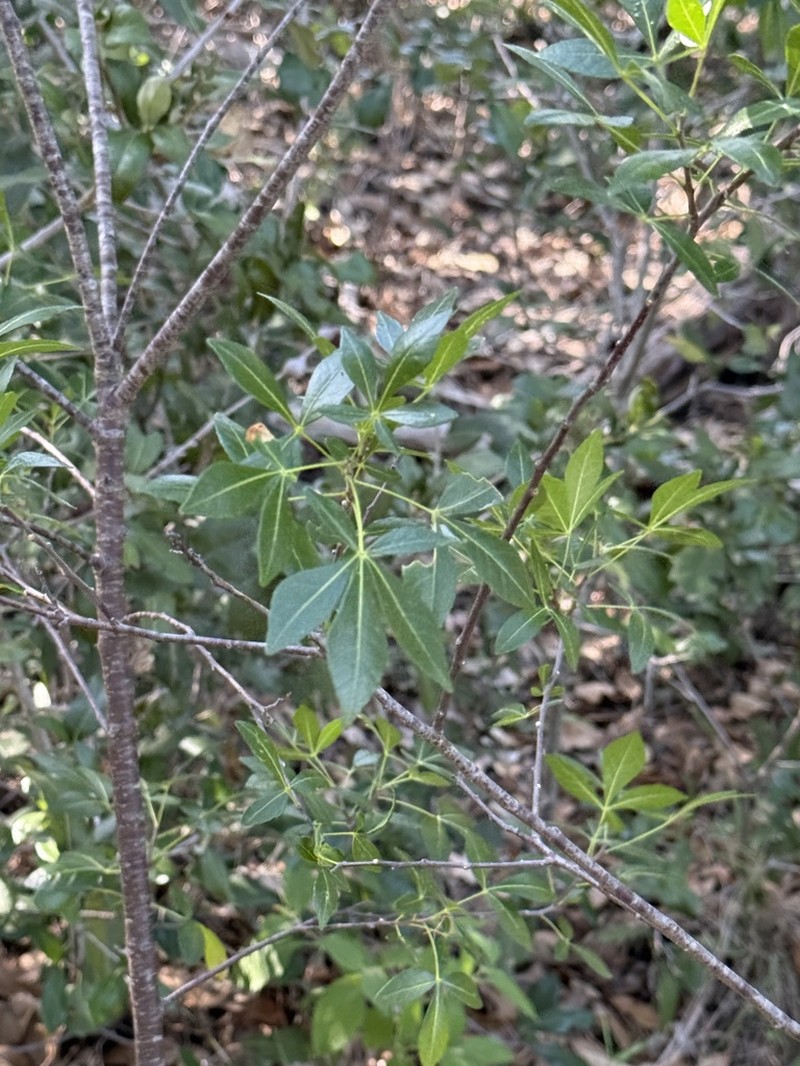
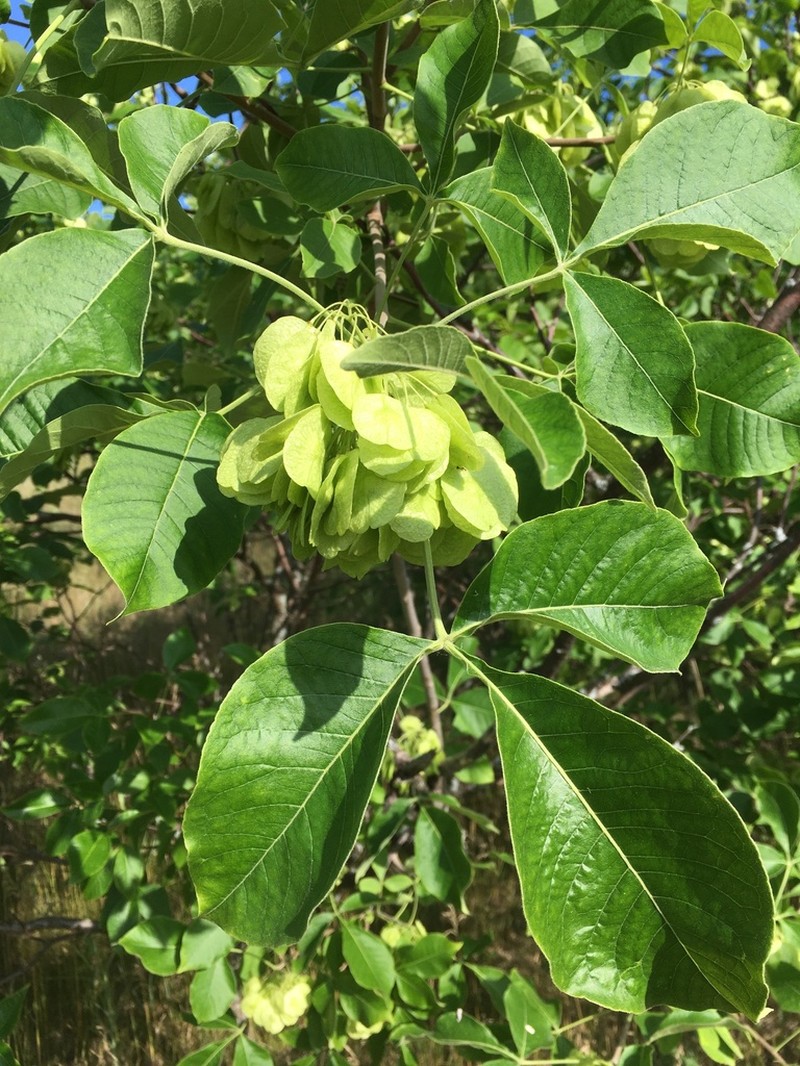
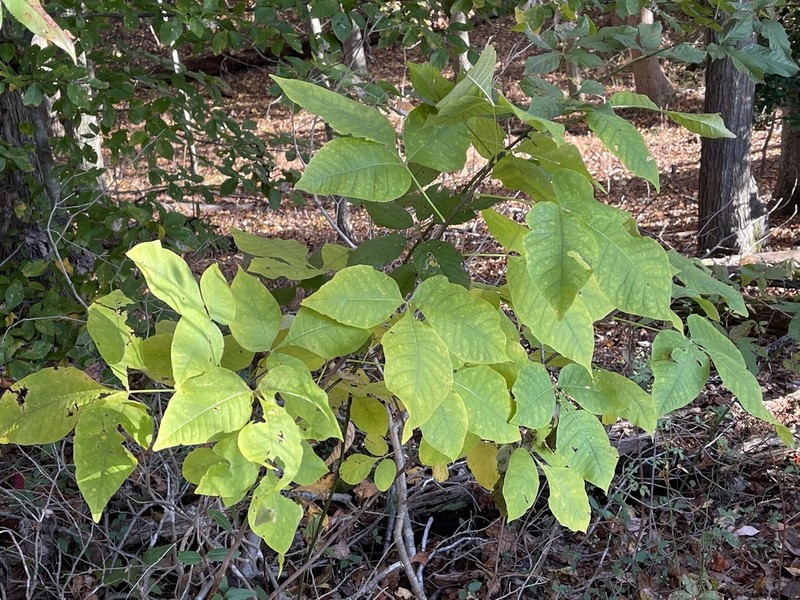
Taxonomy
- Division:
- Magnoliophyta | - Flowering plants
- Family:
- Rutaceae
- Genus:
- Ptelea
- Species:
- Ptelea trifoliata
- USDA Symbol:
- PTTR
Growth Characteristics
- Life Cycle:
- Perennial
- Growth Habit:
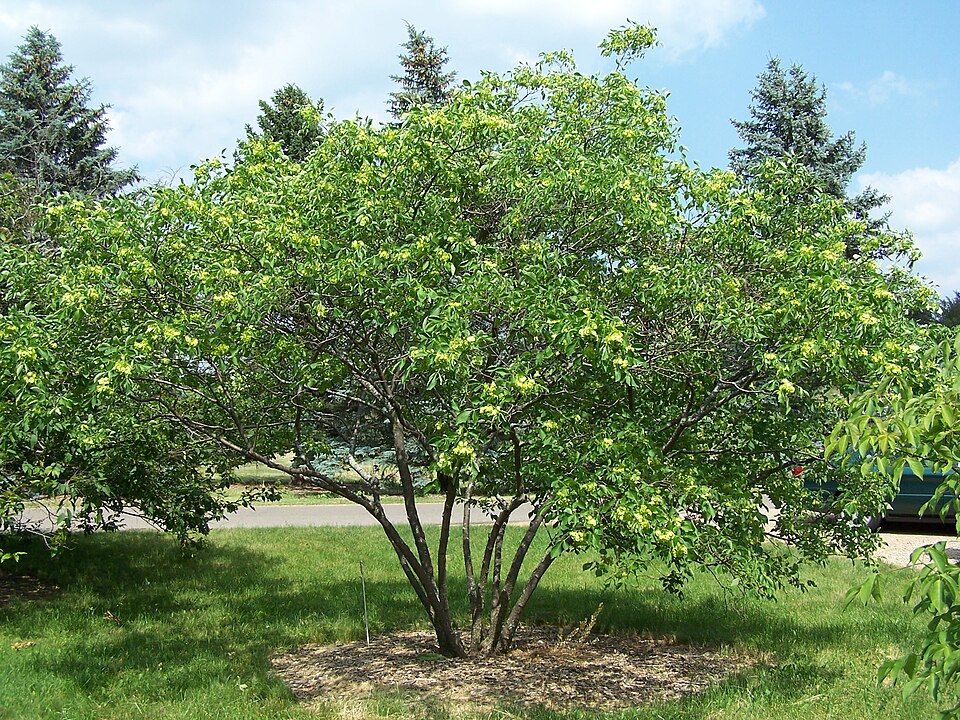
- Shrub , Tree
- Height:
- 800 cm
- Light Requirements:
- Full Sun,Part Shade,Shade
- Drought Tolerance:
- Medium
- Bloom Months:
- may,jun
- Bloom Colors:
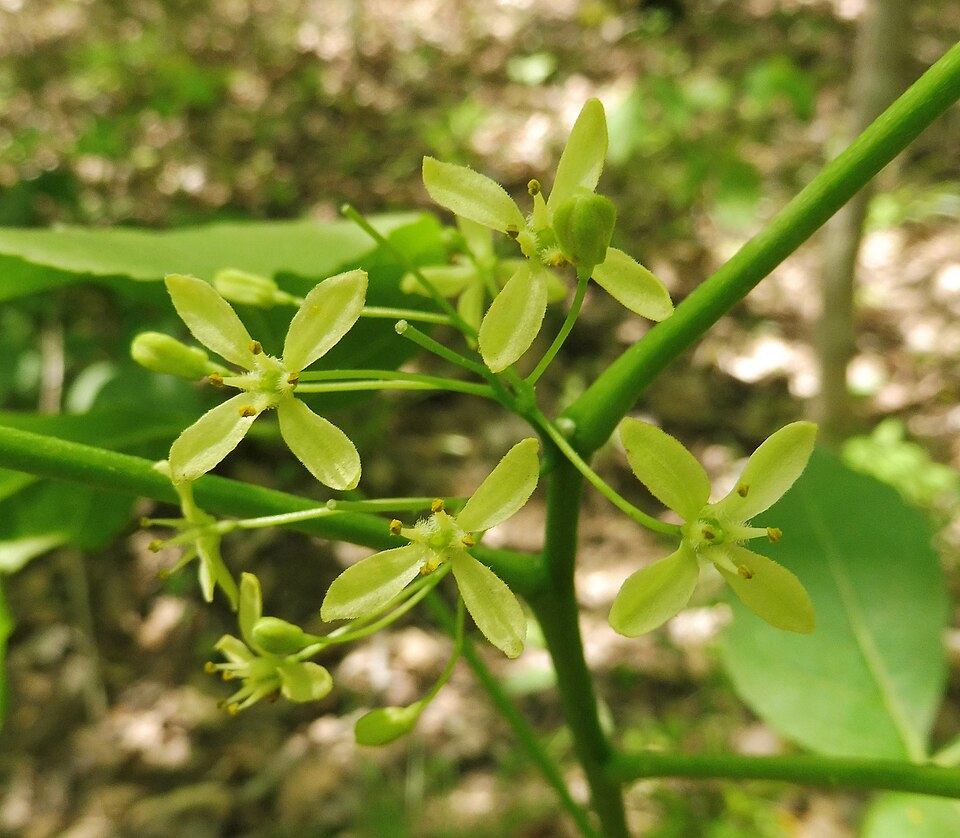
- greenish-white
- Landscaping Shrub:
- Yes
Wildlife Benefits
- Bees:
- ★☆☆☆☆ Documented bee visitation (GBIF)
- Butterflies & Moths:
- ★★★★★ Documented Lepidoptera association (GBIF)
- Caterpillars:
- ★★☆☆☆ Recorded caterpillar host plant (HOSTS Database)
Host Plant for Caterpillars
Agonopterix argillacea, Agonopterix nigrinotella, Agonopterix pteleae, Ailanthus silkmoth (Samia cynthia), Apachea barberella, common eupithecia (Eupithecia miserulata), Dichomeris citrifoliella, Fomoria pteliaeella, Walker’s Atlas Moth (Samia walkeri), Eastern Tiger Swallowtail (Papilio glaucus), Giant Swallowtail (Papilio cresphontes), Two-tailed Swallowtail (Papilio multicaudatus), Western Tiger Swallowtail (Papilio rutulus)
Reported Fauna Sightings
Moths:Fomoria pteliaeella Butterflies:Eastern Giant (Heraclides cresphontes), Eastern Tiger Swallowtail (Papilio glaucus), Giant Swallowtail (Papilio cresphontes), Papilio multicaudata
Garden & Ecology Notes
- Wildlife Value:
- birds, butterflies, small mammals
- Fragrant:
- Yes
- Fall Color:
- yellow
Soil Requirements
- Soil Type:
- rich, well-drained loamy soil
- pH:
- 6.0 - 7.5 (slightly acidic to neutral)
- Drainage:
- excellent drainage required
- Moisture:
- dry to moderate
- Notes:
- prefers calcareous soils in native range
Propagation & Germination
- Stratification:
- Cold/moist stratification required — 60–90 days
- Germination Time:
- 30–60 days
- Notes:
- Seeds benefit from cold stratification for 60-90 days to break dormancy.
Pre-treatment: Seed was placed in ziplock bags with damp coarsely torn sphagnum moss and placed in 40C cooler for 5 months. Alternatively, seed can be sown right away after drying.
Establishment: Seed flat must be kept sheltered from rodents as they will disturb and eat seeds. Seedling roots may become entangled in sphagnum moss fibers and roots of seedlings may perforate wings of adjacent seeds if seeds are stuck together when initially sown in the trays.
Source: npn.rngr.net
ORGHPS Germination Guide: Sow @ 4C for 3 months, then place @ 20C for 3 months.
Where to Buy
Nationwide Seller
- Prairie Moon Nursery (nursery and seeds)
- Sheffield's Seed (seeds)