
Common Pricklyash
Zanthoxylum americanum
- Native to:
- Canada, Mexico, United States, Virgin Islands
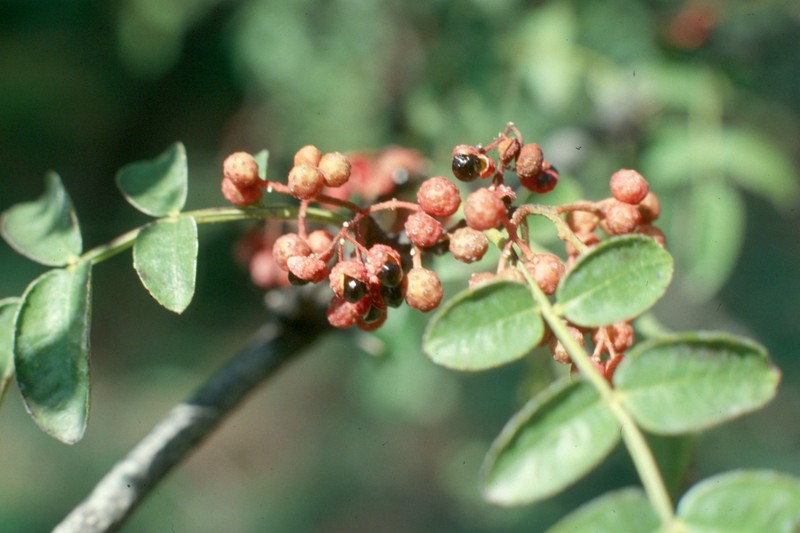
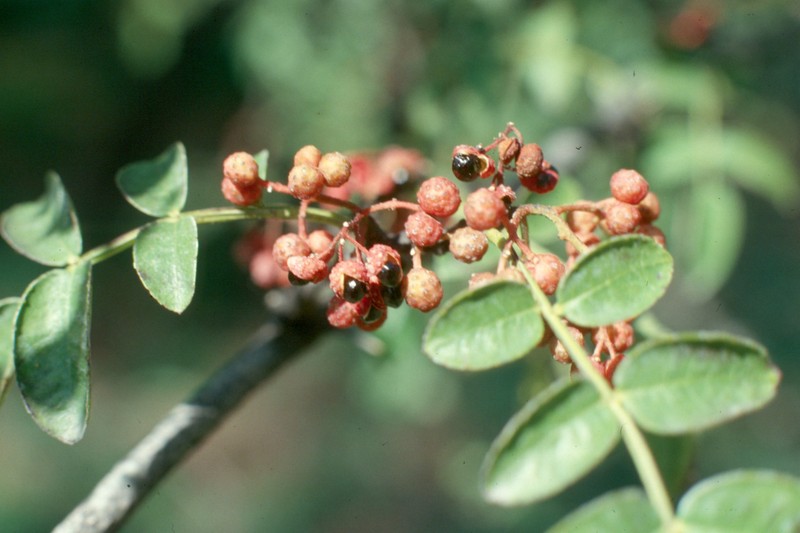
A. Barra
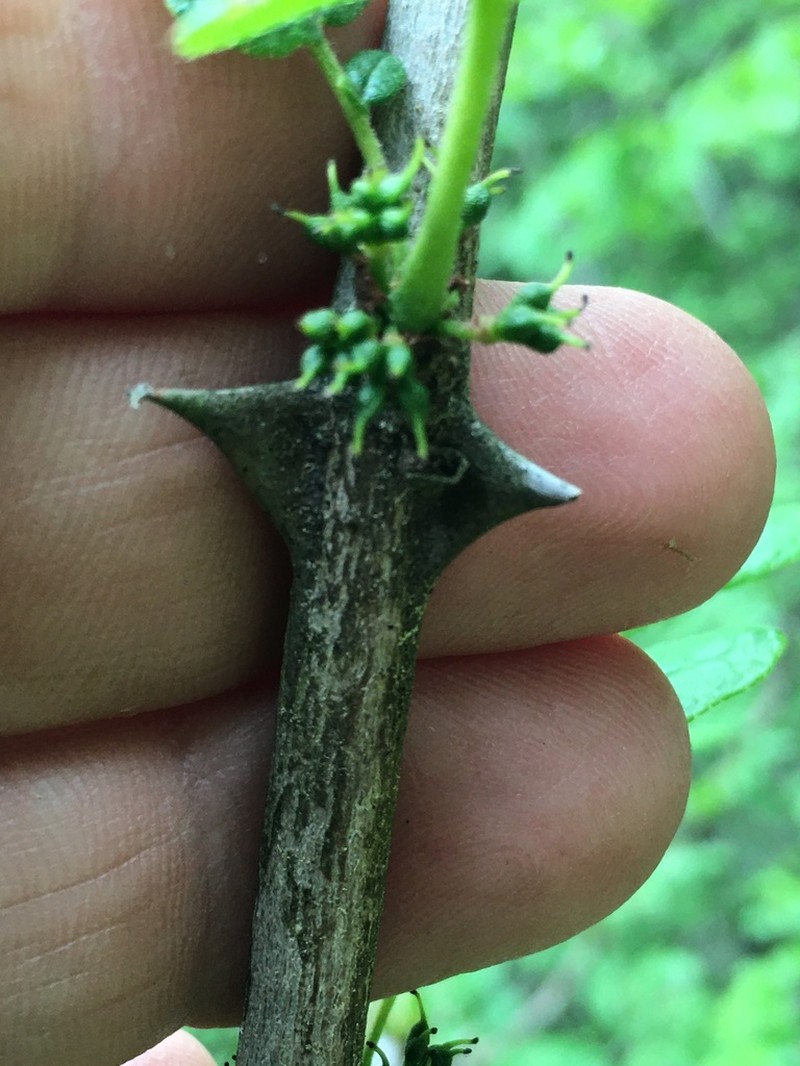
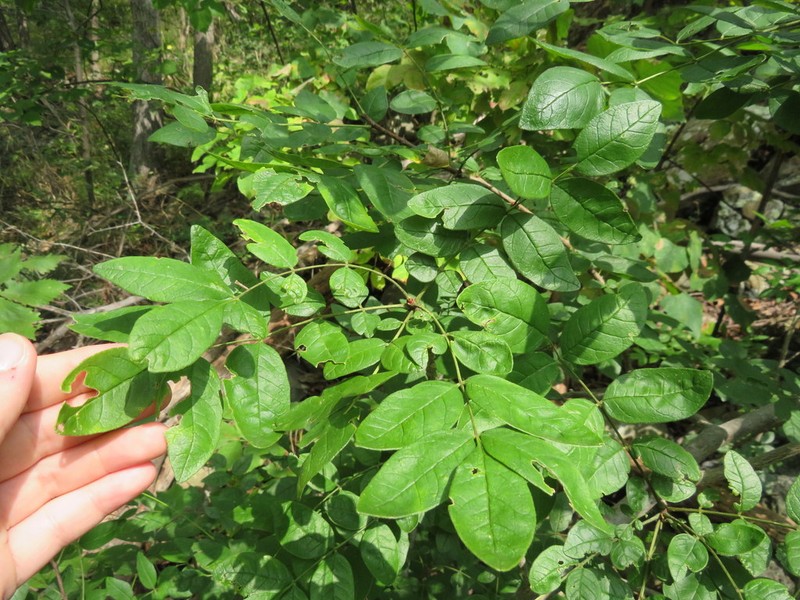
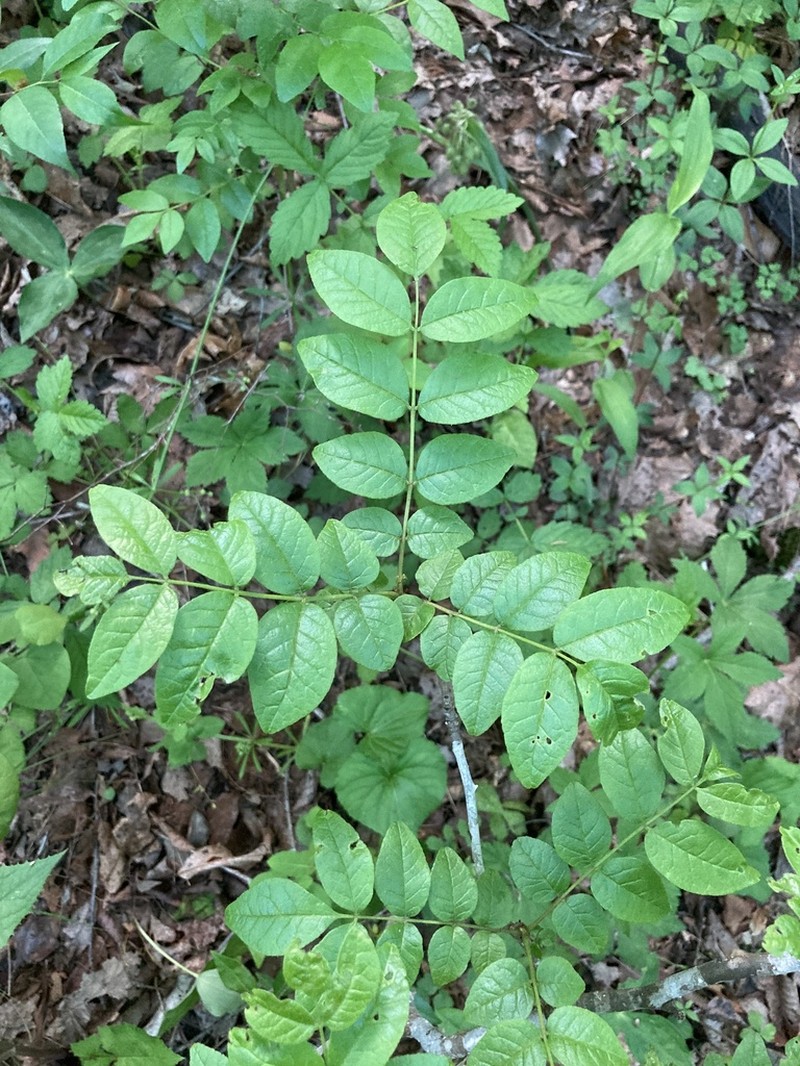
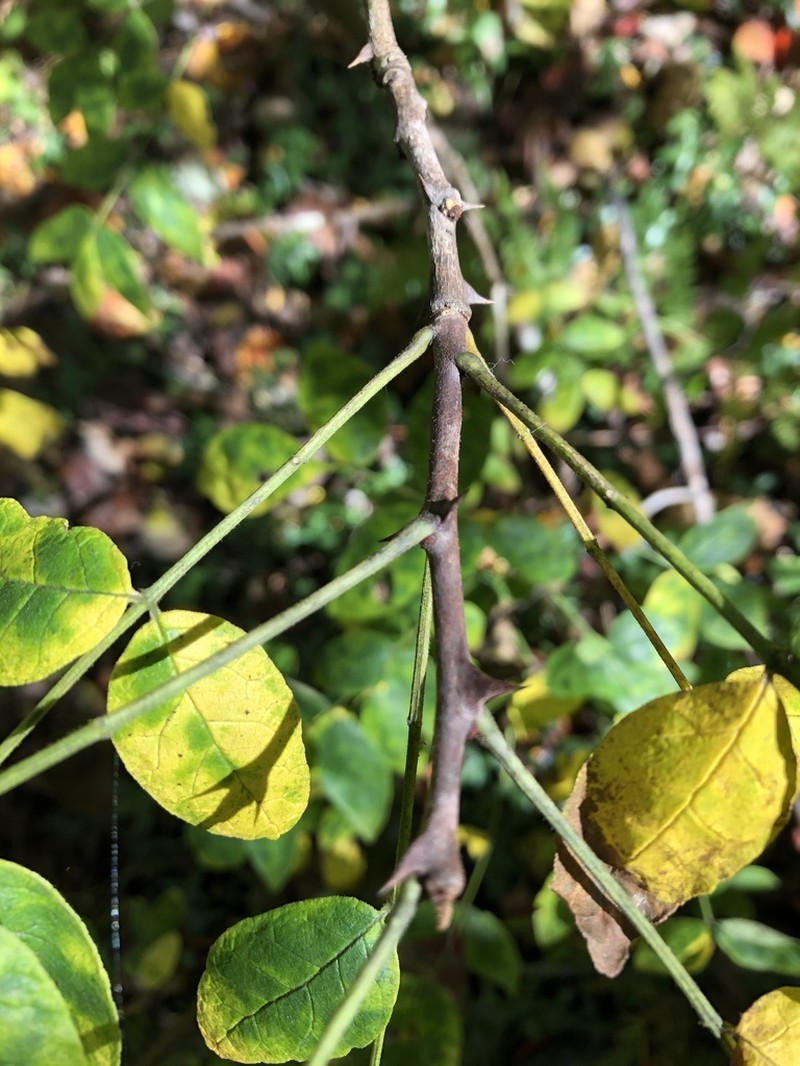
Taxonomy
- Division:
- Magnoliophyta | - Flowering plants
- Family:
- Rutaceae
- Genus:
- Zanthoxylum
- Species:
- Zanthoxylum americanum
- USDA Symbol:
- ZAAM
Growth Characteristics
- Life Cycle:
- Perennial
- Growth Habit:
- Shrub , Tree
- Height:
- 610 cm
- Light Requirements:
- Full Sun
- Drought Tolerance:
- Medium
- Bloom Months:
- apr,may
- Bloom Colors:
- greenish-yellow
- Landscaping Shrub:
- Yes
Wildlife Benefits
- Bees:
- ★☆☆☆☆ Documented bee visitation (GBIF)
- Butterflies & Moths:
- ★★★☆☆ Documented Lepidoptera association (GBIF)
- Caterpillars:
- ★★☆☆☆ Recorded caterpillar host plant (HOSTS Database)
Host Plant for Caterpillars
Agonopterix nigrinotella, Dichomeris citrifoliella, Fall webworm (Hyphantria cunea), Eastern Tiger Swallowtail (Papilio glaucus), Giant Swallowtail (Papilio cresphontes), Spicebush Swallowtail (Papilio troilus)
Reported Fauna Sightings
Butterflies:Eastern Giant (Heraclides cresphontes), Giant Swallowtail (Papilio cresphontes)
Garden & Ecology Notes
- Wildlife Value:
- birds, butterflies
- Deer Resistant:
- Yes
- Fragrant:
- Yes
- Fall Color:
- yellow
Soil Requirements
- Soil Type:
- rich, well-drained loamy soil
- pH:
- 5.5 - 7.5 (slightly acidic to neutral)
- Drainage:
- excellent drainage required
- Moisture:
- consistently moist
- Notes:
- Prefers fertile soils in woodland settings
Propagation & Germination
- Stratification:
- Cold/moist stratification required — 60–90 days
- Germination Time:
- 30–60 days
- Notes:
- Seeds benefit from cold stratification; germination may be slow and erratic.
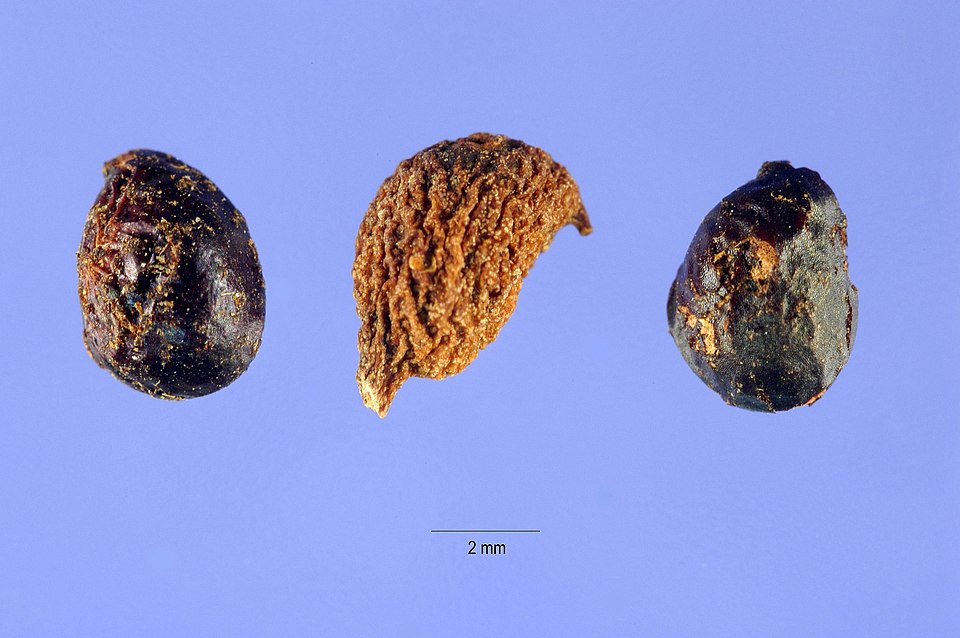
Pre-treatment: Seeds are cold stratified for 120 days
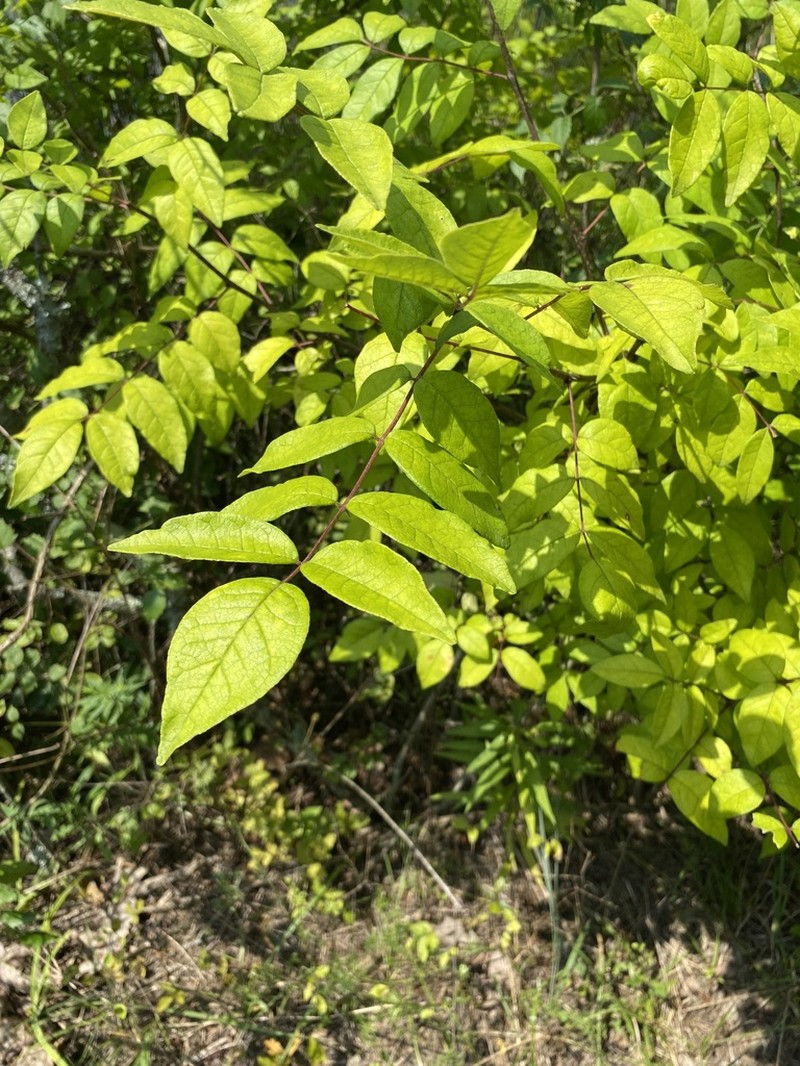
Establishment: Z. americanum is found within temperate deciduous forests of North America.
Source: npn.rngr.net
Where to Buy
Nationwide Seller
- Sheffield's Seed (seeds)