
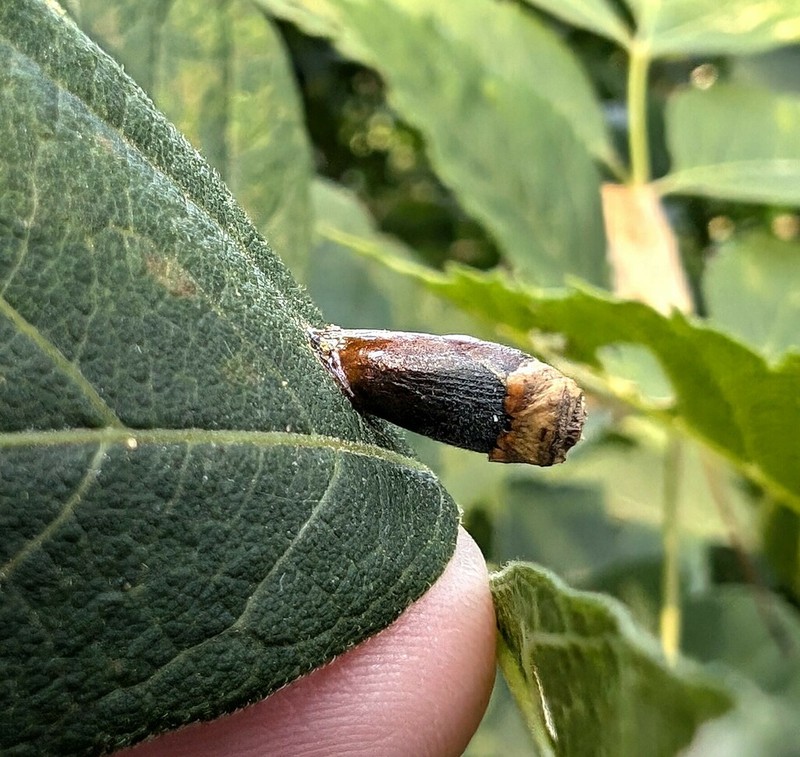
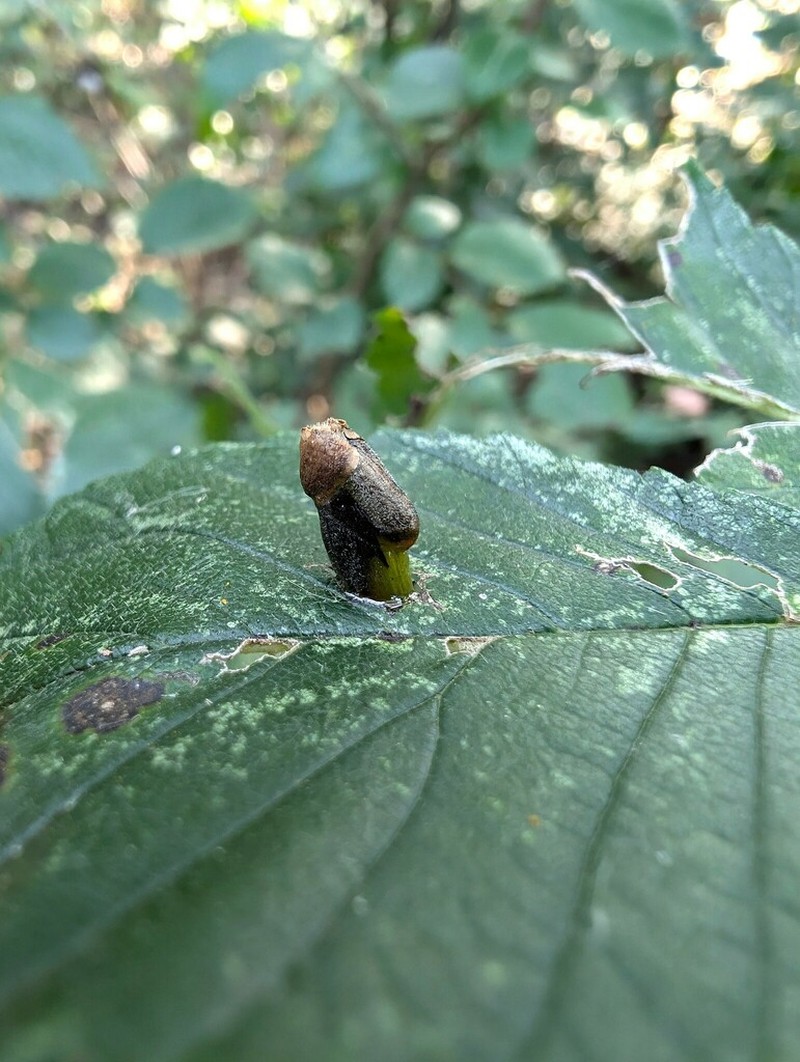
Eastern Cottonwood
Populus deltoides
- Native to:
- Canada, Mexico, United States, Virgin Islands
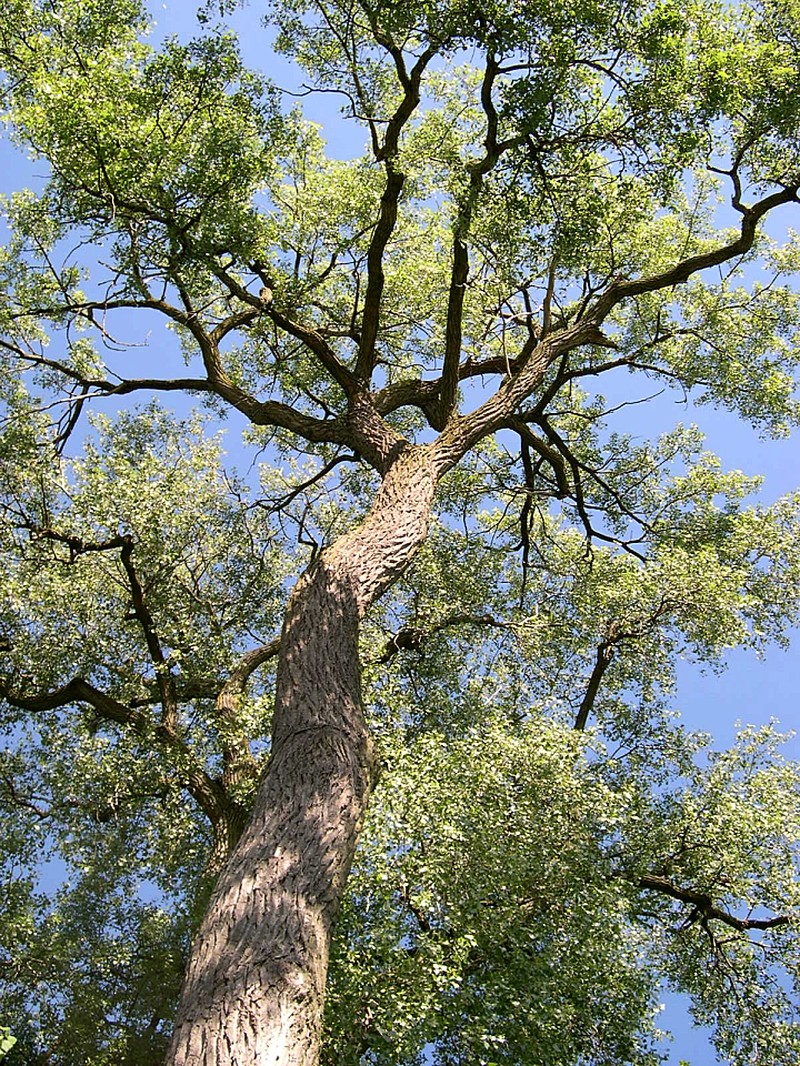
Jay Sturner (www.flickr.com) from USA

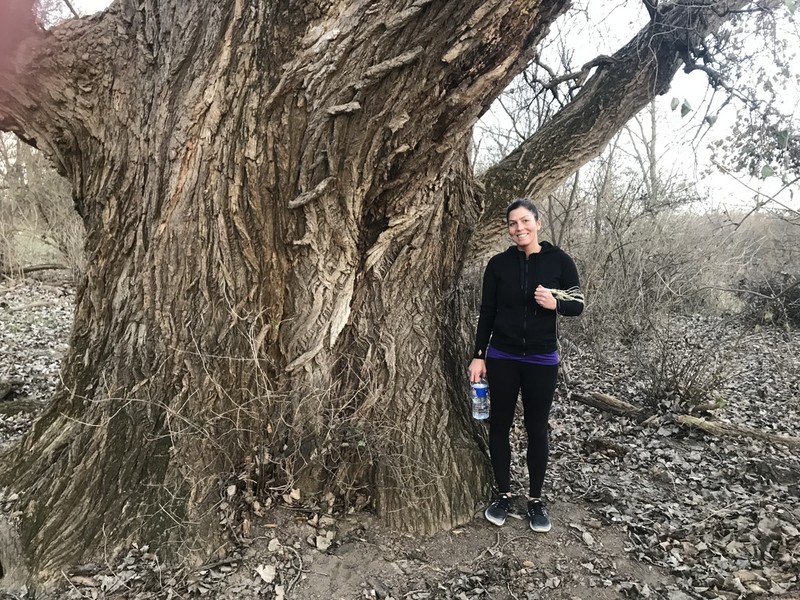
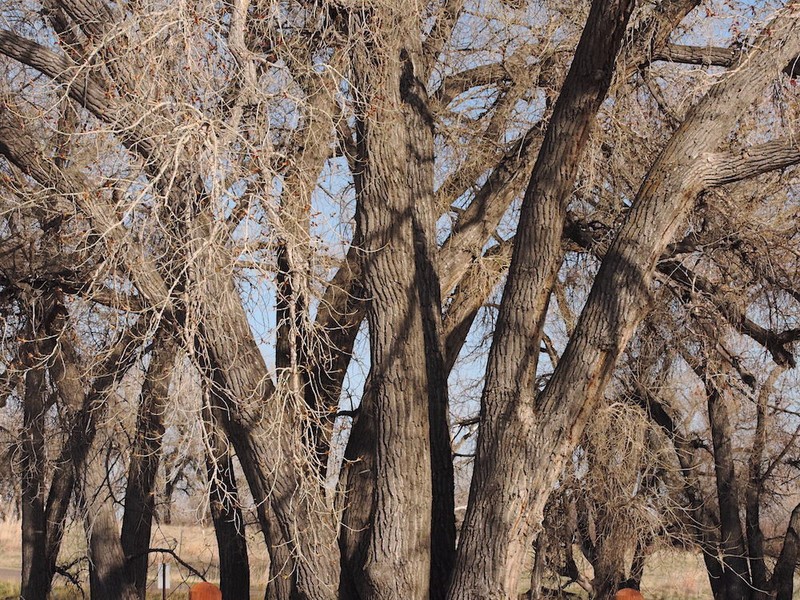

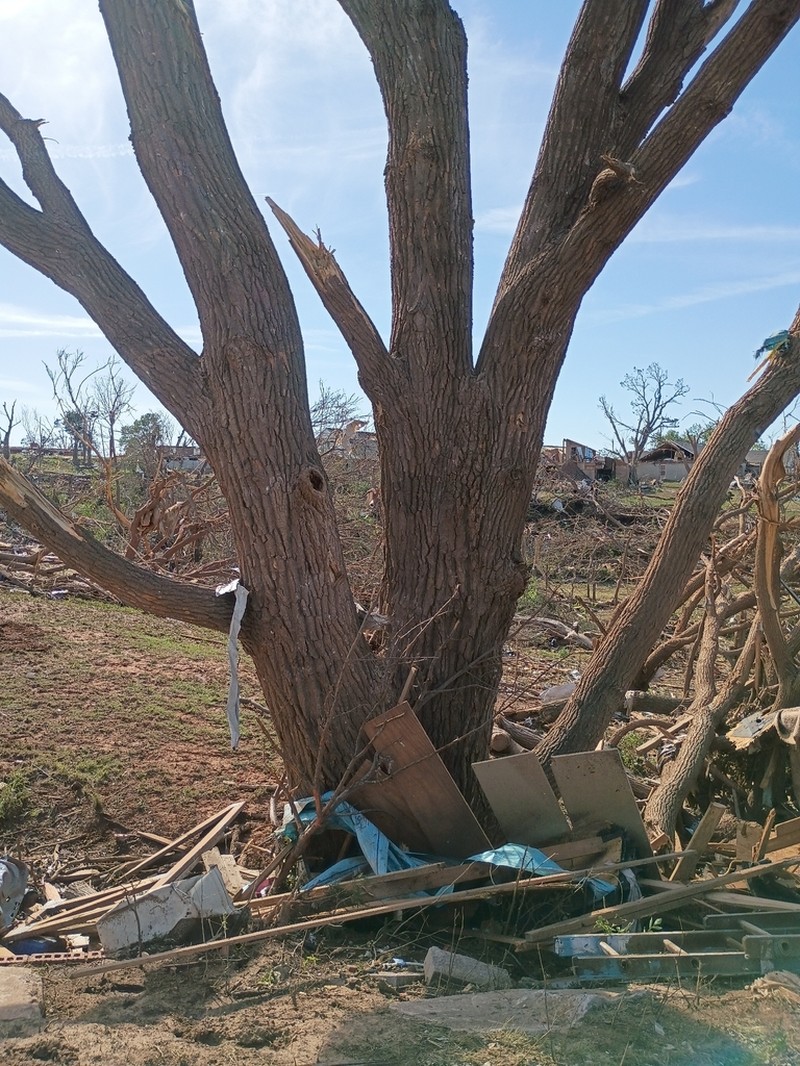
Taxonomy
- Division:
- Magnoliophyta | - Flowering plants
- Family:
- Salicaceae
- Genus:
- Populus
- Species:
- Populus deltoides
- USDA Symbol:
- PODE3
Growth Characteristics
- Life Cycle:
- Perennial
- Growth Habit:
- Tree
- Height:
- 3000 cm
- Light Requirements:
- Full Sun,Part Shade,Shade
- Drought Tolerance:
- Low
- Bloom Months:
- mar,apr,may
- Bloom Colors:
- green, red
Wildlife Benefits
- Bees:
- ★☆☆☆☆ Documented bee visitation (GBIF)
- Butterflies & Moths:
- ★★★★☆ Documented Lepidoptera association (GBIF)
- Caterpillars:
- ★★★★☆ Recorded caterpillar host plant (HOSTS Database)
Keystone Species Ranking
- Caterpillar Keystone:
- ★★★★★ Butterfly & moth species supported by this genus (NWF)
Host Plant for Caterpillars
Reported Fauna Sightings
Garden & Ecology Notes
- Wildlife Value:
- birds, small mammals, beavers
- Fall Color:
- yellow
- Fire Ecology:
- Fire adapted — tolerates or benefits from fire
- Fire Notes:
- Mature trees survive low-intensity fires; seedlings establish on post-fire bare soil.
Soil Requirements
- Soil Type:
- fertile, moisture-retentive loam
- pH:
- 5.5 - 8.0 (slightly acidic to neutral)
- Drainage:
- tolerates poor drainage
- Moisture:
- consistently moist
- Notes:
- Commonly found in floodplains and riverbanks.
Propagation & Germination
- Stratification:
- Cold/moist stratification required — 60–90 days
- Germination Time:
- 14–30 days
- Notes:
- Seeds require moist, bare soil and full sun for germination; no pretreatment needed if fresh.
Pre-treatment: For seeds, germinate at 32 C. For cuttings, stick to a depth of 10 cm in a 2:1:1 (v:v:v) peat:perlite:vermiculite mixture. Controlled release fertilizer 14-14-14 (N-P-K) 3 -4 month is incorporated into the media at the rate of 4 kg/m3. Cuttings are watered in and kept moist throughout the rooting period using an intermittent misting schedule.
Establishment: For seeds, the germination medium used is a standard sphagnum peat moss and perlite mix of fairly coarse texture (Sunshine #1). For cuttings, stem cuttings are taken from dormant trees growing in stooling blocks in February (or anytime from January to late March). The earlier the cuttings are taken (January thorough February) the longer the cuttings can be stored before bud burst occurs during storage.
Source: npn.rngr.net
Where to Buy
Nationwide Seller
- Sheffield's Seed (seeds)