
Fremont Cottonwood
Populus fremontii
- Native to:
- Mexico, United States
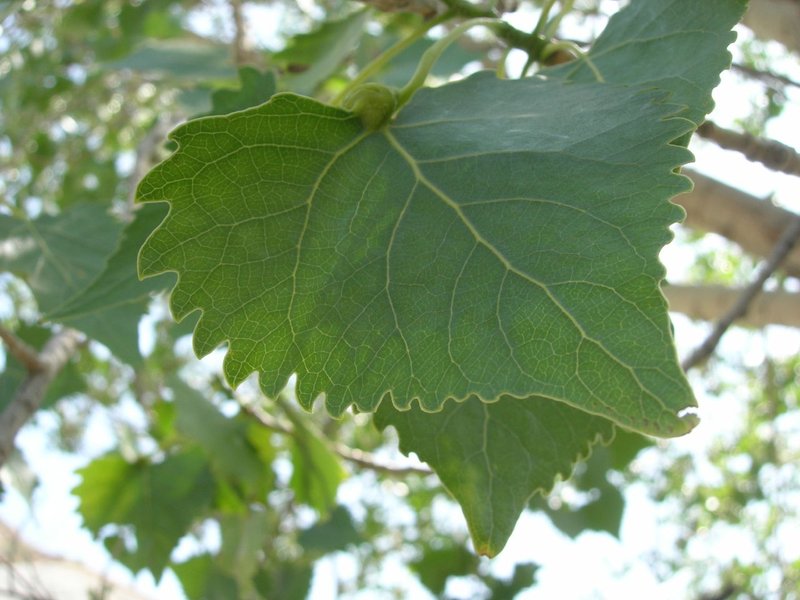
Joe Decruyenaere (www.flickr.com)
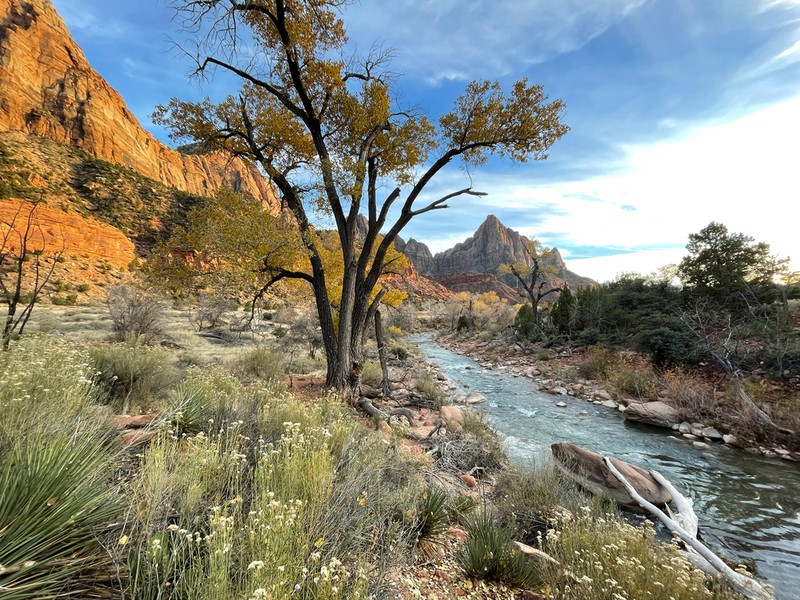
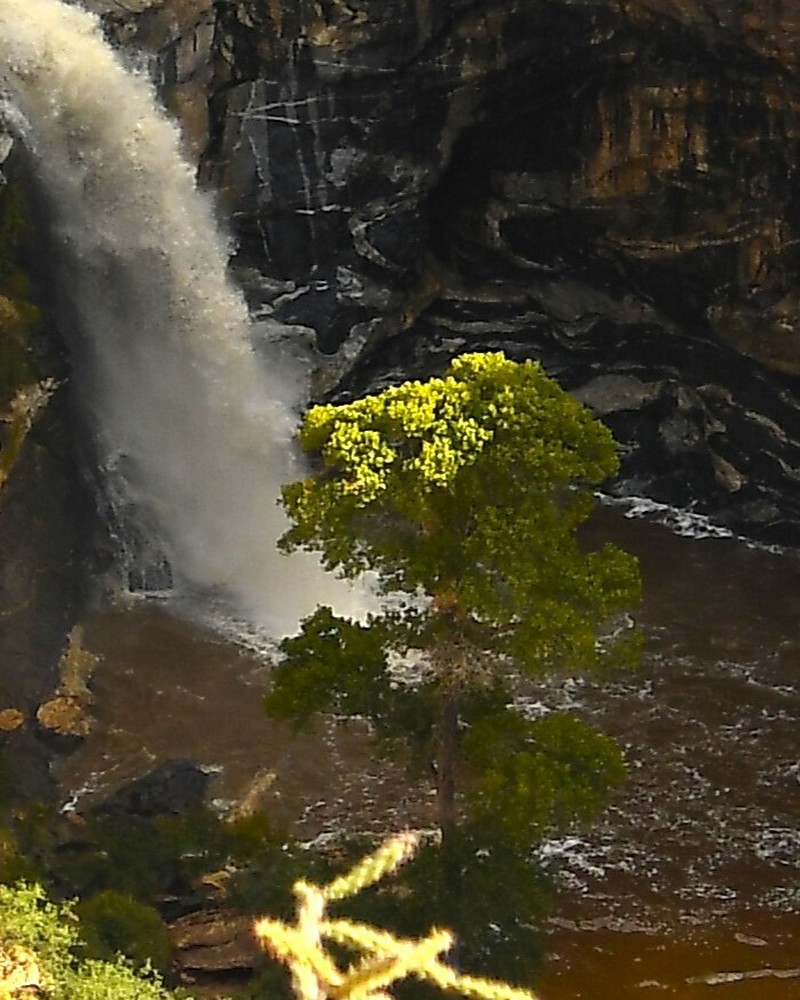
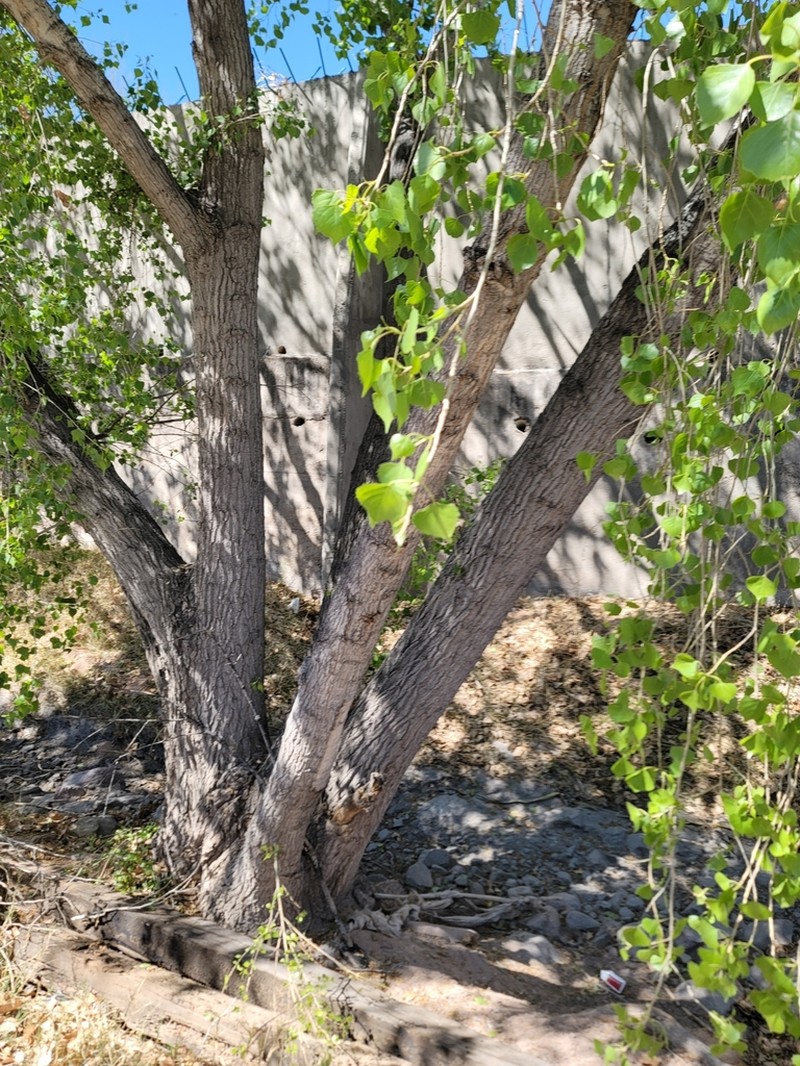
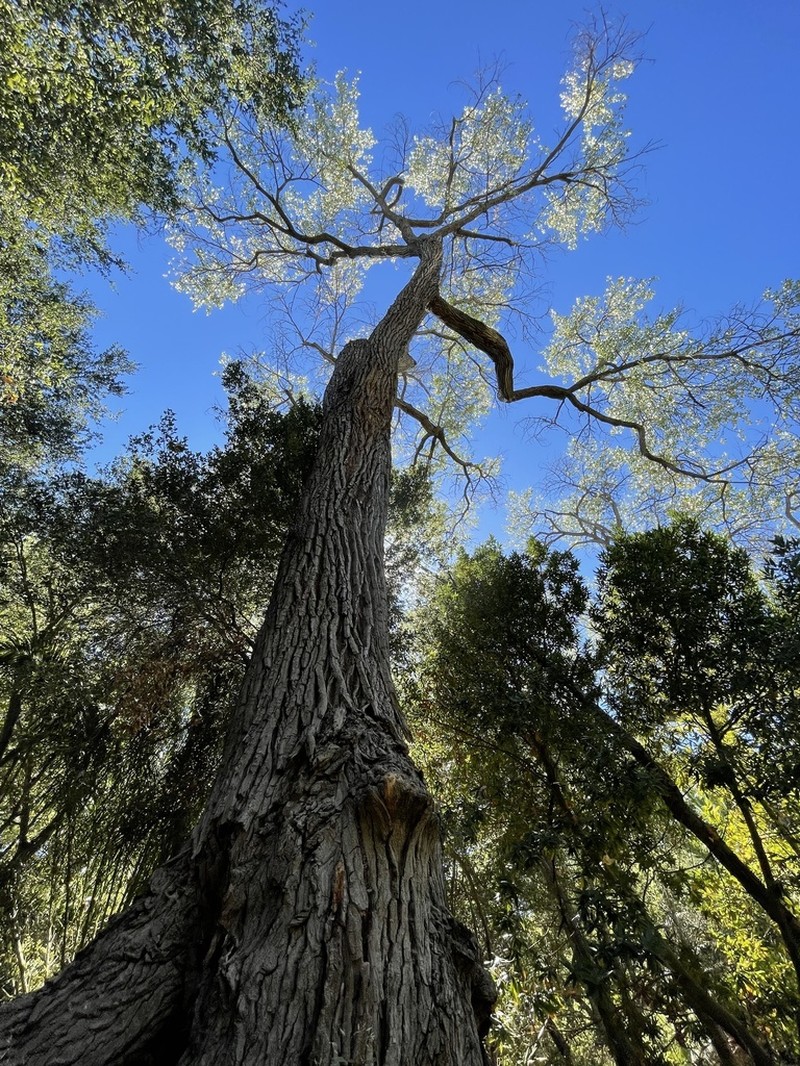

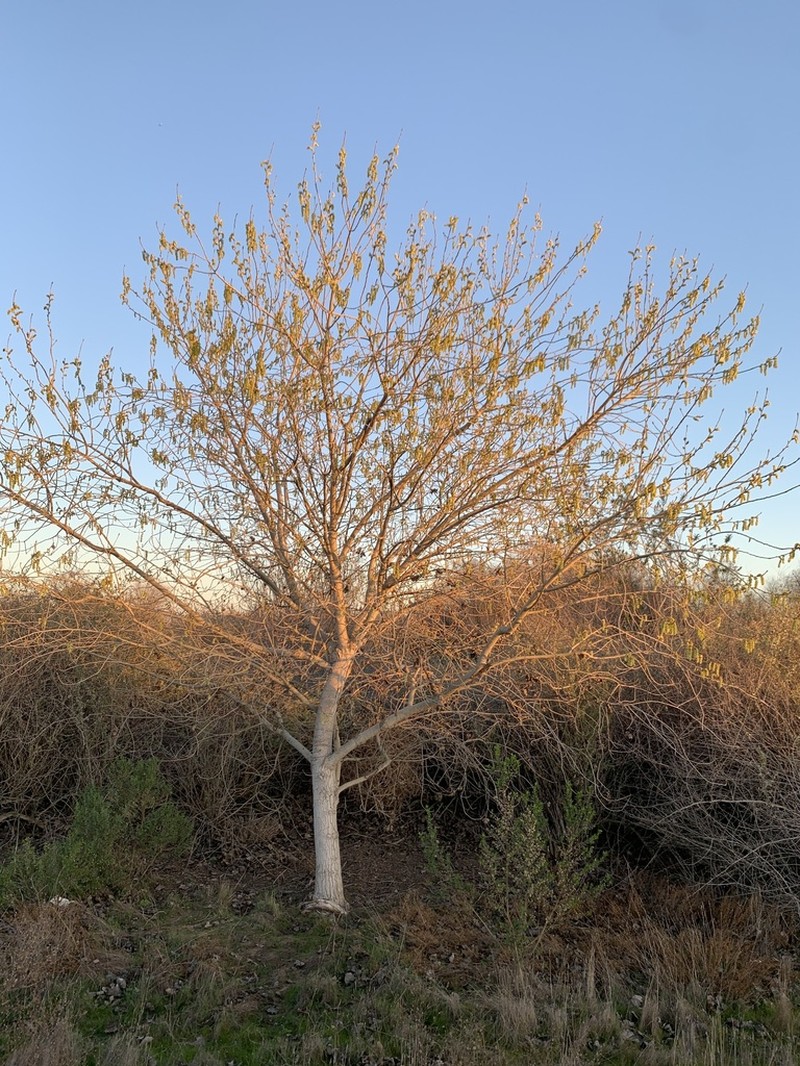
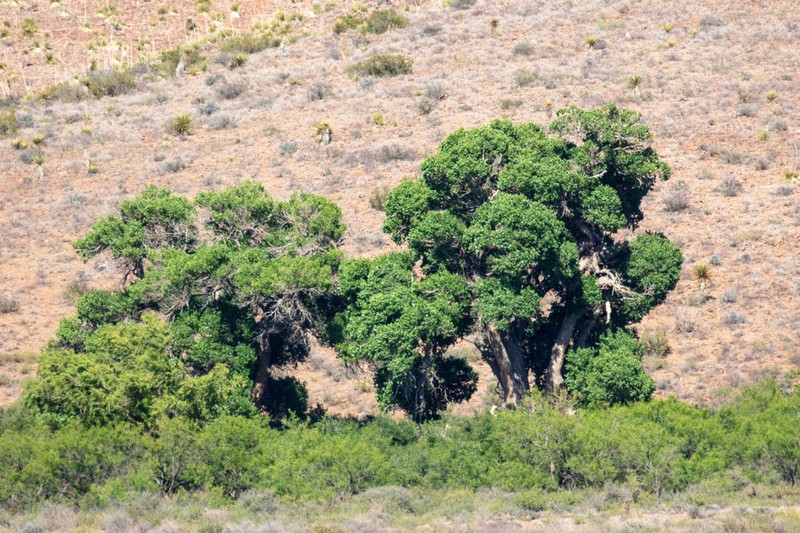
Taxonomy
- Division:
- Magnoliophyta | - Flowering plants
- Family:
- Salicaceae
- Genus:
- Populus
- Species:
- Populus fremontii
- USDA Symbol:
- POFR2
Growth Characteristics
- Life Cycle:
- Perennial
- Growth Habit:
- Tree
- Height:
- 3000 cm
- Light Requirements:
- Full Sun
- Drought Tolerance:
- Low
Wildlife Benefits
- Bees:
- ★☆☆☆☆ Documented bee visitation (GBIF)
- Butterflies & Moths:
- ★★★★★ Documented Lepidoptera association (GBIF)
- Caterpillars:
- ★★★☆☆ Recorded caterpillar host plant (HOSTS Database)
- Hummingbirds:
- ★☆☆☆☆ Documented hummingbird visits (GBIF)
Keystone Species Ranking
- Caterpillar Keystone:
- ★★★★★ Butterfly & moth species supported by this genus (NWF)
Host Plant for Caterpillars
Abagrotis placida, American hornet moth (Sesia tibialis), Big Poplar Sphinx (Pachysphinx occidentalis), Buck Moth (Hemileuca maia), Cecropia moth (Hyalophora cecropia), Clostera inornata, Eastern Tent Caterpillar (Malacosoma americana), Electilis Underwing (Catocala electilis), Fall webworm (Hyphantria cunea), Furcula nivea, Gluphisia septentrionis, incurve tent caterpillar (Malacosoma incurva), Ipimorpha pleonectusa, Juno buckmoth (Hemileuca juno), Lacinipolia lustralis, Meske's underwing (Catocala meskei), Mesothea incertata, Modest Sphinx (Pachysphinx modesta), Nevada buck moth (Hemileuca nevadensis), Pacific tent caterpillar (Malacosoma constricta), pure underwing (Catocala pura), Red-humped caterpillar moth (Schizura concinna), Semiothisa irrorata, Stretch's Underwing (Catocala stretchii), Sweetheart Underwing (Catocala amatrix), Western tent caterpillar (Malacosoma californica), White-marked Tussock Moth (Orgyia leucostigma)
Reported Fauna Sightings
Hummingbirds: Anna's Hummingbird (Calypte anna) Butterflies:Cloudless Sulphur (Phoebis sennae)
Garden & Ecology Notes
- Wildlife Value:
- birds, small mammals, beavers
- Fall Color:
- yellow
- Fire Ecology:
- Fire adapted — tolerates or benefits from fire
- Fire Notes:
- Mature trees can survive low-severity fires; seedlings establish well on post-fire bare soil along riparian corridors.
Soil Requirements
- Soil Type:
- rich, well-drained loamy soil
- pH:
- 6.0 - 8.0 (slightly acidic to neutral)
- Drainage:
- tolerates poor drainage
- Moisture:
- consistently moist
- Notes:
- Commonly found along riverbanks and floodplains
Propagation & Germination
- Stratification:
- Cold/moist stratification required — 60–90 days
- Germination Time:
- 14–30 days
- Notes:
- Seeds require moist, bare soil and full sun for germination; they are short-lived and must be sown fresh.
Pre-treatment: Cut poles can be held in water tanks for up to a week. Treat with .1% IBA (rooting hormone) for higher rooting percentages and faster root development. Germination occurs at 20 C (68 F).
Establishment: Cottonwoods are best rooted from semi-hardwood cuttings of the current season's growth. Cuttings can be taken at any time, but the best times are either as the tree is going dormant in the late fall or when it is actively growing. P. fremontii is found from western Texas east to Nevada and California and south to northern Mexico, and through the Desert Southwest and Great Basin east to western Texas.
Source: npn.rngr.net