
White Willow
Salix alba
- Native to:
- Afghanistan, Albania, Algeria, Austria, Baltic States, Belarus, Belgium, Bulgaria, China, Corse, Cyprus, Czechia-Slovakia, East Aegean Is., France, Germany, Greece, Hungary, Iran, Iraq, Italy, Kazakhstan, Kriti, Krym, Lebanon-Syria, Morocco, Netherlands, North Caucasus, NW. Balkan Pen., Palestine, Poland, Portugal, Romania, Russia, Sardegna, Sicilia, Spain, Switzerland, Transcaucasus, Tunisia, Türkiye, Turkmenistan, Ukraine, Uzbekistan
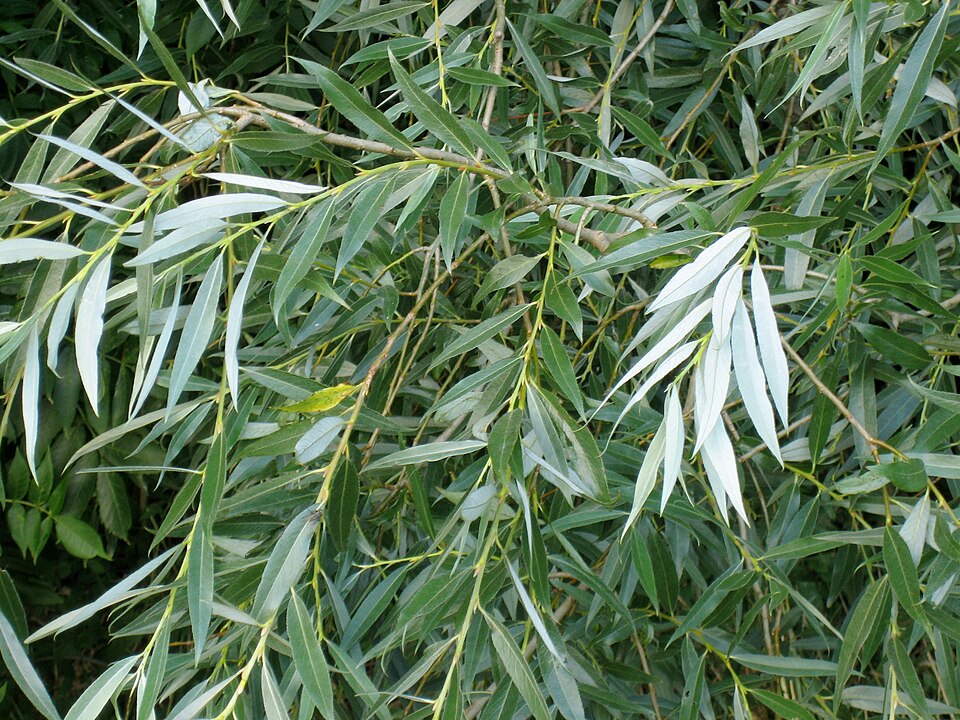
Willow
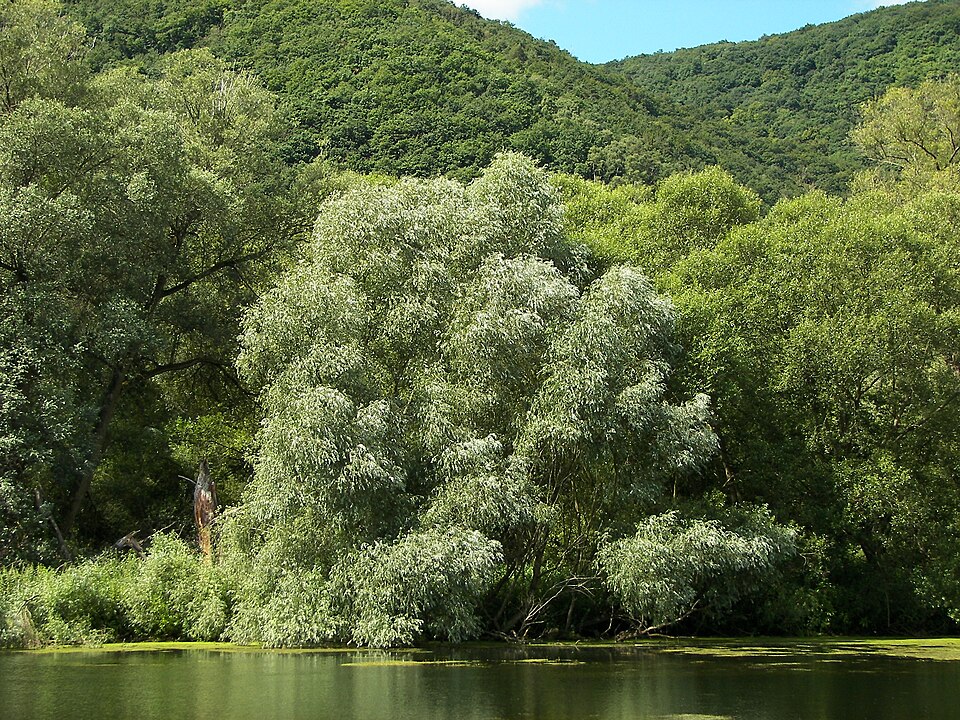
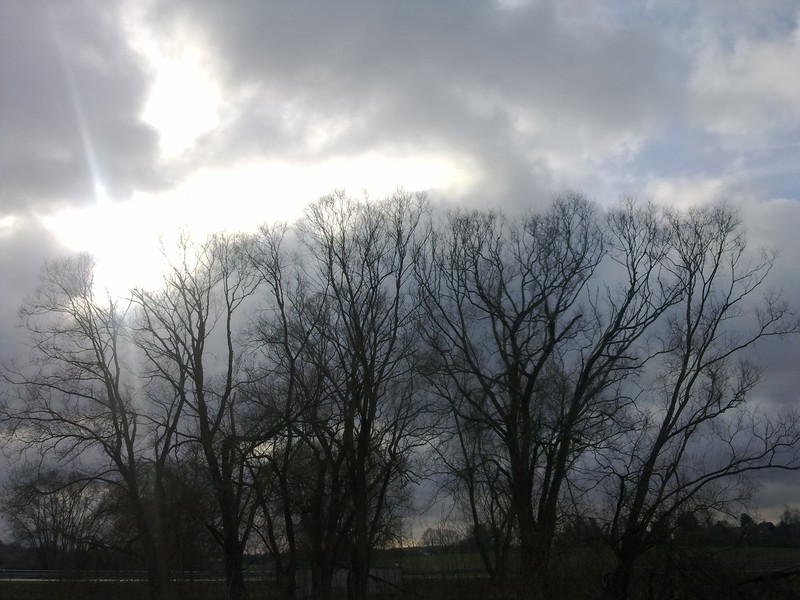
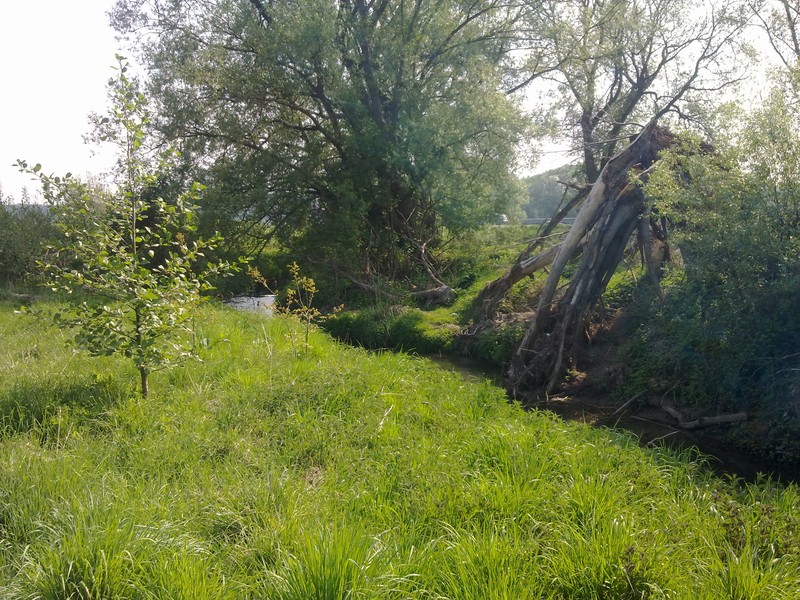
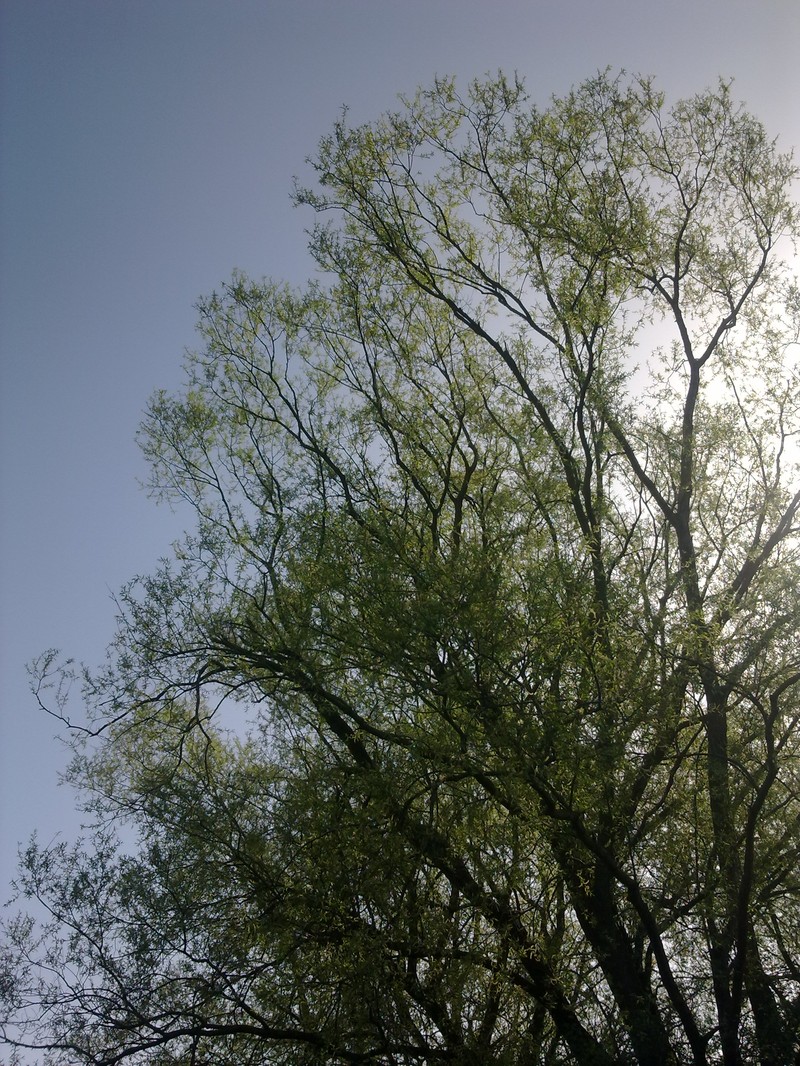
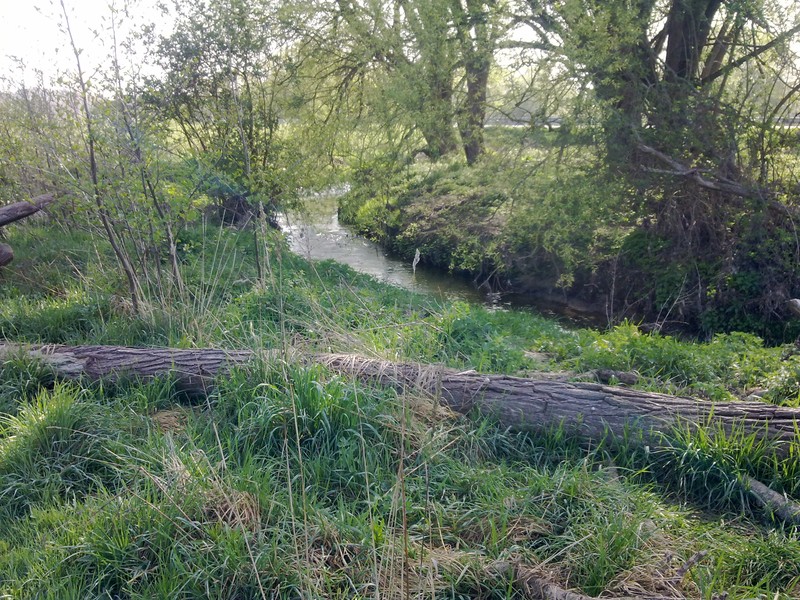
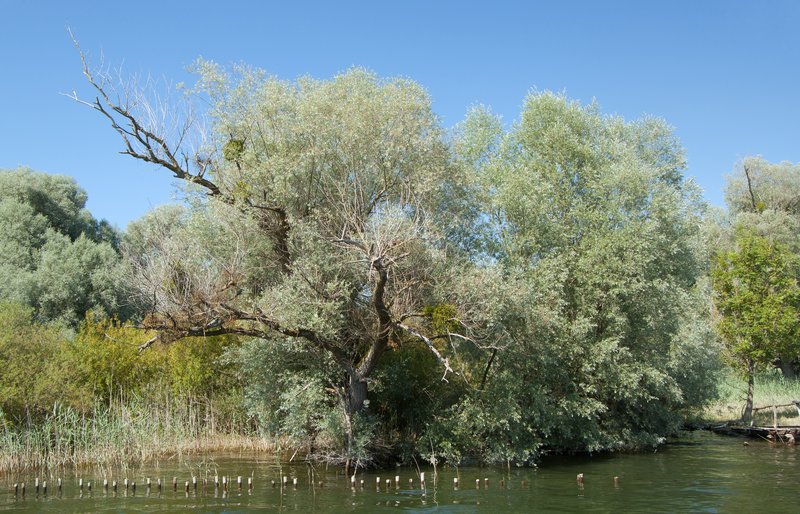
Taxonomy
- Division:
- Magnoliophyta | - Flowering plants
- Family:
- Salicaceae
- Genus:
- Salix
- Species:
- Salix alba
- USDA Symbol:
- SAAL2
Growth Characteristics
- Life Cycle:
- Perennial
- Growth Habit:
- Tree
- Height:
- 2500 cm
- Light Requirements:
- Full Sun
- Drought Tolerance:
- Low
- Bloom Months:
- apr,may
- Bloom Colors:
- yellow, green
Keystone Species Ranking
- Caterpillar Keystone:
- ★★★★★ Butterfly & moth species supported by this genus (NWF)
- Pollen Specialist Bee Keystone:
- ★★★★★ Native pollen specialist bee species supported by this genus (NWF)
Host Plant for Caterpillars
Beautiful Yellow Underwing (Anarta myrtilli), Ceanothus Silkmoth (Hyalophora euryalus), Cecropia moth (Hyalophora cecropia), Clostera cupreata, Columbia silk moth (Hyalophora columbia), Eversmann's rustic (Actebia fennica), fall cankerworm (Alsophila pometaria), Gypsy moth (Lymantria dispar), Hickory Tussock Moth (Lophocampa caryae), Io moth (Automeris io), Meroptera pravella, Micrurapteryx salicifoliella, Mother Underwing (Catocala parta), Phyllonorycter salicifoliella, Red-humped caterpillar moth (Schizura concinna), White Satin Moth (Leucoma salicis)
Garden & Ecology Notes
- Wildlife Value:
- birds, butterflies, small mammals
- Salt Tolerant:
- Yes
Soil Requirements
- Soil Type:
- moist, fertile, well-drained loam
- pH:
- 5.5 - 8.0 (slightly acidic to alkaline)
- Drainage:
- tolerates poor drainage
- Moisture:
- consistently moist
- Notes:
- Commonly found near rivers and wetlands
Propagation & Germination
- Stratification:
- Cold/moist stratification required — 30–60 days
- Germination Time:
- 14–30 days
- Notes:
- Seeds are short-lived; sow fresh on moist surface without covering. Cold stratification may improve germination of stored seed.